
What Do You Need to Do at a Wedding Rehearsal? A Simple Guide for Couples and Attendants
A wedding rehearsal is an important step in preparing for your big day. During this practice, you’ll go over key ceremony elements like the processional, where everyone will stand, and how to interact during the event. This time helps everyone feel confident and organized, making the wedding day less stressful.
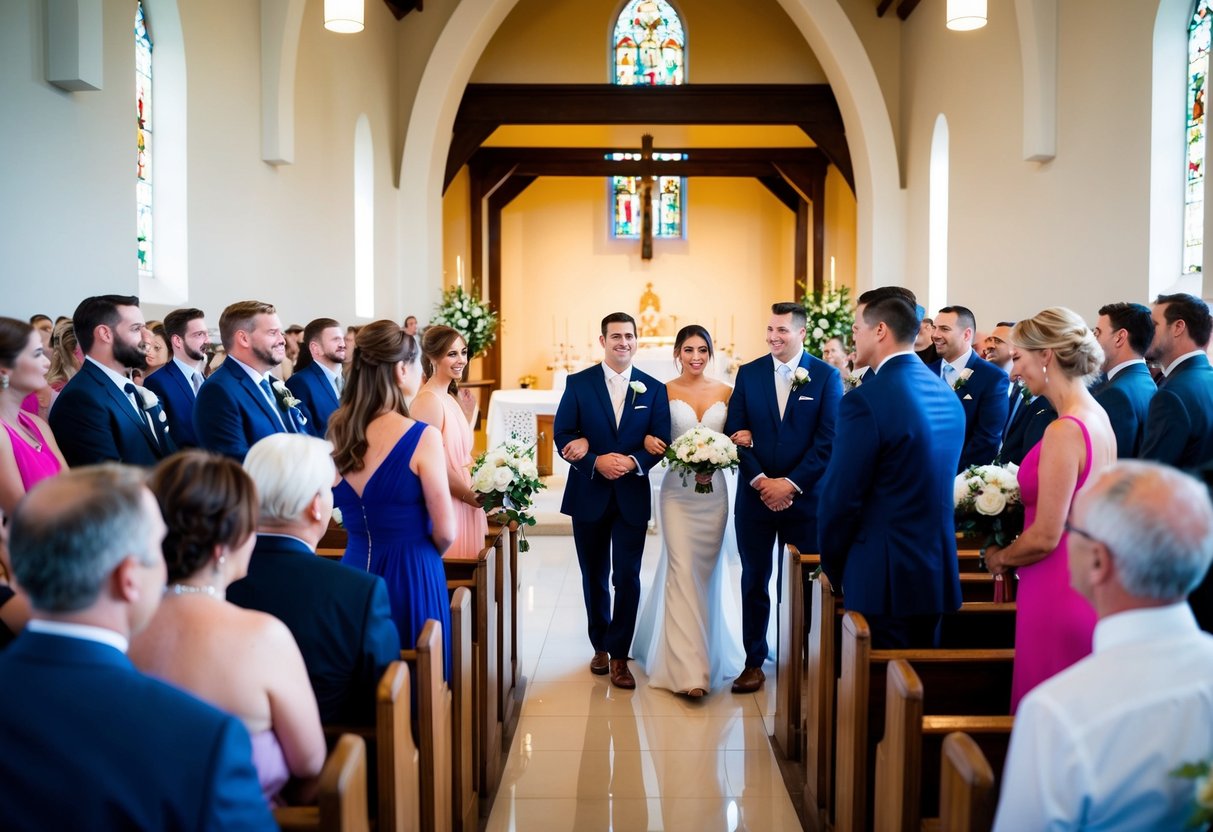
Gather your wedding party and officiant to walk through the entire ceremony. Going through the motions ensures that everyone knows their roles, from walking down the aisle to what to say at the right moments. This practice can make all the difference in keeping nerves at bay and helping everything flow smoothly on the day of the event.
Set aside a time to enjoy the rehearsal, and don’t forget to have fun! This is a great opportunity to bond with your wedding party and create special memories before the main event. By taking these steps, you’ll not only prepare for your ceremony but also help ensure a stress-free wedding day.
Preparing for Your Wedding Rehearsal
Getting ready for your wedding rehearsal is essential for a smooth ceremony. You need to understand what a rehearsal is and create a checklist to ensure everything goes well. Here’s how to prepare effectively.
Understanding the Basics
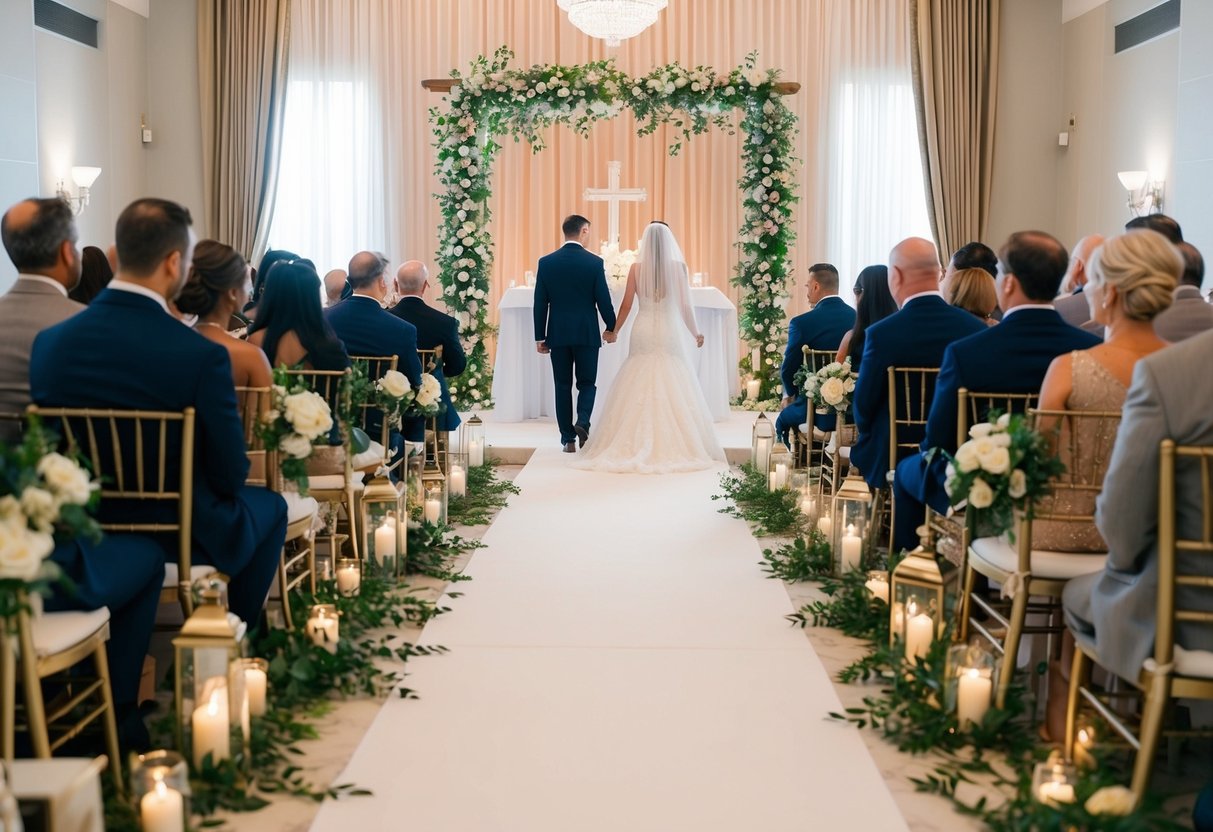
A wedding rehearsal is like a practice run for your ceremony. It allows you and your wedding party to walk through the events of the day. This includes the processional, seating arrangements, and choreography for special moments.
Having everyone present, like the maid of honor, best man, flower girl, and ring bearer, is vital. They each need to know their roles. This practice helps everyone feel more comfortable on the big day.
Clear communication is key. Your wedding planner can help organize this day and guide everyone through their parts. Make sure to address any questions or concerns during the rehearsal.
Compiling Your Rehearsal Checklist
Creating a rehearsal checklist is a smart way to stay organized. Here’s a basic outline of what to include:
-
People to Invite: List everyone attending, like your wedding party and any family members involved in the ceremony.
-
Schedule: Set a specific date and time for the rehearsal. Make sure everyone knows when to arrive.
-
Roles and Responsibilities: Detail who does what during the rehearsal. Ensure the officiant is clear on the flow of the ceremony.
-
Props and Items: Collect any items you’ll need, like the rings or bouquet.
-
Review Key Moments: Go over important parts, ensuring everyone knows where to stand and what to do.
Using this checklist helps you keep track of everything and reduces stress as you prepare for your special day.
The Rehearsal Dinner
The rehearsal dinner is a special event that happens the night before your wedding. It’s a time to relax and celebrate with your closest friends and family before the big day. Here’s what you need to know to make it memorable.
Planning the Dinner
When planning your rehearsal dinner, think about the guest list and venue first. This event usually includes close family and the wedding party, but you can invite anyone important to you.
Choose a location nearby, ideally within 30 minutes of your ceremony site or where most guests are staying. Popular options include restaurants, banquet halls, or even someone’s home.
Next, consider the menu. Pick food that everyone will enjoy. If you have children attending, include kid-friendly options. Don’t forget to check for any dietary restrictions.
Sending Invitations
Sending out invitations for your rehearsal dinner can be a fun part of the process. These should look different from your wedding invitations, yet match in style.
Include all important details: date, time, and location. Let guests know when to arrive for the rehearsal and when dinner will begin. This helps everyone feel prepared.
You can send digital invites or traditional paper ones, whichever you prefer. Make sure to send them out at least three to four weeks in advance, so your guests have time to plan.
Rehearsal Dinner Etiquette
Following proper etiquette for your rehearsal dinner will make it enjoyable for everyone. While this is a relaxed event, there are still some guidelines to consider.
Keep the location convenient for your guests. They are already traveling for your wedding, so don’t make them go too far for the rehearsal dinner.
If you’re having an “adults only” wedding, make sure to accommodate children at the rehearsal dinner if they are part of the wedding party. This could include kid-friendly meals and activities.
Lastly, give a short toast during the dinner to thank everyone for their support. This brings a nice touch to the evening and sets a warm, celebratory tone.
Conducting the Ceremony Rehearsal
Your wedding rehearsal is a key step to ensure everything runs smoothly on the big day. Focus on practicing the flow of the ceremony, which includes the walk-through and coordinating key moments like the processional and recessional.
The Walk-Through
Start with a complete walk-through of the ceremony site. Gather your wedding party, including the officiant, parents, and any readers. Make sure everyone knows where to stand and how to move during the ceremony.
Practice the traditional processional order. Typically, this starts with parents, followed by the bridal party, and ends with the bride. It’s helpful to have someone guide the group to ensure everyone knows their position. Discuss how you’ll enter and the timing involved.
Coordinating the Processional and Recessional
Next, focus on the processional and recessional. The processional is how you and your wedding party enter the ceremony. It usually follows a specific order, so make sure everyone practices their steps.
Pay attention to signals from the officiant to begin moving. When practicing the recessional, remember that it’s the joyful exit after the vows. You will want to make it lively, as your guests will be cheering you on.
Practicing Key Ceremony Moments
Make time to practice key moments like the exchange of vows and rings. You want these parts to feel natural and meaningful.
It’s important that you feel comfortable with the wording and timing. If you have any special customs, like lighting a unity candle or sand ceremony, practice those as well.
Having a clear understanding of these moments can ease nerves and make everything feel more personal.
Make sure to involve your officiant during this practice. They will help guide you through the ceremony and make sure all details are covered. Doing this will help you walk down the aisle with confidence.