
What Do You Say at a Wedding Officiant? Tips for Crafting the Perfect Ceremony Message
When you stand in the spotlight as a wedding officiant, it’s essential to know what to say to make the ceremony special. You might start with a warm welcome and a brief introduction of yourself. This sets a friendly tone and helps everyone feel connected. The main part of your speech usually focuses on the couple’s journey, expressing their love and commitment to one another.
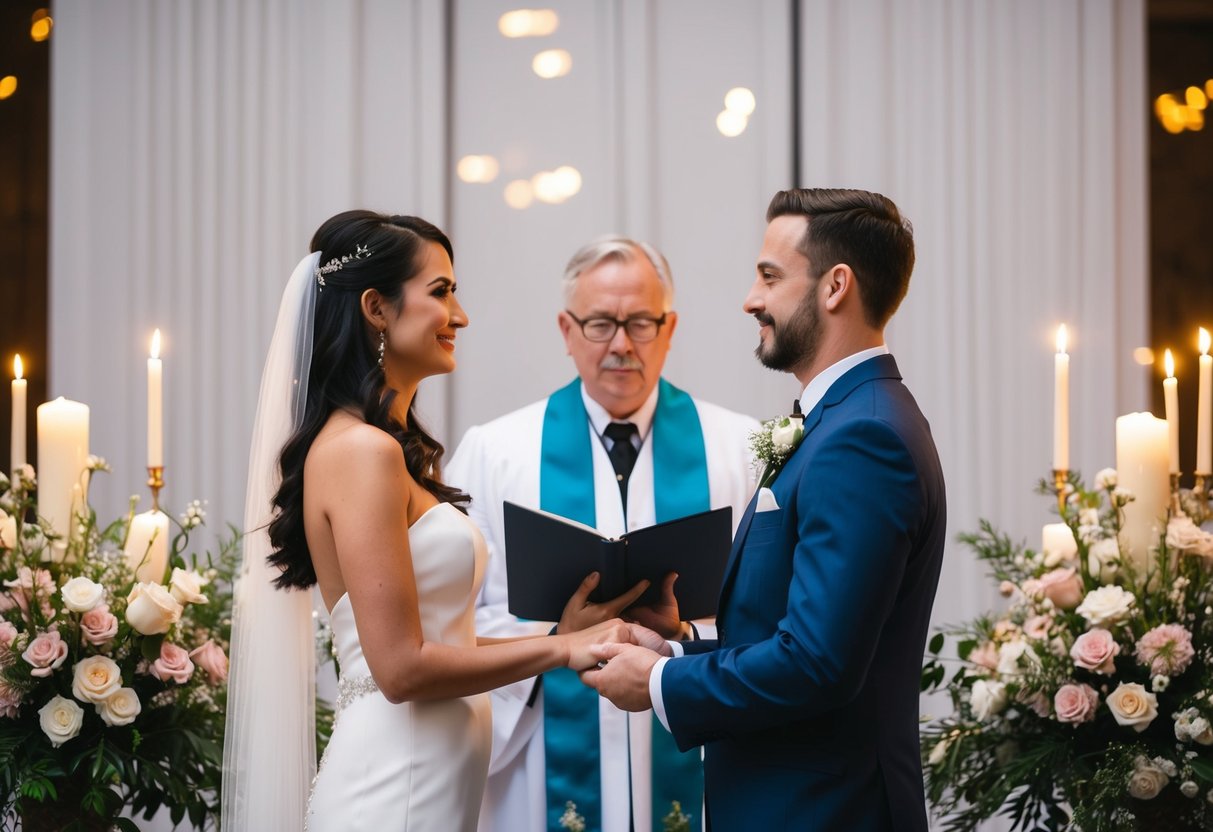
As you guide the ceremony, you can weave in meaningful stories or anecdotes about the couple. This adds a personal touch that makes the event memorable for everyone involved. Engaging the guests is important as well; consider including moments where they can celebrate or reflect on the couple’s commitment.
Ending the ceremony with heartwarming vows and the declaration of marriage seals the moment. This is where you officially recognize their love and commitment in front of family and friends. Offering some advice or a blessing for their journey ahead can leave a lasting impression on everyone present.
Preparing for the Ceremony
Preparing for the ceremony involves several key steps to ensure everything goes smoothly. From getting legally ordained to crafting a meaningful wedding ceremony script, each step is important. You also need to practice during the rehearsal to make everyone feel comfortable.
Getting Ordained and Understanding Legal Requirements
First, you need to get ordained. Many online organizations offer quick ordination services. Check your state’s laws to confirm that your ordination is recognized.
You should also understand the legal requirements for marriage in your state. Each state has different rules, such as how long the couple must obtain their marriage license before the ceremony.
Make sure you have the appropriate paperwork ready, and know what to do if issues arise.
Crafting the Ceremony Script
Once you’re ordained, it’s time to craft the wedding ceremony script. A good script includes several key elements. Start with a warm welcome to the guests.
Share a brief love story about the couple. This adds a personal touch and sets the mood. Include vows that the couple will say to each other. You can also incorporate readings or poems if they want.
Make sure the script reflects the couple’s personality and preferences, whether it’s religious or more secular.
Rehearsing the Ceremony
A ceremony rehearsal is essential to help everyone feel at ease. Schedule a time with the couple, and invite key participants. During the rehearsal, go through the script and practice key moments.
Make sure the couple knows where to stand and how to hold hands. As the officiant, give clear instructions, so everyone understands their role.
This practice reduces anxiety for everyone involved and helps ensure the actual ceremony runs smoothly.
Structure of the Wedding Ceremony
Understanding the structure of a wedding ceremony can help you prepare for your role as an officiant. Each part has its own significance and adds to the overall experience of the event.
The Processional and Invocation
The ceremony begins with the processional, where the wedding party walks down the aisle. This includes the bridesmaids, groomsmen, and of course, the bride. You can set the mood by choosing appropriate music that resonates with the couple’s style.
Once everyone is in place, you will deliver the invocation. This is a brief statement that welcomes the guests and creates a warm atmosphere. It often acknowledges the significance of marriage and the love shared between the couple. Keep it heartfelt, as this sets the tone for the entire ceremony.
The Opening Words and Declaration of Intent
Next, you will say your opening words. This part introduces the couple and expresses joy about the gathering. It’s important to share a little about the couple’s journey to this moment. You want everyone to feel connected to the love story you are sharing.
The declaration of intent follows. Here, you will ask the couple if they intend to marry one another. This usually involves simple questions like, “Do you, [Name], take [Name] to be your lawfully wedded spouse?” When they respond with “I do,” it marks a significant commitment in their journey together.
Exchange of Vows and Rings
After that, it’s time for the exchange of vows. In this part, the couple shares their promises with each other. You might encourage them to write their own vows or use traditional ones, depending on their preference. This is a deeply personal moment that showcases their love and commitment.
After the vows, the couple will exchange rings. You can guide them by explaining the significance of the rings as symbols of eternal love and fidelity. As they slip the rings on each other’s fingers, it symbolizes their vows and unity.
Pronouncement and Recessional
Finally, you will make the pronouncement of marriage. This is where you officially declare them married. A common phrase is, “By the power vested in me, I now pronounce you husband and wife.” This moment brings joy and excitement, marking the beginning of their life together.
Once pronounced, the couple leads the guests in the recessional. This is a festive exit where the newlyweds walk back down the aisle together. It’s a celebration, often accompanied by upbeat music and cheers from loved ones, marking the start of their special journey as a married couple.
Personalizing the Ceremony
Personalizing a wedding ceremony makes it meaningful for the couple and their guests. You can include personal stories, special unity ceremonies, and carefully selected readings and music to create a unique experience.
Incorporating Personal Stories
Sharing the couple’s love story adds a special touch to the ceremony. Begin with how they met or memorable moments in their journey together. This not only engages guests but also highlights the couple’s unique bond.
You can even invite the couple to share their favorite memories during the ceremony. If you’re acting as a vow writing coach, help them craft vows that reflect their personalities and love. Make sure to keep the tone light and engaging so everyone feels connected.
Unity Ceremonies and Cultural Traditions
Unity ceremonies symbolize the couple’s commitment and often involve a specific action or ritual. Common options include a sand ceremony, where the couple pours colored sand into a single container, blending their lives together.
Another option is lighting a unity candle, which represents the joining of two families. You might also want to explore cultural traditions, like a traditional wedding ceremony that incorporates rituals from their heritage. Consider what resonates most with the couple and their families.
Selecting Readings and Music
Choosing the right readings and music sets the mood for the ceremony. You can opt for religious readings or non-religious options, depending on the couple’s values. Poems or excerpts from their favorite books can be meaningful choices.
For music, select songs that hold significance for the couple. Whether it’s a modern wedding ceremony script or a traditional one, personal touches in readings and music will enhance the overall experience. Ensure everything aligns with the couple’s vision.
Conducting the Ceremony
Conducting a wedding ceremony involves guiding the couple and guests through significant moments. It’s essential to deliver heartfelt words and ensure everything flows smoothly, from the officiant speech to the closing remarks.
Guiding the Couple and Guests through the Ceremony
Begin by welcoming everyone warmly. This sets a positive tone. Introduce yourself clearly, and let the guests know what to expect during the ceremony.
Transition into the couple’s love story if it’s included. This personal touch connects everyone. Invite the couple to share their thoughts or feelings before they exchange vows.
As you move through the ceremony, keep an eye on the pacing. Aim for a duration that keeps guests engaged, typically 15-30 minutes. Announce key moments, such as the exchange of rings or vows, so everyone knows what to look forward to.
Delivering the Officiant Speech
Your officiant speech is a vital part of the ceremony. It should reflect the couple’s personalities and values.
Start with an introduction that sets the tone—be it casual, formal, or humorous. Share anecdotes that highlight the couple’s journey. This could include how they met or significant milestones in their relationship.
Discuss the importance of marriage and commitment. Incorporate traditional wedding vows if they choose to use them, or guide them through personalized vows. Encourage them to speak from the heart. This makes the moment memorable for everyone.
The Closing Words and Post-Ceremony Considerations
As the ceremony wraps up, your closing words are crucial. Thank the guests for attending and acknowledge the couple. A heartfelt message can make a lasting impression.
Finally, pronounce the couple married in a way that resonates with their style. This is typically followed by a kiss.
After the ceremony, remind guests about any post-ceremony activities, like a reception or photo session.
Make sure the couple knows what comes next, such as where to sign the marriage certificate. Clear communication keeps everything organized and joyful.