
What Documents Do I Need to Get Married in the UK? A Friendly Guide for Couples
Getting married in the UK is an exciting adventure, but it comes with some important steps to make sure everything goes smoothly. To get married, you need certain documents, including proof of identity and residency, such as a passport or a driver’s license, and a birth certificate. Understanding what you need can save you time and stress as you plan your special day.
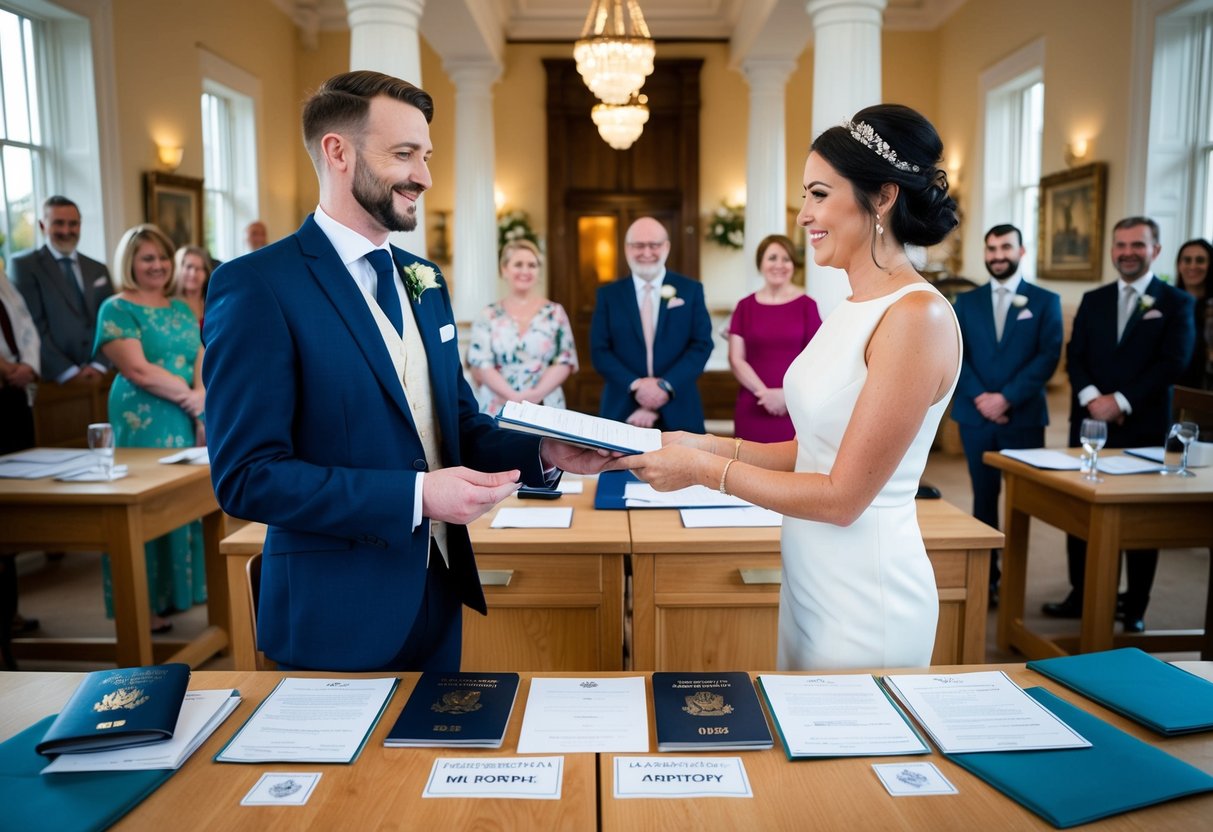
You may also have to provide documents that show you are free to marry, especially if you’ve been married before. Knowing these requirements ahead of time can help you prepare properly. This way, when the big day arrives, you can focus on celebrating your love rather than worrying about paperwork.
Whether you’re a resident or coming from abroad, it’s essential to check the specific rules in your area. From local registrars to approved venues, being aware of what’s needed helps ensure a successful marriage process.
Legal Requirements for Marriage in the UK
Getting married in the UK requires you to fulfill specific legal requirements. You will need to understand the difference between civil partnerships and marriages, the types of ceremonies available, and what documents you need for the notice of marriage.
Understanding Civil Partnership and Marriage
In the UK, a civil partnership offers similar legal rights to marriage. It was initially created for same-sex couples, but now opposite-sex couples can also enter civil partnerships.
Both marriages and civil partnerships require a formal agreement and registration with the local authorities.
You must consider your personal preferences and whether you want a civil or religious ceremony. Both options provide legal recognition, but the process and atmosphere may differ.
Types of Ceremonies Available
You can choose to have either a civil ceremony or a religious ceremony for your marriage. A civil ceremony takes place at a register office or an approved venue. There are no religious elements, and you will need a Registrar to officiate.
A religious ceremony can occur in a church, mosque, or temple, and it follows specific traditions of your faith. If you choose this option, it’s good to check with your religious leader about the requirements.
Regardless of the ceremony type, both require the same legal formalities.
Notice of Marriage and Civil Partnerships
To get married or form a civil partnership, you must give a notice of marriage at your local register office. This notice is a legal declaration and must be done at least 28 days before the ceremony.
When giving notice, you will need to provide essential documents, including proof of identity and address, and any documents related to previous marriages, if applicable.
You may also need to provide a marriage schedule if your ceremony is in a venue. It is important to check with your local authorities for any specific requirements that may apply to your situation.
Documentation Needed to Get Married in the UK
When preparing for your wedding in the UK, it’s essential to gather the right documents. You’ll need to provide identification, proof of any previous marriages ending, and evidence of your address and immigration status.
Essential Identification Documents
To get married, you must show valid identification. This could be a passport or driving license that proves your identity. It’s important that these documents are current and contain your photo.
Additionally, you may need to provide a birth certificate. If you are adopting a new name through a deed poll, bring that document too.
All documents should be in English or accompanied by an official translation. Don’t forget to check that your identification is ready to go several weeks before your big day!
Proof of Termination of Previous Marriages
If you have been married before, you need to provide proof that those marriages have ended. This could be a divorce decree absolute or a death certificate if your previous spouse has passed away.
If your marriage was annulled, you’ll need an annulment certificate. Collect these documents early, as they are crucial for completing your marriage notice.
You will have to present these documents at your local register office. The authorities require clear proof that any previous legal commitments are settled.
Proof of Address and Immigration Status
You must show where you live as part of the application process. This can include documents like a bank statement, a council tax bill, or a tenancy agreement. These documents should display your name and current address.
Furthermore, if you’re not a UK citizen, you need to confirm your immigration status. Bring your visa, or proof of your status under the EU Settlement Scheme—whether you have settled or pre-settled status. This information helps confirm your eligibility to marry.
Ensure all documents are recent and valid to avoid delays in your wedding plans!
Specific Requirements for Different Regions in the UK
When planning your marriage, it’s essential to know that each region in the UK has its own specific requirements and procedures. Here’s a closer look at what you need to do in England, Wales, Scotland, and Northern Ireland.
Getting Married in England and Wales
To get married in England and Wales, you must be at least 16 years old. If you are under 18, parental permission is required. You will need to give notice of your marriage at your local register office at least 28 days in advance.
Gather the necessary documents, such as:
- Proof of identity (passport or driving license)
- Proof of address (utility bill or bank statement)
- If either of you has been married before, you’ll need to provide the decree absolute.
Your ceremony can take place at a register office or a licensed venue. Ensure you have two witnesses present during the ceremony.
Marriage Procedures in Scotland
In Scotland, the legal age to marry is also 16, and no parental consent is required for those 16 or older. You need to submit a Marriage Notice to the local council at least 28 days ahead of your wedding date.
Here are the required documents:
- Both parties’ birth certificates
- Photo ID (passport or driving license)
- If applicable, a death certificate for a former spouse.
Weddings can be held anywhere, including outdoors, as long as a registered celebrant conducts the ceremony.
Northern Ireland Marriage Process
In Northern Ireland, you must be at least 16 to marry. If you’re under 18, you need parental consent. You’ll also need to provide notice at your local civil registry office at least 28 days before the wedding.
Be prepared with these documents:
- Valid photo identification (passport or driving license)
- Birth certificates
- A certificate of no impediment if you’re from overseas.
Understanding Immigration Rules and Marriage Visas
Getting married in the UK involves understanding some immigration rules. If you are not a British or Irish citizen, you may need a visa.
If you plan to marry, consider applying for a Marriage Visitor Visa. This is for those who want to get married or register a civil partnership in the UK and plan to leave after the ceremony.
Here are some important points about visas:
- Eligibility: You must be at least 18 years old and have plans to marry in the UK within six months.
- Documents: You’ll need to provide identification, proof of your relationship, and details about your stay.
If you’re already living in the UK on a visa that lasts more than six months, you must inform the Home Office about your marriage.
For those looking to stay longer after marriage, a Family Visa might be your option. This is for spouses of British citizens or settled residents.
Your immigration status will determine what visa you apply for. If you have indefinite leave to remain, you will not need a visa to marry. Those with settled status may also have different requirements under the EU Settlement Scheme.
Make sure to check all guidelines from the Home Office to ensure you follow the correct steps for your situation. Immigration authorities have specific rules that you must comply with.