
What Does a Bride Pay for Bridesmaids? Understanding Wedding Costs and Expectations
As a bride, you might be wondering about the financial responsibilities of your bridesmaids. Typically, bridesmaids are expected to cover their own costs, including dresses, shoes, and accessories. This can add up quickly, so it’s good to have an open conversation with your bridal party about what they can afford and what you’re willing to cover.
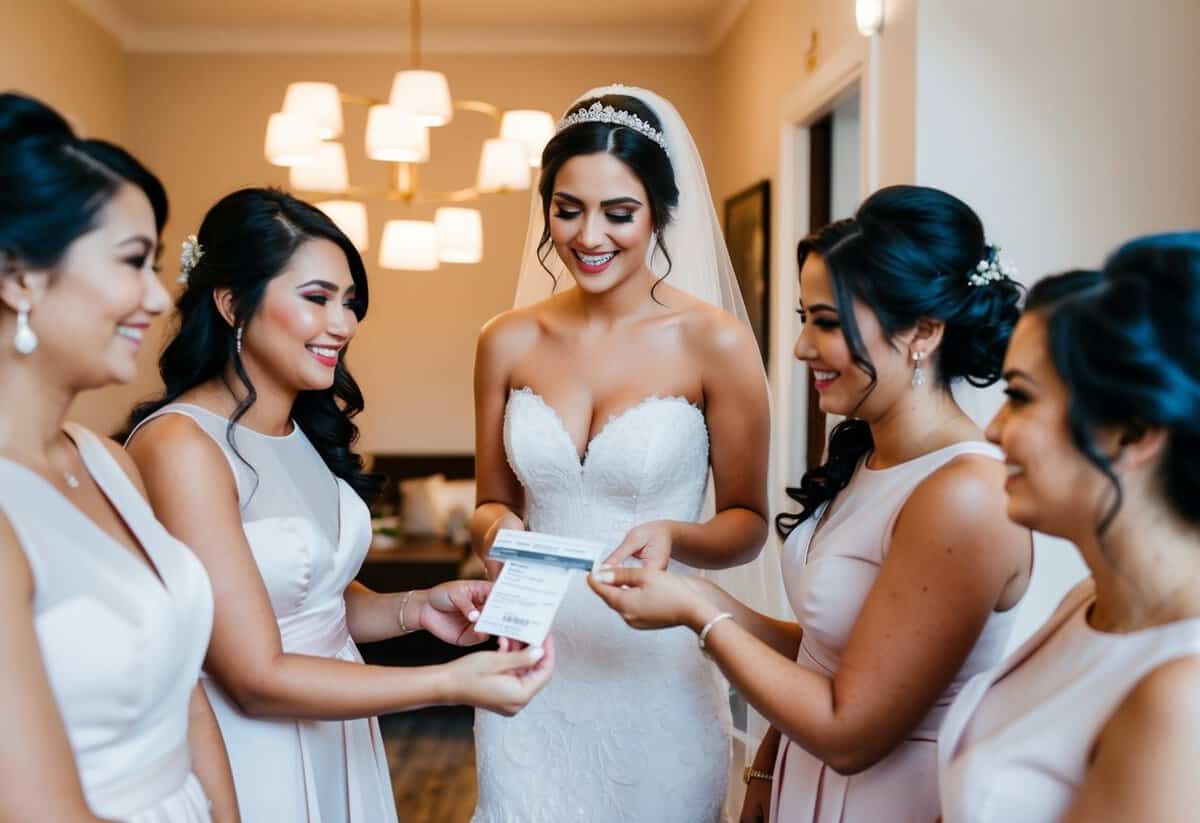
In addition to attire, there are other expenses that might come up, such as travel and accommodations for the wedding. Understanding these costs can help you plan better and support your friends as they take on their roles in your special day. By being clear about expectations, you can ensure everyone feels comfortable and excited to participate.
Let’s explore exactly what financial responsibilities you have and how you can support your bridesmaids while staying within your budget.
Bridesmaid Expenses Overview
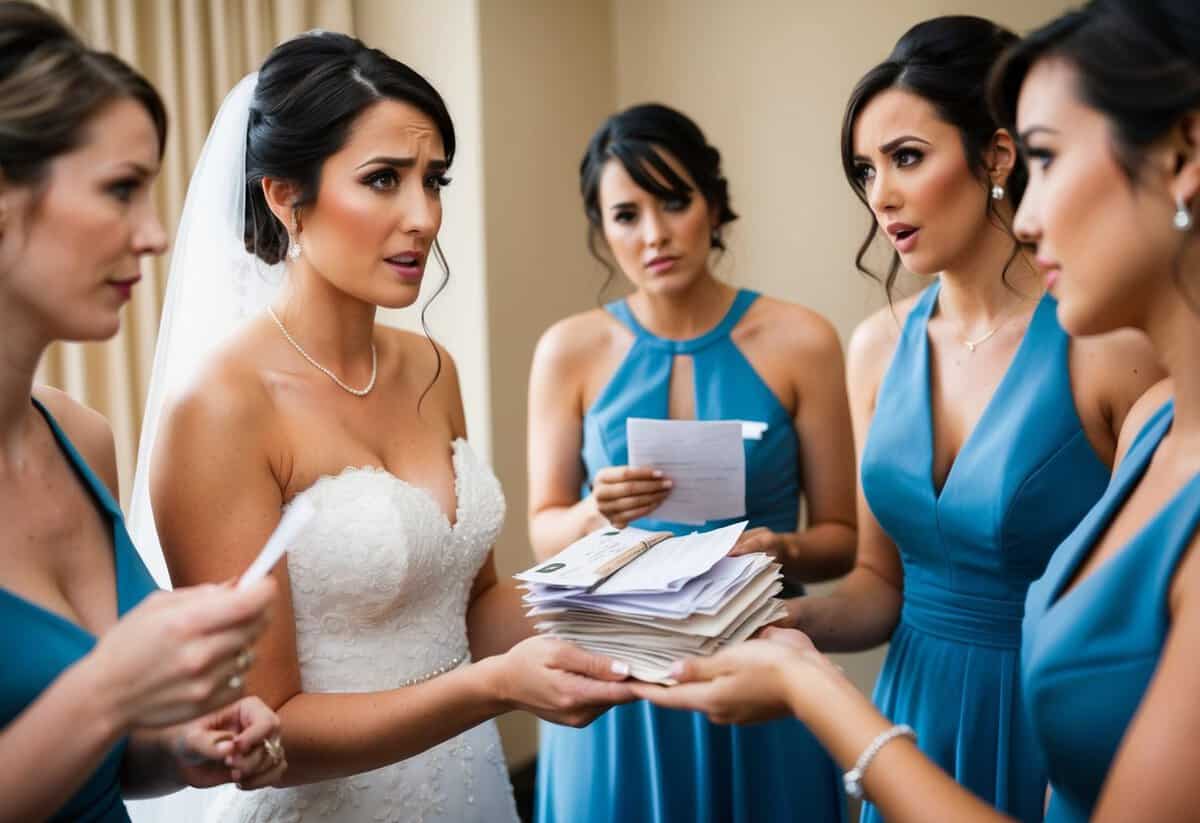
When you’re a bridesmaid, it’s important to know the costs involved. Understanding who pays for what will help you prepare financially for your role in the wedding and manage your budget effectively.
Understanding the Financial Commitment
Being a bridesmaid comes with various expenses that you should be ready for. Typically, bridesmaids pay for their own dresses, which can vary significantly in price based on style and designer.
Additional costs often include shoes, jewelry, and other accessories that complement the outfit.
Travel expenses can also add up, especially if the wedding is out of town. You might need to budget for hotel stays and transportation. It’s smart to communicate with the bride about expected costs to avoid surprises and help you manage your financial commitment better.
Traditional Costs Bridesmaids Cover
Bridesmaids usually cover several key expenses traditionally associated with their role. This often includes:
- Bridesmaid Dress: You typically pay for your own dress, which the bride may help choose.
- Accessories: Items like shoes, jewelry, and other accessories to complete your look.
- Travel Costs: Expenses for getting to the wedding and any related events.
- Gifts: You might also budget for a gift for the bride as part of your responsibility.
It can be helpful to discuss these costs with the bride and other bridesmaids to ensure everyone is on the same page during wedding planning. Knowing what to expect can make your experience more enjoyable!
Attire and Beauty Services
When planning for your bridesmaids, managing attire and beauty services can be a big part of the budget. You want your wedding party to look great without breaking the bank. Here’s what you need to consider.
Bridesmaid Dresses and Alterations
Typically, bridesmaids are expected to cover the cost of their own dresses. This includes not only the dress but also any necessary alterations to ensure the perfect fit.
Prices for bridesmaid dresses can vary widely, so it’s important to discuss a reasonable budget early on.
When selecting dresses, keep in mind that styles can differ greatly. You may want your bridesmaids to wear the same color but allow for different styles to suit their preferences. This flexibility can make them feel more comfortable and confident on your big day.
Hair and Makeup Expectations
The question of who pays for the hair and makeup can be tricky. Many brides choose to cover these professional beauty services as a thoughtful gesture. This allows you to ensure a cohesive look for your bridal party.
However, depending on your budget, it might be necessary for bridesmaids to pitch in or pay for their own services.
Be clear about your expectations early on to avoid any confusion. If you’re providing hair and makeup, consider scheduling a trial session to keep everything smooth on the wedding day.
Additional Accessories
In addition to dresses and beauty services, bridesmaids often need accessories to complete their looks. This can include items like jewelry, clutches, or even shoes.
While you might choose to provide some of these, bridesmaids generally account for the cost of their own accessories. It’s a good idea to discuss any specific requirements you may have so they can budget accordingly. The right accessories can truly enhance the overall look, making your wedding photos stunning.
Pre-Wedding Events and Gifts
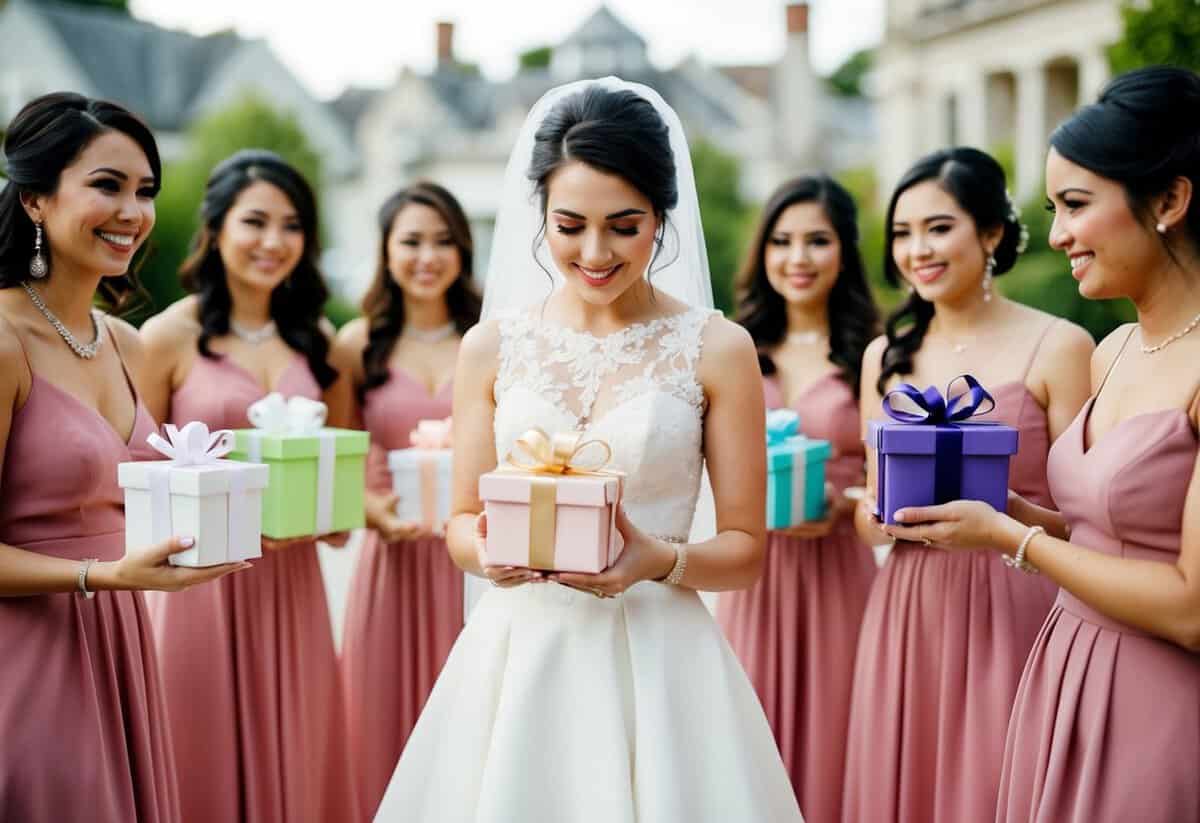
When planning for pre-wedding events, it’s important to know who covers what costs. You usually have your bachelorette party, bridal shower, and wedding gifts as key areas to discuss. Each of these comes with its own expectations and etiquette.
Bachelorette Party Contributions
Typically, the bridesmaids help cover the costs of the bachelorette party. This can include the venue, food, drinks, and activities. If the party is a destination bachelorette, it’s essential to budget for travel and accommodations too.
Each bridesmaid may chip in evenly for these expenses. Make sure to discuss costs and agree on how much each person will pay. It’s important for everyone to feel comfortable with their share. This event is about celebrating you, so it’s great when everyone contributes to create a fun atmosphere.
Bridal Shower Responsibilities
The bridal shower is often a time for the bridesmaids to shine in their roles. Traditionally, you might host or co-host this gathering. If you’re hosting, you’ll typically cover food, drinks, and decorations.
Invitations and planning games or activities also fall under your responsibilities. If you’re not hosting, you might contribute by bringing a dish or gift.
It’s a good idea to discuss the plans with other bridesmaids early on to avoid any confusion. Remember, this is a warm gathering to celebrate your upcoming wedding.
The Wedding Gift Etiquette
When it comes to gifts, you’re expected to give something special to the bride. The amount you spend can vary, but aim for something that reflects your friendship and support. Many choose to pool money with others in the bridal party to buy one big gift.
Additionally, gifting at the bridal shower is also a common practice. Make sure the gifts align with the couple’s registry preferences if they have one. This can help ensure your gift is something they truly want. Thoughtful gestures are always appreciated, regardless of the price.
Travel and Accommodations
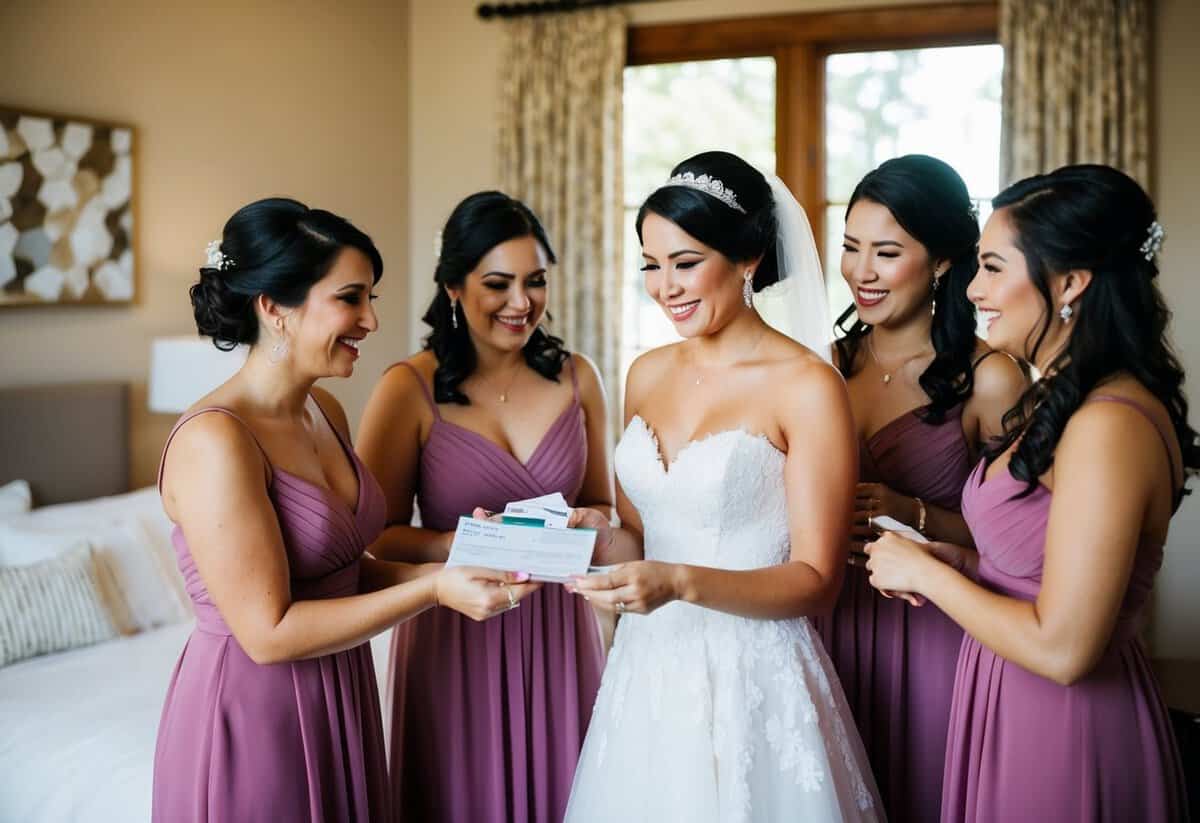
When it comes to travel and accommodations, it’s important to know the expectations for bridesmaids. You’ll often find that who pays for what varies, especially based on the wedding’s location.
Local vs. Destination Weddings
For local weddings, bridesmaids usually cover their own travel and lodging costs. This often means simply driving to the venue and finding a place to stay if needed. Local weddings can keep expenses lower, allowing you to focus on fun and enjoyment rather than financial stress.
In contrast, destination weddings can present more challenges. If you’re traveling out of town, your expenses may include flights, hotels, and transportation to venues.
It’s vital to communicate with the bride about what she can support. Often, brides will help by reserving a block of discounted rooms for the bridal party. This can make lodging options more affordable while keeping everyone close together for pre-wedding events.
Sharing Costs with Other Bridesmaids
Collaborating with other bridesmaids can help ease some costs. You can share accommodations, like booking a larger rental home or splitting hotel rooms. This creates a fun group atmosphere and reduces financial strain.
Discussing travel plans with your fellow bridesmaids early on is key. Pooling resources can lead to better deals on transportation options, such as group van rentals.
You should also coordinate schedules to streamline day-of transportation to the wedding and reception venues. Planning together makes everything simpler and allows more time for enjoyment.