
What Does a Celebrant Say at a Wedding in the UK? A Guide to Meaningful Ceremonies
As you plan your big day, you might wonder about the role of a wedding celebrant in the UK. A celebrant typically guides the ceremony with personalized vows, readings, and rituals that reflect your unique story as a couple. This creative approach allows for a more tailored experience, making the ceremony feel authentic and special.
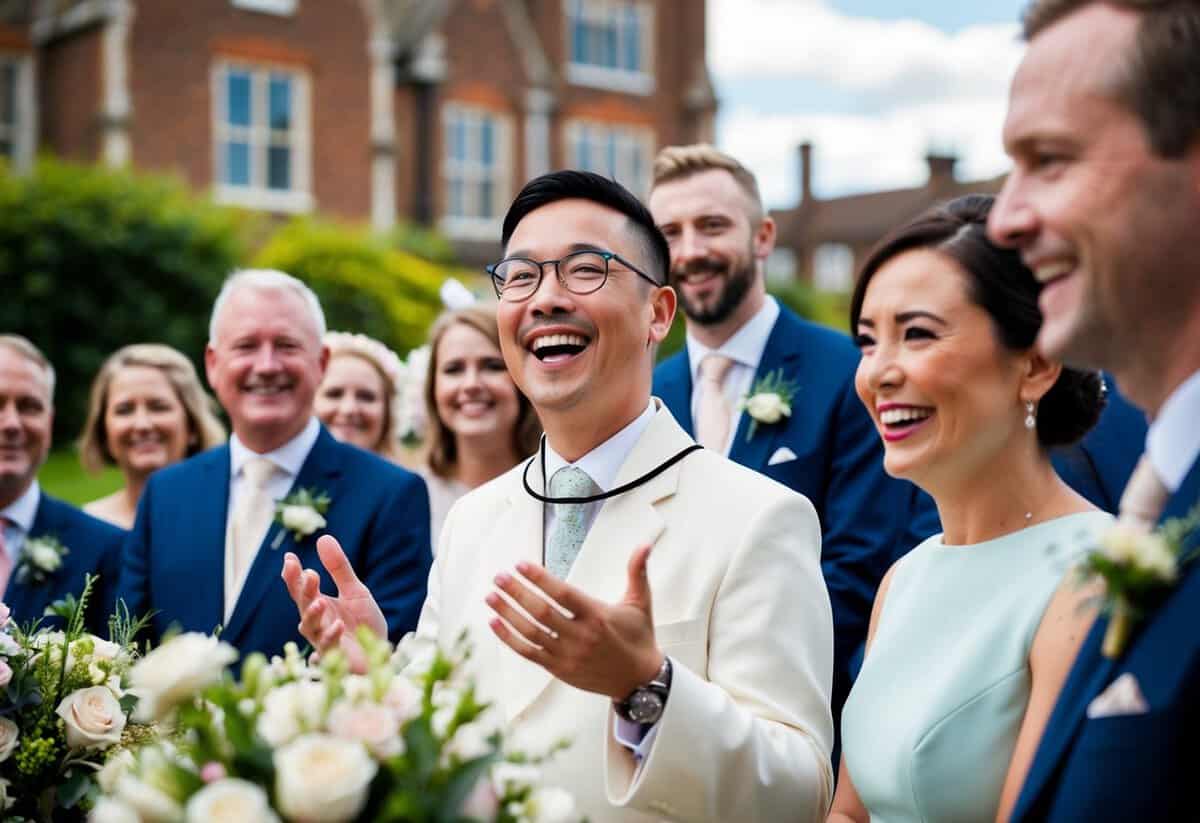
During your celebrant-led ceremony, expect heartfelt moments that may include sharing the love story, mentioning the significance of the chosen venue, and incorporating meaningful symbols or traditions. Your celebrant works closely with you to ensure every element resonates with you and your guests, creating a memorable atmosphere.
Whether it’s a simple gathering or an elaborate affair, a wedding celebrant plays a vital role in bringing your vision to life. Embracing your ideas and values, they craft a ceremony that truly celebrates your bond.
Roles and Responsibilities of a Celebrant
A celebrant plays a vital role in guiding your wedding ceremony. They ensure that the event flows smoothly while making it personal and memorable. Here’s what you can expect from them in three key areas.
Leading the Ceremony
Your celebrant will be the person who leads the ceremony. This includes welcoming everyone and introducing the event. They will help set the tone, whether it’s light-hearted or sentimental.
They speak clearly and confidently to engage your guests. They also facilitate important moments like the exchange of vows and rings. An independent celebrant or humanist celebrant will focus on your story, making the ceremony uniquely yours.
Throughout the ceremony, they direct the actions, ensuring that everything happens in the right order. With their experience, they can help manage unexpected situations, keeping everything on track.
Customizing the Ceremony
A major advantage of hiring a celebrant is their ability to customize your ceremony. They work with you to create a script that reflects your personalities and values. This personalization makes the ceremony special and meaningful.
You can include various elements, like readings, rituals, or music that resonate with you. Your celebrant will offer guidance and suggestions, but the final decisions are always yours.
By incorporating your unique touches, they help weave your love story into the ceremony. This not only makes the day more special but also ensures it feels like a true reflection of you as a couple.
Handling Legal Paperwork
In the UK, celebrants typically do not handle legal marriage registration. However, they guide you through the necessary steps to make your wedding legally binding. This usually involves attending a civil ceremony at a registry office before or after your celebrant-led ceremony.
Your celebrant may remind you about important dates and documents needed for the legal process. They can help ensure that you understand what to prepare for the official signing of the marriage license.
Although they aren’t responsible for the paperwork, a good celebrant is knowledgeable and can support you in navigating these requirements. This allows you to focus on the joy of your special day.
Elements of a Celebrant-Led Wedding
A celebrant-led wedding offers a wide range of options to create a unique and memorable ceremony. You can blend traditional elements with new ideas, making the day meaningful and personal.
Traditional and Non-Traditional Components
In a celebrant-led wedding, you can include a mix of traditional and non-traditional components. Common elements like the exchange of rings remain. This moment symbolizes your commitment and love.
You can also incorporate rituals like handfasting, where your hands are tied together, representing unity. This age-old tradition adds a special touch to your ceremony.
Additionally, consider a unity sand ceremony. In this act, you and your partner pour different colored sands into a single container, blending them together. It represents your families coming together, making it both beautiful and symbolic.
Personalizing the Vows
Your vows are the heart of the ceremony and should reflect your unique love story. You have the freedom to write personal vows that express your feelings, promises, and hopes for the future.
It’s important to be authentic and speak from the heart. You can share specific moments or experiences that define your relationship.
A celebrant can help you with a wedding ceremony script that includes personalized vows and other elements you want to emphasize. This way, your words will resonate deeply with you and your guests.
Incorporating Symbolic Acts
Incorporating symbolic acts into your ceremony adds depth and meaning. These are actions that represent important aspects of your relationship.
Choose acts that reflect both your personalities or shared interests. For instance, consider a handfasting ceremony, which symbolizes the binding of your lives.
Another popular option is the unity sand ceremony, where you blend sands, showing your joined life. No matter which symbolic act you choose, ensure it resonates with you both, making your ceremony special.
Planning with Your Celebrant
Working closely with your celebrant is key to creating a memorable wedding ceremony. They help bring your vision to life by considering your unique love story and cultural background. Let’s explore how to plan effectively with your celebrant.
Choosing the Right Celebrant
Finding the right celebrant for your ceremony is crucial. Look for someone who resonates with your style and understands what you want. Check their experience in the wedding industry and seek testimonials from other couples.
Make a shortlist of celebrants who specialize in bespoke ceremonies. This ensures they can tailor the service to reflect your love story and any cultural elements you wish to include. Don’t hesitate to ask about their approach and how they handle different ceremonies.
The Pre-Wedding Meetings
Pre-wedding meetings with your celebrant help set the tone for your ceremony. These meetings give you a chance to discuss your expectations and specific details. Share your ideas about vows, readings, and any personal touches you want to include.
During these discussions, your celebrant will gather information about your relationship and any significant moments you’d like to feature. This information helps them craft a script that truly reflects your personalities and journey together. Make sure to communicate openly about your vision throughout the planning.
Collaborating with Suppliers
Your celebrant can also assist you in collaborating with other wedding suppliers. They often have connections with photographers, florists, and venues. A good celebrant can recommend trusted local suppliers who align with your vision.
Involving your celebrant in supplier discussions can ensure the ceremony flows smoothly. They can coordinate timing and logistics with the vendors, reducing stress on your big day. It’s essential to have everyone on the same page to create a flawless experience for you and your guests.
Legal Considerations
Planning a celebrant-led wedding in the UK involves some important legal steps. Understanding these will help ensure your big day goes smoothly and is recognized by law.
Understanding the Legal Framework
In the UK, a celebrant-led ceremony is not legally binding by itself. You must complete legal paperwork separately. This usually happens at a registry office, where you sign the official documents. A civil ceremony is required for the marriage to be recognized legally. It is essential to know this so you can plan how to make your celebration meaningful while also fulfilling legal requirements.
Signing the Official Documents
To legally marry, you need to sign specific documents. This usually involves visiting your local registry office before or after your celebrant ceremony. You will need to provide identification and possibly proof of residency. The signing includes completing a marriage schedule, which is then used in the ceremony. After the celebrant-led event, remember to return this signed document to the registry office to make your marriage official.
Difference Between Celebrants and Registrars
The roles of celebrants and registrars differ significantly. A celebrant creates a personalized ceremony based on your wishes, which can include unique readings, music, and rituals. However, they cannot perform the legal signing of the register, which is the role of a registrar.
Registrars follow a legal format to ensure the marriage is recognized, while celebrants focus on your story and values, making your ceremony special. Understanding these differences will help you plan a celebration that reflects your love and meets all legal requirements.