
What Does Being Ordained Mean? Understanding the Journey to Spiritual Leadership
Being ordained is a significant step for anyone looking to serve in a religious capacity. When someone is ordained, they officially gain ministerial authority. A church or religious organization recognizes them to carry out specific duties, such as performing weddings, baptisms, or preaching. This process often includes a ceremony where the individual is blessed and set apart for their role.

You might wonder what it takes to become ordained. Different faith traditions have their own guidelines, but it generally involves meeting certain educational requirements and receiving approval from a governing body. Once ordained, a minister gains respect and credibility within their community, allowing them to guide and support others in their spiritual journeys.
Understanding the meaning of being ordained can help clarify its importance within the church. Whether you’re considering this path yourself or simply curious about what ordination entails, knowing how it connects to authority and community can enhance your appreciation for this meaningful commitment.
Historical Context of Ordination
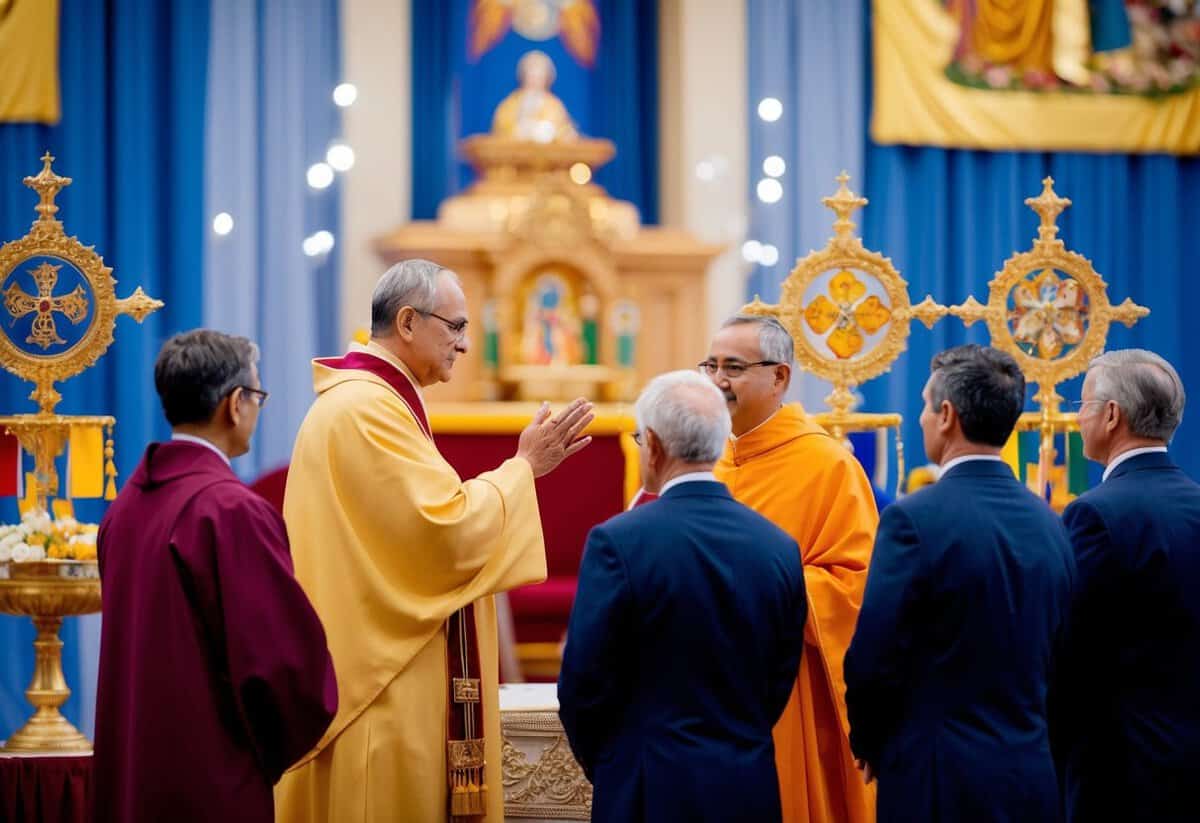
Understanding the historical context of ordination helps you see its significance in religious practices. This includes the origins of the concept in various faiths and its specific development in Christianity.
Origins of the Concept in Religion
The idea of ordination has roots in ancient religious practices. Early religions often designated special individuals for roles in rituals and worship. These individuals were set apart from the lay community, showcasing their unique responsibilities.
In many cultures, this separation was marked by the laying on of hands. This practice symbolizes transferring authority and spiritual power. In the Old Testament, prophets were often set apart for their duties, and similar concepts appeared in other faiths.
The term “ordination” comes from the Latin word “ordinare,” meaning to set in order. As religions evolved, so did the understanding of who could be ordained and how this process could take shape.
Ordination in Christianity
In Christianity, ordination has a rich history rooted in the New Testament. Jesus Christ laid the groundwork by choosing the apostles. He empowered them to preach the Gospel and serve others, directly linking ordination to spiritual authority.
The Bible highlights the laying on of hands as a crucial part of ordination. This practice is evident in the appointment of deacons in Acts 6:1-6, affirming their roles in the early church.
As Christianity spread, ordination became formalized into what is now referred to as “holy orders.” This process emphasizes the priesthood’s importance and the continuity of leadership in the church. Today, ordination remains a vital part of Christian communities, signifying the commitment to serve God and his people.
The Process and Requirements of Becoming Ordained
Getting ordained is a significant step in your spiritual journey. It involves educational and ceremonial steps to prepare you for leadership and service in your community. Your commitment and calling will guide you through this process.
Educational and Spiritual Preparation
To become ordained, a strong educational foundation is vital. Many choose to pursue a Master of Divinity (M.Div.) or similar degrees at a seminary. This training helps you dive deep into theology and prepares you for the responsibilities ahead.
Alongside formal education, spiritual preparation plays a crucial role. Engaging in self-reflection and seeking spiritual guidance can clarify your calling. You might also participate in mentorship programs, learning from experienced leaders in your faith community.
Commitment to your faith and the teachings of your denomination is essential. This preparation not only equips you with knowledge but also shapes your character and understanding of your duties.
Ceremonial Steps and Consecration
Once you have completed your education and spiritual preparation, you’ll move into the ceremonial aspects of ordination. This usually involves a formal ceremony where elders or leaders in your community affirm your call to ministry.
During the ceremony, you may be asked to take vows or commit to serving your denomination. This step often includes a laying on of hands, symbolizing the transfer of authority and spiritual blessing.
The consecration process is significant. You’ll likely receive a certificate and an acknowledgment of your new role, which grants you the authority to perform ceremonies such as baptisms and weddings. Through this, your community will recognize your commitment to your faith and responsibilities as an ordained minister.
Roles and Responsibilities of Ordained Individuals
Being ordained comes with important roles and responsibilities that help shape the community and support spiritual growth. These duties range from clerical functions within the church to leadership roles that guide and inspire others.
Clerical Duties Within the Church
As an ordained minister, you have essential clerical duties that enable the church to function effectively. One of your main tasks is to conduct services, which may include preaching, leading worship, and performing sacraments like baptism and communion.
You might also be responsible for administering religious rites, such as weddings and funerals. These ceremonies mark significant life events and provide comfort to those in your congregation. In addition, you often provide counseling and support to individuals and families as they navigate their spiritual journeys.
Your role involves maintaining church records and ensuring that the community stays connected through outreach programs. Being organized and communicative will help you fulfill these responsibilities effectively.
Community and Spiritual Leadership
In your role, you serve as a spiritual leader. You guide the community in understanding their faith. You help others recognize their spiritual gifts. You also encourage them to use these gifts for the betterment of the body of Christ.
You may also be involved in community service initiatives. This will help foster a sense of mission within your congregation. By encouraging volunteer efforts and participation in outreach, you help create a supportive and loving environment in line with spiritual service.
Building relationships within the community is crucial. You need to be approachable and willing to mentor others as they grow in their faith. This leadership fosters a sense of belonging and strengthens the connection among members of the church.