
What Does Bride vs Groom Family Pay For? A Clear Guide to Wedding Costs
Planning a wedding can be exciting, yet figuring out who pays for what can feel overwhelming. Traditionally, the bride’s family covers most of the wedding expenses, while the groom’s family often pays for specific items like personal flowers and sometimes the rehearsal dinner. Understanding these traditional roles can help you navigate the financial expectations of your families.

In modern weddings, these customs are changing. Many couples now choose to split costs in ways that suit their unique situations. This includes parents contributing based on their ability or desires, and couples stepping in to cover expenses themselves. No matter your approach, knowing the general guidelines can simplify your wedding planning.
You can feel confident as you discuss financial contributions with both families. Being clear about who pays for what encourages open communication and ensures everyone is on the same page. This knowledge can also help you build a budget that reflects your vision while respecting family traditions.
Understanding Wedding Budget Allocation

Planning a wedding involves many financial responsibilities that can vary greatly between the bride’s family and the groom’s family. Knowing who pays for what can help streamline the budget and set clear expectations.
The Bride’s Family Contributions
Traditionally, the bride’s family covers a significant portion of the wedding expenses. This often includes the wedding dress, bridal bouquet, hair and makeup, and the wedding reception. You can expect key expenses like the reception venue and catering to fall under their responsibilities.
On average, the bride’s family might spend around 40-50% of the total wedding budget. This also includes costs for wedding flowers and photography or videography services to capture the big day. Remember, these commitments can add up quickly, so discussing these factors with your partner is essential.
The Groom’s Family Responsibilities
While the bride’s family handles many major costs, the groom’s family also has traditional contributions. They typically pay for the rehearsal dinner, which can be a great way to gather close friends and family before the wedding day.
In addition, the groom’s family often covers costs for the groom’s attire, including the suit and shoes. They may also contribute to gifts for the groomsmen and other smaller expenses. Over the years, this allocation has adjusted, but knowing the standard responsibilities can help you with budget planning.
Shared Financial Considerations
It’s important to note that many couples today choose to share expenses more equally. This can include splitting costs for the wedding band, transportation, and even shared decorations.
A growing trend is for couples to take a hands-on approach to their wedding budget. This collaboration helps you both feel more involved in the planning process. If you decide to fund certain elements together, it can lessen the financial burden on either family. Having open discussions about each part of the budget promotes teamwork and understanding as you prepare for your big day.
Pre-Wedding and Ceremony Expenses
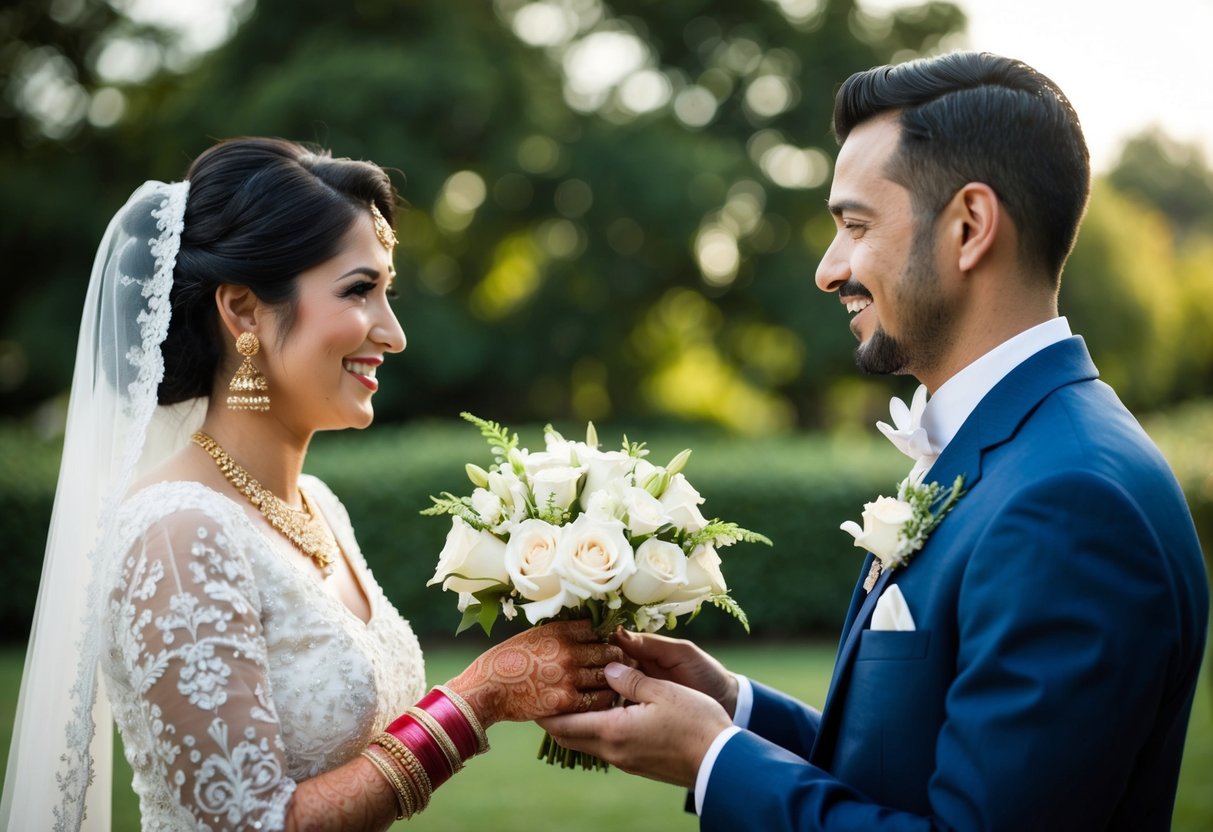
Before the big day, several expenses arise for both families. These costs can include celebratory events, legal requirements, and costs associated with the ceremony itself. Understanding who typically pays for what can help ease financial stress.
Initial Celebrations and Legalities
Your engagement is a special time that sometimes includes pre-wedding parties like engagement parties and bridal showers. The bride’s family often covers these costs. They also pay for wedding invitations and can help with personal flowers like boutonnieres or bouquets.
When it comes to legalities, you will need a marriage license, which is usually paid for by the couple. If you hire a wedding planner, that can ease some stress but will also add to your costs. In many cases, the groom’s family may assist with the wedding rings, specifically the bride’s engagement ring.
The Ceremony Itself
On the day of the wedding, different expenses come into play. Typically, the bride and her family are responsible for the wedding ceremony costs, including venue rental and decorations. If you want floral arrangements for the ceremony, these will also fall under their expenses.
The groom’s side usually covers the officiant’s fee, ensuring that everything runs smoothly. While you’re planning, don’t forget about the attire. The bride’s family often contributes to the bride’s wedding dress, while the groom handles his wedding attire. This division allows both families to contribute to making the day special.
Post-Wedding Events and Responsibilities

After the wedding day, there are additional events and responsibilities that help celebrate your new life together. These activities often involve both families and can contribute to lasting memories.
Celebratory Events
You may have various celebratory events following your wedding. The post-wedding brunch is popular, allowing family and friends to gather after the festivities. This is often hosted by the bride’s family.
Another event could be the welcome party for guests, especially if many traveled for your big day. This typically involves light refreshments and sometimes music.
Consider the bachelorette party and bridal shower, which might have been hosted by friends or family before your wedding day. These gatherings provide a chance for everyone to enjoy laughter and connection.
Additionally, don’t forget about the wedding cake and leftover reception alcohol. You and your families might coordinate how to share these with guests, which can be a fun way to relive the celebration.
Concluding the Wedding Festivities
As you wrap up the wedding experience, prioritize sending thank-you notes for gifts received. It’s a thoughtful gesture that both families usually support.
You may also want to manage the wedding photography and videography packages. Arranging for the photographer to provide your images and highlight reels is often a combined effort between families.
Finally, consider plans for the honeymoon. While typically the couple’s responsibility, some families may contribute. This trip is a crucial time for just the two of you to celebrate your new life together.