
What Does Event Management Include? A Comprehensive Guide to Key Elements
Event management focuses on creating memorable guest experiences through careful planning and coordination. It includes everything from setting clear goals to organizing logistics, managing budgets, and choosing the right venue. Successful events, whether large conferences or intimate parties, rely on detailed planning and effective teamwork.

When you dive into event management, you’ll find that every aspect plays a vital role in ensuring your event runs smoothly. From coordinating with vendors to arranging entertainment, every detail counts. Your ability to manage these elements can turn an ordinary gathering into an unforgettable occasion that leaves a lasting impression on your attendees.
Understanding what event management includes can empower you to create better experiences. You will learn the skills needed to organize and oversee all parts of an event, making it not just successful, but also enjoyable for everyone involved.
Understanding Event Management
Event management involves a variety of tasks that contribute to the success of different types of events. This includes planning, coordination, and execution. Your role as an event manager is crucial in delivering memorable experiences for your attendees.
Key Responsibilities of Event Managers
As an event manager, your responsibilities are diverse and often demanding. You need to handle planning and logistics, ensuring everything runs smoothly from start to finish. This involves creating timelines, coordinating venues, and managing vendors.
Effective communication is key here. You must collaborate with teams, stakeholders, and clients to ensure everyone is on the same page. Additionally, risk management is vital. Identifying potential issues beforehand can save you from unexpected challenges.
Finally, creativity plays a significant role in your work. You need to develop engaging themes and concepts that resonate with your audience. Your ability to balance these responsibilities is what leads to successful events.
Types of Events Covered
Event management includes a wide range of gatherings. Some of the most common types are corporate events, weddings, trade shows, and social events.
Corporate events serve business purposes, like conferences, training seminars, or product launches. These require a level of professionalism along with creativity to engage attendees.
Weddings are personal and emotional, so careful attention to detail is essential. You must understand client preferences and involve them in the planning process.
Trade shows focus on promoting products and services, requiring strong organizational skills to manage booths and networking opportunities. Your role is vital in creating an enjoyable experience for both exhibitors and attendees.
Importance of Planning and Conceptualization
Planning and conceptualization form the backbone of successful event management. A well-thought-out plan sets clear objectives and helps you stay organized.
You need to define the concept early on, whether it’s a community event or a large-scale conference. This influences every decision you make, from the venue selection to vendor contracts.
A detailed timeline allows you to track progress and deadlines effectively. It can prevent last-minute chaos, ensuring every aspect is covered without overlooking critical details.
Risk management is equally important. You must anticipate potential problems and have contingency plans in place. This preparation sets the stage for a seamless event, allowing you to focus on creating memorable experiences for your guests.
Strategic Event Planning and Execution
In strategic event planning and execution, careful attention to budgeting, venue logistics, marketing, and technology is essential for success. These elements help you create effective and memorable events that meet your goals.
Budgeting and Financial Control
Budgeting is critical in event management. Start by defining your total budget based on funding sources and expected costs. Create categories for expenses like venue, catering, and marketing. This helps you allocate funds wisely and ensures you stay within limits.
Monitoring spending throughout the planning process is key. Use event management software to track expenses in real time. Consider setting aside a contingency fund for unexpected costs. This gives you flexibility and control over your budget.
Determining the return on investment (ROI) is also vital. Collect data on attendance, engagement, and expenses to assess your event’s financial effectiveness. This can guide future budgeting efforts.
Venue Selection and Logistics
Choosing the right venue can make or break your event. Start by identifying your event’s purpose and capacity needs. Think about location, accessibility, and facilities to ensure it aligns with your goals.
Logistics involve everything from catering to seating arrangements. Create a checklist to keep track of tasks. Coordinate with vendors for catering, audiovisual needs, and decoration to ensure everything runs smoothly.
Don’t forget about the flow of the event. Plan how attendees will move through the space to maximize engagement and comfort. Proper venue selection and logistics create a welcoming environment, which boosts the overall experience.
Event Marketing for Maximum Impact
To attract attendees and build brand awareness, develop a strategic marketing plan. Utilize email marketing for direct communication with potential participants. Craft engaging content that highlights event benefits and encourages registration.
Leverage social media campaigns to reach a larger audience. Create shareable content and use relevant hashtags to increase visibility. Engaging visuals and interactive posts can generate buzz.
Consider public relations efforts to enhance your event’s image. Write press releases about key speakers or unique features. This can attract media attention and boost attendance, leading to a more successful event.
Innovative Technology in Events
Incorporating cutting-edge technology can enhance your event’s effectiveness. Explore event management software to streamline planning and execution. These tools help with scheduling, registration, and communication.
Using mobile event apps can improve attendee engagement. Provide schedules, maps, and real-time updates at their fingertips. This simplifies navigation and keeps attendees informed.
Consider hybrid and virtual events to reach a broader audience. They allow remote participation and can capture a larger ROI. Embracing innovative technology keeps your events relevant and engaging in today’s dynamic landscape.
Enhancing the Attendee Experience
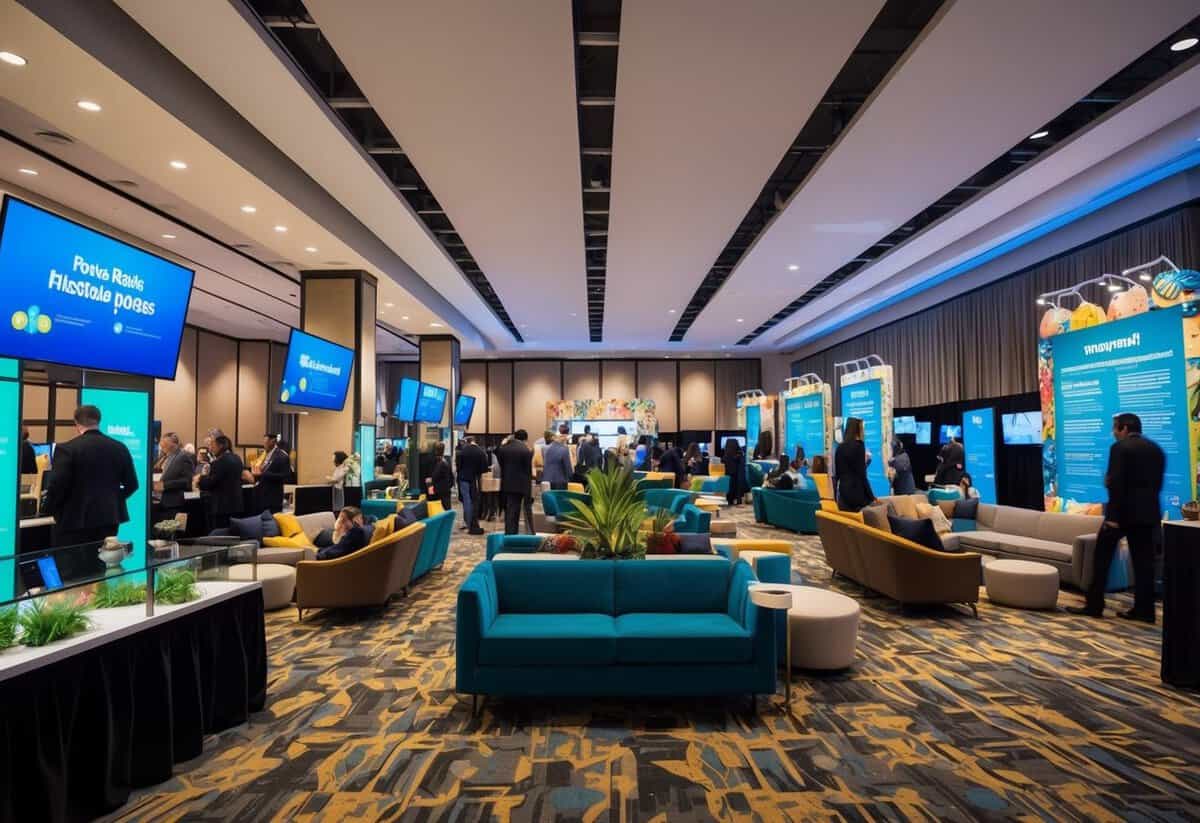
Creating a great experience for attendees is crucial for any event. You want them to feel engaged, connected, and satisfied. Here are some ways to enhance that experience through various strategies and approaches.
Engagement and Networking Opportunities
Attendees love to connect with others who share similar interests. To foster this, consider offering networking sessions where participants can meet and chat. You might set up designated areas with comfortable seating and refreshments to encourage mingling.
Interactive sessions can also be a hit. Think about panel discussions or breakout groups that allow for questions and comments. This format boosts attendee engagement. Effective use of event apps can help by sharing profiles and facilitating conversations, making it easier for attendees to network and follow up later.
Personalized and Immersive Experiences
You can make your event memorable by providing personalized experiences. Consider sending tailored agendas based on attendee interests. This helps them navigate the event in a way that feels relevant to them.
In addition, immersive experiences can be unforgettable. Use technology like virtual reality or live polls during sessions to keep the audience involved. Creating interactive displays or hands-on workshops also encourages participation. These elements increase brand visibility and community engagement while ensuring attendees feel valued and involved.
Maximizing Event Accessibility
Making events accessible is vital for a positive attendee experience. Ensure that your venue is easy to navigate for all, including those with disabilities. This can include ramps, designated seating, and clear signage.
You should also provide different ticket options to accommodate various budgets. Offering virtual access for those who can’t attend in person expands your reach, allowing more people to be part of the experience. This approach not only maximizes attendance but also enhances lead generation, as more individuals can connect to your brand.
Evaluation and Growth
After an event, it’s crucial to assess what went well and what can improve. This helps you enhance future events and ensures you meet your goals. Let’s explore some important areas for evaluation.
Post-Event Analysis and Feedback
Collecting feedback from attendees is essential. Use surveys to gather insights on demographics and their experiences. Ask about aspects like event promotion and ticket sales.
Consider including questions on:
- Overall satisfaction: Rate their experience.
- Content quality: Was it relevant?
- Networking opportunities: Did they connect with others?
Analyze this feedback to identify strengths and areas for growth. Look closely at data trends and comments to understand attendee needs better. This information will help you craft a better experience next time.
Building Partnerships and Sponsorships
Establishing partnerships can boost your event’s success. Engage with sponsors who align with your event’s goals. This can lead to better promotions and increased resources.
Create sponsorship packages that highlight:
- Visibility: Logo placement in marketing materials.
- Engagement: Opportunities for sponsors to connect with attendees.
- Performance metrics: Share how their support benefited the event.
Building these relationships not only enhances your event but can also improve future collaborations. Remember to follow up with sponsors to discuss outcomes and potential future work.
Risk Assessment and Contingency Planning
Evaluating risks is vital for ensuring a smooth event. Potential challenges, such as weather issues or low attendance, should be identified. Develop contingency plans to address these risks.
Consider:
- Emergency plans: You should outline actions for unexpected situations.
- Communication strategies: How will you inform your team and attendees?
- Backup resources: Have alternatives ready, like venues or technology.
By being prepared, you can minimize disruptions and create a safe environment for everyone involved. This proactive approach reinforces confidence in your event planning skills.