
What Does Groom’s Parents Give the Bride? A Guide to Tradition and Gift Ideas
When it comes to weddings, the roles each family plays can sometimes be confusing. Traditionally, the groom’s parents give special gifts to the bride, showing their acceptance and support of her joining their family. This gesture is not just about the gift itself; it symbolizes love, unity, and the blending of two families.
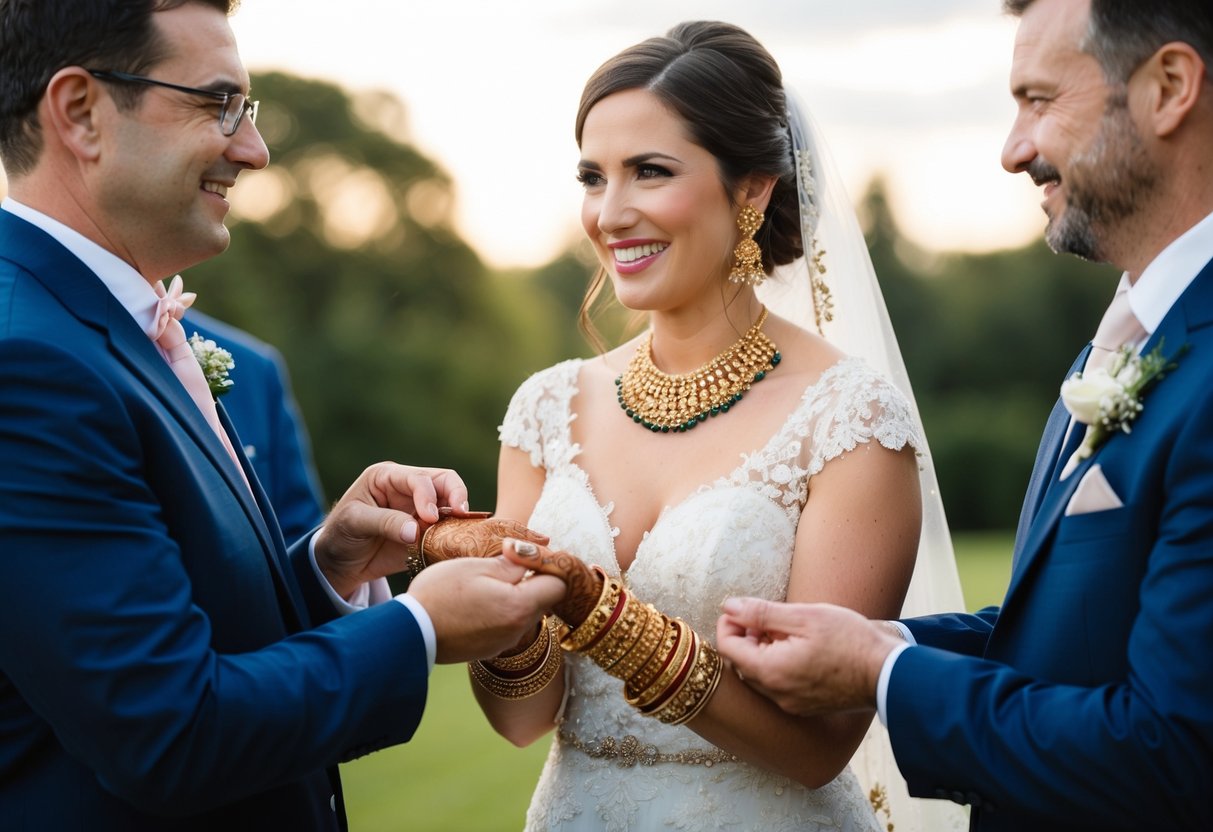
In modern weddings, the types of gifts can vary widely from family heirlooms to thoughtful experiences, reflecting personal relationships and family traditions.
Understanding these customs can help you navigate wedding etiquette smoothly, ensuring everyone feels appreciated and included during this significant celebration.
As you plan for the big day, consider the gift’s meaning and how it can strengthen the bond between families. Being aware of these traditions can make your experience more enjoyable and meaningful.
Traditional and Modern Expectations
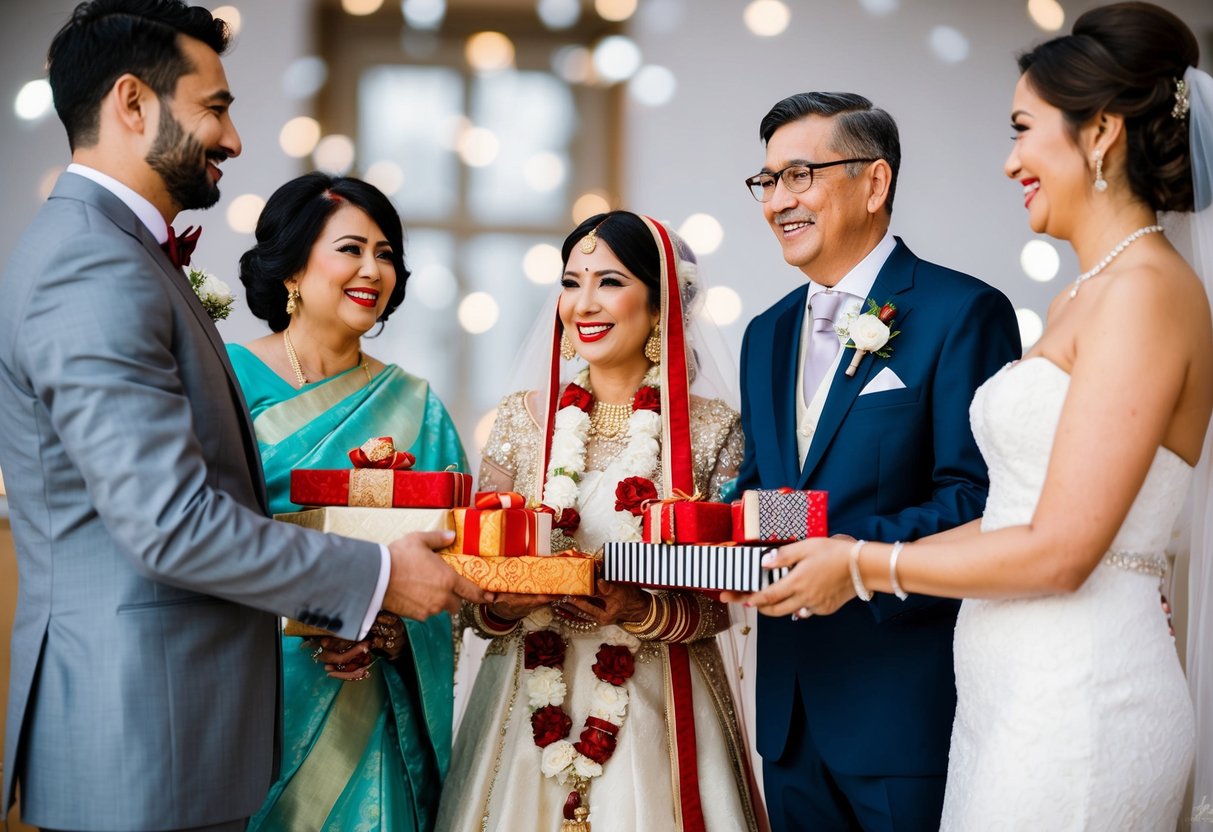
Understanding what a groom’s parents can give to the bride involves both long-standing customs and modern adjustments. You will find that wedding etiquette has evolved over time, reflecting changes in society and family dynamics.
Understanding Wedding Etiquette
Traditionally, the groom’s parents are expected to contribute to various wedding expenses. This may include paying for parts of the wedding, such as the rehearsal dinner or helping with pre-wedding events.
In many cultures, the groom’s family may also host an engagement party. This shows support for the couple and helps foster relationships between both families.
It’s essential to consider family traditions when planning. Some families have established roles and expectations for involvement, so understanding these can guide your decisions.
Balancing Tradition with Contemporary Practices
Modern weddings often blend traditional etiquette with the couple’s preferences. You may find that today’s couples are more involved in the planning process.
Many families now share financial responsibilities. Rather than adhering strictly to old customs, you might discuss costs directly with the couple. This ensures that everyone is comfortable and that expectations are clear.
It’s also common for couples to pose specific requests about what they wish for from each family. This way, you can align your contributions with their vision for the special day.
Communicating with the Couple and Bridal Family
Open communication with the couple and their family is key to smooth wedding planning.
It’s a good idea to discuss your willingness to help and any ideas you have to support the couple. By talking about financial responsibilities early on, you can avoid misunderstandings later.
If you have specific family traditions, share them. This can enrich the wedding experience for everyone involved.
Remember to ask questions and be receptive to the couple’s preferences. This shows your support and allows you to contribute in meaningful ways.
Financial and Planning Contributions
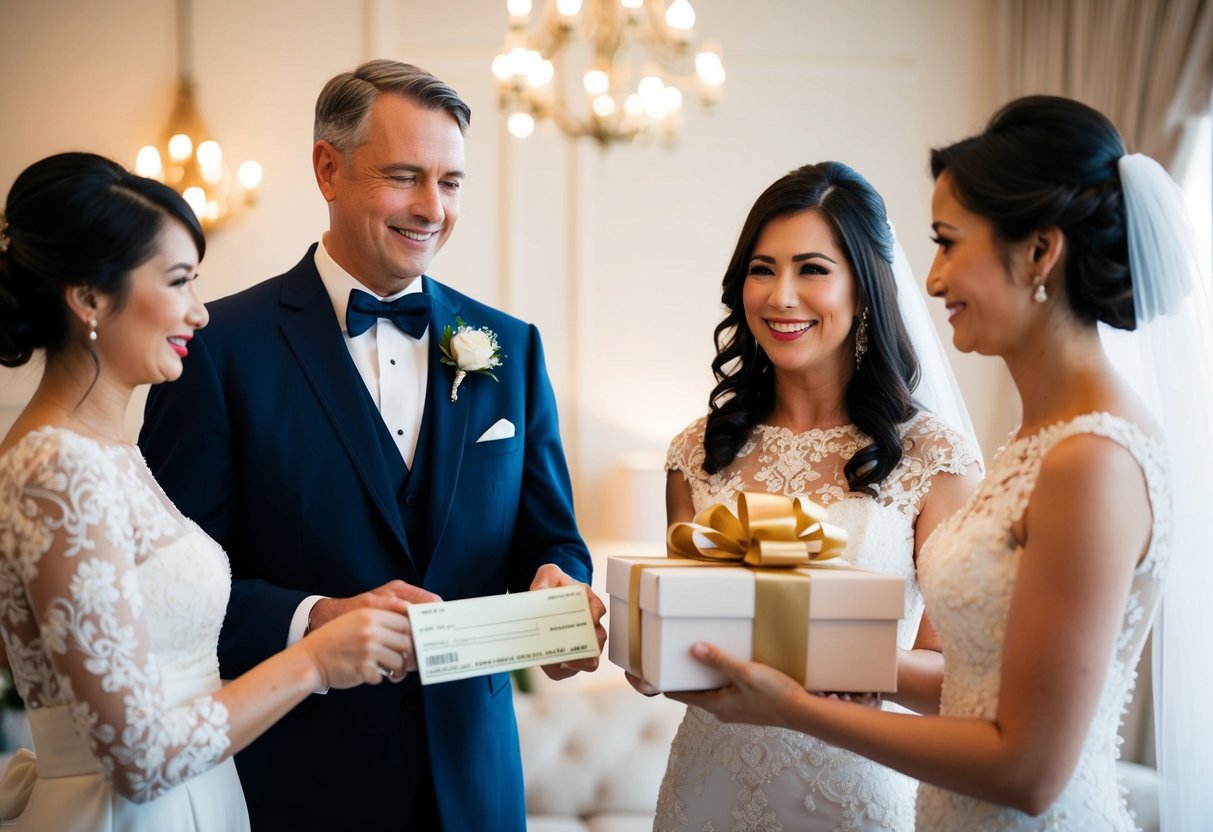
When it comes to wedding planning, the groom’s parents play a significant role. They contribute both financially and through their involvement in the planning process.
Outlining the Groom’s Parents’ Financial Responsibilities
The groom’s parents traditionally help manage a portion of the wedding expenses. This support can be broken down into various costs, including:
- Engagement Party: Often, they cover this celebration, which brings both families together. The expenses may include venue rental, catering, and decorations.
- Rehearsal Dinner: It’s common for the groom’s parents to host this meal. This gathering helps finalize plans and allows family members to bond before the wedding day.
- Personal Flowers: The groom’s family often pays for personal flowers, such as the bride’s bouquet and boutonnieres.
These contributions can vary. Still, having a clear understanding of these responsibilities can help ease the financial burden throughout the planning stages.
Roles in Wedding Planning and Preparation
In addition to financial support, the groom’s parents often assist with wedding planning responsibilities. This can include:
- Coordinating Events: They may help organize the engagement party and rehearsal dinner, ensuring everything is smooth and enjoyable.
- Guest List Management: The groom’s parents may provide insights or suggestions for guests, helping with the final list for both the ceremony and celebrations.
- Budgeting: They might collaborate with the bride’s family to discuss the overall wedding budget, ensuring shared costs align with family expectations.
By being involved in these areas, the groom’s parents can make the wedding planning process more manageable and memorable for everyone.
Symbolic Gestures and Sentimental Gifts
When the groom’s parents give gifts to the bride, they often choose items that hold sentimental value. These gifts can express love, support, and the promise of family connection. It’s a wonderful way to welcome her into their family.
Heirlooms and Symbolic Items
Family heirlooms are a classic choice for gifts from the groom’s parents. This might include jewelry, such as a necklace or bracelet that has been passed down through generations. Such items carry history and stories, making them deeply meaningful.
You could also consider symbolic items, like a special family picture frame. This can be a beautiful way to show that she is now part of the family story. These gifts not only represent love but also create a bond between families.
Personalizing Gifts for the Bride
Personalizing a gift for the bride adds an extra touch of thoughtfulness.
Consider creating a custom piece of jewelry that includes her initials or wedding date. This shows that you care about her unique style and the journey she is beginning.
Another idea is to add a heartfelt letter. Sharing your hopes and blessings for her marriage can be incredibly meaningful. Such gestures express warmth and a welcoming spirit that she will cherish for years to come. The right gift can blend sentiment with personalization, making it a treasured keepsake.
Wedding Ceremony and Reception Participation
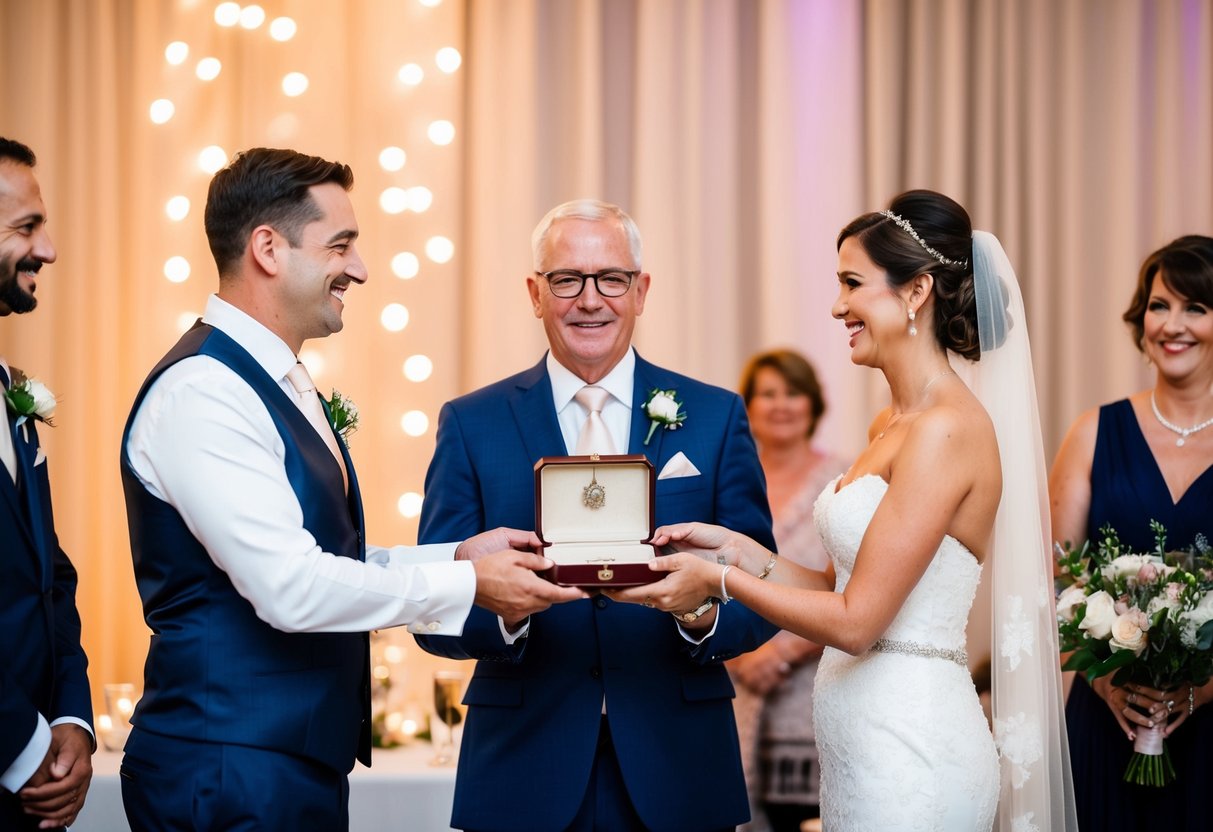
The groom’s parents play an important role in both the wedding ceremony and the reception. They help set the tone for the entire event.
One of the key moments is the mother-son dance. This heartfelt moment celebrates the bond between the groom and his mother. It’s a lovely tradition that many guests enjoy.
Before the ceremony, the groom’s parents may help organize the guest list. They work with the bride’s family to ensure everyone is invited. This helps avoid any misunderstandings.
During the ceremony, they can assist with logistics. This includes seating guests and greeting attendees. They may also have a role in the receiving line, where they thank guests for coming.
At the reception, they can contribute by participating in the festivities. They should mingle with guests and enjoy their time. They can also present wedding party gifts to show appreciation for those involved.