
What Does It Mean When Someone Wears Their Wedding Ring on Their Left Hand? Exploring the Significance and Traditions
Wearing a wedding ring on your left hand signifies a deep commitment to your partner and is often viewed as a symbol of love. Many cultures around the world recognize this tradition, associating the left hand with meaningful romantic ties and the idea of being bonded for life.
For many, this choice is not just rooted in tradition but also in personal preference, allowing couples to express their unique commitments in their own way.
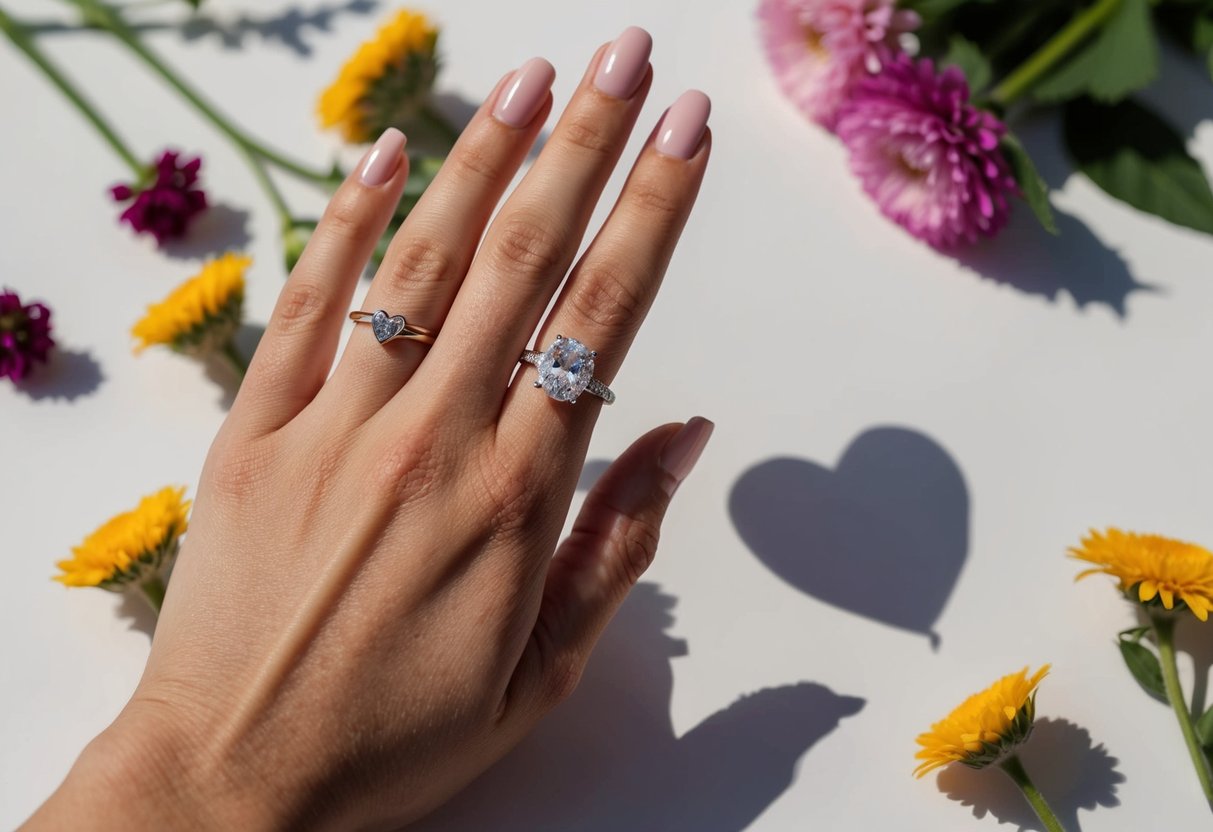
Cultural traditions play a significant role in how people perceive the wearing of wedding rings. In countries like the United States and the United Kingdom, it’s common to wear the wedding ring on the left hand due to longstanding beliefs that this hand is special in maintaining a connection to the heart. This custom gives the ring added significance beyond its physical beauty, making it a cherished part of your relationship.
Ultimately, where you choose to wear your wedding ring is a reflection of your values and beliefs about love. Whether you opt for the left hand out of tradition or simply because you feel it suits you best, your choice holds meaning that can resonate for years to come.
Historical Roots of Ring Wearing
Wearing wedding rings has a rich history that connects deep cultural traditions and ancient beliefs. From symbolic origins to modern practices, your choice of wearing a ring on the left hand carries significant meaning.
Ancient Origins and Vena Amoris
The history of wedding rings can be traced back to ancient Egypt, where rings symbolized commitment. Egyptians believed that the ring finger was special because it had a vein that connected directly to the heart, known as the vena amoris or the “vein of love.”
This belief made the left hand the ideal choice for wedding rings, as it was thought to create a direct line of love between partners. Over time, this practice influenced other cultures, including the ancient Romans, who also adopted the custom and added their own meanings.
Cultural Journeys of Wedding Bands
As time passed, the tradition of wearing rings became intertwined with various cultural heritages. In different societies, the left hand is often viewed as the bearer of significant symbols. Ancient Roman beliefs emphasized loyalty and devotion, further solidifying the importance of the ring finger.
In modern times, the act of wearing a wedding ring on the left hand has become a global norm, reflecting love and partnership. Your choice to wear a ring on this finger honors the historical context of commitment while connecting you to generations of couples before you.
Symbolism and Significance of Placement
Wearing a wedding ring on the left hand carries deep meanings tied to love, commitment, and unity. The specific placement often signifies not only marital status but also the emotional connection you hold with your partner.
Heart Connection and Love
The left hand, especially the fourth finger, is traditionally linked to the heart. This idea comes from the ancient Roman belief that a vein, known as the “vena amoris” or vein of love, runs directly from this finger to the heart.
By placing your wedding ring here, you symbolize a direct connection to your feelings for your partner. It represents eternal love and a bond that goes beyond just being married. You are showing the world that your heart is committed to one person.
This strong symbolism reinforces your dedication and the fidelity you both share. Your ring is more than a piece of jewelry; it’s a daily reminder of love and emotional attachment.
Unity, Commitment, and Marital Status
When you wear your wedding ring on the left hand, it embodies unity with your spouse. This act signifies that you are in a committed relationship and are publicly declaring your marital status.
In many cultures, the left hand is designated for wedding rings, while engagement rings are often worn on the same finger before marriage. This transition indicates a deepening of your bond.
The act of wearing the ring tips others off to your marital commitment. It shows that you value your partnership and are devoted to each other. This simple gesture reflects your dedication to building a life together, fostering both love and unity.
Cultural and Regional Practices
The way you wear your wedding ring can be influenced by cultural traditions and regional practices. Understanding these differences highlights the significance of your choice and can deepen your connection to the custom.
Western Traditions and Variations
In many western cultures, including the United States and parts of Europe, wearing a wedding ring on the left hand is a long-standing tradition. It signifies marriage and commitment. Most people wear the ring on the fourth finger of the left hand, also known as the ring finger.
This practice is rooted in the belief that this finger has a vein connected directly to the heart, often referred to as the “vena amoris.” In countries like Germany and the United Kingdom, this custom is widely accepted and understood. Some variations exist, though. For example, in certain areas, people might wear their engagement ring on the left hand and move it to the right after marriage.
Global Perspectives on Wedding Rings
Cultural differences can shape how wedding rings are worn around the world. In Russia, for example, many people wear their wedding rings on the right hand. This choice emphasizes the significance of the commitment but differentiates it from the norm in western countries.
In India, engagement and wedding ceremonies often involve distinct rituals. Some may wear the wedding band on the left hand, while others may choose the right hand, showing personal expression and cultural significance.
These variations highlight how personal and cultural factors influence your choice of which hand to wear your wedding ring on. Each culture brings its own meanings and practices, which enrich the traditions surrounding marriage.
Personal and Contemporary Factors
Your choice of which hand to wear your wedding ring on can say a lot about personal beliefs, preferences, and cultural backgrounds. Let’s explore how these factors influence this decision today.
Personal Choices and Expressions
When it comes to wearing a wedding ring, your personal choice plays a major role. Some people prefer the left hand due to tradition, as many cultures see it as the standard for married individuals.
For left-handed individuals, wearing a ring on the left hand might feel more natural. Others may choose to wear their ring on the right hand to express personal beliefs or to stand out from conventional practices.
Your wedding ring can also reflect your style. From unique designs to different metals, the way you wear your ring is an expression of your identity and values.
Modern Interpretation and Adaptation
The meaning of wearing a wedding ring can differ greatly in modern times. Younger couples often feel freer to adapt traditions to suit their needs.
Some people choose to wear rings on different fingers or hands, breaking away from old customs. This shift allows you to create your own meaning behind where and how you wear your ring.
Cultural variations also impact these choices. In some cultures, wearing a ring on the right hand indicates a commitment rather than marriage. Understanding these nuances can help you appreciate the significance behind your own choices.