
What Does Mother of Bride Pay For? A Helpful Guide to Wedding Expenses
When planning a wedding, the mother of the bride often takes on many important roles. Traditionally, the mother of the bride is expected to cover various expenses, including the wedding dress, bridesmaids’ gifts, and the overall wedding planning costs. This can include everything from invitations to flowers and even the reception costs.
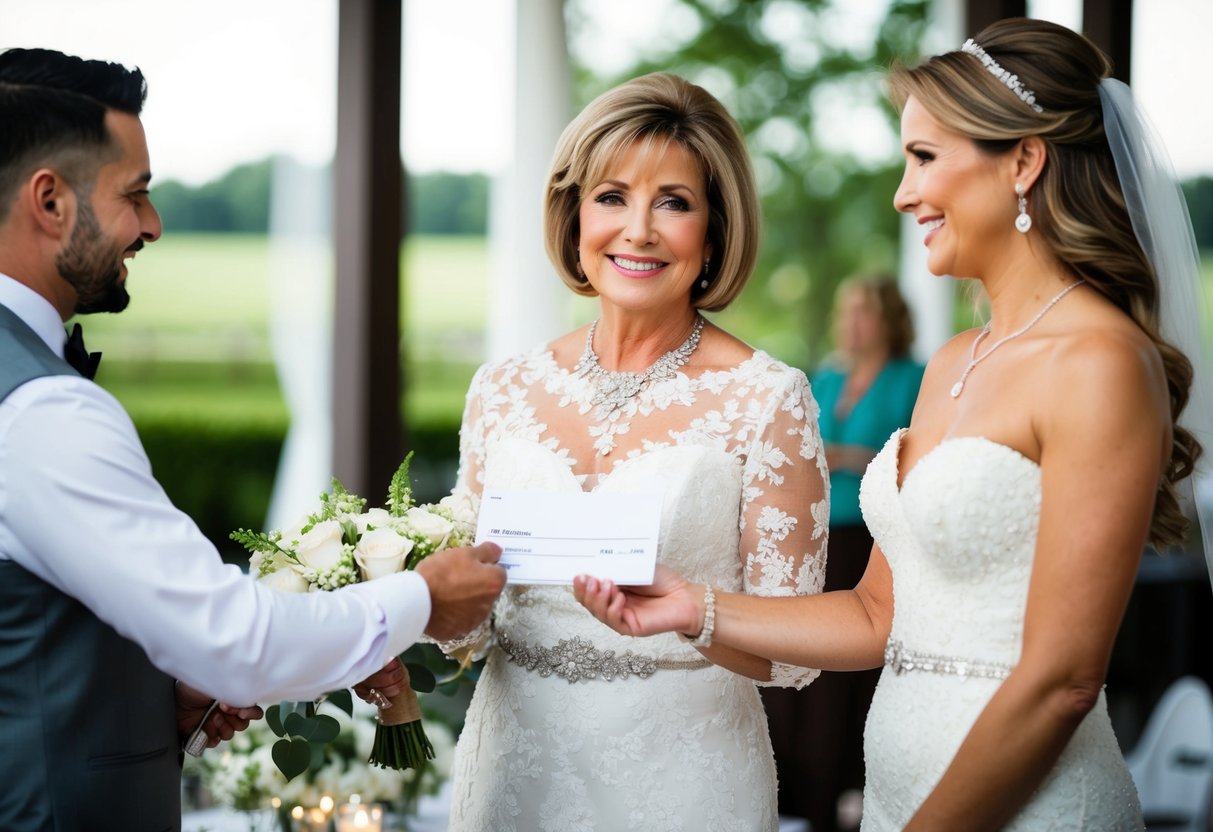
In modern weddings, these financial responsibilities can vary greatly. Many families now choose to split costs or handle certain elements together, which can make things less stressful. While traditions still hold value, it’s essential to communicate and understand everyone’s expectations regarding contributions.
Beyond financial support, the mother of the bride also provides emotional support during the planning process. You play a crucial role, offering guidance and reassurance to your daughter as she navigates this exciting yet challenging time in her life. Embracing both these aspects can help make the wedding day special for both of you.
Financial Commitments
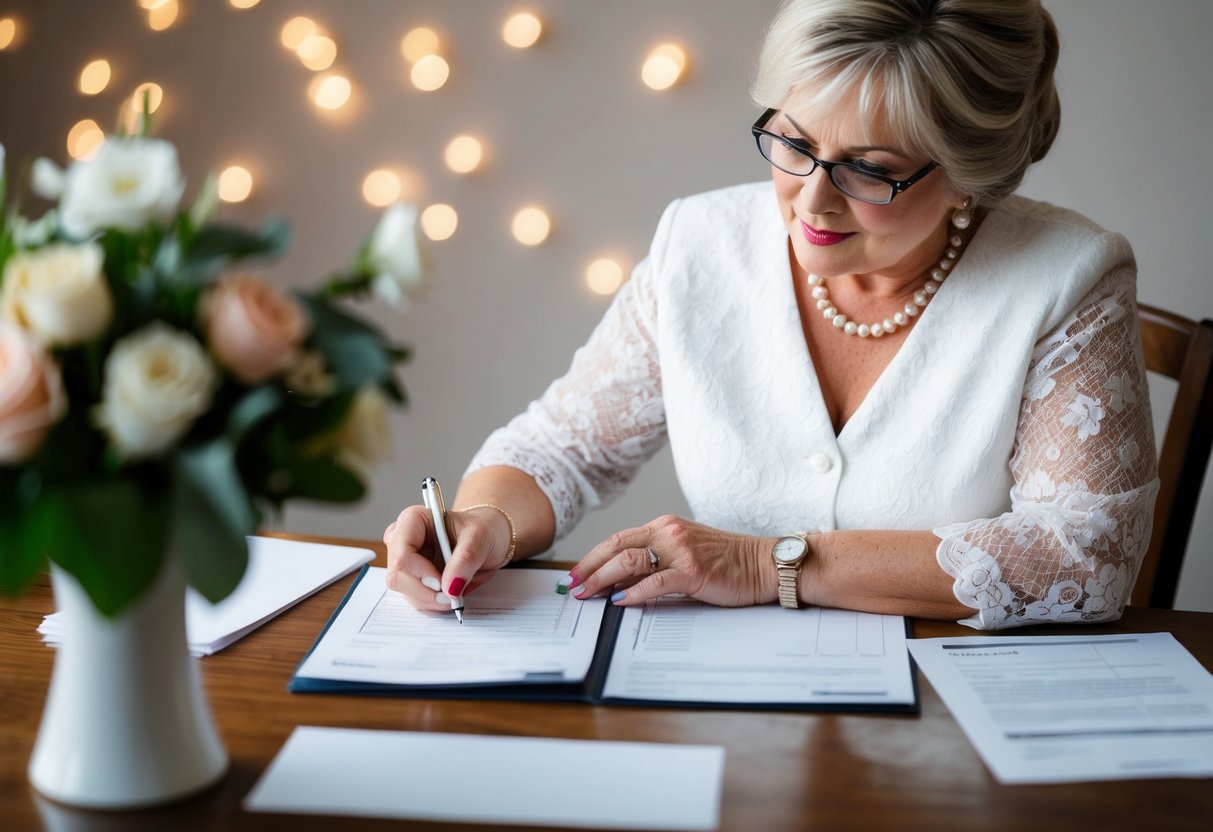
As the mother of the bride, you may have several important financial commitments leading up to the big day. You often play a significant role in planning pre-wedding events and covering essential items for the ceremony and reception.
Pre-Wedding Events
You might be responsible for organizing various pre-wedding events. This often includes the bridal shower and the engagement party.
For the bridal shower, you can expect to cover the venue, decorations, and food. You may also need to buy gifts for the bride and help with invitations.
These events can be a great way to celebrate and bring friends and family together.
Additionally, for the rehearsal dinner, you generally cover costs associated with the meal for the bridal party and immediate family. This dinner is important for helping everyone feel comfortable before the ceremony.
Ceremony Essentials
During the wedding ceremony, there are several items you typically take care of.
First, you may pay for the corsages for family members.
Next, you could help with the officiant fee, which can vary based on the person you choose.
It’s also common for you to cover the costs of the wedding rings if a family tradition supports this practice.
These expenses help make the ceremony special and memorable for everyone involved.
Reception Contributions
The reception is another area where your contributions can be significant.
You might be responsible for part of the wedding cake cost, ensuring it matches the couple’s vision.
Additionally, it’s common for mothers of the bride to assist with floral arrangements and centerpieces.
Don’t forget to consider the music and entertainment costs to keep the celebration lively.
These contributions help create a joyful atmosphere where family and friends can celebrate the couple’s love.
Wedding Apparel and Style
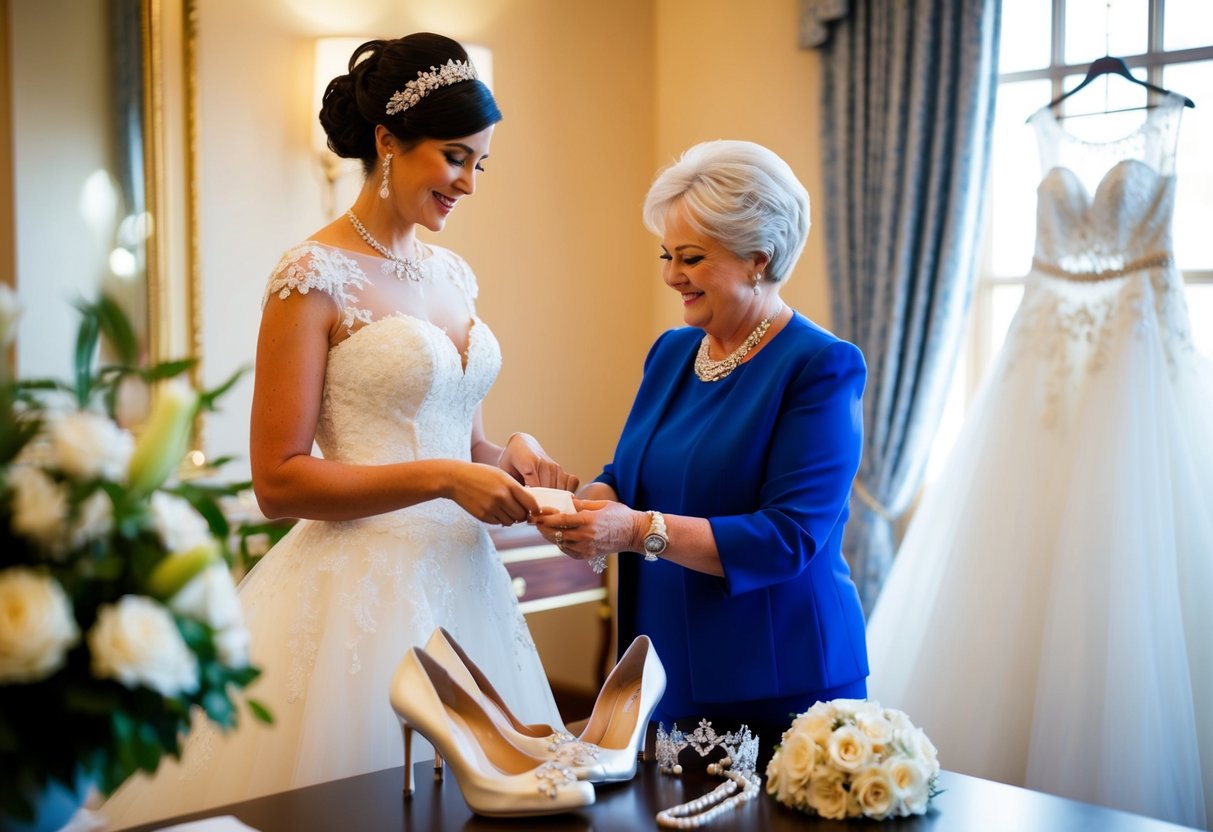
When planning your role as the mother of the bride, the right apparel and style choices play a big part. It’s important to look stylish while matching the wedding theme and feeling comfortable throughout the day.
Dress and Accessories
As the mother of the bride, choosing the right dress is key. The dress should complement the wedding theme and not overshadow the bride. Look for colors and styles that match the wedding palette. Popular options include elegant dresses, skirts, or classy jumpsuits.
Accessories can enhance your look. Think about adding:
- Jewelry: A statement necklace or simple earrings.
- Clutch: A stylish purse that holds essentials.
- Shoes: Comfortable yet fashionable shoes for dancing.
Consider the fit and length of your dress too. Long gowns can be formal, while knee-length dresses tend to be more casual.
Hair and Makeup Coordination
Hair and makeup should reflect your personal style while coordinating with the wedding vibe. You might want to arrange a trial session before the big day.
Discuss your looks with the bride. Make sure you are not too glamorous or understated compared to her style.
When the big day arrives, aim for a polished look.
Tips for Hair and Makeup:
- Hair: Consider an updo or soft waves, depending on your dress style.
- Makeup: Keep it natural, but feel free to add a pop of color to match your outfit.
Coordinating your look with the bride helps create a unified appearance for the wedding.
Planning and Logistics

When planning a wedding, managing details is crucial. You will play a key role in organizing invitations, coordinating vendors, and helping with guest management to ensure everything runs smoothly.
Invitations and Guest Management
Start by creating a detailed guest list. This will help you determine how many invitations you need and stay within budget. Consider using a spreadsheet to track RSVPs, dietary restrictions, and any special requests.
Once the list is ready, selecting the right stationery is important. Choose designs that match the wedding’s theme. Sending out invitations early gives guests plenty of time to respond.
Communicating with guests about the wedding date, location, and any travel accommodations is essential for a positive experience. You may want to follow up with reminders closer to the date, especially for guests who have yet to RSVP.
Day-Of Coordination
On the big day, being the point person for vendors is a vital role. Keep all vendor contact information on hand to address any last-minute needs. You’ll help ensure each vendor knows the timeline and where to set up.
Consider working with a wedding planner if your budget allows. They can ease your workload and make decisions on your behalf. If you’re handling day-of logistics, create a detailed schedule that outlines ceremony and reception timings.
Having a seating chart ready will guide guests to their spots, creating a warm atmosphere. Your involvement in day-of coordination can help the event flow smoothly and allow the couple to enjoy their special day.
Ceremony and Celebration Details
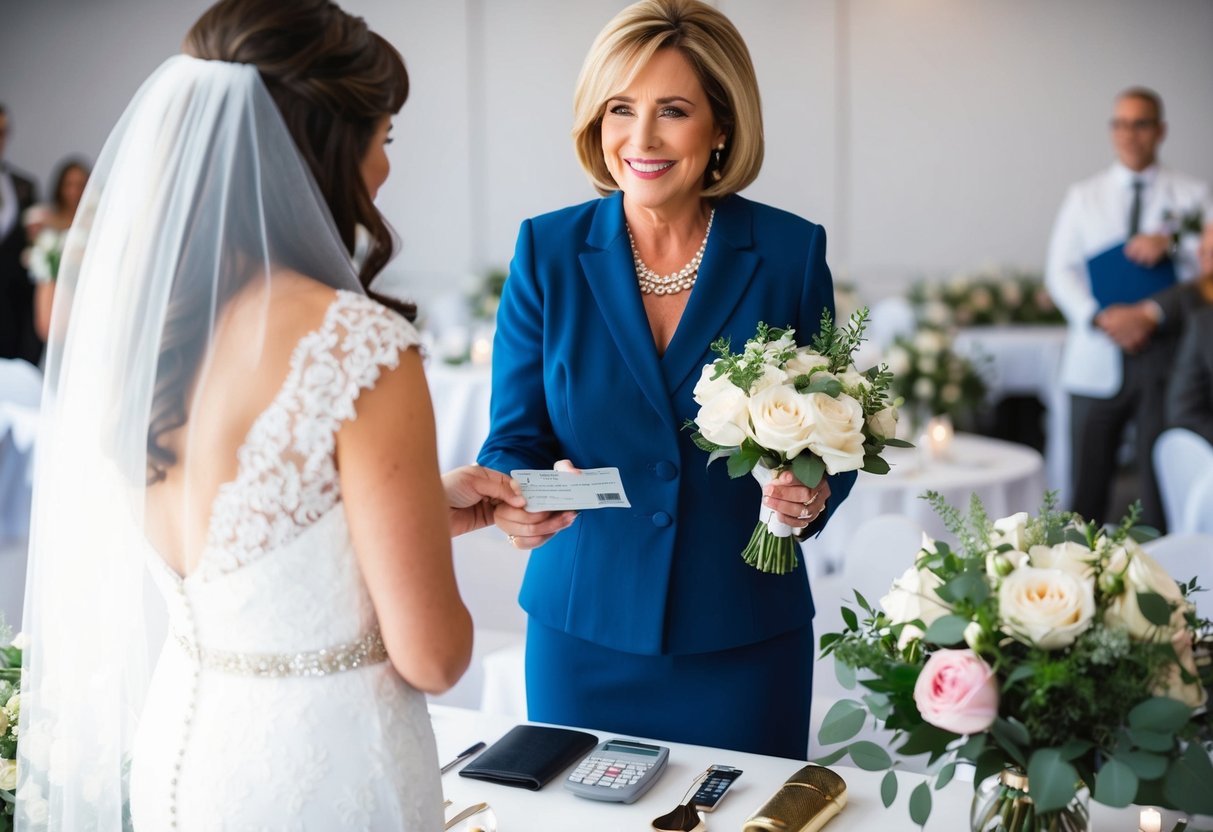
When planning a wedding, paying attention to ceremony and celebration details can make a big difference. Understanding the roles you might take in decorations and capturing memories helps ensure everything goes smoothly.
Decorations and Floral Arrangements
As the mother of the bride, you may help select and pay for decorations and floral arrangements. This includes choosing flowers for the ceremony and reception. Consider the bridal party’s colors when selecting blooms.
Common floral arrangements include:
- Bouquets for the bride and bridesmaids
- Ceremony altar arrangements
- Centerpieces for reception tables
Flowers set the mood and theme for the wedding. You may also need to hire a florist to make sure everything looks beautiful. Discuss options that fit the budget while ensuring your daughter feels special on her big day.
Photography and Videography
Capturing moments is vital for any wedding. You might contribute to hiring photographers and videographers.
It’s best to research and meet with different professionals to find the right fit for your style and budget.
Ask for portfolios to check their previous work.
Important moments to capture include:
- Ceremony vows
- First dance
- Candid guest interactions
Discuss the details such as hours covered and any special requests.
Creating a list of must-have shots can help the photographer know what’s most important to you and your family.
Well-captured moments help cherish memories for years to come.