
What Does Officiate Mean in a Wedding? Understanding the Role and Responsibilities
When it comes to weddings, the term “officiate” refers to the act of leading the ceremony. A wedding officiant is the person who performs the ceremony and ensures that the marriage is legally recognized. This role is essential, as it brings your love story to life in front of your family and friends while adhering to legal requirements.
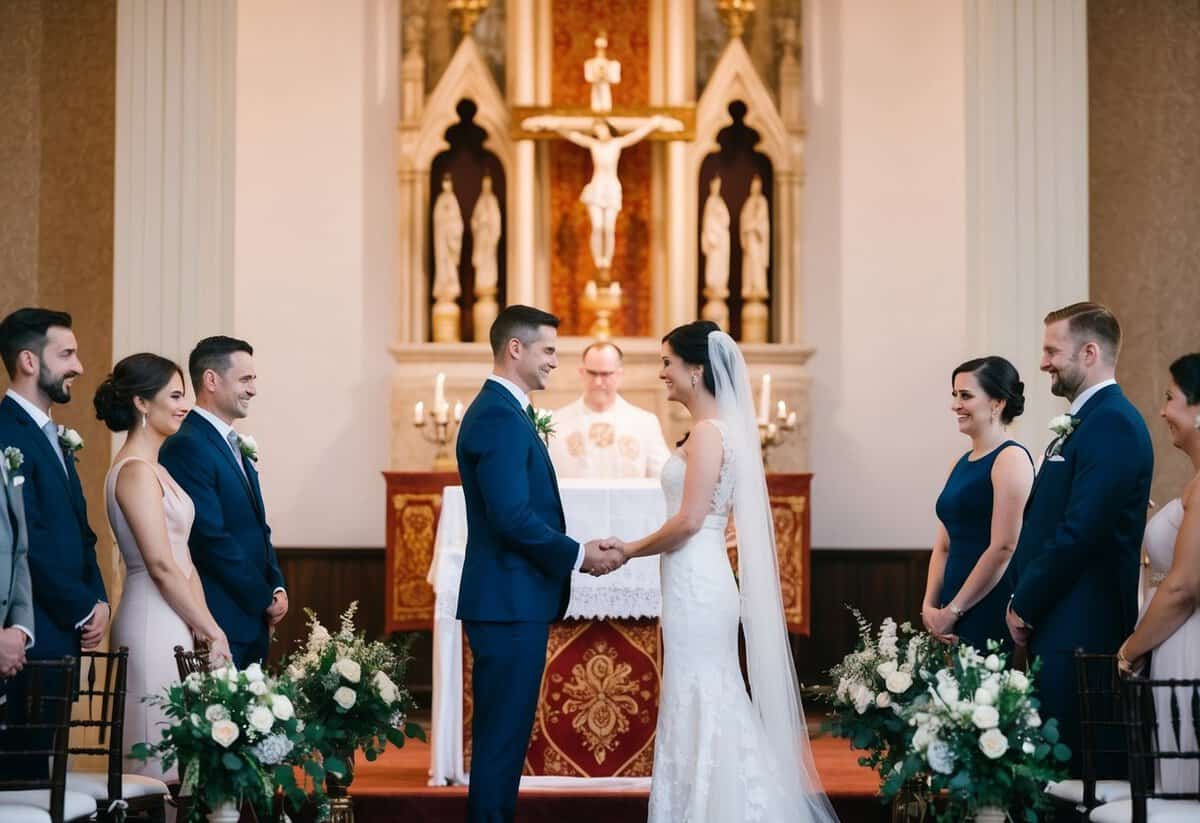
Choosing the right officiant is an important decision that can shape the tone and flow of your wedding. Whether you prefer a traditional religious figure or a close friend who can add a personal touch, this person helps you craft a meaningful ceremony that reflects your unique relationship. Understanding their role can help you feel more confident in what to expect on your special day.
As you plan your wedding, consider what kind of officiant aligns with your vision. They will guide you through the process, ensuring that all legal aspects are taken care of while adding warmth and authenticity to your celebration.
Roles and Responsibilities of a Wedding Officiant
As a wedding officiant, you play a key role in making the ceremony special and legally binding. This includes understanding your duties, preparing the ceremony script, and ensuring all legal aspects are covered.
Understanding the Duties
Your main responsibility is to lead the wedding ceremony. This includes guiding the couple through various parts of the event. You’ll start with the declaration of intent, where the couple confirms their commitment to each other.
You also facilitate the exchange of vows and the pronouncement of marriage. This is a moment of joy, and your support helps create a meaningful atmosphere. It’s important to be familiar with the couple’s preferences to ensure the ceremony reflects their unique relationship.
Preparing the Ceremony Script
Creating a personalized ceremony script is essential. This involves working closely with the couple to include their stories and values. You can start with a traditional format but make adjustments to represent the couple’s individuality.
Consider adding personal touches like anecdotes, readings, or rituals significant to them. This script serves as your roadmap for the ceremony, helping you stay organized. A good script enhances the emotional impact of the moment, making it unforgettable for everyone involved.
The Legal Aspects of Officiating
You must also be aware of the legal requirements for officiating a wedding. This often varies by state or country. Generally, the couple needs to obtain a marriage license before the ceremony.
Your role as officiant includes verifying that this license is in order. Once the ceremony is complete, you are responsible for signing the necessary documents to make the marriage legally binding. Understanding these legal aspects ensures that everything runs smoothly and the couple’s commitment is recognized.
Types of Wedding Officiants and Ceremonies
Choosing the right wedding officiant can greatly shape your ceremony. Different types of officiants offer unique styles and cater to various beliefs, making it essential to find one that fits your vision.
Religious Leaders and Ceremonies
If you’re looking for a spiritual connection, a religious officiant is your best choice. This type of officiant is usually an ordained minister, priest, or rabbi. They are authorized to perform ceremonies within their faith tradition.
A religious ceremony typically incorporates rituals and practices specific to a particular faith. Examples include readings, prayers, and symbols meaningful to your religious affiliation. Choosing a religious leader helps ensure your ceremony reflects your beliefs and values, creating a meaningful experience for you and your guests.
Civil Officiants and Secular Ceremonies
For those who prefer a non-religious option, a civil officiant is a great fit. Civil officiants, like justices of the peace, perform legal ceremonies without a religious component.
A secular ceremony focuses on love and commitment rather than spiritual elements. This type of ceremony allows for personal touches, like unique vows or themes that resonate with your relationship. Many couples appreciate the flexibility civil officiants provide, allowing for a personalized approach to their special day.
Celebrants and Customized Ceremonies
Celebrants offer a more personalized approach to weddings. A certified celebrant works with you to create a unique ceremony tailored to your beliefs and preferences.
Customized ceremonies can blend both religious and secular elements. Celebrants ensure your day represents your values, love story, and desires. They can incorporate special traditions or even write your vows, making the ceremony feel truly special.
Preparation for the Wedding Day
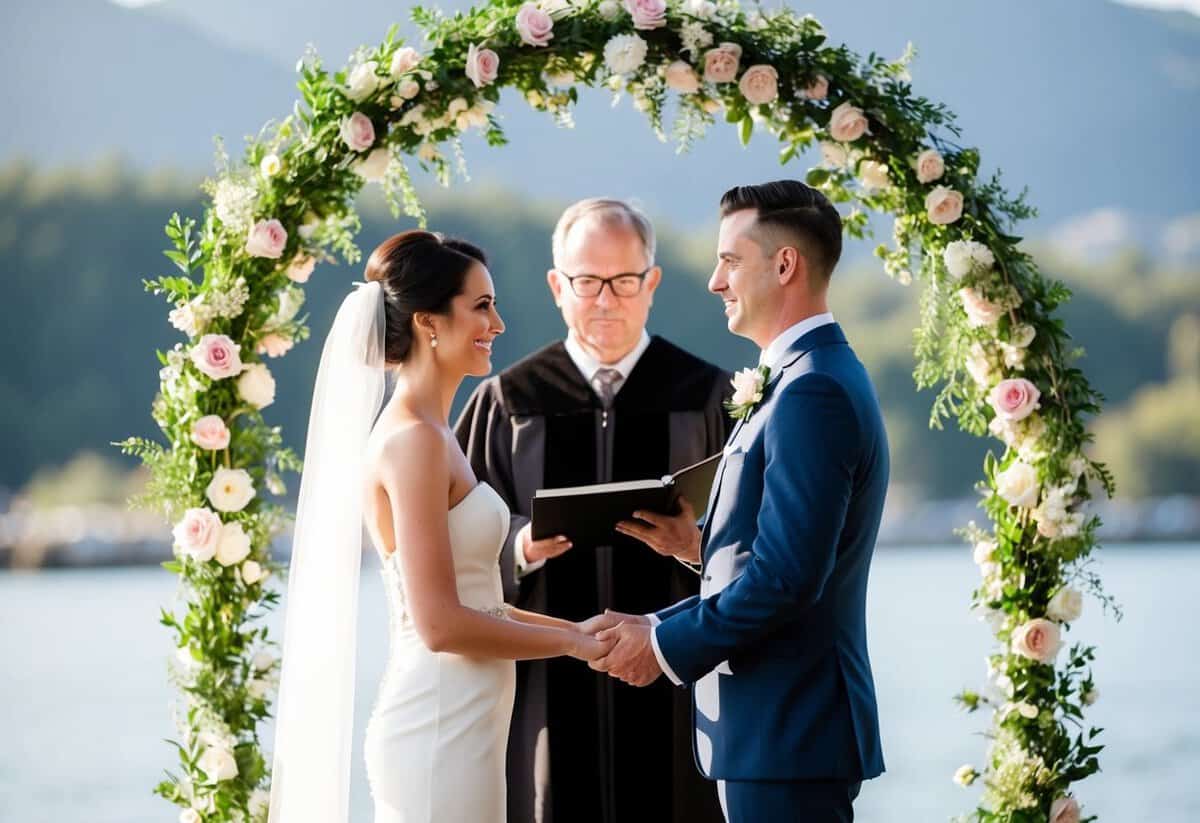
Preparing for the wedding day is crucial for an officiant. You will coordinate with the wedding planner, choose the right attire, and conduct a rehearsal to ensure everything runs smoothly.
Coordinating with the Wedding Planner
Communicating with the wedding planner is essential to ensure all details are in place. They will provide you with a timeline for the ceremony and inform you of any specific instructions from the couple.
Key details to discuss:
- Ceremony start time: Confirm the exact time the ceremony begins.
- Processional order: Understand who walks in and when.
- Venue specifics: Know where to stand and what to expect.
This information helps you feel confident and organized on the big day.
Dress Code and Presentation
Your appearance as the officiant sets a professional tone for the ceremony. Follow the couple’s desired dress code carefully, whether it’s formal, casual, or themed.
Consider these tips:
- Color choices: Coordinate with the wedding colors, if possible.
- Comfort: Choose attire that allows you to move freely while speaking.
- Accessories: Keep it simple and elegant, avoiding flashy items.
Remember, your goal is to support the couple and enhance the ceremony with your presence.
Rehearsal and Final Touches
The wedding rehearsal is your chance to practice and refine the ceremony flow. Attend the rehearsal to work out any potential issues and understand your role better.
During the rehearsal, focus on:
- Timing: Practice your speech and make sure it fits into the schedule.
- Public speaking tips: Speak clearly and at a steady pace to engage the audience.
- Final touches: Check equipment, like microphones or scripts, to ensure everything is ready.
Being prepared will help you feel relaxed and confident on the wedding day.
Legalities and Documentation
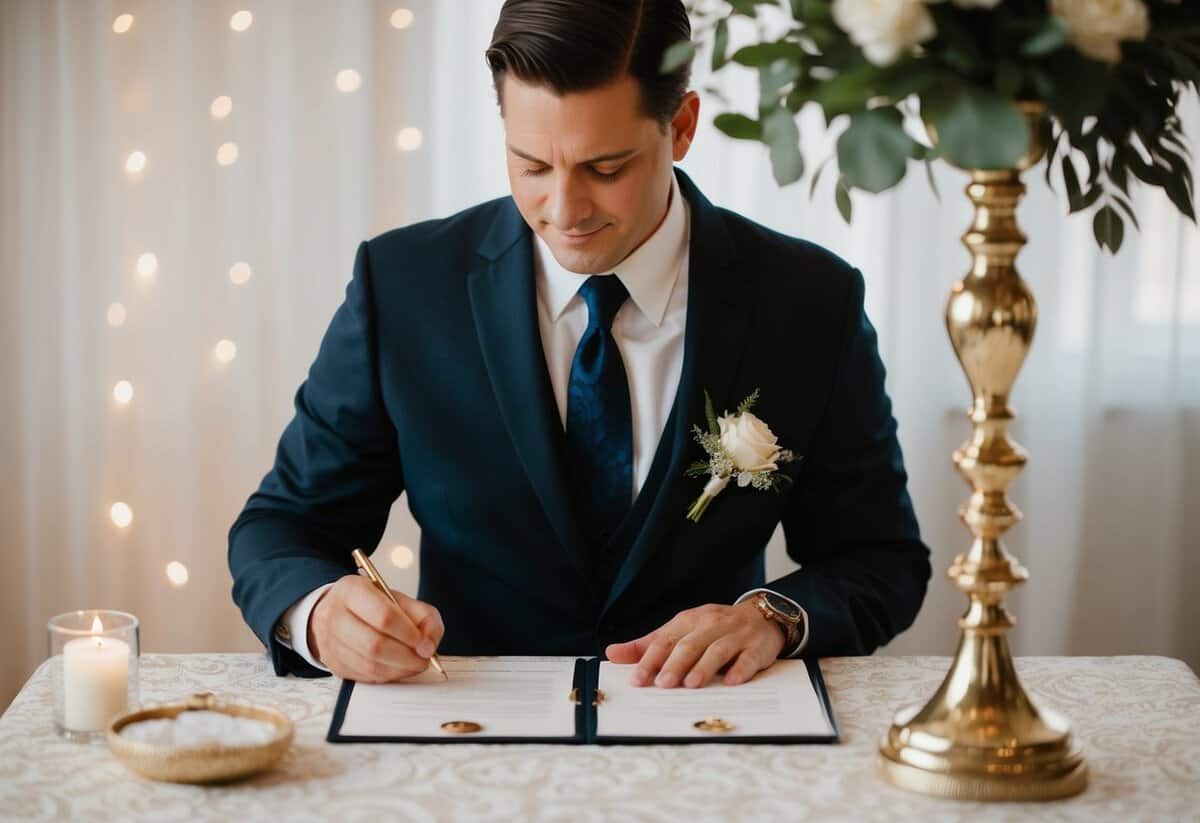
When officiating a wedding, there are important legal steps to follow. This includes obtaining a marriage license and completing the marriage certificate. Each of these steps ensures that the marriage is legally binding and recognized.
Obtaining a Marriage License
Before the wedding, you and the couple must obtain a marriage license. This document is required in most states to legally marry.
To get a marriage license, follow these steps:
- Visit your local clerk’s office: Both partners typically need to apply in person.
- Provide necessary documents: Bring identification like a driver’s license or passport.
- Fill out the application: Provide information such as names, dates of birth, and residency.
- Pay the fee: Fees vary by location but are usually reasonable.
Remember, marriage licenses often have a time limit, so check how long it lasts in your state.
Completing the Marriage Certificate
After the ceremony, you will need to complete the marriage certificate. This is the official document that proves the marriage took place.
Key steps include:
- Fill out the certificate: Include details like the couple’s names, date of marriage, and location.
- Sign the certificate: Make sure both you and the couple sign it.
- Mail it to the appropriate office: Return the completed certificate to the clerk’s office where the license was issued.
Completing this step is crucial because it records the marriage in public records.
The Registration Process for Officiants
If you are officiating a wedding, you should be aware of the registration process in your state.
Here’s what you might need to do:
- Check local laws: Some places might require you to ordain online or belong to a religious organization.
- Register as an officiant: Fill out any forms necessary to gain legal recognition.
- Obtain a copy of your ordination: Keep this on hand for the marriage license application if required.