
What Does Service Officiating Mean? Understanding Its Role in Ceremonies and Events
When someone refers to service officiating, they are talking about leading important ceremonies, often related to significant life events like weddings or funerals.
In a funeral service, the officiant plays a crucial role by guiding the ceremony, honoring the deceased, and providing comfort to family and friends during a difficult time. This responsibility requires not only organization but also a deep understanding of the emotions involved.
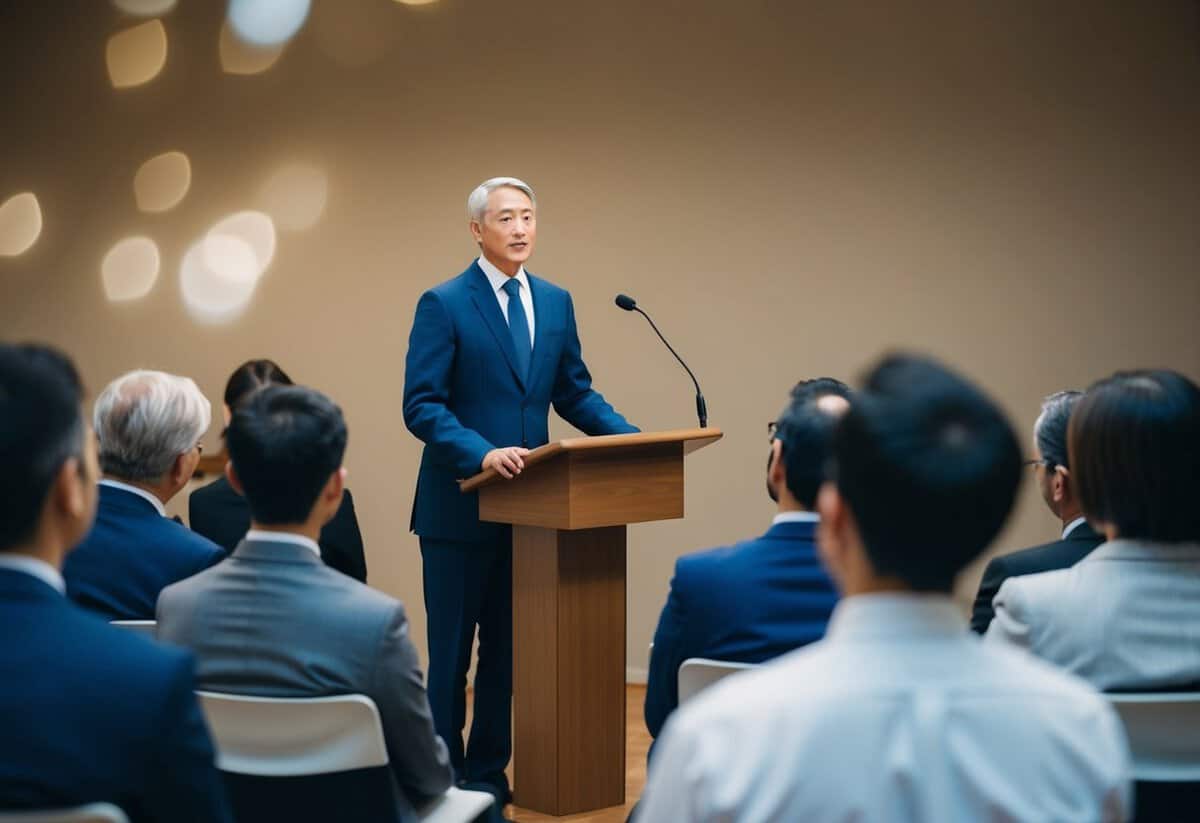
Your choice of officiant can greatly impact the tone and flow of the service. Whether you are working with a funeral home or an independent officiant, they should help create a meaningful tribute that reflects the life of the person being remembered.
A skilled officiant can weave personal stories, readings, and appropriate rituals into the ceremony, making it a heartfelt experience for everyone involved.
Understanding what service officiating entails can help you navigate the planning process if you need to find someone to lead a ceremony.
Knowing what to expect allows you to focus on the memories and emotions that truly matter during times of grief and celebration.
Understanding the Role of the Funeral Officiant
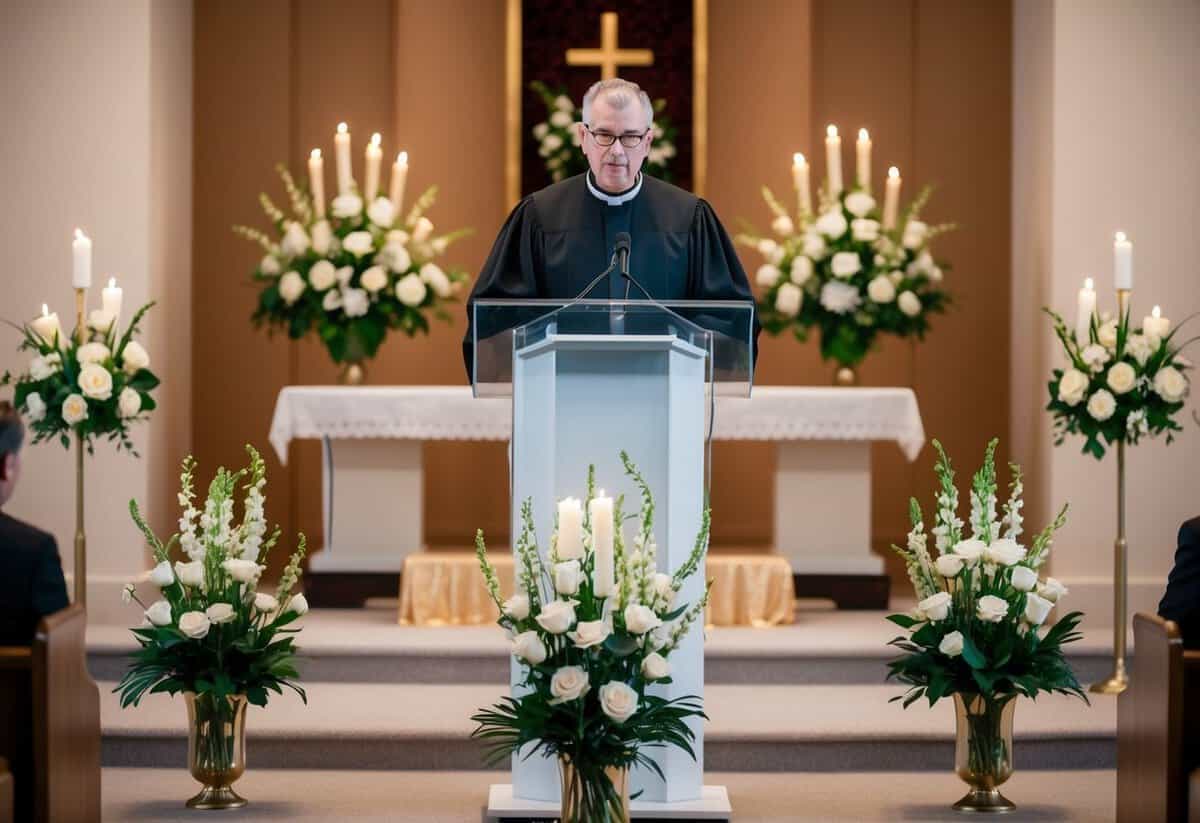
The funeral officiant plays a vital role in managing a service for someone who has passed away. This person helps guide families through a difficult time, ensuring that the ceremony honors the deceased’s life.
Duties and Responsibilities
A funeral officiant, whether a religious leader, clergy member, or professional celebrant, has several key responsibilities.
They typically begin by meeting with the family to understand their wishes and the deceased’s life story.
The officiant plans the service, coordinating readings, music, and any special rituals. They often deliver the eulogy, reflecting on memories and offering comfort. In many cases, they also lead prayers or other religious texts if it is a spiritual service.
Besides these, the officiant helps maintain a respectful atmosphere during the ceremony. This ensures that everyone feels supported and that the event reflects the personality of the person being honored.
Qualifications and Selection
When selecting a funeral officiant, consider their experience and approach.
For religious services, you might choose a clergy member or religious leader familiar with specific rites. They should be trained to handle sensitive topics with compassion.
If you’re looking for a more personalized service, a professional celebrant or funeral celebrant can help. They often have training in creating unique services that fit the wishes of the family.
In general, your choice should be someone who can connect with you and your family. This ensures a meaningful experience that honors the life of your loved one.
Components of a Funeral or Memorial Service
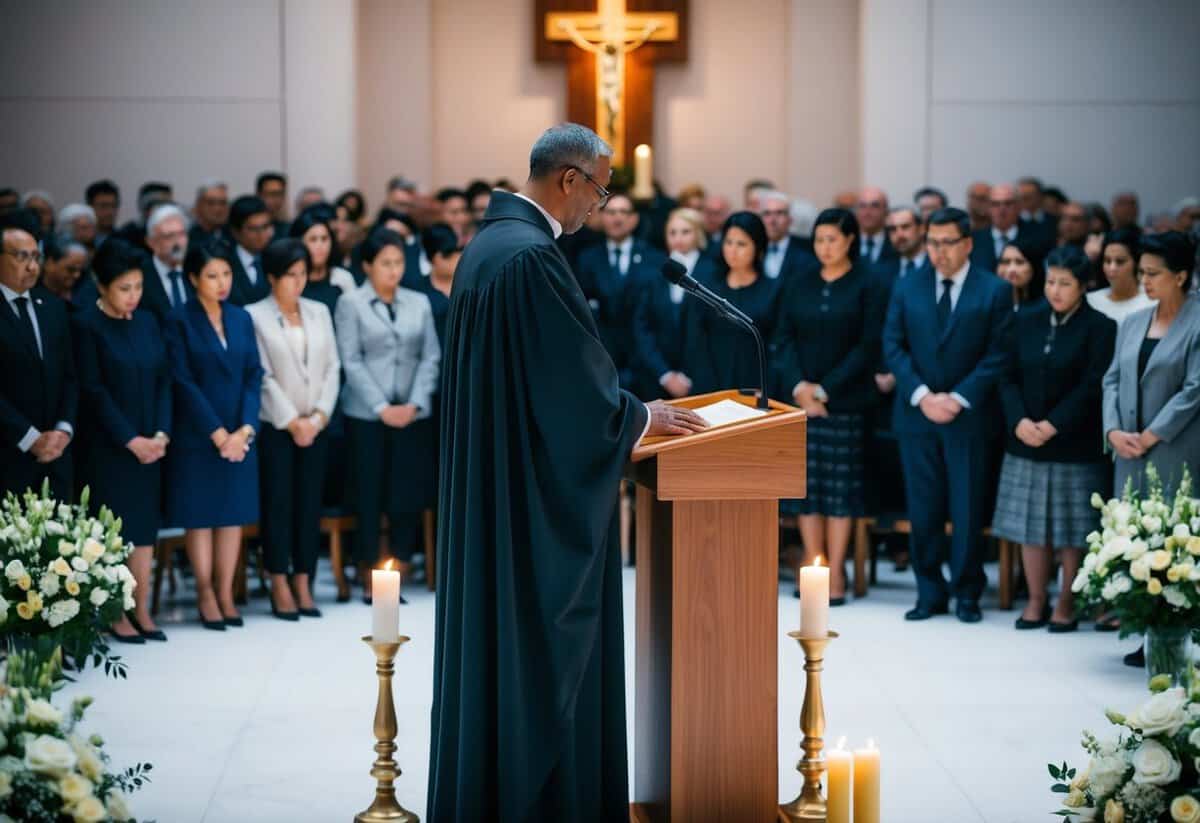
When planning a funeral or memorial service, several key elements come together to honor the deceased. These components help create a meaningful experience for attendees and provide comfort during a difficult time.
Eulogies and Tributes
Eulogies are an important part of any memorial service. They give loved ones the chance to share special memories and express what the deceased meant to them. Writing a heartfelt eulogy can be a meaningful way to celebrate someone’s life.
Tributes can take various forms, including personal anecdotes, poems, or stories that reflect the individual’s character and passions. This shared recollection allows everyone to connect through their grief and remember the essence of the person who has passed.
Readings and Prayers
In many ceremonies, readings and prayers provide a sense of peace and reflection.
Some might choose passages from literature, scriptures, or poetry to resonate with those attending. This connection helps to honor the beliefs and values of the deceased.
Prayers are also a comforting component, especially in religious ceremonies. They can guide the attendees in their thoughts and offer hope for healing during grief.
Combining readings and prayers can create an atmosphere of reverence and support.
Music and Reflection
Music plays a vital role in setting the tone for a service. It can evoke emotions and create a space for reflection among attendees.
You might choose favorite songs of the deceased or instrumental pieces to enhance the experience.
Reflection moments can accompany musical selections, allowing attendees to pause and think about their own memories. This could be a time for silence or sharing another memory.
The combination of music and reflection adds depth to the ceremony and helps everyone connect with their feelings.
The Funeral Service Process
Planning a funeral service involves several key steps. You need to prepare and organize effectively to ensure a memorable experience for family and friends. Here’s a closer look at each part of the process.
Preparation and Planning
The preparation phase begins with choosing between burial and cremation. A funeral director can guide you through this decision.
You’ll also need to select a date and location for the service. This might be at a funeral home, church, or even a special place that holds meaning.
Next, gather information about the deceased for the funeral program. This includes their life story, favorite quotes, and photos.
You’ll want to involve family and friends in planning, ensuring their preferences and traditions are respected. Discussing details such as music, readings, and speakers will help create a service that reflects the personality of your loved one.
The Ceremony Itself
During the ceremony, the officiant plays an important role. They guide the service, often starting with a welcome message.
A eulogy may be given, highlighting the deceased’s life and achievements. This is a chance for family and friends to share fond memories.
Key elements, such as prayers, songs, or readings, can provide comfort to mourners.
Consider including personal touches, like displaying photos or memorabilia. Make sure to inform attendees about any ceremonies unique to your faith or culture. These details make the ceremony more meaningful for everyone.
Post-Service Arrangements
After the ceremony, you may hold a graveside service for burial or a scattering of ashes for cremation. This is a chance for close family and friends to say their final goodbyes in a more private setting.
Following this, it’s common to host a reception. The reception allows guests to gather, share stories, and support each other.
Make arrangements for food and drinks. Consider planning activities or tributes that celebrate the deceased’s life.
Your funeral planning process should focus on honoring the memory of your loved one. It should also provide comfort to those left behind.