
What Does the Average Engagement Ring Cost? Understanding the Price Factors
When you’re choosing the perfect engagement ring, many questions arise, especially about cost. Various studies show that the average engagement ring cost in the United States is around $5,500. This amount can vary based on several factors, including the type of stone, the metal, and even where you shop.
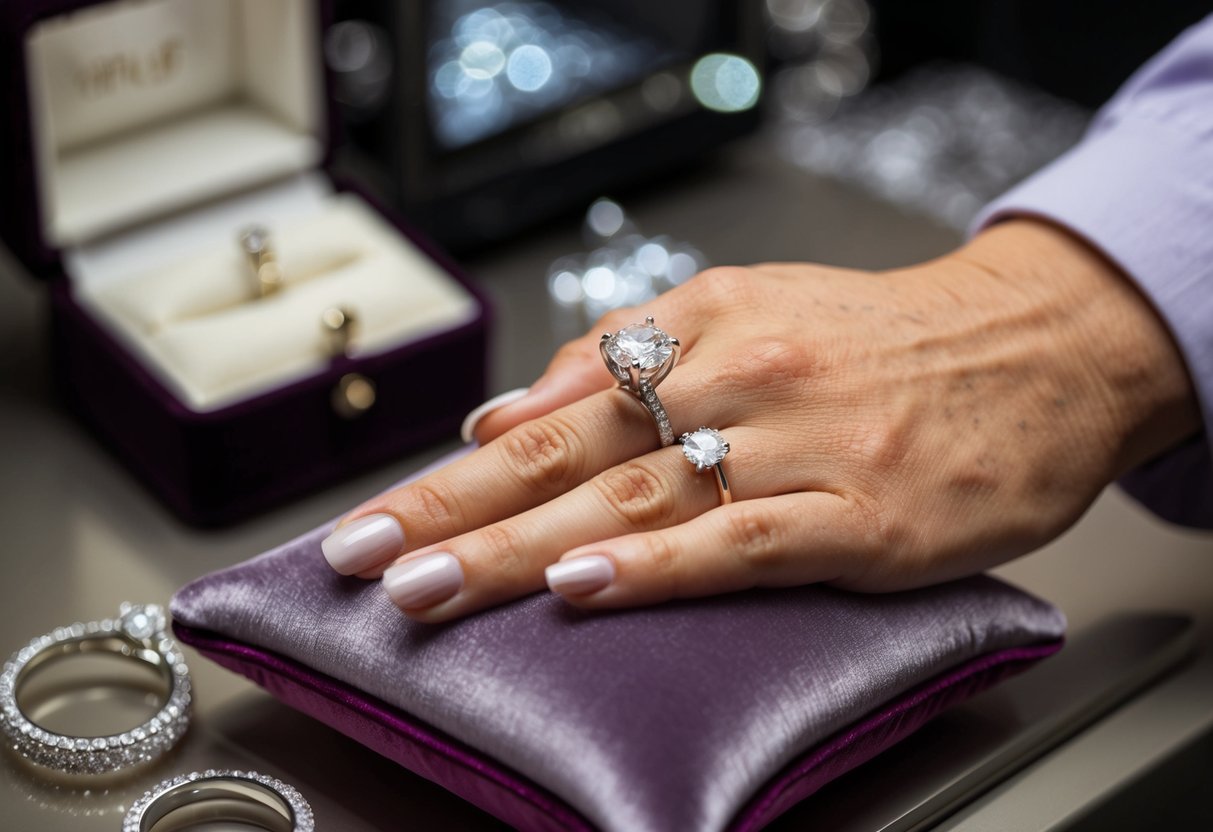
Understanding what influences the price can help you make an informed decision. Many couples spend between $1,000 and $5,000, while a few splurge much more. Whether you’re looking for something classic or unique, knowing the average can guide you through your options.
As you plan this exciting moment, it’s essential to think about your budget and what you truly want in an engagement ring. Knowing the average costs and trends can ease your mind and help you find the perfect symbol of your love.
Understanding Engagement Ring Costs
When deciding on your ideal engagement ring, several factors influence the final price. Key aspects include the quality of the diamond, the type of metal used, and the shape of the diamond. Each of these components plays a significant role in determining the overall cost of your ring.
The Four Cs of Diamond Quality
The Four Cs are essential to grasp when buying a diamond: Cut, Color, Clarity, and Carat weight.
Cut refers to how well a diamond is shaped and faceted, directly impacting its brilliance. A well-cut diamond sparkles more, often meaning it costs more.
Color is graded on a scale from D (colorless) to Z (light yellow). Colorless diamonds are rarer, thus raising the price.
Clarity measures the presence of internal or external flaws, called inclusions and blemishes. Higher clarity grades (like VS1 or VVS2) signify less visible flaws and typically command higher prices.
Carat weight determines the diamond size. Larger diamonds tend to carry higher prices per carat, making carat weight a significant factor in overall cost.
Impact of Metal Type on Price
The metal used for the band also affects engagement ring pricing. Common options include:
-
White Gold: Often more affordable than platinum while providing a similar appearance.
-
Yellow Gold: A classic choice that adds warmth. Prices depend on the karat (14k or 18k) and current gold market rates.
-
Rose Gold: Increasingly popular, known for its romantic tint. Its price is comparable to yellow gold.
Choosing a specific metal can impact durability and cost. For example, while platinum is very durable, it is typically the most expensive option.
Diamond Shapes and Pricing
Diamond shape influences both style and cost. Popular shapes include:
-
Round: The most sought-after and often the priciest due to high demand.
-
Princess: Known for its modern look, it can be slightly less expensive than round diamonds.
-
Emerald and Asscher: These cuts emphasize clarity and can vary in pricing based on their larger surfaces.
Each shape can be priced differently, even with identical carat weights and qualities. Choosing the right shape can help you balance desired aesthetics with your budget.
Budgeting for the Engagement Ring
When planning for an engagement ring, it’s important to consider your financial situation and goals. You need to find a balance between what you can afford and what feels right. Here are two key areas to focus on: your current finances and the myths surrounding spending on an engagement ring.
Financial Situation and Goals
Start by looking at your financial situation. What do your savings and expenses look like? Consider how much you can comfortably allocate for an engagement ring without affecting your daily life.
Make a list of your savings goals. Are you saving for a house, a wedding, or other significant expenses? This can help you decide on an appropriate budget for the ring.
Using an engagement ring calculator can help you set a realistic budget based on your financial situation. Remember, the most important thing is finding a ring that represents your commitment without causing financial stress.
The Three-Month Salary Rule: Myth or Benchmark?
The three-month salary rule is a common guideline in engagement ring shopping. This suggests you should spend an amount equivalent to three months of your salary.
While it may sound romantic, this rule is not a realistic benchmark for everyone. Many factors can impact your engagement ring budget, such as your financial goals and personal situation.
Instead of feeling pressured to spend a specific amount, focus on what feels right for you and your partner. Whether it’s $1,000 or $10,000, your engagement ring should reflect your love and commitment, not a preconceived notion about finance.
Choosing the Right Ring
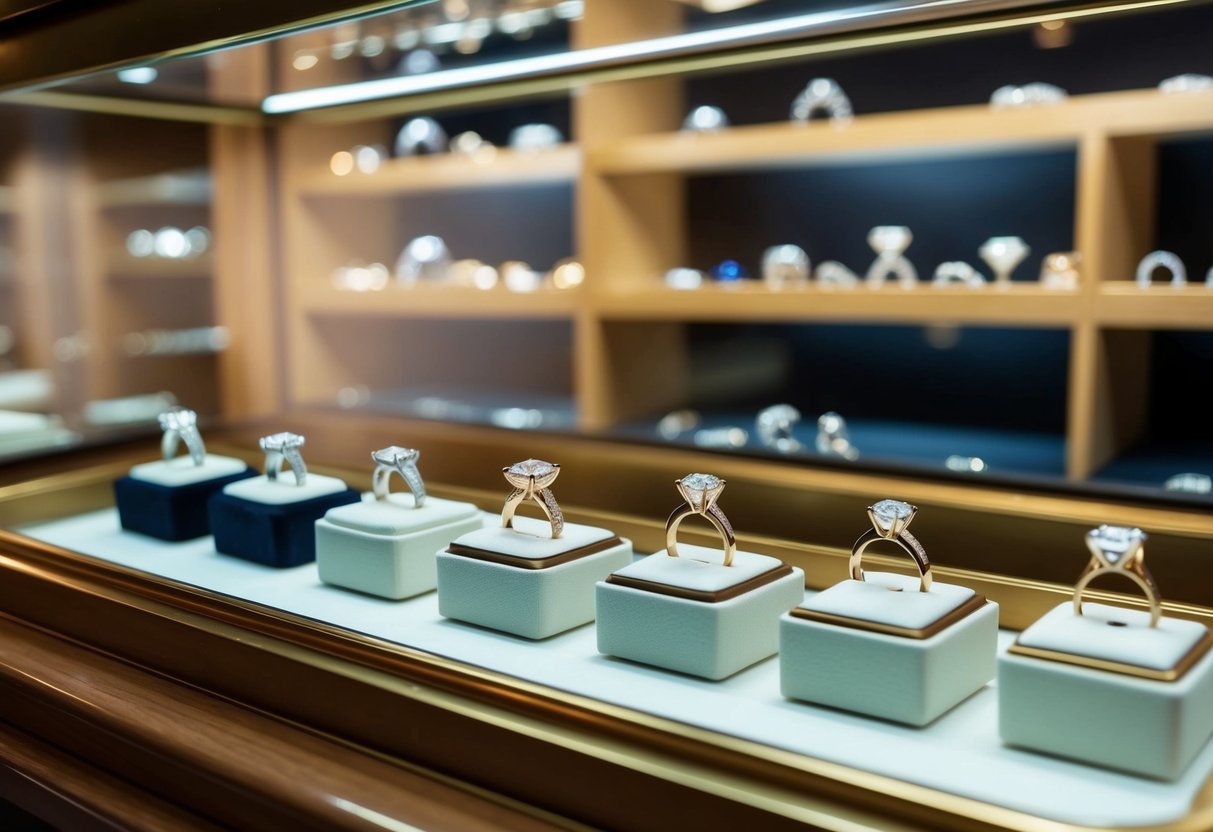
Finding the perfect engagement ring is about more than just the style. You should think about the setting, metal type, and even the gemstone itself. Each choice reflects your personal taste and budget while ensuring that the ring is meaningful for both of you.
Selecting the Setting and Metal
When choosing the setting and metal for your engagement ring, consider what suits your lifestyle and personal preferences. Popular settings include the solitaire, which features a single stone, and the halo setting, where smaller stones surround the main gem for added sparkle.
The metal type is also important. Platinum is durable and has a sleek look. Yellow gold gives a classic feel, while white gold offers a modern touch. For something a bit different, rose gold provides a unique, romantic look that many couples love. Each metal has its advantages, so think about what you both prefer.
Considering Alternative Gemstones
While diamonds are a common choice, many couples are exploring diamond alternatives, such as lab-grown diamonds, moissanite, and colored gems.
Lab-grown diamonds offer the same beauty as natural diamonds at a lower price, making them an appealing option. Moissanite is another great choice, known for its brilliance and fire, often at a fraction of the cost of diamonds.
If you want something truly unique, consider colored gems like sapphires or emeralds. These stones can reflect personal stories or favorite colors, making the ring even more special.
Custom Designs for Personal Touch
If you want a ring that perfectly matches your vision, custom designs are an excellent option. Collaborating with a jeweler allows you to choose every detail, from the type of metal to the style of the setting.
You can opt for a prong setting for a classic look, or a bezel setting for a sleek, secure appearance. Think about your favorite styles and elements when designing the ring. Adding personal touches, like engraving or choosing specific stones, ensures the ring is unique to your love story. This process can create a special bond as you make decisions together.
The Purchase Process
When you’re ready to buy an engagement ring, it’s important to know where to shop, how to evaluate financing, and what to consider for wedding band integration. These factors can guide you to make the best choices.
Where to Buy
You have several options for buying an engagement ring. Local jewelers often provide personalized service and unique designs. They can help you choose between different styles for the engagement ring setting or even assist with custom designs.
Online retailers offer convenience and often a wider selection. Look for reputable sites with good reviews. Some places allow you to customize your ring, letting you choose the center stone and metal.
Remember to check their return policies and certification for stones, especially if you consider lab-created diamonds, which can be more affordable.
Evaluating Financing Options
Financing an engagement ring can make your purchase easier. Many jewelers offer payment plans or credit options.
Before choosing a financing plan, consider the interest rates and total costs. Some credit cards may offer special interest rates for purchases. Be sure to check for any fees that might apply. Understanding your budget is crucial to avoid stress later, especially when planning your wedding.
Planning for the Future: Wedding Band Integration
When you choose the engagement ring, consider how it will pair with the wedding band. Matching styles can enhance their overall look. You may also want to consider a unified design, where the band fits snugly against the engagement ring.
Many jewelers offer sets that include both pieces, which can simplify your selection. If you prefer a custom design, make sure both rings complement each other. Also, be aware of prices that go along with wedding bands, as they can range widely based on design and materials.