
What Does the Bride Pay for in a Destination Wedding? A Quick Guide to Wedding Expenses
Planning a destination wedding can be exciting but also a bit confusing, especially when it comes to finances. Typically, the bride pays for the venue, reception, and many related expenses, such as decorations and catering. Understanding what you are expected to pay for helps you prepare better for your big day in a beautiful location.

It’s also important to consider wedding etiquette in these situations. Often, the bride’s family covers the ceremony costs, while the couple may handle other expenses. Knowing who pays for what can ease some stress and help you plan a memorable celebration for you and your guests.
As you dive into the details of your destination wedding, remember that clear communication with your partner and families can make a significant difference. With the right information, you can focus on what matters most: enjoying your special day in a stunning location.
Understanding the Basics of Destination Wedding Expenses

When planning your destination wedding, knowing who pays for what is crucial. Financial responsibilities can vary greatly from traditional weddings. By identifying these roles early, you can create a clearer wedding budget and avoid misunderstandings later.
Defining Responsibilities
In a destination wedding, it’s essential to clarify who is responsible for various expenses. Typically, the bride covers costs like her dress and personal beauty items.
Here’s a breakdown of typical financial responsibilities:
- Bride: Dress, beauty treatments, and personal accessories.
- Groom: Suit, wedding ring, and transportation.
- Parents of the Bride: Often handle expenses like the rehearsal dinner and bridal shower.
- Guests: Usually pay for their travel and accommodation.
By defining these items early in the process, you can set expectations and ensure everyone is on the same page.
Setting a Budget
A well-planned budget is your best tool for a successful destination wedding. Begin by listing all potential wedding-related expenses. Think beyond just the venue and include travel, food, and decorations.
Here are some key budgeting tips:
- Research Costs: Look into average prices for venues and local vendors.
- Include Guests: Remember their travel fees; that affects your budget too.
- Think Ahead: Set aside a contingency fund for unexpected costs.
Make sure to discuss your wedding budget with your partner and families. This collaborative effort helps manage finances and supports your planning efforts.
Bride’s Financial Responsibilities

As the bride planning a destination wedding, you’ll be responsible for several key expenses. Understanding your financial duties can help you budget effectively and ensure a smooth planning process.
Ceremony and Reception Details
You will typically cover costs related to the ceremony and reception locations. This includes the wedding venue fees, which can vary greatly depending on the location and services provided.
You might also want to hire a wedding planner who specializes in destination events. They can assist with logistics, making it easier for you to coordinate everything from floral arrangements to rental items.
Don’t forget to budget for reception costs, such as catering and beverages. If your venue requires a specific caterer, it’s wise to get estimates ahead of time. Special touches like decor can also enhance your day.
Attire and Beauty
Your wedding attire is a significant expense. This includes not just the dress but also accessories, shoes, and any bespoke items you may want. Make sure to allocate funds for your hair and makeup, particularly if you’re using local professionals.
Consider additional costs for fittings or alterations, especially since a destination wedding may require adjustments post-travel. Many brides also choose to have a stylist travel with them, which can add to your beauty budget but could ensure you look your best.
Planning ahead can help you manage these costs effectively!
Guests and Wedding Party Costs
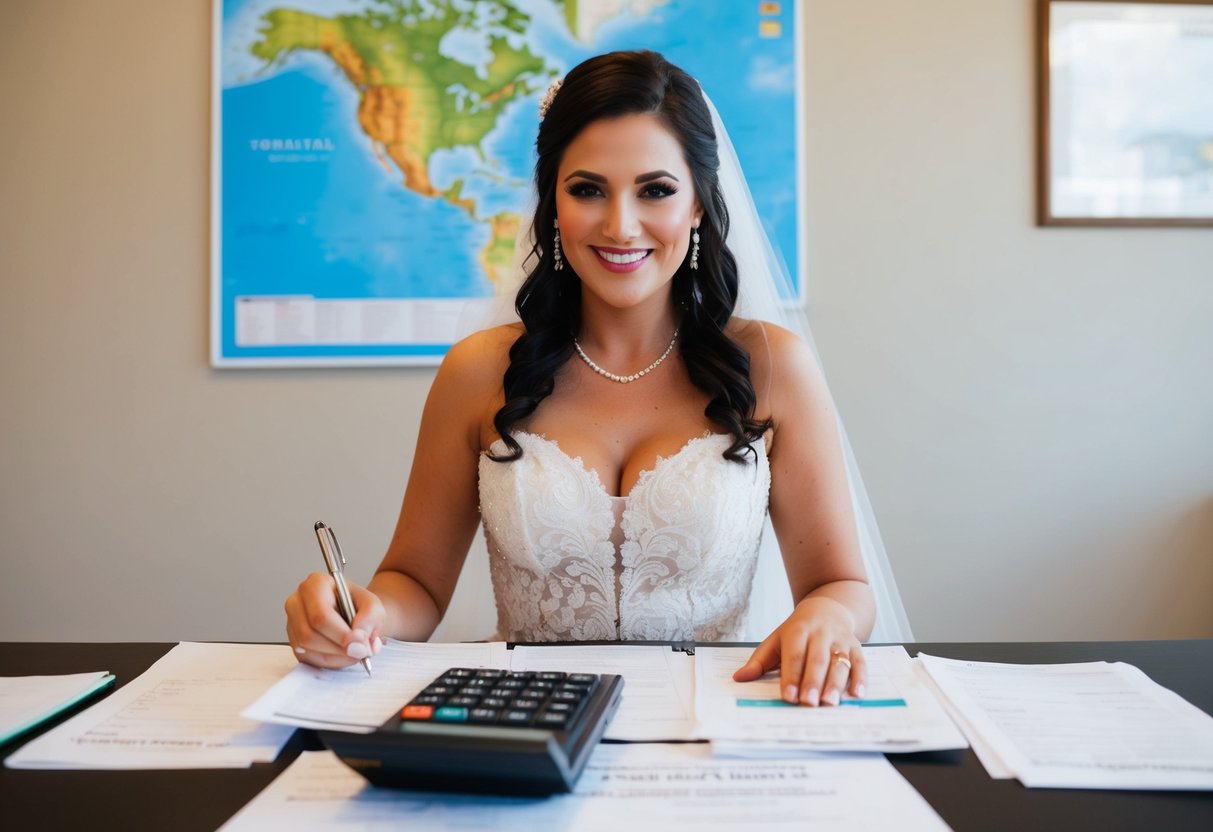
Planning the financial aspects of your destination wedding includes understanding how guests and the wedding party will cover their costs. Here are some important considerations regarding accommodations, travel deals, and events surrounding the wedding.
Accommodations and Travel Deals
Your guests will need to arrange their accommodations for the wedding. It’s helpful to provide them with options that offer group rates to lower costs. You can block rooms at nearby hotels, making it easier for everyone to stay together.
Consider negotiating with hotels for a discount on group bookings. This can create a more enjoyable experience for your guests and provide convenience.
For travel expenses, guests are expected to pay for their own plane tickets and transportation to the venue. Make sure to share flight options and potential group activity ideas, like shuttles, which can make travel easier. They should also prepare for extra costs related to getting around the destination.
Pre-Wedding and Post-Wedding Events
As the bride, you may also plan pre-wedding and post-wedding events like a welcome dinner or a morning-after brunch. While these events can be enjoyable, they often require your guests to incur extra costs.
Typically, the couple covers the rehearsal dinner. Make sure you communicate with your guests about what is included. It helps to create a clear list of events so they can budget accordingly.
Additionally, the welcome party is a nice touch for guests to mingle. Consider offering thoughtful options that don’t add too much stress to your budget. By being upfront about these expenses, you keep your guests informed and prepared.
Additional Considerations for Destination Weddings
When planning a destination wedding, you need to think about communication and how to engage your guests. Additionally, planning non-wedding activities can enhance the experience for everyone involved.
Communication and Invitations
Clear communication is key for a successful destination wedding. Start by sending out save-the-dates early, ideally six to eight months before the event. This gives your guests ample time to arrange their travel and accommodations.
Use digital invitations or wedding websites to share important details. Include information about travel, hotel options, and any planned activities. Consider setting up a group chat to keep everyone in the loop.
If you’re using an all-inclusive resort, make sure guests know what’s included in their stay. Provide them with contacts for your wedding planner to answer any questions. Good communication reduces stress for you and your guests.
Planning Non-Wedding Activities
Planning activities beyond the wedding can make the trip memorable for all.
Consider group outings like snorkeling, sightseeing, or local food tours. This allows your guests to bond and explore the destination together.
You can create an itinerary of fun non-wedding activities. Share options that cater to various interests so everyone feels included. Include details about costs, and let guests choose which activities to join.
If you’re at an all-inclusive resort, check if they offer activities or excursions. This can simplify logistics and keep everyone entertained.
Remember, happy guests make for a joyful celebration!