
What Does the Bride Walk Down the Aisle To? Exploring Perfect Wedding Music Choices
One of the most memorable moments of a wedding ceremony is when the bride walks down the aisle. The music that plays during this moment sets the tone for the entire event, and it’s often chosen to reflect the couple’s personality and the emotions of the day. Whether it’s a classic piece, a modern love song, or a unique composition, this choice is deeply personal and helps make the walk even more special.
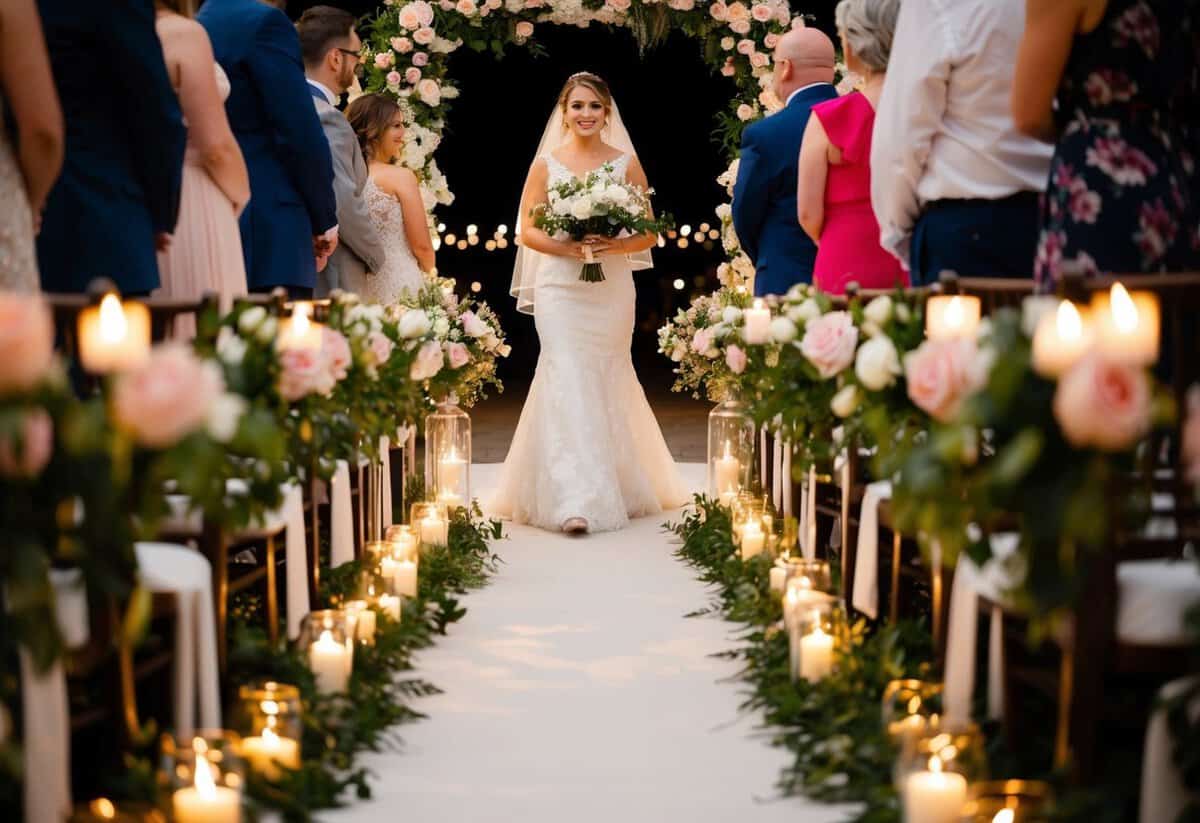
As you plan your wedding, think about what kind of atmosphere you want to create. Many brides choose songs that are meaningful to their relationship or evoke strong feelings. The right music can bring tears of joy or create an exciting energy as you prepare to say “I do.”
Finding that perfect song can be a fun part of your wedding planning. It’s a chance to express your love story and create lasting memories for yourself, your partner, and your guests. Consider what resonates with you both as a couple, and let that guide your choice for the processional.
The Significance of the Aisle in Weddings
The aisle in a wedding holds great meaning. It represents the journey the bride takes toward her future with her partner. Understanding cultural and processional roles can enhance your appreciation of this important moment.
Cultural Variations of Aisle Traditions
Different cultures have unique customs regarding the aisle. In a Jewish wedding processional, the bride may walk down the aisle with both parents, symbolizing family unity. The couple often stands under a chuppah, signifying the home they will build together.
In a Christian wedding processional, the father typically escorts the bride, highlighting his support and blessing. This moment is filled with emotion as the bride walks toward her future with the groom.
Hindu weddings feature vibrant rituals, often with the bride’s brothers leading her. This underscores family involvement and the importance of relationships.
Understanding these traditions adds depth to the ceremony and makes your own wedding even more special.
Roles in the Wedding Processional
During the wedding processional, every participant has a specific role. The bride usually walks down the aisle last, drawing attention as she makes her entrance. This moment is highly anticipated by the guests.
Following the bride are the bridesmaids and groomsmen. They walk together in pairs, symbolizing support for the couple. The maid of honor often walks alone or with the best man, highlighting her important role.
The flower girl and ring bearer may lead the way, adding charm and innocence to the ceremony. Each person’s role in the processional contributes to the overall ambiance and significance of the wedding day.
Who Escorts the Bride?
When it comes to the wedding ceremony, selecting who escorts the bride is a meaningful decision. This choice can reflect personal values, family dynamics, and traditions. Understanding these options can help you plan your special day with care.
Traditions and Modern Adaptations
Traditionally, the father of the bride walks her down the aisle. This act symbolizes giving her away. However, many modern marriages embrace different customs.
Some brides choose to have both parents escort them, highlighting family support. Others might walk alone, showcasing independence. Couples often personalize this moment, opting for unique arrangements that represent their journey together.
No matter the choice, make sure it feels right for you. Include your partner in discussions about your walk down the aisle. This shared decision can strengthen your bond as you prepare for your wedding day.
Family Dynamics and Wedding Planning
Family relationships play a huge role in deciding who escorts you. If parents are divorced, consider how to handle that situation respectfully. Some brides have their mother or a close family member escort them.
It’s also important to think about the feelings of each family member involved. Open conversations can clear any tension and lead to a more harmonious wedding planning process. Your comfort and happiness should always come first in these decisions.
Wedding Ceremony Positions and Symbolism
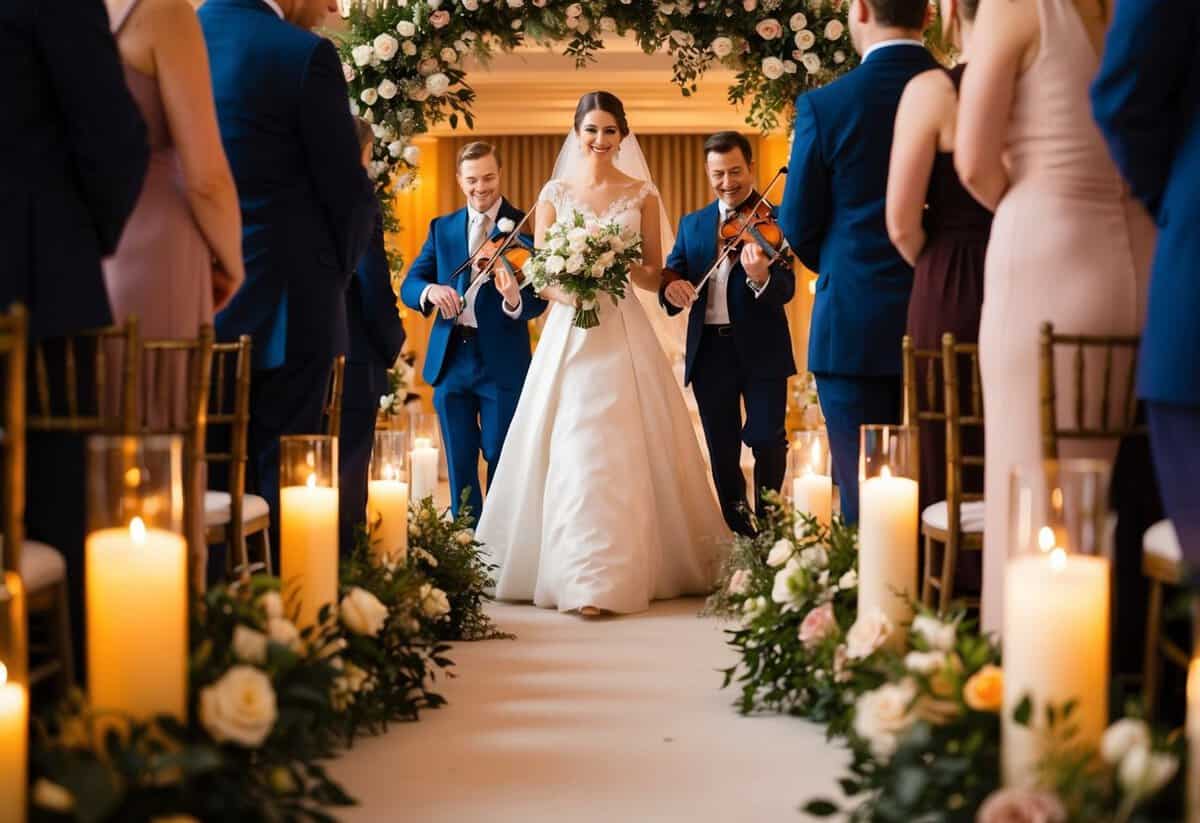
In a wedding ceremony, the positions of everyone involved, from the bride to the guests, hold special meaning. Understanding these positions can enhance the significance of your big day and create a memorable experience.
Understanding Seating Arrangements
Seating arrangements set the tone for the ceremony. In most traditional weddings, the groom’s parents sit on the right side. The bride’s family typically occupies the left side. This custom reflects the joining of two families.
During the processional, grandparents often have a designated place in the front rows. This honors their importance in your life. The officiant usually stands at the altar, often under a chuppah or mandap, depending on cultural traditions. These structures symbolize the sacred space of marriage.
Ceremonial Components and Their Meanings
Every element of the ceremony plays a part in expressing values and beliefs. For example, in Jewish weddings, the chuppah signifies the new home the couple will build together. In Hindu weddings, the mandap serves a similar purpose, representing the couple’s union under divine guidance.
Further along in the wedding processional order, parents of the bride often escort her down the aisle. This gesture symbolizes her transition from her family to her new life with the groom. The groom usually stands on the right-hand side, adding to the traditional balance of the ceremony.