
What Does the D Stand for in RSVP? Understanding the Meaning Behind the Acronym
When you see “RSVP” on an invitation, you might wonder about its meaning, especially the “D.” The “D” in RSVP stands for the French word “répondez,” which means “respond.” This initialism encourages you to let the host know if you will attend their event.
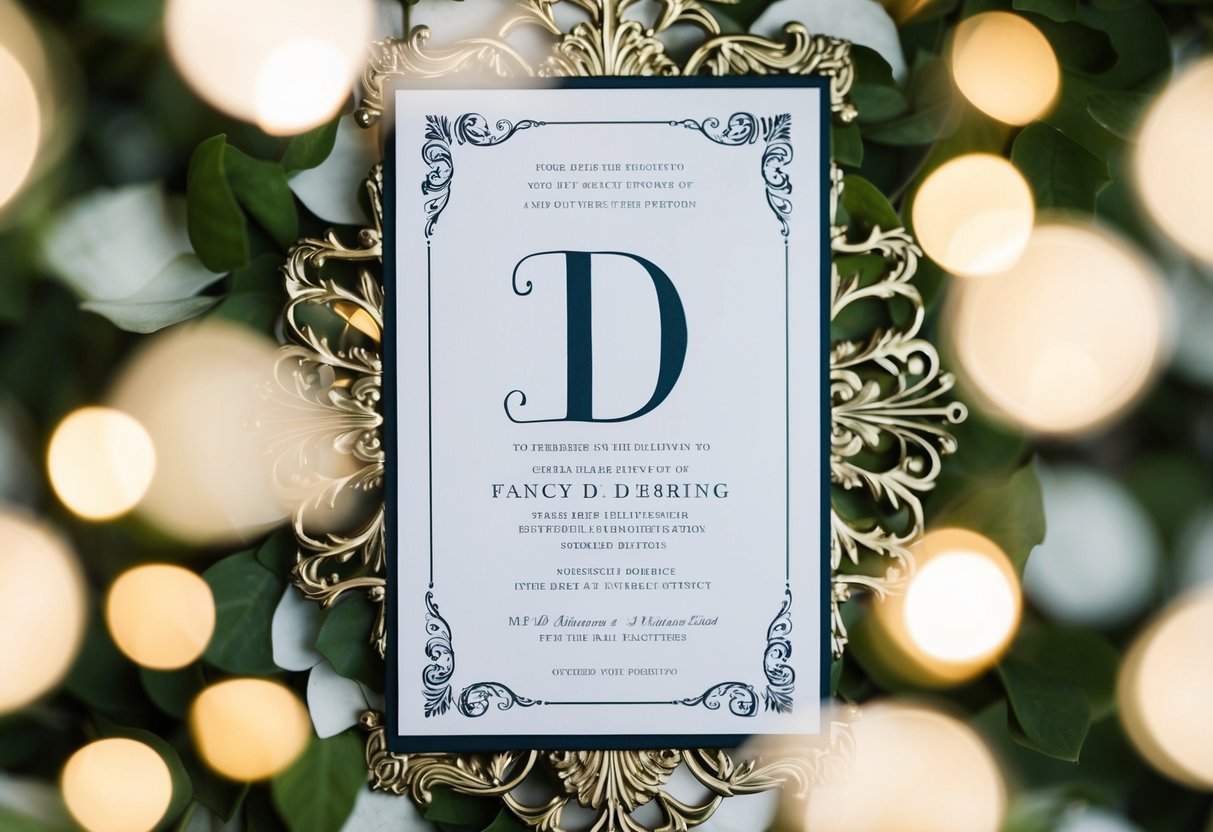
Understanding this can help you navigate social invitations more smoothly. When you respond to an RSVP request, you show appreciation for the host’s efforts and help them plan more effectively.
Understanding RSVP
When you see “RSVP” on an invitation, it’s asking you to respond. This abbreviation comes from the French phrase Répondez s’il vous plaît, which means “please reply.”
This simple request is important for hosts planning events. They need to know how many guests to expect for things like food and seating.
Here are some key points about RSVPing:
- Politeness: Responding to an RSVP shows respect to your host.
- Timeliness: Always try to reply by the date mentioned on the invitation.
- Ways to Respond: You can reply by phone, text, or email, depending on what’s best for you and your host.
Ignoring an RSVP can leave your host guessing. They want to make the event enjoyable for everyone, including you!
If you plan to attend, let them know as soon as possible. If you can’t make it, it’s still nice to inform them. This helps avoid confusion and helps with their planning.
The Etiquette of Responding

Responding to invitations is a key part of showing respect to your hosts. Understanding how to fill out an RSVP card, what to do as a guest or host, and how to respond using text or digital means are all important.
How to Fill Out an RSVP Card
When you receive an RSVP card, take the time to fill it out correctly. Start by writing the full names of all the guests attending. This helps the hosts know who to expect.
Next, indicate if you will attend. You might see options like “accepts with pleasure” or “regretfully declines.” Be clear to avoid confusion. Don’t forget to include any dietary restrictions, if requested.
Finally, send it back as soon as possible. A prompt reply is always appreciated and makes planning easier for your hosts.
RSVP Etiquette for Hosts and Guests
Both hosts and guests play a role in RSVP etiquette.
As a guest, always respond promptly to an invitation. If the host asks for a reply by a certain date, honor that request. This helps them finalize numbers for food and seating.
For hosts, providing a means to respond is essential. Include your email or phone number on the invitation. This makes it easy for guests to reach out.
Both parties should maintain clear communication. If plans change, let each other know right away. Being courteous helps ensure everyone feels respected.
RSVP via Text and Digital Means
In today’s digital world, RSVPing can often be done via text or other online methods.
If you receive an invitation by text, it’s perfectly acceptable to respond in the same way. Just make sure your answer is clear.
For formal events, it’s usually best to use the method specified by the host. If they ask for an RSVP card, take that route instead.
Remember to keep your response polite and concise. A simple message like “I’m in!” or “Thanks for the invite, but I can’t make it” works great. Digital communication should still reflect the same courtesy as traditional methods.
Event Planning with RSVPs

When planning an event, RSVPs are key to making everything run smoothly. They help you manage your guest list, decide seating arrangements, and handle specific invitations effectively. Here’s how you can make the most of RSVPs in your event planning.
Creating a Guest List
Start by listing all the people you want to invite. This will be your guest list.
Consider close friends, family, and colleagues who you want to share your special day with.
Once your list is ready, you can add details like contact information. This makes it easier to send out your wedding invitations.
Make sure to categorize your guests. For example, you can have sections for family, friends, and work colleagues. This will help you keep track of who is invited and who has confirmed.
Seating Arrangements and RSVP Cards
Seating arrangements can be tricky, but RSVPs help simplify this process. After you receive responses, start mapping out where guests will sit.
You can use RSVP cards for formal events. These cards typically ask for guests’ names and how many will attend. Some might even include a checkbox for meal preferences.
When seating, consider relationships. Group family together and mix friends with new faces. This creates a warm atmosphere that encourages conversation.
Handling ‘Regrets Only’ Invitations
Sometimes, you might want a more relaxed approach with “regrets only” invitations. This means guests only need to respond if they can’t attend.
For this type of invitation, make sure to communicate clearly. Indicate that you only need a “yes” if they can come.
This method can be helpful for casual gatherings. You can still plan for a large gathering without stressing over exact numbers. Just be ready for surprises, as RSVPs may come in last minute!
RSVP in Practice
When you receive an invitation that asks you to RSVP, it’s important to understand how to respond correctly. This not only shows courtesy but also helps the host plan better for the event. Knowing how to express your reply and handle formalities can make the process smoother.
Past Tense of RSVP
When you want to talk about replying to an invitation in the past, you can say “RSVP’d.” This form makes it clear that you have already replied to the invitation.
Instead of saying, “I RSVPed,” you would typically use “I RSVP’d” to indicate that the action is complete. It’s a little quirky since RSVP comes from French, meaning “please respond.”
In casual situations, people often just say they “replied to the invitation.” However, using the correct past tense makes your communication clearer, especially in more formal settings.
Responding to a Wedding Invitation
Wedding invitations often ask you to RSVP to help the couple plan their big day. When you receive such an invite, check the details on the RSVP card or section.
You might see options for your meal choice and whether you’ll bring a guest. Make sure to fill this out accurately.
Reply promptly, as many venues require a final guest count ahead of time. Whether you can attend or not, a quick response is appreciated and helps the couple immensely. Always remember to be polite and specify if you can’t make it.