
What Does the Father of the Bride Do When He Gives Her Away? Understanding His Role in the Ceremony
As the big day approaches, you might wonder about the special role of the father of the bride during the wedding ceremony. When he gives you away, it symbolizes his love and support as you start a new chapter in your life. This tradition, deeply rooted in history, reflects the bond between a father and daughter and is a moment filled with emotion.
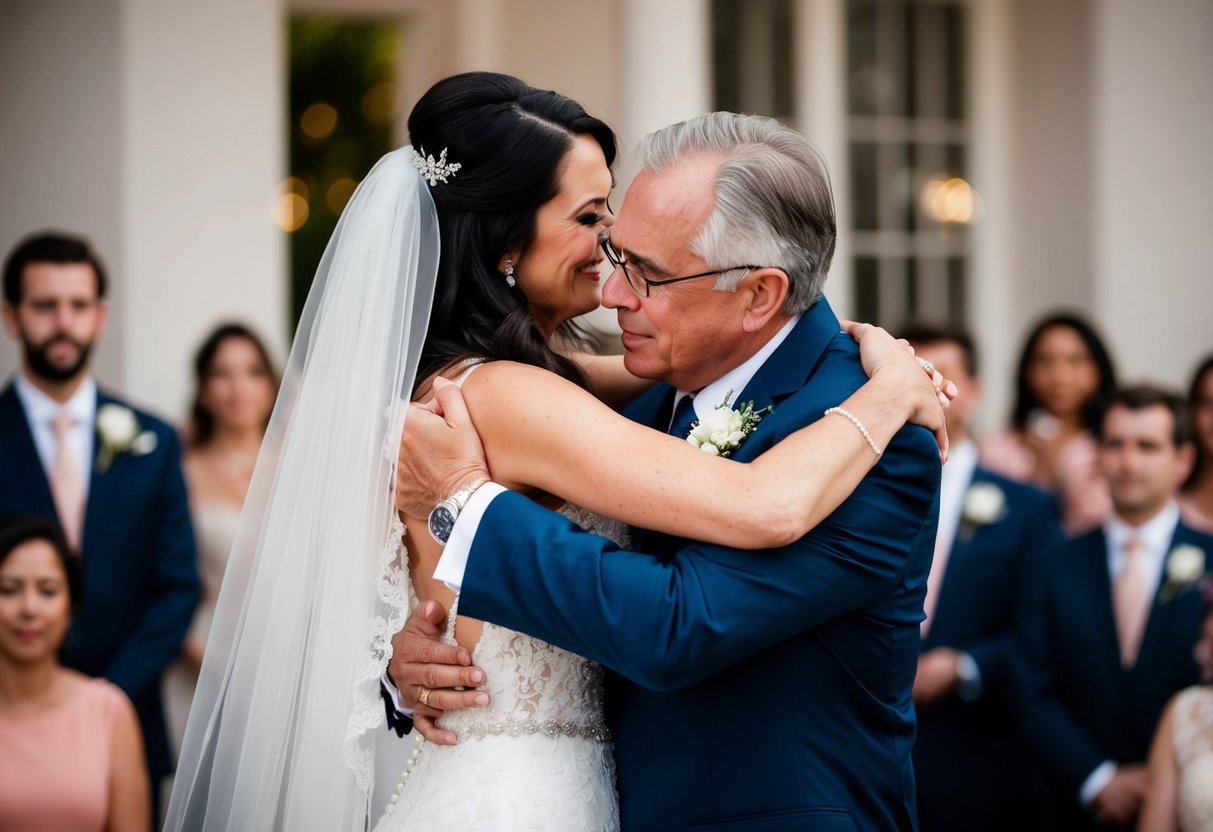
During this significant moment, the father typically walks you down the aisle, showcasing a sense of pride and joy. While the traditional phrase “Who gives this woman to be married to this man?” is often used, many fathers respond in different ways, sometimes including both parents for a more modern touch. This act of giving you away not only honors family ties but also marks your transition into marriage.
Understanding what the father of the bride does can help make your wedding ceremony even more meaningful. Whether he simply walks you down the aisle or steps into a more prominent role, the focus remains on the love and support you both share as you embark on this new journey together.
Role of the Father of the Bride
The father of the bride plays a significant role during the wedding process. From supporting your daughter through planning to sharing an emotional moment at the ceremony, these duties are important.
Before the Wedding Day
In the time leading up to the wedding, your role is crucial. You will help with wedding planning by supporting your daughter in choosing vendors, creating a budget, and selecting the guest list.
It’s also common for you to be involved in planning the rehearsal dinner. This is often a chance for family and friends to connect before the big day. You can help make it a memorable event by choosing the venue, sending out invites, and coordinating the food.
Your support during this time can ease your daughter’s stress, making the whole process smoother and more enjoyable.
Walking Down the Aisle
On the wedding day, one of your key moments is walking your daughter down the aisle. This is not just a physical act; it is a symbolic gesture that showcases your support and love.
As you wait for the ceremony processional to start, take a moment to breathe. This is a special occasion filled with emotions.
When it’s time, you’ll walk arm in arm with her, creating a meaningful connection. This moment often brings tears of joy and happiness for both of you, serving as a sign of your blessings for her new life.
Giving the Bride Away Ceremonially
The actual act of giving your daughter away is one of the most traditional parts of a wedding. As you approach the altar, you may be asked, “Who gives this bride away?”
Your response signifies your blessing and support for your daughter’s new journey. While some may say, “I do,” others might prefer a heartfelt statement to honor the moment.
This emotional moment is a highlight of the ceremony. Your words can resonate deeply, showcasing your pride and love as she takes this significant step.
Understanding the Tradition
The tradition of giving away the bride has deep roots and has seen many changes over time. You might wonder how it started, how it varies across cultures, and what it means today. Let’s look into its historical background, cultural differences, and modern interpretations.
Historical Context
This tradition dates back centuries when women were often viewed as property. In arranged marriages, fathers would give their daughters to the groom, symbolizing a transfer of ownership. This was sometimes linked to the idea of a dowry, where the bride’s family offered money or goods to the groom’s family.
In these past societies, the act was seen as a legal transaction. It was not uncommon for brides to feel pressure from family expectations. Over time, as marriage became more about love, the meaning of giving away the bride shifted significantly.
Cultural Variations
Different cultures have unique takes on this tradition. For instance, in Jewish weddings, the father often accompanies the bride to the chuppah, symbolizing his blessing.
In Christian ceremonies, the father presents the bride to the groom, reinforcing family unity. You may also notice variations in modern weddings where both parents or even siblings participate, emphasizing support rather than ownership.
In some cultures, such as certain Asian traditions, the concept can include elaborate ceremonies, representing the union of two families, beyond just the couple’s love.
Modern Interpretations
Today, giving away the bride is often more about personal choice. Many see it as a way for the father to express his support and blessing for the marriage.
You can also see couples choosing to personalize this moment. Some brides invite both parents to walk them down the aisle or even choose close friends for this role.
This shift reflects current views on partnerships where equality and shared decision-making take center stage. It’s a beautiful way to honor tradition while also embracing modern values.
Alternative Ways to Honor the Family
When considering how to honor family at your wedding, think about including various family members in the ceremony. You can also create celebratory moments that reflect your family’s unique ties and support.
Various Family Members Participating
You can involve different family members in the ceremony to show their importance. For instance, the mother of the bride can play a significant role, perhaps lighting a unity candle or reading a special poem.
Your brother or uncle might walk you down the aisle if your father isn’t part of the day. This can symbolize family unity and support.
Even a stepfather or grandfather can step in to give a blessing or share a meaningful moment. This inclusion can help reaffirm family ties and celebrate blended families.
Inclusive Celebrations
Make your wedding an inclusive celebration by honoring diverse family relationships. If you identify as a modern bride, incorporating traditions from various cultures can add special meaning to your day.
You might want to have a special moment for all parents, expressing gratitude for their love.
Consider a family dance that includes everyone—this can be a touching way to recognize each family member’s role.
By embracing these alternatives, you can create a memorable celebration that highlights your family’s connection and support.
Father’s Roles Beyond the Ceremony
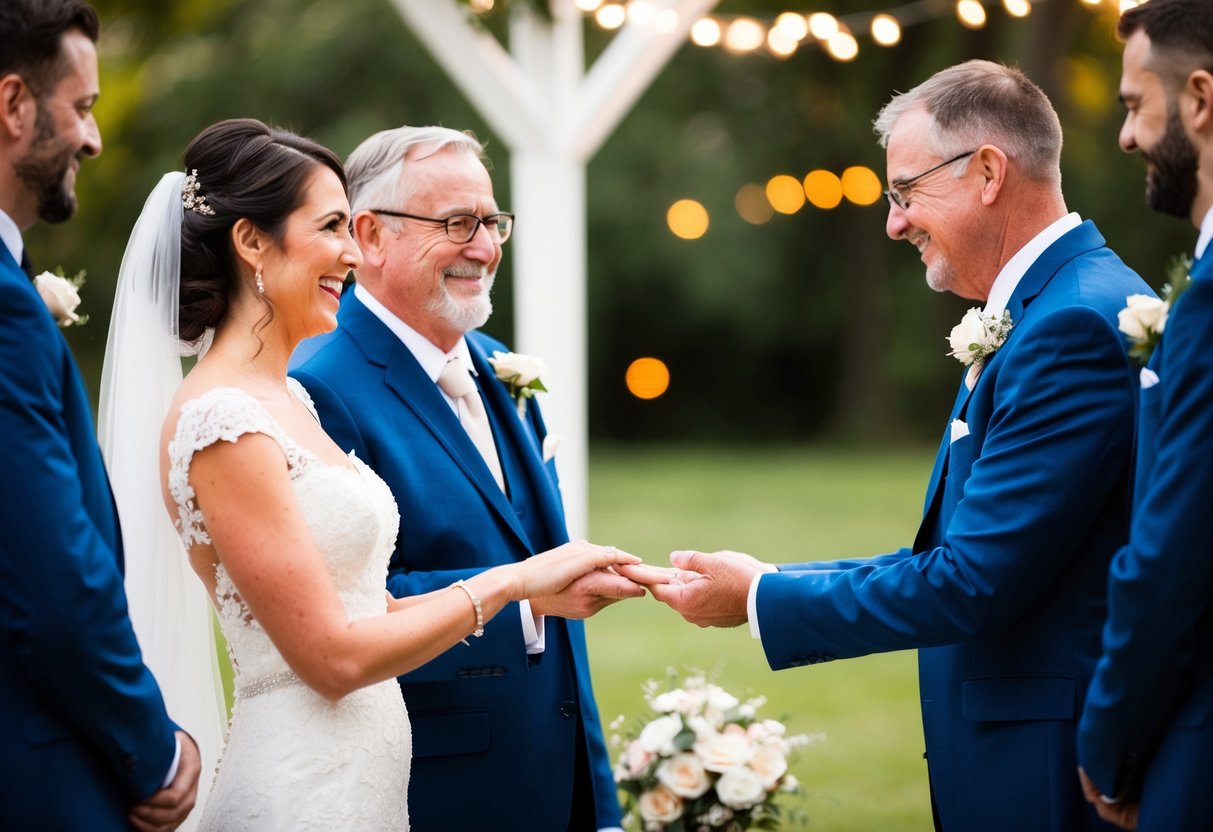
The father’s role at a wedding extends beyond the moment when he gives his daughter away. He plays important parts during the reception and often shares heartfelt messages that mark this special occasion.
Reception Participation
At the wedding reception, you have many opportunities to show your support and love. After the ceremony, you may lead the family and guests in the first dance. This moment symbolizes your bond and the transition of your daughter into a new life.
You’ll also be involved in greeting guests and helping ensure everyone is comfortable and enjoying the celebration. Many fathers choose to present a wedding gift—a special token like personalized jewelry for the bride to show appreciation and love. This can create a lasting memory of the event for both of you.
Father’s Blessing and Speech
A father’s blessing can be one of the most memorable moments of the day. During your speech, you might share heartfelt messages about love, trust, and support.
This is also a chance to express your blessing and approval of your daughter’s choice in her partner.
A good speech often includes a mix of fun stories and sincere wishes for the couple’s future.
You can mention the financial responsibilities you’ve taken on to help with the wedding costs and how proud you are of your daughter. This will highlight your commitment to her happiness as she begins this new chapter in life.