
What Does the Father of the Bride Pay For? A Guide to Wedding Expenses
When planning a wedding, one of the first questions that comes up is about who is responsible for paying for what. Traditionally, the father of the bride covers many wedding expenses, including the ceremony and reception costs. This expectation stems from long-standing customs, but it’s important to note that modern weddings offer more flexibility.

You may be wondering how these financial responsibilities are split among families. While the bride’s family, particularly her father, has historically taken on significant costs, today it is common for the groom’s family and the couple themselves to contribute to the wedding budget as well.
Understanding these roles can help in planning and ensure that everyone is on the same page during the wedding planning process.
Navigating wedding expenses can be overwhelming, but knowing what the father of the bride typically pays for can ease some of the stress. From the venue to the reception, having a clear idea of these financial responsibilities can lead to better communication and a smoother planning experience.
Pre-Wedding Contributions
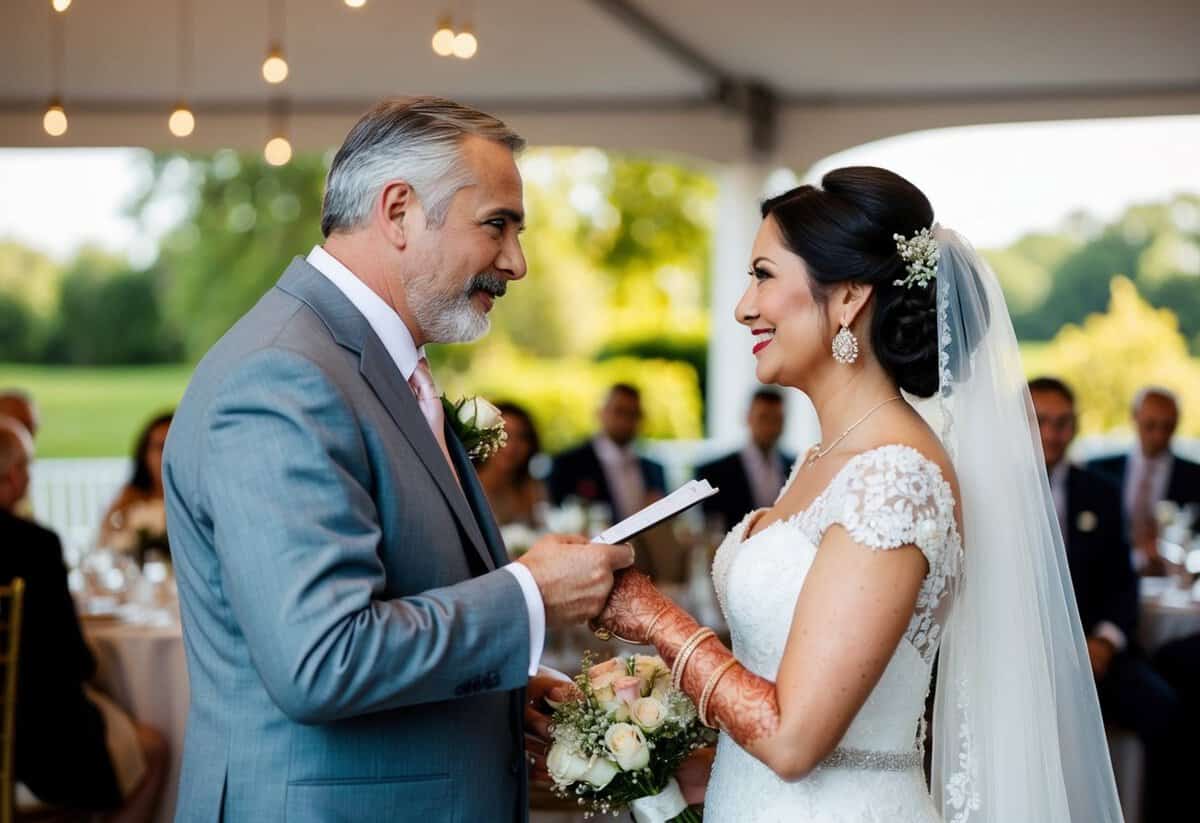
As the father of the bride, you may have various responsibilities leading up to the wedding. Two important areas where your contributions often come into play are the engagement party and bridal shower, as well as the marriage license and officiant fee.
Engagement Party and Bridal Shower
You might help pay for the engagement party, which is a chance for friends and family to celebrate the couple. This event typically takes place shortly after the engagement. Costs can include venue rental, food, drinks, and decorations.
The bridal shower is another celebration that often involves you. While the maid of honor usually organizes it, you may find it helpful to support financial contributions. This can cover the venue, catering, and activities. It’s a wonderful time for the couple to bond with family and friends before the big day.
Marriage License and Officiant Fee
When it comes to legalizing the marriage, you might assist with the costs of the marriage license. Fees vary by location, but you can expect to pay anywhere from $20 to $100. It’s important to check with the local government for specific requirements.
The officiant fee is another contribution you might cover. This fee can vary widely based on the officiant’s experience and the ceremony type. Typically, you can expect to pay between $200 and $500. Additionally, consider whether the officiant requires transportation or other expenses, as these can add up too.
Wedding Ceremony Essentials
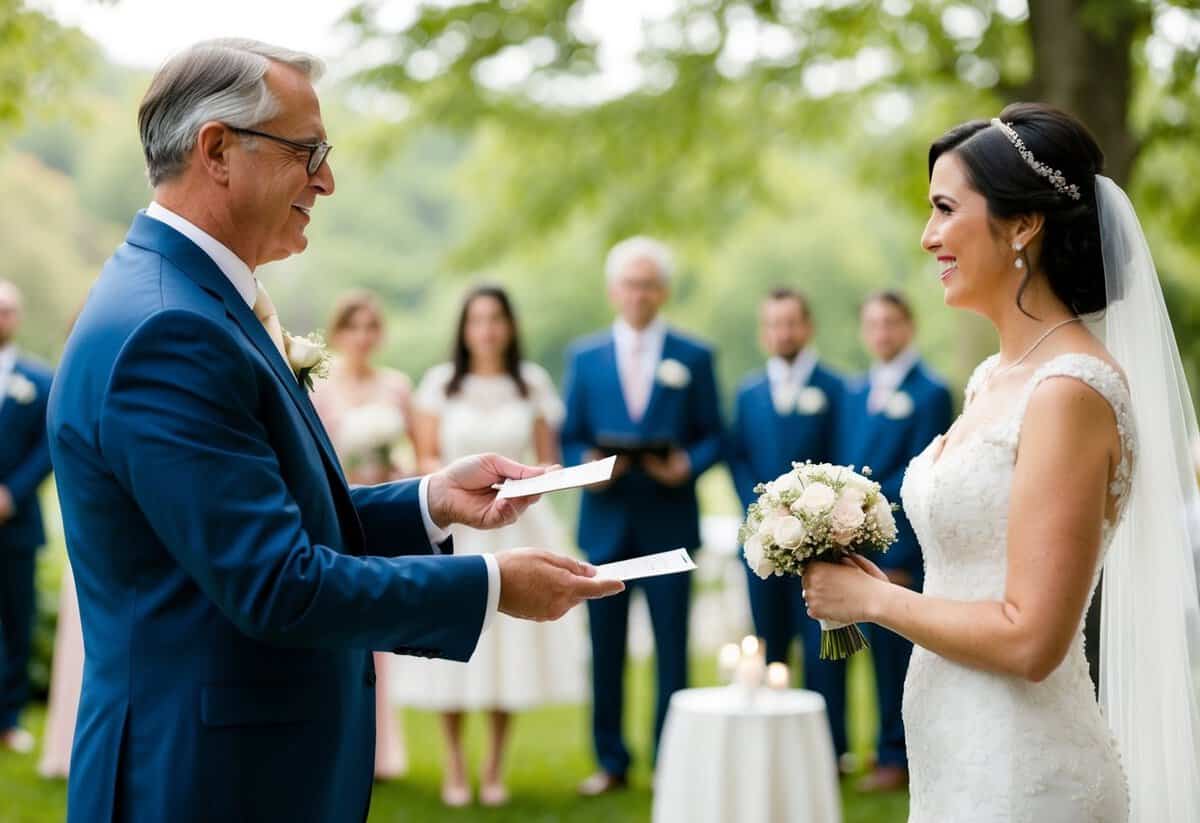
When planning the wedding ceremony, several important expenses come into play. You’ll need to consider the venue and officiant, as well as attire and rings. Each of these elements plays a key role in making the day special.
Venue and Officiant
Choosing the right wedding venue is crucial. Often, the father of the bride is responsible for this expense. Popular options include churches, gardens, or banquet halls. Venues vary widely in cost, so it’s wise to set a budget early.
Along with the venue, you’ll also need an officiant. They usually charge a fee that can range from a few hundred dollars to more, depending on their experience. It’s essential to book the officiant well in advance to secure your desired date.
Wedding Attire and Rings
Your choices in wedding attire significantly affect the budget. The bride typically wears a wedding gown, which can range from affordable to designer prices. Don’t forget about accessories like veils or shoes, which also add to the total.
On the groom’s side, the focus is often on the suit or tuxedo, along with the groom’s wedding band. As for rings, the engagement ring and wedding rings should be budgeted for as well. The costs can vary, so it’s helpful to shop around and explore options that fit your style and budget.
Reception and Celebration
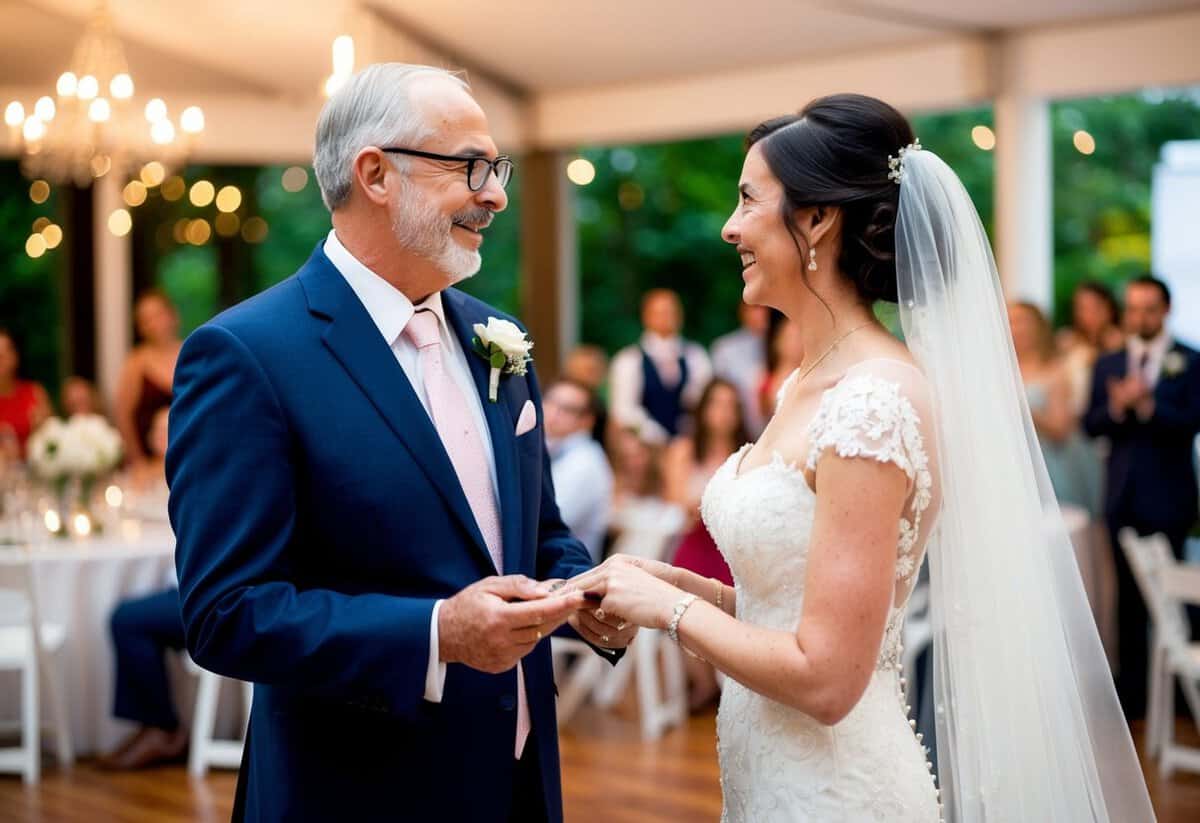
The reception is a big part of the wedding celebration. It’s the time for joy, dancing, and toasting to the couple. Key elements of the reception include catering, the wedding cake, and music, along with beautiful floral decorations. Let’s break down what the father of the bride usually pays for in these areas.
Catering and Cake
You will likely need to cover the catering expenses, which include the food and beverage selections at the reception. This can range from a full sit-down meal to a buffet. Hiring a catering service that offers a tasting menu can help you choose the right dishes that suit the couple’s style and preferences.
A wedding cake is often a significant expense too. The cake should not only look beautiful but also taste delicious. You can choose from traditional multi-tiered cakes to modern dessert alternatives like cupcakes or pastries. Make sure to order the right size based on the number of guests attending the celebration.
Music, Floral, and Decor
Music sets the mood for the entire reception. It’s common for the father of the bride to pay for hiring a DJ or live band to ensure guests enjoy themselves. Music plays a crucial role in getting everyone on the dance floor, creating memorable moments for the couple and guests.
Floral decorations are equally important. This can include centerpieces, bouquets, and arrangements that enhance the beauty of the venue. Work with a florist to choose flowers that match the wedding theme. Don’t forget about lighting; it can transform the reception space and create a magical atmosphere to celebrate love.
Post-Wedding Responsibilities

After the wedding, the father of the bride may have a few important responsibilities. These duties can include helping with honeymoon planning and organizing a post-wedding brunch. Each of these plays a big part in ensuring that the newlyweds start their journey together on a positive note.
Honeymoon Planning
You can play a key role in making the honeymoon special. While it’s primarily the couple’s decision, offering support can be valuable.
Consider these aspects:
- Budget: Help the couple create a realistic budget.
- Destination Options: Share ideas for destinations based on their preferences.
- Booking: If they ask, assist with booking flights or accommodations. You might have access to deals or discounts you can share.
Your involvement can help ease their workload and make the planning enjoyable. Plus, it’s a nice way to show your support for this new chapter in their lives.
Post-Wedding Brunch
A post-wedding brunch is a lovely way to gather friends and family after the big day. If you are hosting, consider these important details:
-
Guest List: Decide whether to invite everyone or keep it intimate.
-
Venue: Choose a comfortable place, like a restaurant or home.
-
Menu: Plan a mix of breakfast and lunch items. Think about dietary preferences.
You can also help by coordinating with caterers or making reservations. This gathering allows everyone to celebrate the couple and share special moments from the wedding. It’s a great way to continue the joy!