
What Does the Groom Carry the Bride Over? Exploring this Wedding Tradition
As you plan your wedding, you may wonder about the tradition of the groom carrying the bride over the threshold. This act symbolizes the couple’s new life together and the groom’s commitment to protect and care for his bride. It’s a sweet gesture rooted in history that adds a meaningful touch to your celebration.

Carrying the bride over the threshold can create a memorable moment as you step into your new home. This tradition has origins in ancient customs, where it was believed that this act would protect the bride from evil spirits and bad luck. It’s a charming way to honor the journey you are beginning together.
By including this lovely tradition in your wedding, you embrace a connection to those who came before you. It’s not just about the act itself; it’s about the promise of love and support that it represents in your marriage.
Origins of the Tradition
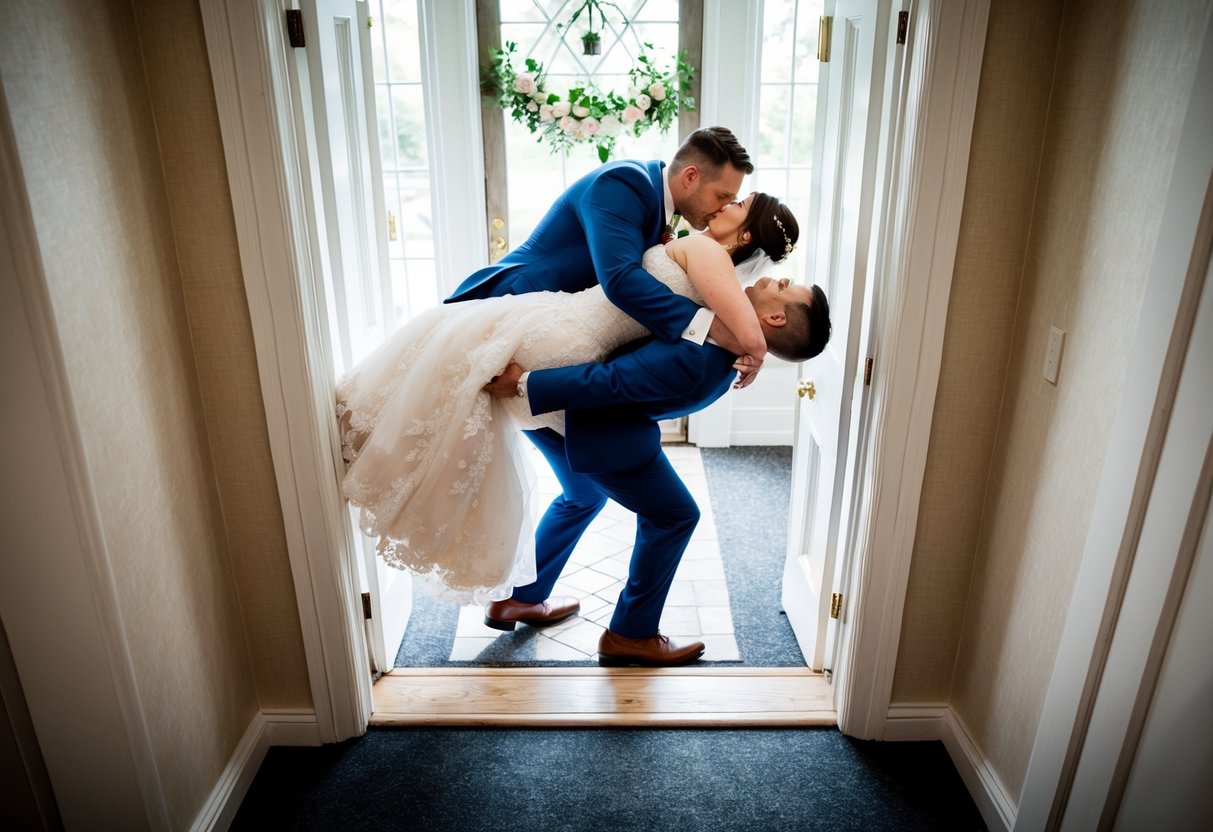
The tradition of carrying the bride over the threshold has interesting roots in history. It brings together elements from ancient mythology, superstitions, and ideas about chivalry. Each part adds to the meaning of this romantic gesture.
Roman Mythology and Medieval Europe
In Roman mythology, carrying the bride into the home had significant meanings. Romans believed that the bride might faint or be upset upon entering her new household. So, grooms would carry their brides over the threshold to protect them physically.
This practice also found its way into Medieval Europe. During this time, grooms carried their brides to shield them from the threshold, which was thought to be a transition point between good luck and bad luck. By lifting their brides, grooms showed honor and care. This symbolism continues today in many cultures around the world.
Superstitions and Evil Spirits
Superstitions played a big role in the tradition as well. In many cultures, thresholds were seen as a place where evil spirits lurked. These spirits could cause misfortune or negative energy for the couple.
To avoid these risks, grooms would carry their brides inside. This protective act aimed to keep the bride safe from any bad luck that might try to follow her. Furthermore, if a bride stumbled or fell while crossing the threshold, it was believed that ill fate would befall the couple. Thus, carrying her became a symbol of safety and care.
Chivalry and Devotion
The element of chivalry adds a romantic layer to this tradition. In medieval times, chivalry was all about honor, bravery, and devotion. Grooms lifted their brides not only as a duty but also as a sign of love and commitment.
This gesture shows that the groom is willing to protect and care for his bride in every aspect of life. The act of carrying her through the threshold represents the start of their journey together, filled with support and trust.
Wedding Day Rituals

On your wedding day, various rituals add beauty and meaning to the celebration. From the vital role of the best man to the symbolic act of crossing the threshold, these traditions enrich your wedding experience.
The Role of the Best Man
The best man is more than just a groomsman. This person plays a crucial part in the wedding ceremony. Traditionally, the best man was responsible for ensuring the groom’s safety and well-being.
His duties also include holding the rings, delivering a speech, and standing by the groom’s side. This role symbolizes friendship and support, making it a special position in the wedding.
The best man helps create a fun atmosphere during pre-wedding celebrations, like the bachelor party. His role is essential in providing helpful guidance and emotional support throughout the day.
Crossing the Threshold
Crossing the threshold is a time-honored wedding tradition that involves the groom carrying the bride into their new home. This act symbolizes the start of their life together and showcases the groom’s protective nature.
Historically, this tradition has roots in various cultures. In some cases, it was believed to protect the bride from evil spirits lurking at the entrance. The act also served as an assurance of the groom’s commitment and willingness to care for his bride.
This ritual has become a joyous moment during the wedding celebration. As you cross the threshold, it marks the transition into a new chapter of your lives, filled with love and partnership.
Cultural Significance and Modern Interpretation

The act of carrying the bride over the threshold is rich in cultural meaning. This tradition represents both unity and protection in the marriage. It also promotes intimacy and connection between the newlywed couple as they begin their shared journey together.
Symbolism of Unity and Protection
Carrying the bride symbolizes a strong commitment from the groom. This action creates a protective space for the new bride, showing that he will care for her in their married life.
This gesture has roots in various cultures, emphasizing a groom’s role as a protector against bad spirits and family demons. In modern times, this act represents the beginning of a unified partnership. It highlights love and commitment as you both step into a new life together. The physical act of carrying signifies not just strength but also emotional support that you promise to offer each other.
Intimacy, Connection, and Shared Journeys
The journey you embark on as a married couple starts with this intimate act. Carrying the bride over the threshold fosters a unique bond that signifies the transition from single life to married life. This romantic gesture helps deepen your connection.
As you enter your new home, this moment symbolizes the start of all your shared journeys. It brings a sense of excitement and a reminder of the love you have for each other. This tradition reinforces the emotional commitment and intimacy that are essential in a lasting relationship.