
What Does the Groom Pay for the Bride? A Breakdown of Wedding Expenses
Planning a wedding comes with many questions, especially about expenses. As you dive into the details of your big day, it’s important to know what costs usually fall on the groom. Traditionally, the groom pays for the engagement ring, his wedding attire, gifts for the bride and groomsmen, and sometimes additional wedding costs.
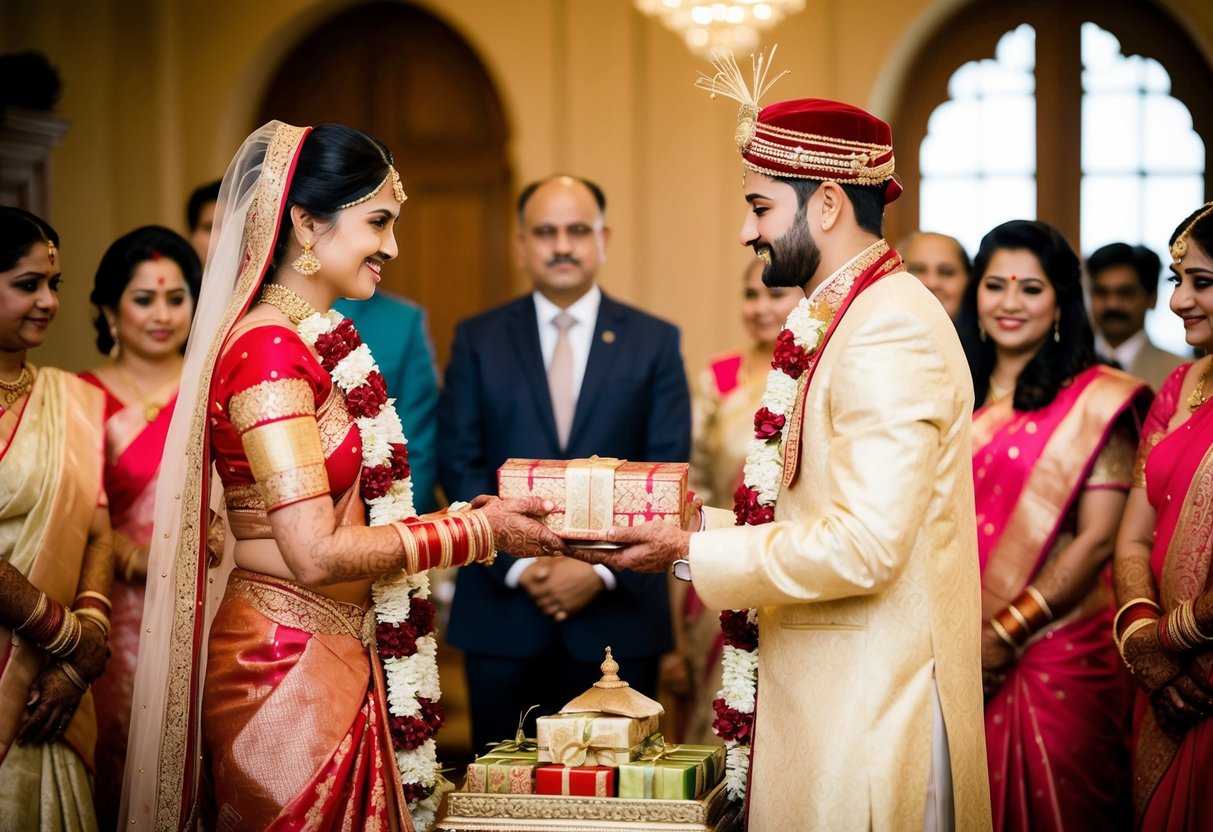
Understanding who pays for what can help you create a clearer wedding budget and reduce potential stress. In modern weddings, these roles can vary, and couples often share expenses differently than in the past. Knowing these trends can help you navigate your planning and make decisions that work best for you and your partner.
Whether you’re focusing on traditions or making your own path, being informed about what the groom is typically responsible for will assist you in the planning process. By knowing these details, you can ensure a smooth journey toward your special day.
Understanding Traditional & Modern Wedding Financial Responsibilities
Navigating the financial responsibilities of weddings can be tricky. You’ll see how traditions have shaped expectations and how modern practices are changing the game.
Historical Traditions and Emily Post’s Etiquette
Traditionally, the bride’s family took on most of the wedding expenses. This included costs like the venue, catering, and the wedding dress. The groom’s family typically covered the rehearsal dinner and officiant’s fees.
Emily Post’s etiquette rules specified that the groom should pay for the bride’s rings and honeymoon. These customs were widely accepted for many years. They established clear roles but often put a lot of pressure on families to meet these expectations.
Some families still adhere to these traditions, while others might blend them with their own preferences. Understanding this history can help you make informed choices for your own wedding.
Changing Dynamics in Modern Wedding Planning
In recent years, the approach to wedding expenses has evolved. Many couples today share costs with both families or even pay for the wedding themselves. This shift is largely due to changing societal norms.
The notion of what each party contributes is becoming more flexible. While some grooms still pay for traditional items like the bride’s rings, others may take on different costs or share them.
Modern weddings often reflect personal values and financial circumstances. Couples are encouraged to discuss expectations openly to create a plan that feels right for everyone involved. This collaboration helps ease the financial burden and fosters teamwork, making the day more enjoyable.
The Groom’s Financial Responsibilities
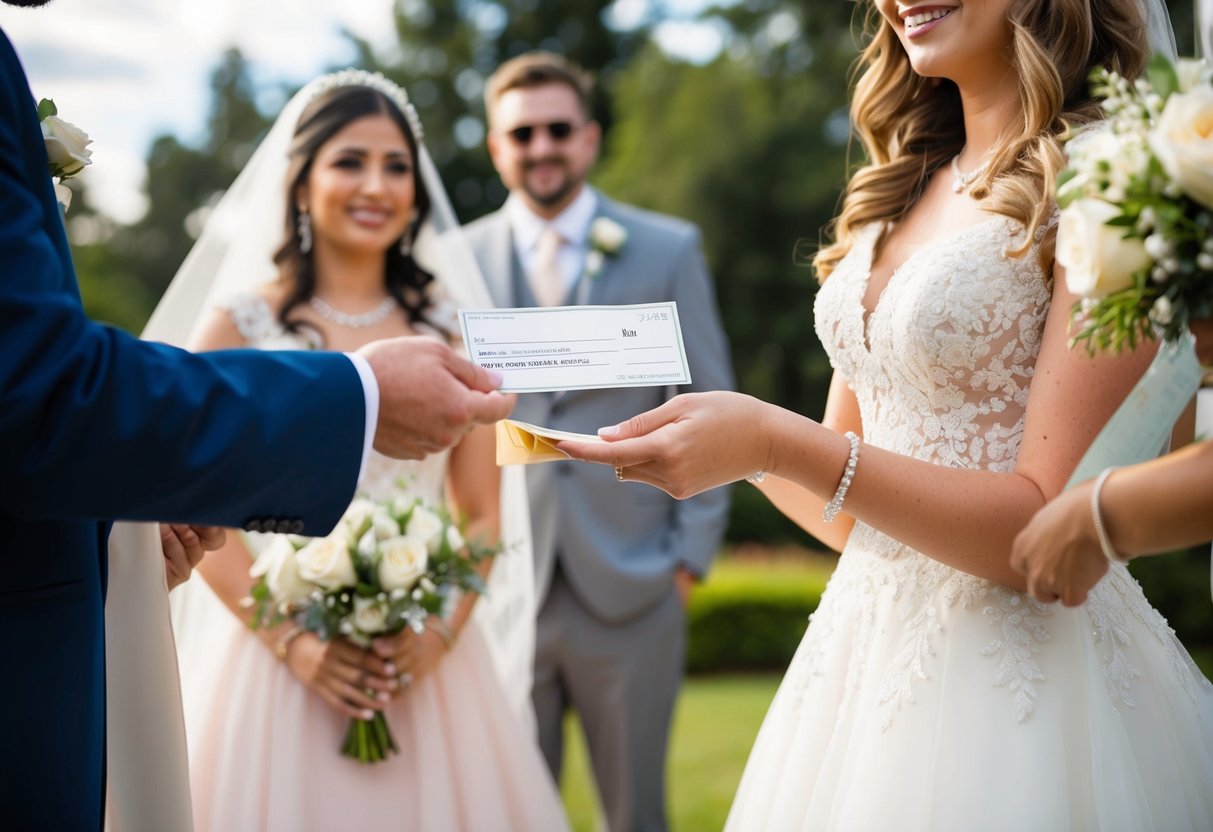
When planning your wedding, it’s important to know what financial responsibilities you have. These usually include your attire, fees for the marriage license and officiant, costs for the rehearsal dinner and welcome party, and gifts for your groomsmen, as well as wedding rings.
Groom’s Attire and Accessories
Your attire is a key part of the wedding day. You’ll need a suit or tuxedo that fits well and looks great. Often, guys rent their outfit, but purchasing can add a personal touch.
Don’t forget about accessories like a tie, cufflinks, and shoes. These can make a big difference in your overall appearance.
Budgeting for this can range from a few hundred dollars for rentals to over a thousand for purchased attire. Be sure to account for any tailoring needs. Proper fitting ensures you look and feel your best on the big day.
Marriage License and Officiant Fee
To make the wedding official, you’ll need a marriage license. The cost varies by state but typically ranges from $20 to $100. It’s important to check the requirements in your area and know that there may be waiting periods before the license is valid.
The officiant fee is another expense to consider. If you’re hiring someone to perform the ceremony, it can range from $200 to $600 or more, depending on their experience and the complexity of the ceremony. Always discuss and confirm the fee upfront to avoid surprises later.
Rehearsal Dinner and Welcome Party
You’ll likely host a rehearsal dinner, usually the night before the wedding. This dinner is a great way to thank your bridal party and close family.
Costs can vary widely based on the venue and menu but expect to spend anywhere from $500 to $2,000.
If you decide to have a welcome party for guests arriving early, it also adds to your budget. Choose a casual setting to keep costs manageable. Having a simple gathering, like a barbecue or meet-up at a local spot, can be a thoughtful way to connect with everyone.
Groomsmen Gifts and Wedding Rings
Showing appreciation to your groomsmen is important, so plan for gifts. These can be anything from custom cufflinks to personalized flasks.
Depending on what you choose, this could run between $20 to $100 per person.
Don’t forget about wedding rings, a significant expense. The groom typically purchases a wedding band for himself and sometimes a ring for the bride. Prices can vary widely, so decide early on what styles and price ranges work for you. Aim for something that reflects your taste and budget.
What The Groom Might Pay For The Bride
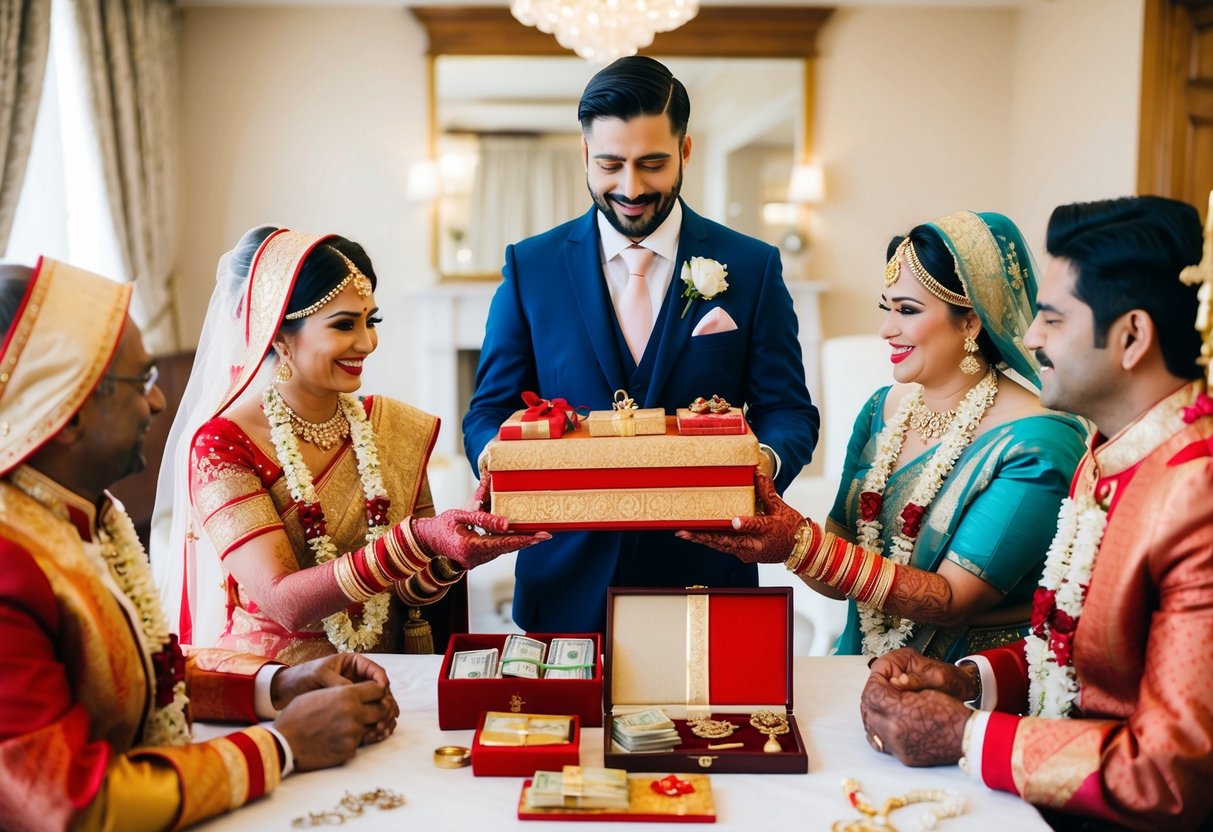
When planning a wedding, there are specific expenses that the groom often covers for the bride. These can include rings, contributions to major wedding costs, and floral arrangements. Understanding these responsibilities can help you budget effectively and avoid misunderstandings.
The Wedding Ring and Engagement Ring
You might be expected to buy both the engagement ring and the wedding ring. Traditionally, the engagement ring is given when proposing. It’s often seen as a symbol of your commitment.
Many couples choose to select the rings together, ensuring both styles match and fit perfectly.
When purchasing the wedding ring, consider the materials and style that reflect your bride’s taste. Set a budget that allows you to pick a ring she will cherish. Remember, this ring symbolizes your love and partnership.
Contribution to Wedding and Honeymoon Expenses
In addition to rings, you may also contribute to various wedding expenses. These can include costs like the venue, catering, and entertainment.
While the bride’s family traditionally covers these costs, many couples share the financial responsibility today.
You should discuss and agree upon what expenses each party will cover. This creates transparency and helps you both understand the financial aspects of your big day.
Additionally, consider budgeting for honeymoon expenses. This trip is an important way to celebrate your marriage.
The Bridal Bouquet and Floral Arrangements
Another aspect you might take care of is the bridal bouquet and floral arrangements. While many couples split these costs, you can show your commitment by planning and budgeting for these details.
Work with your bride to find a florist that can create beautiful floral arrangements. Your input will be valuable in choosing flowers that reflect her preferences.
Keep in mind any themes, colors, or styles she envisions for the wedding. This personal touch will enhance the overall look of the day.
Additional Wedding Elements The Groom May Cover
As the groom, you have the opportunity to contribute to various aspects of the wedding. Besides the primary expenses, here are some additional elements you may choose to cover.
Wedding Day Gifts For The Bride
A thoughtful gesture is giving gifts to your bride on the wedding day. You might consider items like a beautiful piece of jewelry or a heartfelt love letter. This can add a personal touch to your special day.
You could also include a special keepsake, such as a framed photo of the two of you or a custom piece that represents your relationship. These gifts show your love and appreciation, making the day even more memorable.
When selecting your gift, think about her style and preferences. A well-chosen gift can convey your feelings and make her feel loved and cherished.
Hosted Pre-Wedding Parties
You may also consider hosting pre-wedding parties, like the engagement party or bridal shower. These events are a great way to celebrate your upcoming marriage and share joy with family and friends.
For the engagement party, traditional expectations suggest the bride’s family generally hosts it. However, you could take the lead if you want to surprise her with a special celebration.
If you decide to host the bridal shower, consider the location, theme, and guest list. Collaborating with the bride’s friends and family can help make it a fun and memorable event.
Being involved in these pre-wedding celebrations adds to the excitement and creates lasting memories for both of you.