
What Does the Groom’s Family Give to the Bride? Understanding Traditional Gifts and Customs
When it comes to weddings, many traditions guide what different families contribute. If you’re curious about what the groom’s family typically gives to the bride, you’re not alone. The groom’s family is expected to provide gifts that express their love and support for the couple, such as family heirlooms or special items that hold sentimental value.
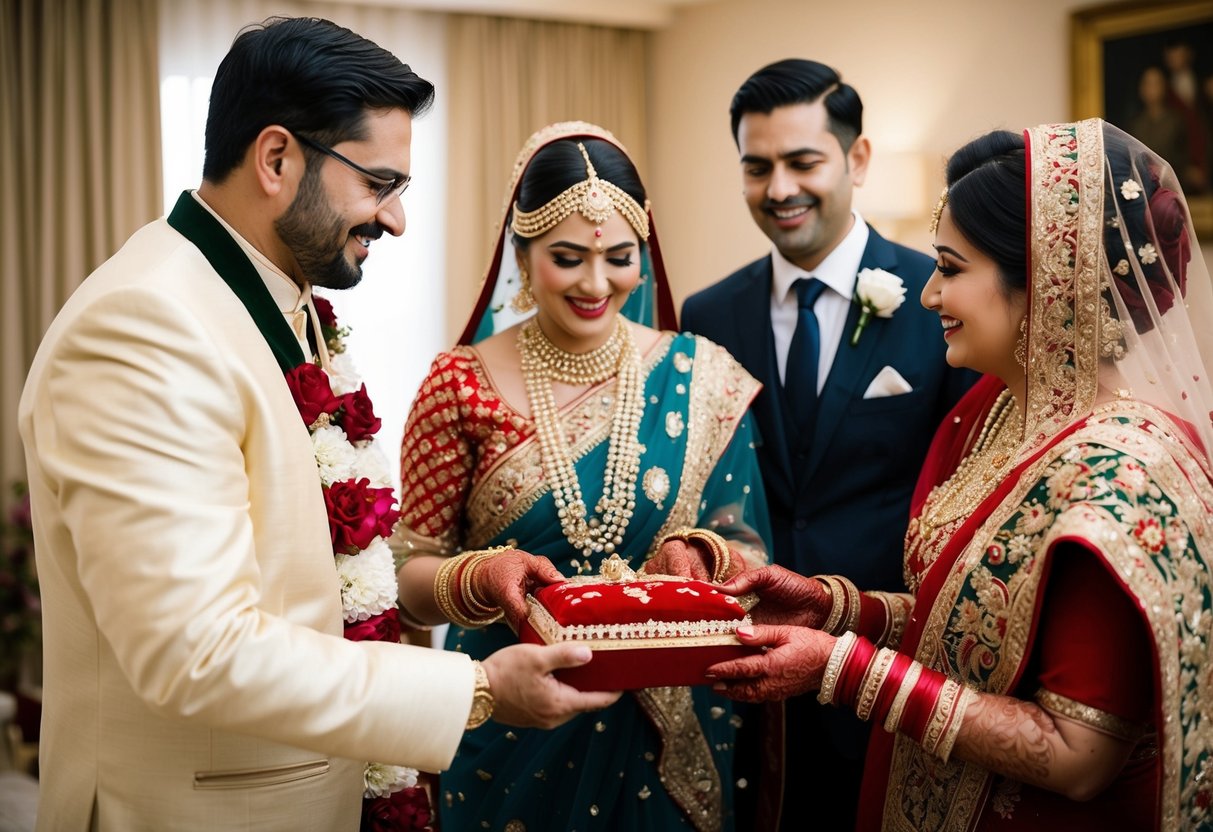
In addition to gifts, the groom’s family often takes on other responsibilities. This may include paying for the groom’s and groomsmen’s attire, covering the rehearsal dinner, and gifting the bride with items that symbolize their acceptance into the family. These gestures not only honor the bride but also help to strengthen the bond between the two families.
Understanding what the groom’s family gives can help you appreciate the deeper connections formed at a wedding. You’ll find that these traditions create lasting memories for everyone involved, ensuring that your special day is filled with love and joy.
Traditional Financial Responsibilities
The groom’s family plays a significant role in wedding traditions, especially concerning financial contributions. Understanding these responsibilities can help clarify expectations and streamline planning. Here’s a closer look at what the groom’s family typically gives during the engagement and wedding planning stages.
Engagement Contributions
Traditionally, the groom’s family is involved in hosting the engagement party. This event marks the couple’s commitment and is often a festive gathering for family and friends. Your family might cover the costs of the venue, food, and drinks.
Another key contribution is the engagement ring. While it is often the groom’s responsibility to purchase this ring, the groom’s parents may also offer financial support. This gesture helps ease the burden and adds meaning to the ring as a symbol of love and commitment.
Wedding Planning and Expenses
As the wedding date approaches, the groom’s family can help with various wedding expenses. This may include funding the rehearsal dinner, which is often hosted by the groom’s parents. This dinner allows both families to bond before the big day.
In some cases, the groom’s family may contribute to the wedding budget by covering specific costs like photography or flowers. While this isn’t mandatory, such support can be really helpful for the couple. Ultimately, these traditions can foster a sense of unity between families and help create lasting memories during the wedding celebration.
Ceremony and Reception Specifics
In planning the wedding, the groom’s family plays a key role in handling various ceremony and reception details, ensuring everything goes smoothly. Here’s what you should know about these important components.
Officiant and Venue
One of the first tasks for the groom’s family is to address the officiant. This includes covering the officiant fee, which can vary depending on their experience and location. You’ll want to select someone who resonates with both families and is familiar with the couple’s vision.
Additionally, you may need to manage the logistics of the venue. This includes arranging the marriage license, which is a crucial step before saying “I do.” It might also involve coordinating wedding day transportation for the couple and their families to and from the venue, ensuring everyone arrives stress-free.
Reception Celebrations
At the reception, the groom’s family usually hosts significant aspects like providing alcohol, which often plays a big part in the festivities. You may want to look into various options for drinks, from wine and beer to signature cocktails that reflect the couple’s tastes.
Another important responsibility is to purchase wedding rings. You can choose rings that complement the couple’s style for the ceremony. Also, if you’re planning the reception, consider how to celebrate the couple’s union, such as arranging speeches, toasts, or even choreographed dances to make the event memorable.
Pre-Wedding and Ceremony Traditions
During pre-wedding events, there are important traditions that help shape the celebration. This includes the rehearsal dinner, where families gather, and the details around attire and personal flowers, ensuring everyone looks their best on the big day.
The Rehearsal Dinner
The rehearsal dinner is a special gathering usually held the night before the wedding. It offers a chance for both families to come together and get to know each other better. This dinner often includes close friends, family, and the wedding party.
As the groom’s family, you might be responsible for hosting the event. It’s a time to share stories and show appreciation for everyone’s support. Traditional customs may vary, but heartfelt toasts and the sharing of family heirlooms, like jewelry, can be a beautiful addition.
The meal can be casual or formal, depending on your family’s style. Consider focusing on the bride’s favorite foods or incorporating dishes that reflect both families’ backgrounds.
Attire and Personal Flowers
Choosing the right attire and personal flowers is crucial for the big day. As the groom, your attire should complement the bride’s wedding gown and overall wedding theme.
The groom typically wears a suit or tuxedo, which may include custom details to showcase personal style. Be sure to include family heirlooms in your attire, like cufflinks or ties that represent your family’s history.
Personal flowers, such as boutonnieres, play a significant role as well. You’ll want to coordinate these with the wedding flowers to create a cohesive look. Talk with the bride about color schemes and flower types, making sure your choices harmonize with her bridal bouquet and the overall aesthetic.
Post-Wedding Contributions
After the wedding, the groom’s family can still play an important role in supporting the bride. This can include helping with the honeymoon costs, contributing to other financial aspects of starting a new life, and providing meaningful memories and keepsakes. Each of these areas can create lasting bonds and shared experiences.
Honeymoon Support
Many couples appreciate help with their honeymoon. The groom’s family might offer to contribute to honeymoon costs, easing the financial burden on the newlyweds. This contribution can cover expenses like travel, accommodations, and activities.
If you were thinking of a specific destination, consider mentioning it to the groom’s family. They can assist with planning, especially if they have experience with that location. This support can be a wonderful gesture that shows their ongoing commitment to the couple’s happiness.
Remaining Financial Aspects
There are other financial areas where the groom’s family can contribute. For example, they may help with items that were not covered in the initial wedding planning. This could include covering part of the bride’s rings or upgrading certain wedding gifts from the registry.
Discussing these contributions can help you align on your expectations. It’s important that both families communicate openly about what’s needed as the couple begins their new life together. This collaboration can strengthen the bond between families.
Memories and Keepsakes
Creating memories is just as important as financial support. The groom’s family can give meaningful keepsakes to the bride. This could be anything from family heirlooms to customized gifts that celebrate the couple’s love.
Keepsakes like watches or personalized photo albums can be a wonderful reminder of the wedding day. They serve not only as gifts but also as symbols of the support from the groom’s family. These thoughtful gestures can foster deeper connections within the new family structure.