
What Does the Groom’s Family Pay For? Essential Wedding Expenses Explained
When planning a wedding, you might wonder what financial responsibilities fall on the groom’s family. Traditionally, the groom’s family is expected to cover specific costs, such as the bride’s rings, the rehearsal dinner, and sometimes even the wedding officiant. Understanding these roles can help you navigate discussions about expenses and ensure everyone is on the same page.
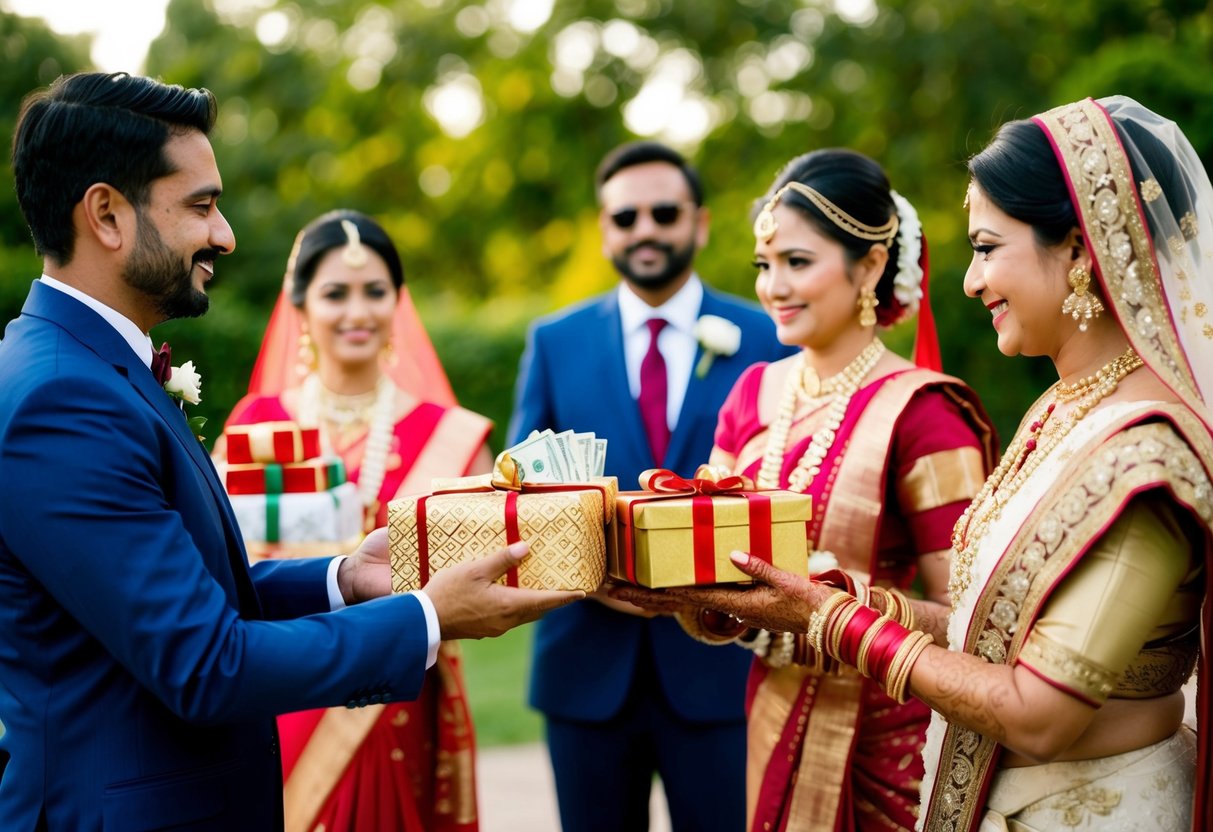
As you think about your upcoming wedding, consider how these traditional roles may influence your plans. Many modern couples find that these guidelines can be flexible, allowing for shared costs and different arrangements that suit both families. This shift reflects changing traditions and the unique dynamics of each couple’s situation.
Knowing what the groom’s family is traditionally responsible for makes it easier to discuss finances openly. Whether you follow traditional guidelines or create your own path, being informed helps pave the way for a smooth planning process.
Traditional Roles in Wedding Finances
When planning a wedding, it’s important to understand the traditional roles of the groom’s family in covering various expenses. Here are the key responsibilities they typically have regarding wedding finances.
Rehearsal Dinner Responsibilities
The groom’s family usually hosts the rehearsal dinner, which happens the night before the wedding. This event is a chance for everyone to relax and enjoy a meal together.
You can expect the groom’s family to handle costs for the venue, catering, beverages, and decorations. Invitations for this dinner are also part of their responsibilities.
The dinner often includes close family, the wedding party, and other important guests. This is a special time for everyone to familiarize themselves before the big day.
Ceremony Expenses
During the ceremony, the groom’s family might help pay for certain expenses. These can include costs for the venue, officiant, and any necessary permits.
In some cases, the groom’s family might also contribute to the wedding flowers or decorations.
While these costs can vary depending on the couple’s plans, it’s essential to discuss them early on. This ensures that everyone’s on the same page about who pays for what.
Wedding Attire and Groomsmen Gifts
Typically, the groom is responsible for his own attire, including the suit or tuxedo. However, many families choose to help with these expenses as a gesture of support.
Additionally, the groom’s family may also cover the costs of gifts for the groomsmen. This is a nice way to thank them for their support during the wedding.
Gifts can range from personalized items to practical accessories like cufflinks. By considering these options, you can show appreciation for the important roles your groomsmen play on your special day.
The Wedding Reception
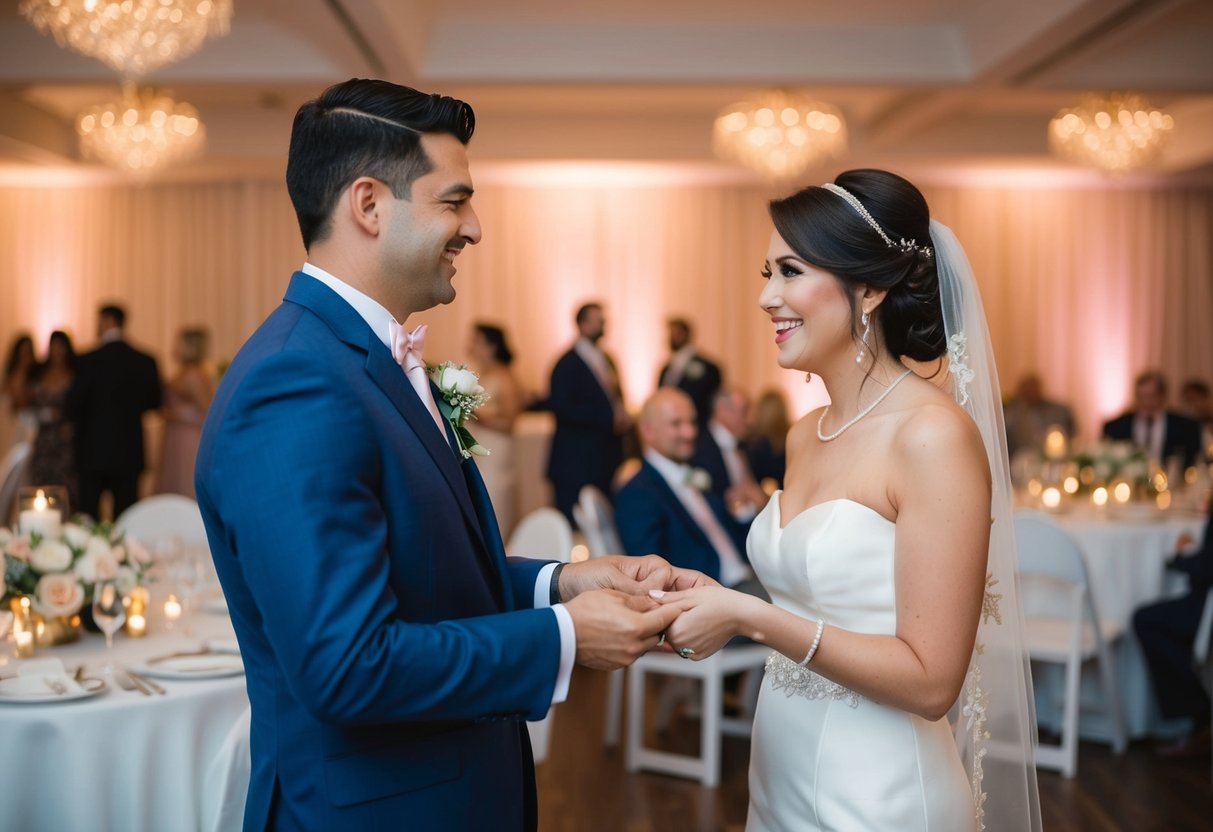
The wedding reception is a special event that often requires careful planning, especially when it comes to expenses. Understanding what the groom’s family might cover can help you allocate your wedding budget smartly.
Managing Alcohol Expenses
You may find that the groom’s family traditionally handles the alcohol for the reception. This can include anything from beer and wine to cocktails.
Many couples choose to offer an open bar or a limited selection. An open bar allows guests to enjoy drinks freely, which can increase costs. If the budget is tighter, a limited selection can work well.
It’s common for couples to discuss preferences with both families. This way, you can ensure everyone agrees on the alcohol choices and budget constraints.
Wedding Party Celebrations
Another important expense might be the celebration for the wedding party. The groom’s family could be responsible for covering costs like the meal or drinks for the groomsmen and bridesmaids during the reception.
This shows appreciation for their support. Additionally, consider providing gifts for the wedding party.
These gifts don’t have to be extravagant. Simple thank-you items like personalized items or gift cards can be thoughtful gestures.
Contributions to Decor and Entertainment
The groom’s family may also pitch in for decor and entertainment at the reception. This can include items like the wedding cake, table settings, and any special lighting or flowers that create the right atmosphere.
You might want to discuss these details with the groom’s family to find out their preferences. Hiring a DJ or band is another area where they can contribute.
Music sets the mood for the evening, and this can deeply influence your guests’ enjoyment.
Pre- and Post-Wedding Events

The groom’s family often plays a key role in the planning and funding of pre- and post-wedding events. This includes contributions to the engagement party and sometimes even helping with honeymoon costs. Let’s take a closer look at these important events.
Engagement Party Contributions
Traditionally, the groom’s family may help host the engagement party. This celebration marks the couple’s commitment and allows friends and family to gather.
You can expect them to cover costs like the venue, food, and drinks. It’s also common for the groom’s family to provide a toast or speech during the event.
Additionally, if they offer, you can think about the engagement ring as part of their financial support. This shows their excitement and involvement in the wedding planning. Making the engagement party memorable is often seen as a way to honor the couple.
Funding the Honeymoon
Another area where the groom’s family might step in is funding the honeymoon. While this is less common than other expenses, some families still choose to help out.
If they do contribute, it can cover accommodations, activities, or transportation. You might want to discuss budget options with them to avoid any misunderstandings.
Honeymoon costs vary, so having open communication is essential. This way, you can create a trip that fits everyone’s expectations while celebrating your new life together.