
What Does the Groom’s Family Pay for in a Wedding UK? A Guide to Wedding Expenses
When planning a wedding in the UK, it’s important to understand the traditional roles of both families in the financial mix. Traditionally, the groom’s family is responsible for several key expenses, including the groom’s attire, the bride’s wedding ring, and often the marriage license. This tradition can help guide the money conversation without confusion or stress.

As weddings evolve, many couples now choose to share costs. You may find that modern approaches allow for flexibility, where both families contribute to various expenses, making wedding planning a collaborative effort. Adapting these traditions to fit your situation can create a more enjoyable planning experience.
Understanding what the groom’s family typically pays for can help ensure everyone is on the same page. This awareness can also minimize misunderstandings and set the stage for a joyous celebration of love.
Traditional Roles
In a wedding, the roles of the families often come with specific traditions. These roles can provide clarity about who pays for what, impacting the overall wedding budget and planning process.
Historical Context of Family Contributions
Historically, weddings involved strict financial roles for families. Traditionally, the bride’s parents were responsible for many of the ceremony costs, while the groom’s family covered other expenses. This custom dates back to when social norms placed significant value on family contributions.
In the past, the groom’s family typically covered items like the rehearsal dinner and groom’s attire. This expectation helped balance financial responsibilities between both families.
Age and financial situation have played a role in these traditions. In modern times, couples often choose to adapt these expectations based on their unique family dynamics and financial capabilities.
Understanding Groom’s Family Responsibilities
Your role in the wedding may include paying for specific costs. Generally, the groom’s family is responsible for the bride’s engagement and wedding rings, along with the groom’s suit and accessories.
Additionally, they might pay for gifts for the groomsmen and contribute to the wedding reception, especially regarding alcohol.
It’s important to discuss these responsibilities openly with your family and the bride’s family. Communication ensures that everyone is comfortable with the arrangements and can help avoid misunderstandings down the line. Remember, these roles can vary based on personal preferences and family traditions.
Key Expenses Covered by the Groom’s Family
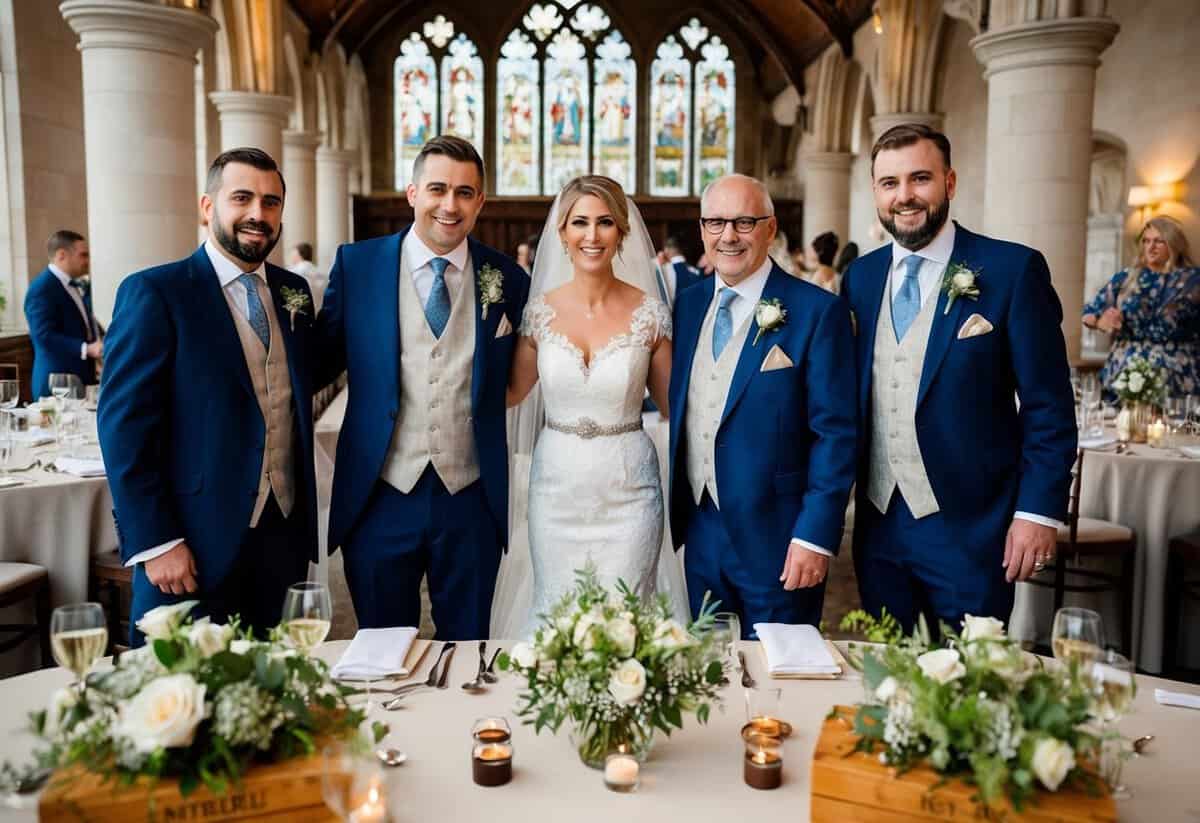
When planning a wedding in the UK, the groom’s family has specific financial responsibilities. These key expenses play a significant role in making the day memorable without extra burdens on the couple.
Ceremonial Costs
Your family often covers several key ceremonial expenses. This includes the cost of the marriage license, which is essential for your wedding to be legal. Additionally, the groom’s family usually pays for the officiant who will conduct the ceremony.
Floral arrangements for the wedding party, such as corsages for mothers and boutonnieres for groomsmen, are also part of these costs. It’s important to consider these details so that everything is prepared ahead of time, contributing to a smooth ceremony.
Attire and Presentation
In this area, the groom’s family typically covers all costs related to the groom’s attire. This includes the groom’s suit or tuxedo, shoes, and accessories. Make sure to choose something that reflects your style while fitting the wedding’s theme.
Furthermore, the family’s role often extends to groomsmen’s attire. By coordinating these looks, you can ensure the bridal party complements each other beautifully. Discussing costs well in advance helps everyone prepare financially.
Reception Contributions
Your family is also tasked with specific expenses for the wedding reception. This includes paying for the rehearsal dinner, which is a nice way to gather loved ones before the big day.
When it comes to the main event, the groom’s family usually contributes to the food and drinks served at the reception. This is crucial in creating a memorable experience for your guests. Whether it’s a sit-down meal or a buffet, careful planning will ensure everyone enjoys delicious offerings.
Including entertainment, such as a DJ or live band, can also be part of these contributions. Remember, these fun elements help set the tone for a lively celebration!
Planning and Budgeting
Creating a wedding budget is essential for managing costs and ensuring everything runs smoothly. You’ll want to establish a clear spending plan that includes all aspects of the wedding.
Establishing a Budget
Start by determining the total amount you and your family are willing to spend. Consider all financial contributions from both families, as this can greatly impact your wedding budget.
Once you have the overall figure, break it down into categories like venue hire, catering, and decorations.
Create a detailed list of expected costs for each category. This helps you see where to allocate funds effectively. Use a simple spreadsheet or budgeting app for tracking expenses.
Remember to add a little extra for unexpected costs, such as last-minute changes or emergencies.
Managing the Guest List
The guest list directly affects your wedding budget. Each attendee adds to costs like catering and venue size.
Start with a rough list and discuss it with your partner and families. Decide which guests are essential and which can be excluded to keep the list manageable.
It’s helpful to group guests into categories like family, friends, and colleagues. This allows you to see how many people are important to you both.
Once finalized, keep a detailed record of RSVPs and their accommodation needs. This info is crucial for planning logistics later on.
Venue and Logistics
Choosing the right venue is one of the biggest decisions you’ll make. Venue hire can take up a large portion of your budget.
Research various venues to find one that fits both your style and budget. Consider the location, capacity, and any additional services included, such as catering or decoration.
Once you secure your venue, pay attention to accommodation options for guests. You may want to block book rooms at nearby hotels or provide recommendations.
Coordination is key, so consider details like parking or transportation between venues, if applicable. This ensures a stress-free day for you and your guests.
Additional Considerations
When planning for the groom’s family’s contributions, there are important aspects beyond direct payments. These include social norms and ways to show appreciation, ensuring a memorable experience for everyone involved.
Modern Etiquette and Collaboration
You may want to think about how modern etiquette shapes wedding contributions. Couples today often share costs, which can include expenses for groomsmen gifts or a welcome party for out-of-town guests.
It’s good to communicate with the bride’s family about splitting wedding costs. You might find it helpful to discuss who covers what, from transportation to the honeymoon.
Clear conversations can help prevent misunderstandings and create a harmonious relationship among both families.
A Hospitable Welcome for Guests
Creating a hospitable atmosphere for guests is essential. If you’re having an engagement party or a welcome party, you might want to include food and drinks.
Consider planning transportation for guests who are traveling long distances. Providing options can make your guests feel valued.
Small gestures like arranging rides from hotels can go a long way in making everyone feel welcome.
Expressions of Gratitude
Showing gratitude to those who support your wedding is vital. You should think about sending thank-you notes after the wedding. These should go out not only to guests who give gifts but also to those who help with preparations.
You could also express appreciation through small tokens or groomsmen gifts. This can strengthen your friendships and relationships. Emily Post always emphasized the importance of gratitude, which continues to hold true today.