
What Does the Groom’s Family Pay For? A Guide to Wedding Expenses
When planning a wedding, financial responsibilities can seem confusing, especially when it comes to the groom’s family. Typically, the groom’s family is responsible for covering costs such as the rehearsal dinner, wedding day transportation, and the officiant’s fees. These roles are based on traditional etiquette, but many modern couples choose to adjust these responsibilities to suit their unique situations.
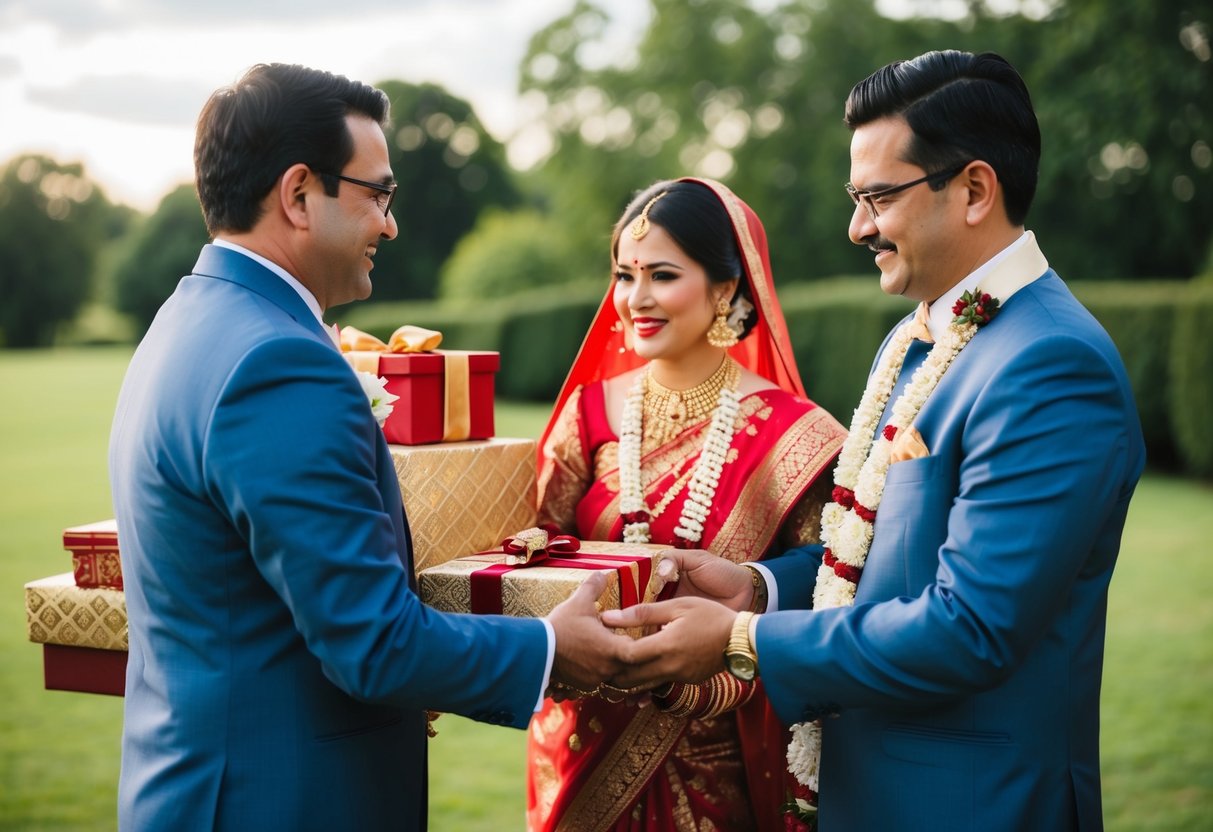
As you navigate the wedding planning process, it’s helpful to know what the groom’s family traditionally contributes. This can help in discussions about costs and ensure everyone is on the same page.
While the bride’s family usually takes care of the majority of expenses, knowing how to balance costs can create a more collaborative atmosphere between both families.
Understanding these financial responsibilities can also bring peace of mind. It allows you and your partner to focus on creating a memorable day without added stress about money. Whether you’re sticking to tradition or making your own rules, having a clear idea of who pays for what will help keep the planning process smooth.
Pre-Wedding Financial Responsibilities
As you prepare for your wedding, it’s important to know what financial responsibilities fall to the groom’s family. This includes expenses related to the engagement party, the engagement ring, and legal requirements like the marriage license.
Engagement Party and Ring Expenses
Traditionally, the groom’s family hosts the engagement party. This is a chance to celebrate with loved ones and announce the upcoming marriage. The costs may include the venue, food, and drinks.
Discuss with your family how much they are willing to spend to ensure everything stays within budget.
The engagement ring is often another significant expense. While the groom typically buys the ring, it’s wise for the groom’s parents to offer guidance or assistance. This could mean helping choose the ring or contributing financially. Including them in this decision can strengthen family bonds.
Marriage License and Legal Matters
The marriage license is a vital requirement for your wedding. Typically, the groom’s parents cover this cost. The price of a marriage license can vary by location, so check with local officials regarding fees and necessary documents.
Apart from the license itself, there may be other legal fees, such as payments to the officiant. It’s important to budget for these expenses.
Make sure you have open discussions with your parents to avoid surprises. Knowing what to expect can help with financial planning and make the process smoother.
Wedding Day Contributions
When planning for the big day, the groom’s family often has important financial responsibilities. These contributions help create memorable moments and support the groom and his party.
Attire and Groomsmen Gifts
Your family plays a key role in covering the costs of the groom’s attire. This includes the suit or tuxedo, shoes, and any accessories needed for the wedding day.
Additionally, the groom’s family typically buys gifts for the groomsmen to thank them for their support. Popular gifts include personalized items like cufflinks, flasks, or custom-made ties.
Creating a special touch through thoughtful gifts shows appreciation and adds to the celebration.
Ceremony Specifics and Officiant
The groom’s family may also be responsible for fees related to the wedding ceremony. This includes paying the officiant, who conducts the ceremony and ensures everything runs smoothly.
The officiant fee can vary, ranging from a few hundred dollars to more, depending on their experience and services offered. You should also consider other costs related to the ceremony, such as permits if needed.
These contributions are essential, as they help weave together the bride and groom’s special moment in front of friends and family.
Reception and Celebration Expenses
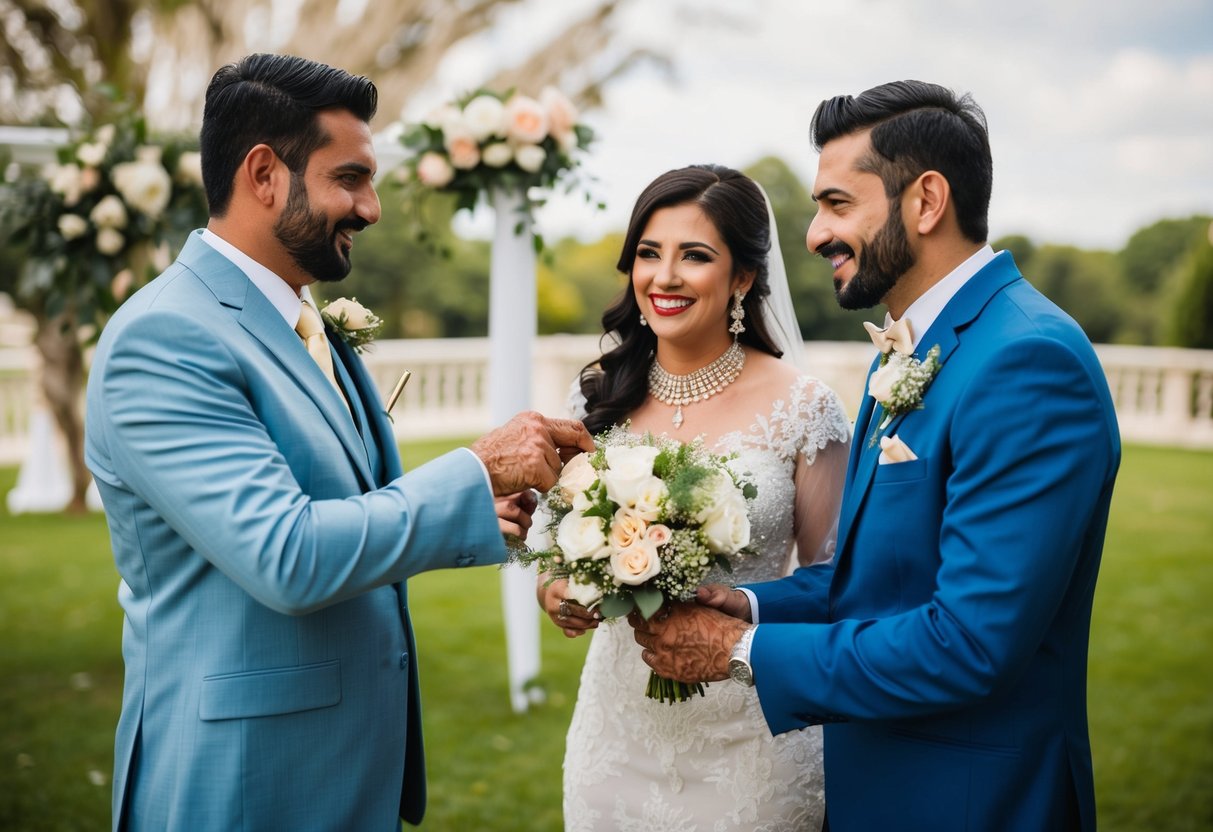
Planning the reception and celebration is an essential part of any wedding. The groom’s family typically covers significant costs, making this a vital topic for understanding their financial role.
Rehearsal Dinner Arrangements
The rehearsal dinner is an important gathering that usually happens the night before the wedding. This dinner allows the couple to relax with family and friends before the big day. Typically, the groom’s family pays for this event.
You will need to consider the venue, food, and any special decorations. A nice restaurant or a private space works well. While you can have a formal dinner, many couples opt for a relaxed barbecue or potluck. Remember to include invitations to keep everyone informed.
Costs can vary widely, so budgeting will help ensure you stay within limits. It’s also thoughtful to provide a warm, welcoming atmosphere with carefully selected decor or flowers.
Alcohol and Catering Contributions
Another important expense is the reception’s food and drink. The groom’s family often contributes significantly to these costs.
This includes catering options for the meal and the alcohol served.
Many couples choose a buffet or plated dinner, which varies in price. You’ll want to ensure there is enough food for all guests.
Along with the meal, you’ll need to decide on drinks.
The groom’s family may cover the complete cost of alcohol at the reception. This could include beer, wine, and cocktails. You can also consider a signature drink or a simple champagne toast.
Additionally, don’t forget about the wedding cake! You can choose a cake that fits your style and flavor preferences, as this adds a delightful touch to the celebration.
Post-Wedding Responsibilities
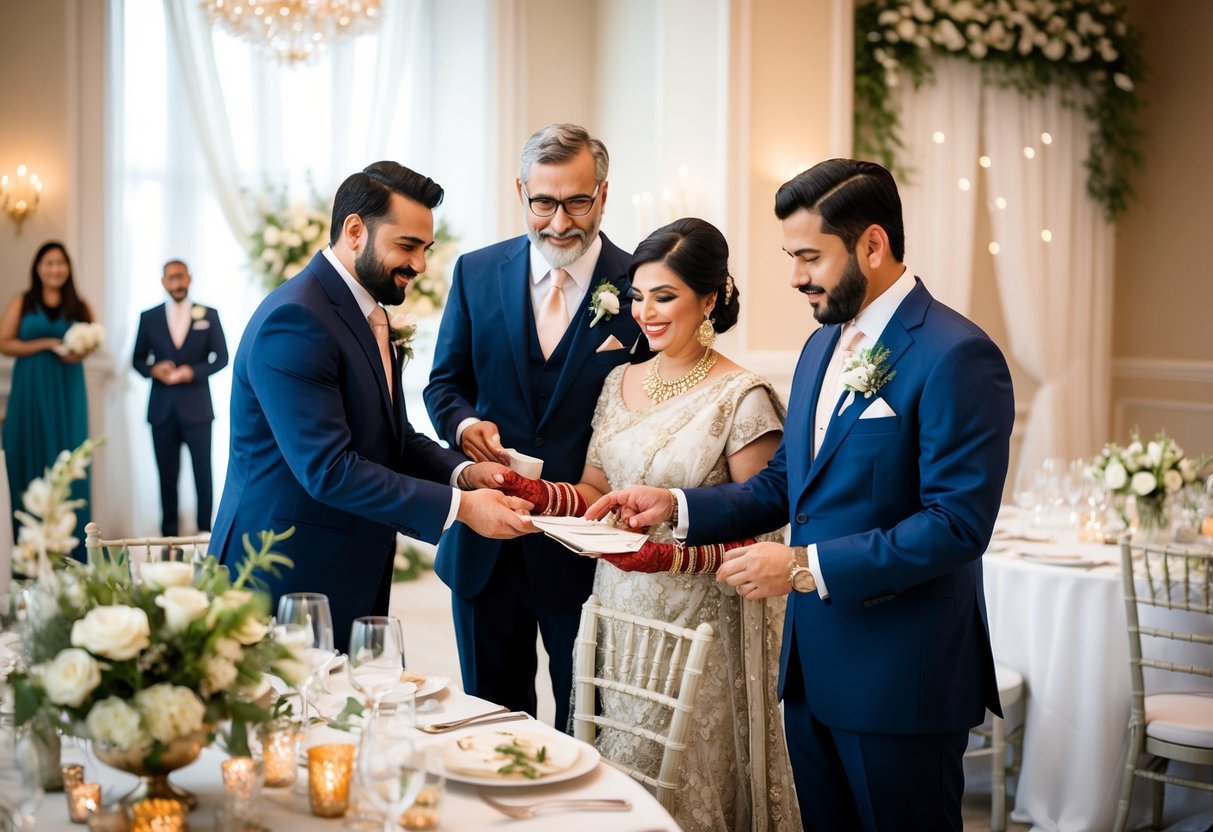
After your wedding, there are still important tasks to handle. This includes planning your honeymoon and taking care of wedding rings and gifts. Each responsibility plays a key role in starting your new life together.
Honeymoon Planning
Your honeymoon is a special time to relax and enjoy being newlyweds. You may want to plan it soon after the wedding to keep the excitement going.
Start by deciding your budget and destination.
Consider these points:
- Destination: Choose a place that fits both your interests, whether it’s a beach, city, or mountain retreat.
- Activities: Plan activities you both enjoy, like sightseeing, dining, or adventure sports.
- Logistics: Look into travel arrangements, accommodations, and any necessary bookings ahead of time.
Having a clear plan can help you have a smooth, enjoyable honeymoon experience.
Wedding Rings and Gifts
After the wedding, you’ll need to address your wedding rings and gifts. This includes ensuring each ring is properly sized and cared for.
For wedding rings:
- Groom’s wedding band: Make sure it fits well. If not, get it resized soon.
- Cleaning: Regularly clean both rings to keep them looking new.
For wedding gifts:
- Thank-you notes: Send these out as soon as possible. Aim to do this within a month after the wedding.
- Gift registry: If you received items not on your registry, it’s polite to acknowledge those gifts too.