
What Does the Groom’s Mom Pay For? A Guide to Wedding Expenses
Knowing what the groom’s mom typically pays for can help ease the financial burden on the couple. Traditionally, the groom’s mother plays an important role in the wedding by supporting not just her son but also the couple as they prepare for their big day. This involvement can include covering costs for events leading up to the wedding as well as some expenses on the wedding day itself.
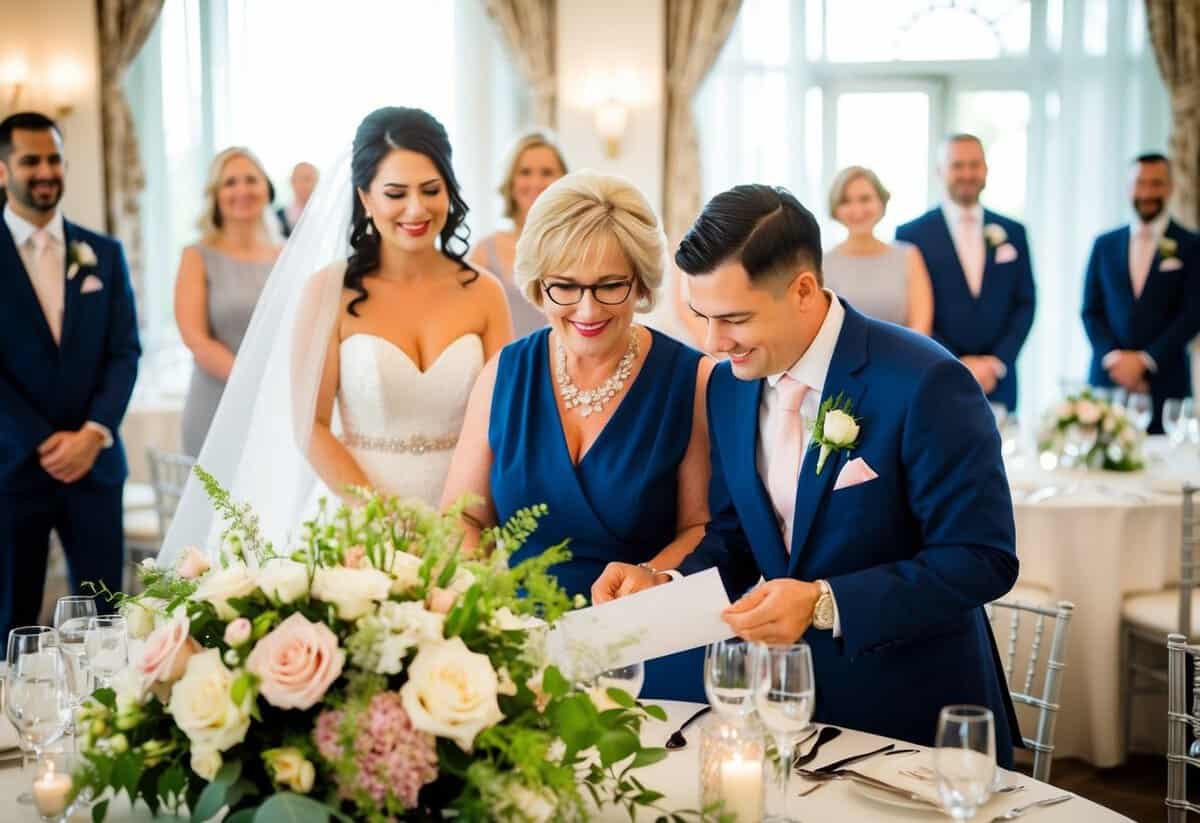
Open discussions about financial responsibilities are key to a successful planning process. Many families have their own customs and ideas about who pays for what. The groom’s mom may contribute to items like the rehearsal dinner, gifts for the bridal party, or even attire for her son and the groomsmen. Understanding these roles can help you navigate wedding etiquette more smoothly.
As you embark on this journey, remember that each wedding is unique. By discussing expectations and responsibilities with your families, you can create a supportive atmosphere that enhances your wedding planning experience. This will not only clarify financial commitments but also strengthen family bonds during this exciting time.
Traditional Financial Obligations
When planning a wedding, it’s good to know what the groom’s family traditionally pays for. The mother of the groom has a few important financial obligations.
One significant cost is the rehearsal dinner. This event usually happens the night before the wedding, bringing together family and friends. It’s a great way to celebrate and relax before the big day.
You might also consider the engagement party. Often, the groom’s family helps cover this as a way to kick off the celebrations. It can be a fun gathering with food and drinks!
In some cases, the groom’s mom may contribute to wedding rings. She might help with the cost of the groom’s wedding band or even the bride’s engagement ring. This part can vary based on family traditions.
Other wedding expenses can include attire for the groom and groomsmen, but it’s not as common for the groom’s mom to cover these costs. Instead, it tends to be more of a shared cost between the couple and their families.
Common Expenses Covered by the Groom’s Mother
The groom’s mother plays an important role in managing several key expenses for the wedding. From essential items on the wedding day to contributions for the rehearsal dinner, her support can make a big difference in the overall planning.
Wedding Day Essentials
On the wedding day, the groom’s mother often helps with essential expenses. This can include the groom’s attire, ensuring he looks his best as he walks down the aisle. She may also help cover the cost of floral arrangements, such as boutonnieres and corsages, reflecting the wedding’s theme.
In addition, she can contribute towards wedding day transportation, making sure the groom and the wedding party arrive on time and in style. Some mothers also take care of the wedding ring, helping choose a meaningful piece that symbolizes their son’s commitment.
Rehearsal and Reception Contributions
The groom’s mother typically plays a vital role in planning the rehearsal dinner. This event gives both families a chance to meet and celebrate before the big day. She may coordinate the venue, menu, and overall logistics, ensuring a smooth gathering.
Furthermore, she might consider giving gifts to the groomsmen. This shows appreciation for their support and friendship. Thoughtful gifts could include personalized items or keepsakes that reflect their relationship. All these contributions help create a memorable experience for everyone involved.
Collaborative Budget Planning
Planning a wedding often involves two families working together to create a budget that fits everyone’s expectations. Open communication and understanding each family’s financial responsibilities can help make this process smooth and enjoyable.
Communication and Consultation
Start by having open discussions with both families about the wedding budget. This includes talking about what each family is comfortable contributing. You might want to set a meeting with the bride’s family and bring along a wedding planner if possible.
During these talks, discuss the guest list and any preferences for the wedding reception. Consider different aspects like the venue, food, and alcohol costs. Keeping everyone informed helps to avoid surprises down the line.
Create a list of what each family wants to pay for. This could include the bridal shower or specific items during the reception. Having clear communication sets a positive tone for the entire planning process.
Division of Costs Between Families
It is traditional for the bride’s family to cover most wedding costs, but the groom’s family also plays a significant role. Start by identifying which expenses each family will cover. This often includes attire for the groom and personal flowers like the bride’s bouquet.
You can break down costs by categories, such as venue fees, catering, and decorations. For example:
- Bride’s Family: Venue, food, and decor
- Groom’s Family: Groom’s attire, personal flowers
Discuss how to share additional costs, like reception alcohol. This allows both families to feel included in the celebration. Adjustments might be needed as costs arise, so remain flexible and keep an ongoing dialogue throughout the planning.
Etiquette and Modern Trends in Wedding Contributions
As you navigate the world of wedding planning, understanding the contributions expected from the groom’s mother can be essential. This section examines how traditions adapt to modern preferences and how to handle financial discussions with ease.
Adapting Traditions to Contemporary Weddings
Traditions around wedding contributions are evolving. Traditionally, the groom’s mother would cover expenses like the engagement and wedding rings, as well as the officiant fee.
Today, many families are breaking away from strict rules. The groom’s mother might contribute towards the marriage license fee, photography, or even the wedding cake. Some choose to help with honeymoon costs as well.
This flexibility reflects a desire for inclusivity. Couples can sit down and discuss what matters most to them. Remember, it’s about creating a celebration that feels right for everyone involved.
Negotiating Financial Aspects
Talking money can seem awkward, but clear communication helps. Start by listing wedding expenses like the officiant fee, photography, and videography costs. This can help you identify areas where the groom’s mom can assist.
You might consider creating a budget together. This way, she can see where her support would be most valued.
Discuss possible contributions, like covering the rehearsal dinner or part of the honeymoon costs.
Be respectful of her comfort level. Not all families can contribute equally, and many modern couples are finding ways to make their wedding budget more manageable.
Focus on what feels best for your unique situation while maintaining traditions that are cherished.