
What Does the M Mean on RSVP? Understanding its Importance for Your Invitations
When you open a wedding invitation, you might notice an RSVP card with an “M” on it. This “M” stands for the title you prefer: Mr., Mrs., Ms., or Miss. It’s a little detail that helps keep the response more formal and respectful.
Understanding this custom can make you feel more confident when filling out your RSVP.
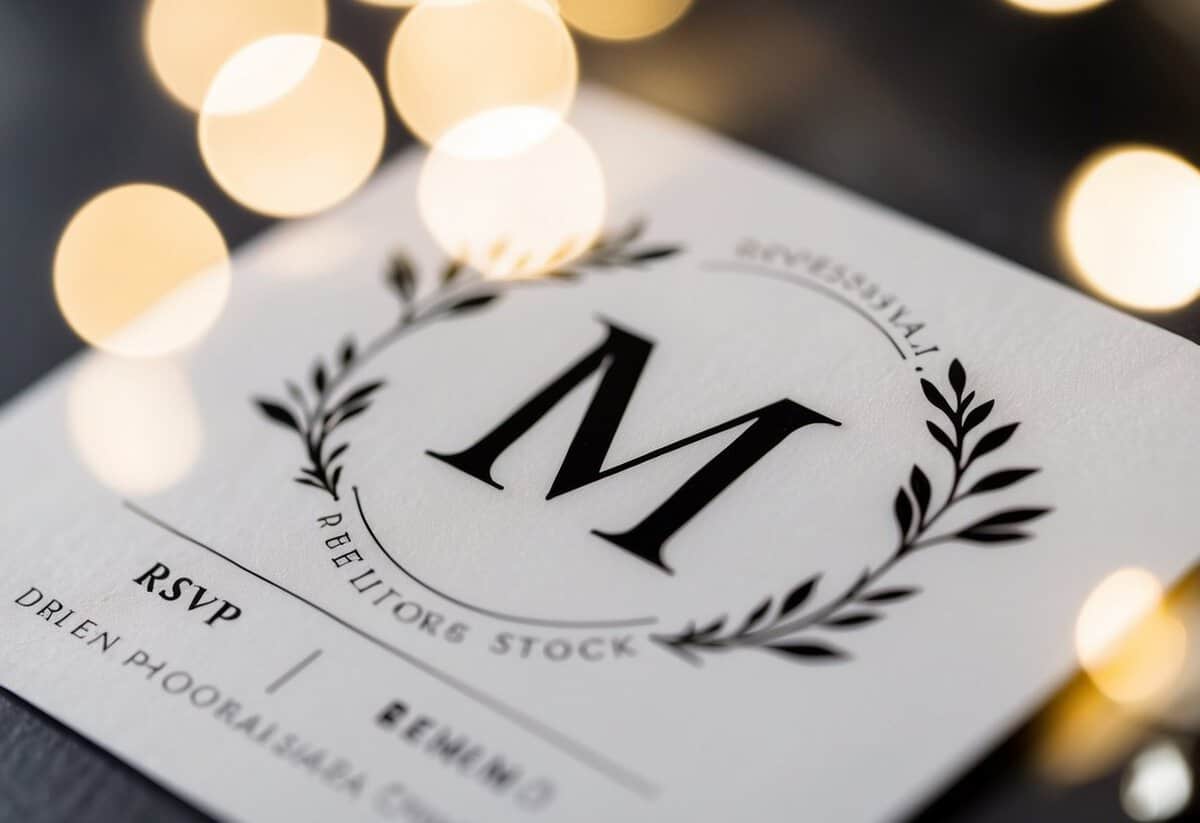
Many people wonder why this practice exists. The “M” is rooted in tradition and etiquette that dates back years, serving as a timeless reminder of how to address someone properly. Knowing this can make responding to invitations feel more personal and thoughtful.
So, the next time you see that letter, you’ll not only know what it means, but you’ll also appreciate the effort behind it. Whether you’re attending a wedding or a special event, this small detail can add to a more enjoyable experience for everyone involved.
Understanding the RSVP Process in Weddings
RSVPs are a crucial part of wedding planning. They help couples organize their guest list and manage logistics for their special day.
Knowing how RSVP cards work will make your role in this process easier.
The Purpose of RSVP Cards
RSVP cards serve as a formal way for guests to respond to wedding invitations. The term RSVP stands for “Répondez s’il vous plaît,” a French phrase meaning “Please respond.”
By sending back your RSVP card, you let the couple know whether you will attend. This allows them to finalize their headcount for seating, catering, and other wedding arrangements.
The RSVP card usually includes a line with the letter “M” to indicate your title, like Mr. or Ms. This feature helps the couple figure out how to address you properly.
Make sure to return your RSVP promptly. Timely responses ensure the couple can plan their wedding without unnecessary stress.
Components of the Invitation Suite
The invitation suite is a collection of items that accompany the wedding invitation. Besides the main invite, you often find RSVP cards, details cards, and sometimes additional information.
Common components include:
- Main Invitation: This outlines the time, date, and location of the wedding.
- RSVP Card: Used for guests to confirm attendance.
- Details Card: Provides extra information like dress code or directions.
- Return Envelope: Often included for your convenience to send the RSVP back.
All these elements work together to ensure you have all the information you need. Understanding each part of the invitation suite helps you respond correctly and stay organized for the celebration.
Deciphering the ‘M’ on RSVP Cards
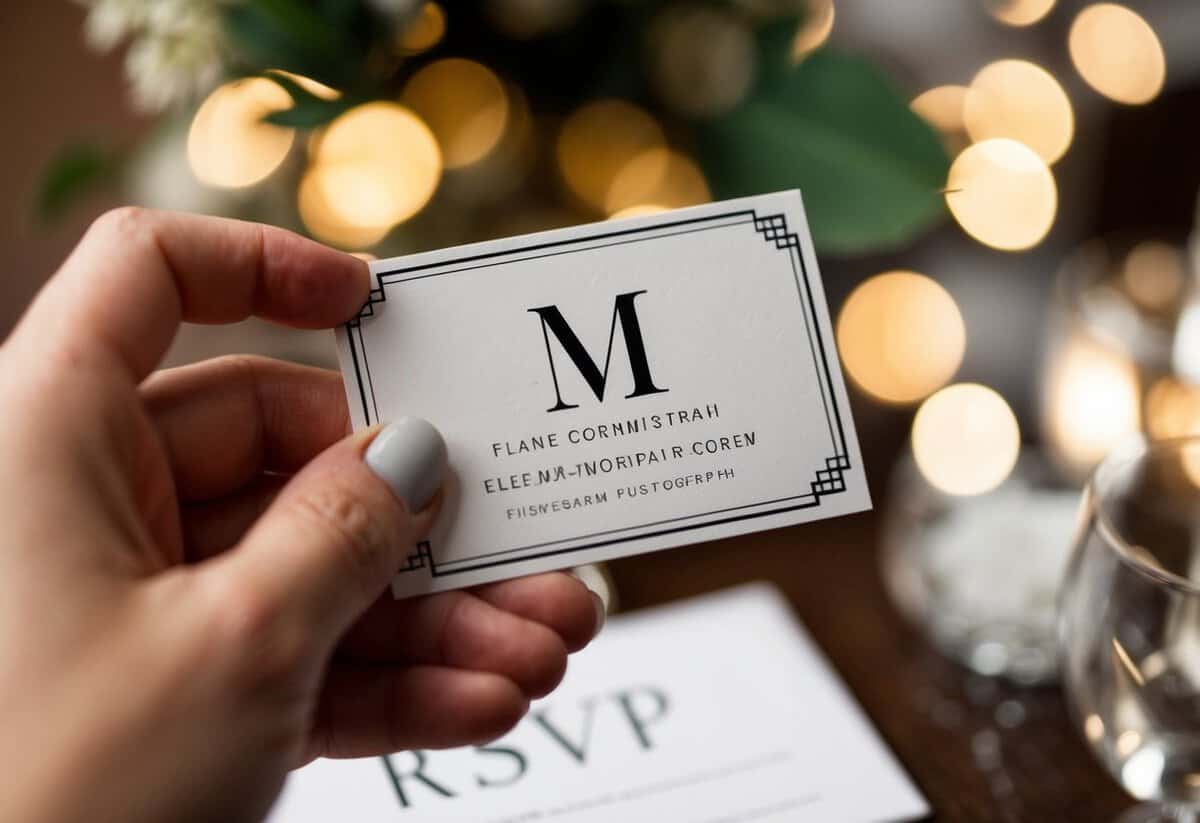
When you receive a wedding invitation, you might notice the ‘M’ line on the RSVP card. This small detail plays an important role in wedding tradition.
The ‘M’ stands for the title you prefer. It’s a way for you to indicate whether you are Mr., Mrs., Ms., or Miss. This helps the couple know how to address you when they send out their thank-you notes.
Here’s how to fill it out:
- Write your title next to the ‘M’ line.
- Fill in your full name next to your title.
- If your plus-one is invited, include their name as well.
For example, if your name is Jane Smith and you are a Ms., you would write:
M____Ms. Jane Smith
This format is part of traditional RSVP etiquette. It shows respect and keeps everything organized for the wedding planning.
Using the M line correctly helps the couple finalize their guest list. It also helps them estimate the number of meals they need to prepare.
So, when you see the ‘M’ on response cards, remember it’s there to make the RSVP process smoother and more formal. Enjoy celebrating with the happy couple!
How to Fill Out an RSVP Card
Filling out an RSVP card is simple but important. It shows the hosts how many guests to expect and helps with planning. Here’s how to do it right.
Responding for Single Guests
If you’re attending alone, look for the line that has the letter “M” followed by a blank space. This is where you will fill in your title and name.
For instance, if you’re Mr. John Smith, write “M. John Smith” on the line.
Make sure to clearly mark your response. You should check “Accepts with pleasure” or “Declines with regret,” depending on your situation. Remember to sign the card to avoid any confusion. It’s polite and helps the hosts finalize their guest count.
Confirming Attendance for Couples
If you are attending with a partner, it is important to indicate both your names. The RSVP card may have a spot to write both of your titles and names.
For example, write “M. John Smith & Ms. Jane Doe.”
Be sure to select your response together. You can write “Accepts with pleasure” or “Declines with regret” for both of you. If it’s a plus one, confirm if your guest will join you. Following this etiquette shows respect to the hosts and helps in accurate guest counting.
Indicating Meal Preferences
Some RSVP cards ask for meal preferences. This is common for weddings or events with catered meals. You might find options such as chicken, beef, or vegetarian. It helps the caterers plan better.
When choosing meals, check the corresponding line or box next to the options offered.
If you have dietary restrictions, communicate those in the extra space provided, if available. This shows consideration and ensures everyone enjoys the meal. Make sure to indicate this clearly to avoid confusion.
RSVP Etiquette and Deadlines
Understanding the importance of RSVPs helps ensure your wedding planning goes smoothly. Proper etiquette about response times and guest counts can create a more enjoyable experience for everyone involved.
Adhering to Proper Wedding Etiquette
When you receive an RSVP card, it’s essential to fill it out promptly. This card typically has an “M” followed by a line for your title, guiding you in responding appropriately.
Proper etiquette suggests replying as soon as possible, ideally within a week of receiving the invitation.
Always include the number of guests attending. If your invitation specifies plus-ones, be sure to let the couple know if you’ll bring someone. This helps them cater to everyone effectively and manage seating arrangements.
Remember to respond “with pleasure” or “regretfully” to indicate your attendance.
Understanding the Importance of RSVP Deadlines
Setting and adhering to RSVP deadlines is crucial. Couples usually indicate a reply date on the invitation, typically two to four weeks before the wedding. Responding by this date allows the couple to finalize plans based on the number of guests.
Failing to reply can lead to confusion and extra work for the couple. If you need more time, communicate with them to avoid misunderstandings. Remember, responding promptly shows respect for the couple’s efforts in planning their special day. It’s a simple way to honor their invitation!