
What Does the M Stand for on an RSVP? Understanding the Invitation Etiquette
When you receive a wedding invitation, you may notice a curious letter on the RSVP card: an “M” followed by a blank line. This “M” stands for the title you prefer, like Mr., Mrs., Ms., or Miss. It’s a little tradition that helps keep responses clear and respectful.
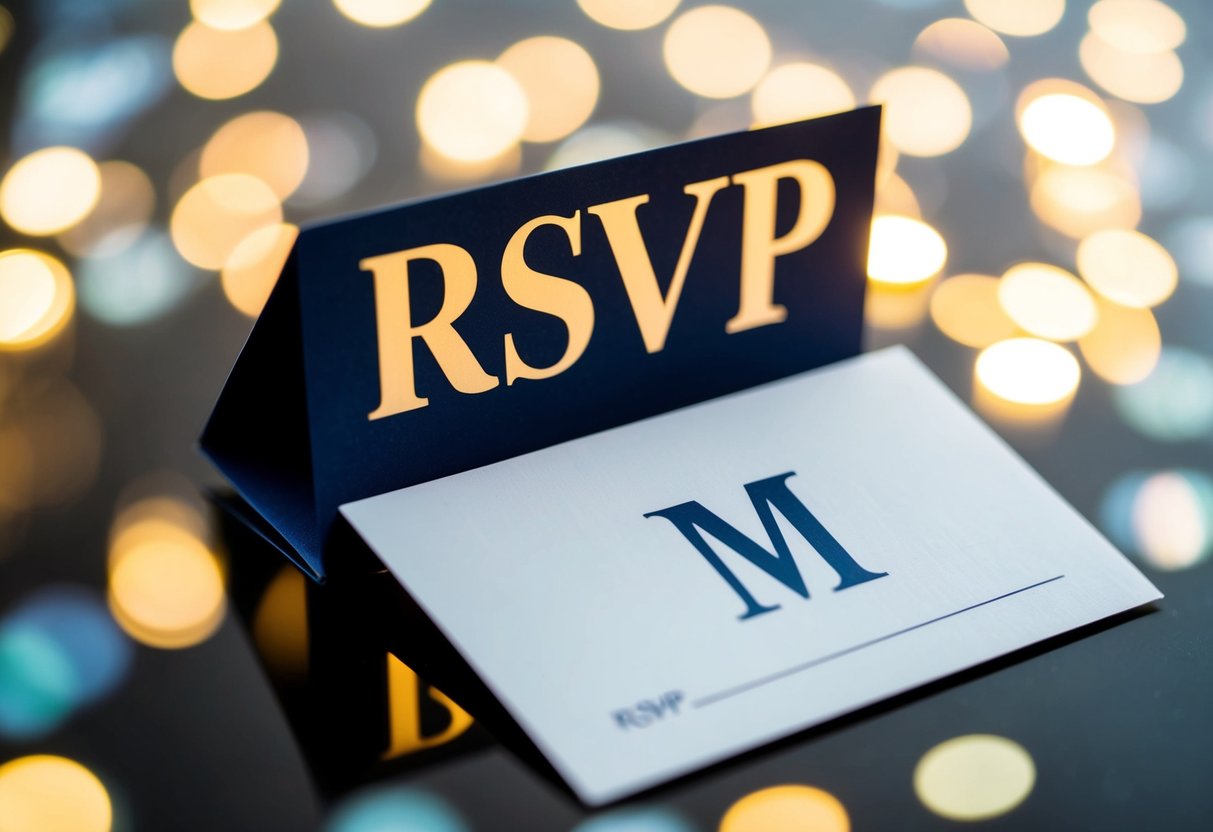
Understanding what the “M” means can make the RSVP process smoother for you. Properly filling out this part not only follows etiquette but also reflects your relationship with the couple inviting you. Embracing these small traditions adds a special touch to the overall wedding experience.
So, the next time you encounter an RSVP card, you can confidently fill it out, knowing exactly what that letter signifies. Your thoughtful response contributes to making the wedding planning a little easier for everyone involved.
Understanding RSVP and the ‘M’

When you receive a wedding invitation, you might notice the letter ‘M’ on the RSVP card. This simple letter holds significance and has a rich history rooted in etiquette. Knowing what it means can help you fill out the RSVP correctly.
The Significance of ‘M’ on an RSVP Card
The ‘M’ on an RSVP card stands for the first letter of your title. This could be Mr., Mrs., Ms., or Miss. When filling out the card, you write your title followed by your full name. For example, if your name is Sarah Smith and you are married, you would write “Mrs. Sarah Smith.”
This prompts you to identify yourself clearly. The RSVP card helps the couple know who is attending their special day. It also adds a personal touch to the invitation, making it feel more formal and thoughtful.
Origins of the RSVP Tradition
The RSVP tradition is French in origin, meaning “répondez s’il vous plaît,” or “please respond.” It dates back to the 18th century when it became common for hosts to request an early response to their invitations.
Having a formal response allows hosts to plan their events better, knowing how many guests to expect. This is especially important for weddings, as they often involve more detailed organization regarding seating, catering, and other logistics. By responding, you help contribute to a smooth celebration.
RSVP Etiquette for Guests
When you receive a wedding invitation, it is important to respond properly. Your reply helps the couple plan for their special day. Here are some key points to consider about how to respond, meal selections, and plus-one invitations.
How to Respond to a Wedding Invitation
When you get an RSVP card, take a moment to read it carefully. It usually has a specific date to respond by, often noted at the bottom. Make sure to reply promptly, whether you are attending or not.
Fill out the RSVP card clearly. Write your name on the line next to the “M,” choosing the title that fits you best, like Mr., Mrs., or Ms. Use legible handwriting to avoid any confusion.
If you cannot attend, politely decline. You might write a short personal note to the couple expressing your regrets. This small gesture means a lot and shows you care.
Meal Selection on RSVP Cards
Meal selection can be an important part of your RSVP. Many couples offer choices for dinner, often including vegetarian or special diet options. Be sure to indicate your choice clearly on the card.
If the card has a menu list, circle or check your preferred meal. If there’s a space for special requests, use it to note any allergies or dietary restrictions.
Always respond with the meal you actually prefer. Changing your mind later can complicate the couple’s planning. This helps them finalize the numbers and budget for the event without any last-minute surprises.
Plus-One Etiquette
Receiving a plus-one invitation is exciting, but it comes with some guidelines. If the invitation includes a plus-one, consider if you want to bring someone. Only invite a guest if you truly want them there.
When you decide to bring a plus-one, confirm their attendance on the RSVP card. Write their name next to yours. This ensures the couple counts them in their planning.
If your invitation doesn’t mention a plus-one, it’s best not to bring an extra guest. Respect the couple’s choices, as they may be working within a tight budget or venue limitation.
Incorporating RSVPs into Your Wedding Budget
Your wedding budget depends heavily on the number of guests. RSVPs can directly impact your costs.
Start by estimating your budget based on an expected number of attendees.
Once you have the final count from RSVPs, you can adjust your budget. For instance, more guests mean more wedding stationery, catering, and possibly additional seating.
Make sure to have a budget cushion for unexpected guests. Always plan for a few more than the confirmed RSVPs to avoid last-minute issues. This can save you stress and money!