
What Does the Mother of the Groom Traditionally Do? A Guide to Her Role and Responsibilities
The role of the mother of the groom has changed a lot over the years. Traditionally, she supports her son and the couple by helping with planning, hosting events like the rehearsal dinner, and ensuring everything runs smoothly on the wedding day. This involvement can range from providing advice to handling guest lists and coordinating with vendors.
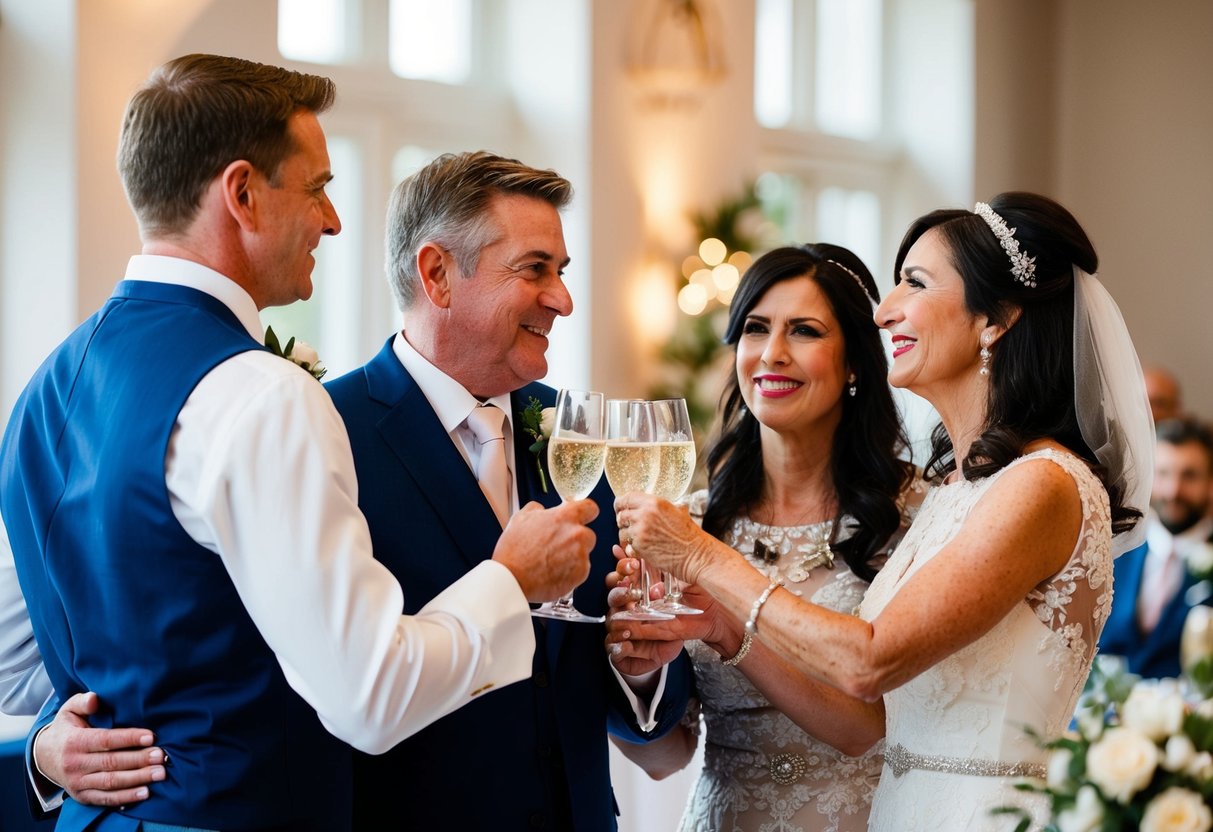
As you prepare for this exciting time, it’s important to know what responsibilities you might take on. Many mothers of grooms are actively engaged in the planning process and play a crucial role in making the day memorable for everyone involved. Learning about these roles can help you feel more confident and involved.
Getting to know your responsibilities can also ease the stress for both you and the couple. You’ll find that the balance of tradition and personal touch can make all the difference in your approach to this special occasion.
Key Responsibilities of the Mother of the Groom
As the mother of the groom, you play a vital role in the wedding planning process. Your responsibilities can range from organizing pre-wedding events to helping manage family dynamics. Here are some key areas where you can make an impact.
Pre-Wedding Engagement Party Planning
One of your first duties may involve planning an engagement party. This event is a wonderful way to introduce both families and celebrate the couple’s news.
You can consider hosting a casual gathering or a more formal affair, depending on preferences.
When choosing the venue, think about space for both families to mingle comfortably.
Sending out invitations early helps set the tone and allows guests to plan ahead.
Don’t forget to coordinate with the bride’s family to ensure they feel included in the planning process.
Assistance with Marriage License and Legalities
Helping the couple obtain their marriage license is another important responsibility. Each state has different requirements, so research the local rules to guide them through this process.
You might assist in gathering necessary documents such as identification and proof of residency.
Make sure they know the deadlines involved, as some states require licenses to be obtained well ahead of the wedding date.
If there’s paperwork involved, consider helping them keep everything organized.
This support can help ease any stress related to legalities, allowing the couple to focus on their upcoming celebration.
Managing the Groom’s Family Guest List
Another key task is managing the guest list for your side of the family. Communicate with family members to gather names and update contact information as needed.
Start by creating a list of potential guests and then prioritize who will receive invitations.
It’s important to consider family dynamics in this process. Encourage open discussions about who should be invited, ensuring that all feelings are respected.
Maintaining clear communication with the couple about your list will ensure everyone is on the same page.
This will also help to avoid misunderstandings later on.
Financial and Planning Contributions

When it comes to planning a wedding, the mother of the groom has a significant role in managing costs and making important decisions. Your contributions can make the planning process smoother for everyone involved.
Navigating Wedding Costs and Contributions
As the mother of the groom, you often help manage the wedding budget. This usually includes covering specific expenses like the groom’s attire, transportation, and the rehearsal dinner.
Working closely with your child and their partner helps to ensure everyone is on the same page about what can be afforded.
It’s helpful to create a list of planned expenses. This list can guide you and your family in making financial decisions together.
By budgeting early, you can avoid last-minute surprises. Transparency about who pays for what can reduce stress and strengthen family ties during this busy time.
Participating in Vendor Meetings and Selection
You are also likely to be involved in vendor meetings and selection. From the venue to catering, your input can be valuable.
Attending these meetings allows you to share ideas and preferences, ensuring the couple has the wedding they envision.
It’s a good idea to have a list of preferred vendors ahead of time. This can include florists, photographers, and musicians.
By having a clear vision, you can help narrow down choices and present options that align with the wedding budget. Your experience and insight can make a significant difference in creating a memorable event.
Role in Pre-Wedding Events and Traditions
As the mother of the groom, your involvement in pre-wedding events is key to supporting the couple and fostering family connections. You have special roles during the rehearsal dinner and other important celebrations.
Hosting the Rehearsal Dinner
Traditionally, you help host the rehearsal dinner, which occurs the night before the wedding. This event is a chance for both families to come together and relax before the big day.
You can plan a dinner at your home, a restaurant, or another venue. Make sure to consider the atmosphere you want to create. This could reflect family traditions or cultural elements significant to your family.
Planning the menu and seating arrangements is important, too. Include both families in the mix to help everyone feel comfortable.
A great way to make the evening special is through the mother-son dance. This moment highlights your relationship with your son and allows for a meaningful memory to cherish.
Involvement in the Bridal Shower and Bachelorette Party
In addition to the rehearsal dinner, you often play a role in the bridal shower and can also assist in the bachelorette party.
While the maid of honor usually leads the shower, your support is valuable. Help organize games, food, and decorations that reflect the bride’s personality and style.
At the bachelorette party, you might contribute ideas or take care of logistics. It’s a time for bridesmaids and friends to celebrate the bride and bond before the wedding.
You may find it rewarding to see everyone having fun together, building connections that will last beyond the wedding day.
The Wedding Day: Support and Etiquette
On the wedding day, your role as the mother of the groom is vital for ensuring everything runs smoothly. You’ll be involved in day-of fashion choices, emotional support, and various reception duties. Your presence can help create a joyful atmosphere.
Fashion and Presentation on the Wedding Day
Choosing your wedding-day attire is important. Aim for a look that complements the wedding theme while staying true to your style. Consider the following tips for your outfit:
- Color Coordination: Match your outfit with the wedding palette. Avoid colors too similar to the bridal gown.
- Comfort: Choose comfortable shoes, as you will likely be on your feet for long hours.
- Accessories: Simple but elegant accessories can enhance your look without overshadowing the bridal attire.
Your appearance sets a positive tone, reflecting pride and support for your son and the couple. Paying attention to your outfit helps you feel confident throughout the day.
Emotional Support and Reception Duties
As the mother of the groom, you need to provide emotional support. Your son may be nervous, so your reassurance can make a big difference. Here are some ways to show support:
- Be Present: Be there to listen and offer guidance during wedding-day preparations.
- Encourage: Boost his mood with kind words or a hug, helping him feel more at ease.
At the reception, you’ll have important duties. Participating in the receiving line is traditional, where you greet guests with warmth.
Additionally, help facilitate introductions between families and ensure everyone feels included. By doing these things, you’ll help create a welcoming environment.