
What Does the Mother of the Groom Traditionally Pay For? A Guide to Her Role in Wedding Expenses
As you dive into wedding planning, it’s important to understand the financial responsibilities of each party. The mother of the groom traditionally covers expenses like the groom’s suit, transportation for the couple, and sometimes the rehearsal dinner. Knowing what she pays for can help with budgeting and ensure that everyone is on the same page.
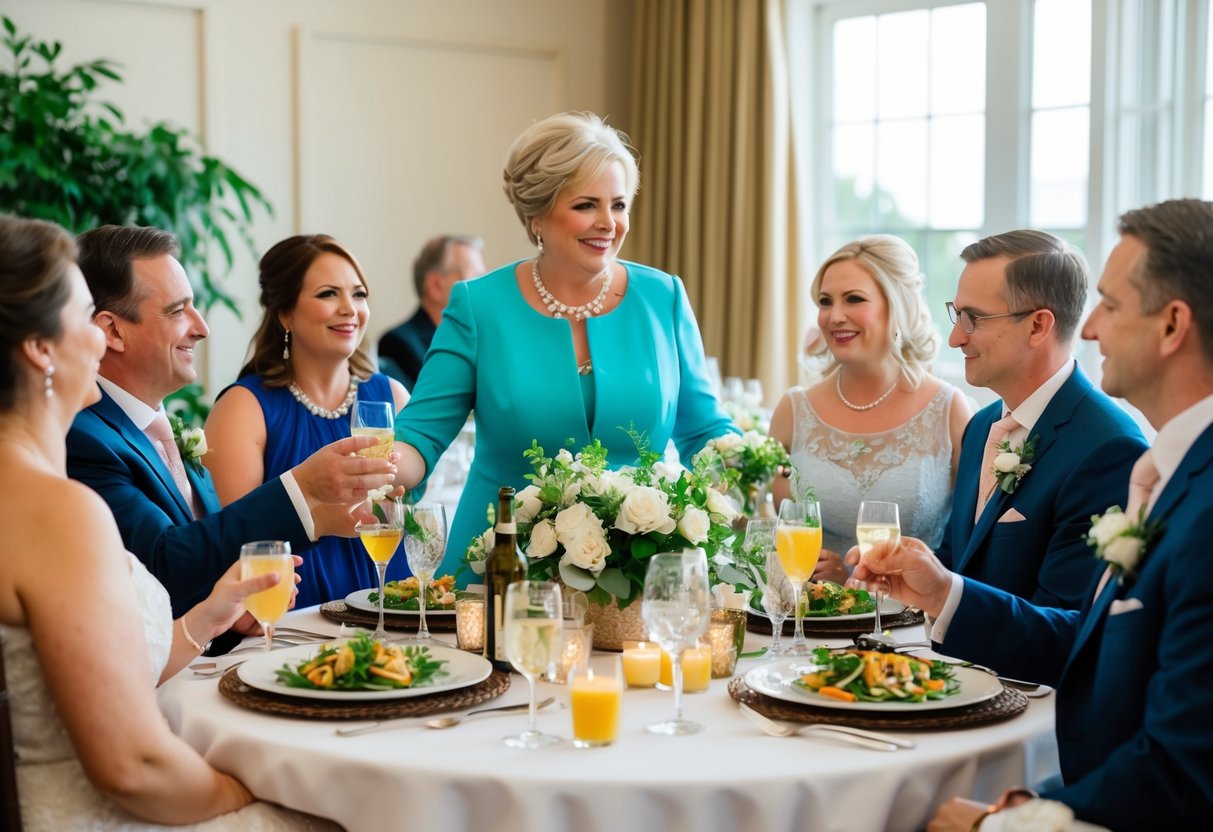
You might find it surprising that while the bride’s family often takes on many of the major costs, the groom’s family also has significant roles to play. Understanding these responsibilities can help smooth out any potential misunderstandings or conflicts.
By clarifying who pays for what, you can make the planning process much easier and more enjoyable. This insight allows you to focus on creating a memorable day for everyone involved, making the celebration truly special for you and your loved ones.
Mother of the Groom’s Traditional Financial Responsibilities
As the mother of the groom, you play an important role in the wedding planning process. Traditionally, you have specific financial responsibilities that help celebrate this special occasion for your child. Below are the main expenses you may handle.
The Rehearsal Dinner
One of your key responsibilities is hosting the rehearsal dinner. This intimate gathering usually occurs the night before the wedding. Often, it includes close family and friends.
You’ll typically pay for the venue, food, and beverages. The cost can vary depending on the location and the number of guests.
Think about a casual restaurant or a lovely home setting to save money while still providing a warm atmosphere. This event allows everyone to bond before the big day.
Contributions to Wedding and Engagement Parties
You might also contribute to other pre-wedding events like the engagement party. While this is not a strict obligation, many mothers of the groom help in organizing or financing these gatherings.
Providing a venue, food, and decorations can show your support for the couple’s journey. Make sure to communicate with the bride’s family to coordinate efforts, ensuring a smooth celebration.
By joining forces, you can create a memorable experience for everyone involved.
The Groom’s Attire and Related Expenses
Traditionally, you may cover the costs associated with the groom’s attire. This includes the suit, shoes, and any accessories he needs for the wedding day.
Depending on your budget, you can select a rental option or purchase the outfit. Keep in mind that it’s essential to consider his preferences while choosing the attire.
Make sure it fits well and complements the wedding theme. A well-dressed groom adds a touch of style to the special day.
Gifts for the Groomsmen and Other Tokens
Another responsibility is to provide gifts for the groomsmen. This gesture shows appreciation for their support during the wedding.
Common gifts include personalized items like cufflinks or engraved flasks. These thoughtful tokens remind them of the special occasion.
You can also consider a group gift, such as a nice dinner or experience that they can enjoy together. This fosters camaraderie among the groomsmen and makes the day more special for everyone.
Planning and Managing the Wedding Budget
Creating a wedding budget can feel overwhelming, but it’s important to keep everything organized. Understanding the budget, allocating funds properly, and balancing contributions can help you manage wedding costs effectively. Here are some key areas to focus on.
Understanding the Wedding Budget
First, determine the total amount you can spend on the wedding. This includes all expenses like venue, catering, and attire. The average wedding cost in the U.S. can be around $34,000, but this can vary based on location and preferences.
Make a list of all possible expenses. This can help you visualize where the money will go. Common expenses include:
- Venue rental
- Catering and drinks
- Flowers and decorations
- Photography and videography
- Attire for the couple
Having a clear understanding of your budget will guide your decisions as you plan.
Allocating Funds for Wedding Expenses
Decide how much to allocate to each expense. Start with the most important items. For instance, prioritize the venue and catering, as these often consume a large portion of the budget.
A possible breakdown could look like this:
- Venue: 30%
- Catering: 25%
- Attire: 10%
- Photography: 15%
- Other Expenses: 20%
Adjust these percentages based on your priorities. If photography is very important to you, consider shifting funds from another area. Keep track of your spending to avoid overspending.
Balancing Contributions Between Families
Traditionally, the bride’s family covers many costs, but it’s becoming common for both families to share financial responsibility. Discuss who will pay for what early in the planning process.
You might find that:
- The groom’s parents can cover the rehearsal dinner.
- The bride’s family may pay for the ceremony venue.
- Any additional expenses, like the groom’s attire, may also fall to his parents.
Talking openly about these contributions helps avoid misunderstandings later in the planning.
Additional Aspects of Wedding Contributions
When planning for a wedding, the mother of the groom plays a vital role in contributing to various costs. Understanding what these contributions might include helps in organizing the financial aspects of the event.
The Reception Elements
The reception is often the most significant part of the wedding day. You may be expected to contribute to several key elements. Reception alcohol is a primary expense, ensuring guests have drinks throughout the event.
Providing wedding favors is another thoughtful gesture. These small gifts show appreciation to guests for attending.
Additionally, the cost of the wedding cake falls into this category. You can discuss with the couple about flavors and styles to match their vision. Coordinating these expenses will help keep the reception fun and memorable.
Floral and Decor Elements
Flowers and decor set the mood at the wedding. You might help with the bride’s bouquet, ensuring it reflects her style and colors. Choosing the right flowers is important, as they often play a crucial role in the overall look of the ceremony and reception.
You may also assist in selecting floral arrangements for the venue, like centerpieces and decorative touches. A cohesive floral design enhances the event’s theme. Your support in these areas can make the day even more beautiful and special.
Transportation and Accommodation
Transportation is essential for a smooth wedding day experience. You could contribute to the cost of getting the bridal party to and from the venue. Limousines or classic cars can add a touch of luxury and fun.
Additionally, helping with accommodation for out-of-town guests or the newlyweds can be a thoughtful contribution. This may include booking hotel rooms or arranging group rates. Such efforts ease stress for everyone involved on the big day.
Registry and Honeymoon Considerations
Another area where your support can shine is with the wedding registry. You might help the couple choose items that will be well-used in their new life together. Discussing their preferences can guide you in making thoughtful contributions.
In some cases, you may also assist with honeymoon costs. Helping with travel plans or accommodations for their trip can be a generous way to celebrate their new union. Contributing in this way shows your support and love as they start their journey together.
Communication and Coordination with the Wedding Party
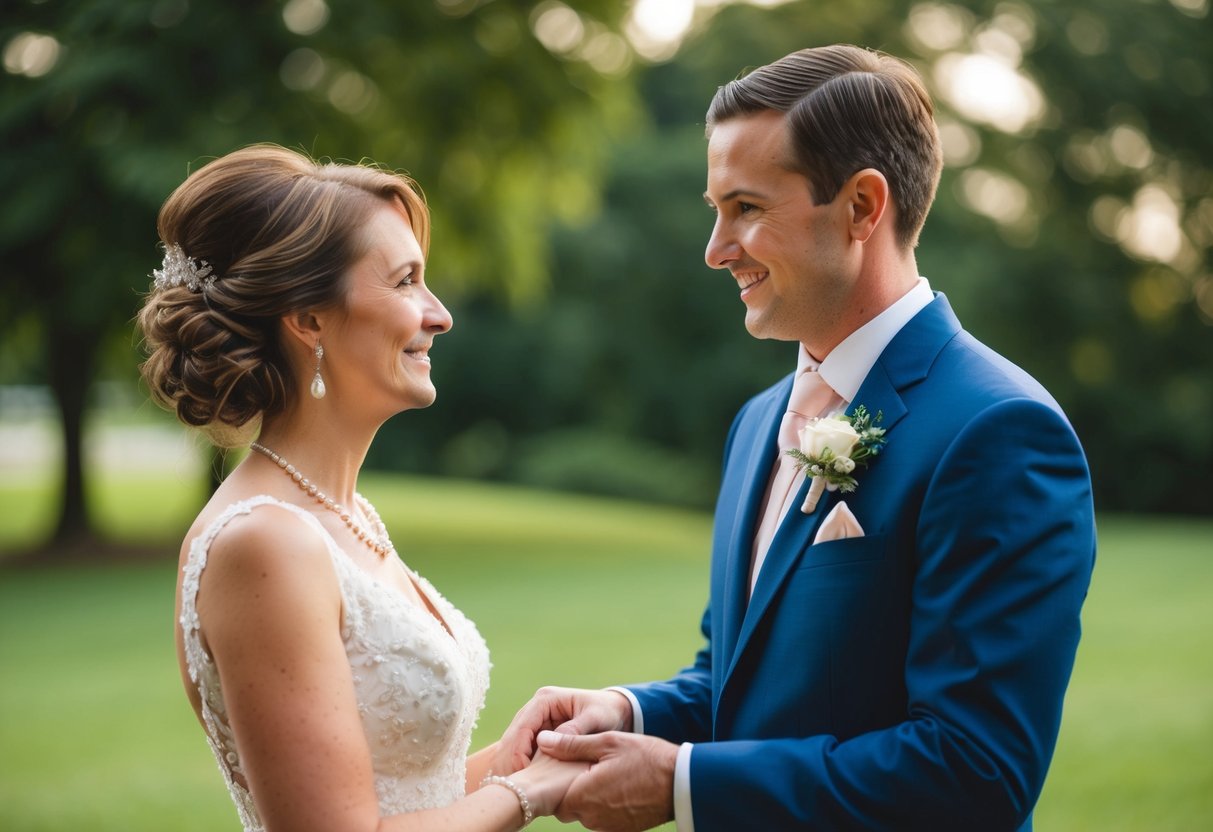
Effective communication and coordination are vital as you support your son during the wedding planning. Engaging with the wedding party and the bride’s family ensures everyone is on the same page and helps create a joyful and organized celebration.
Establishing Collaborative Planning
Start by reaching out to the bride’s mother to discuss each family’s responsibilities. This friendly communication sets a positive tone for planning. You can create a shared document or group chat to keep everyone updated. Consider setting regular meetings to go over progress and share ideas.
Collaborative planning helps in coordinating details, such as the guest list and seating arrangements. Keeping an open line of communication allows each family to voice concerns and suggestions comfortably. This way, you create a supportive environment throughout the planning process.
Coordinating with the Bride’s Family and Wedding Party
Coordination with the bride’s family is key. Organize joint meetings to discuss shared expenses, like the rehearsal dinner and other costs. Clarifying who covers what can prevent confusion later on.
Additionally, talk with the wedding party about their roles and responsibilities. Distributing tasks, such as choosing attire or organizing transportation, can help ease the planning burden. Make sure everyone knows their duties well before the big day.
You can also assist the groom in choosing his groomsmen and coordinating their attire. This ensures consistency and style throughout the wedding party.
Ensuring Smooth Wedding Day Operations
On the wedding day, clear communication will help keep things running smoothly.
Start by sharing a detailed timeline with all parties involved. Include key events like the ceremony, toasts, and the cake cutting.
Designate someone from the wedding party to be the point person for any questions or issues that may arise. This can help avoid confusion for both families and guests.
Make sure to check in with vendors, like the photographer and caterer, to confirm arrangements. Keeping everyone informed about last-minute changes will ensure a seamless experience for your son and his bride.