
What Does the Registrar Ask You Before You Get Married? Key Questions to Prepare For Your Big Day
When you’re preparing for your big day, you might wonder about the role of the registrar. The registrar will typically ask you about your identity, residency, and any previous marriages. These questions help ensure that you are eligible to obtain a marriage license and can legally tie the knot.
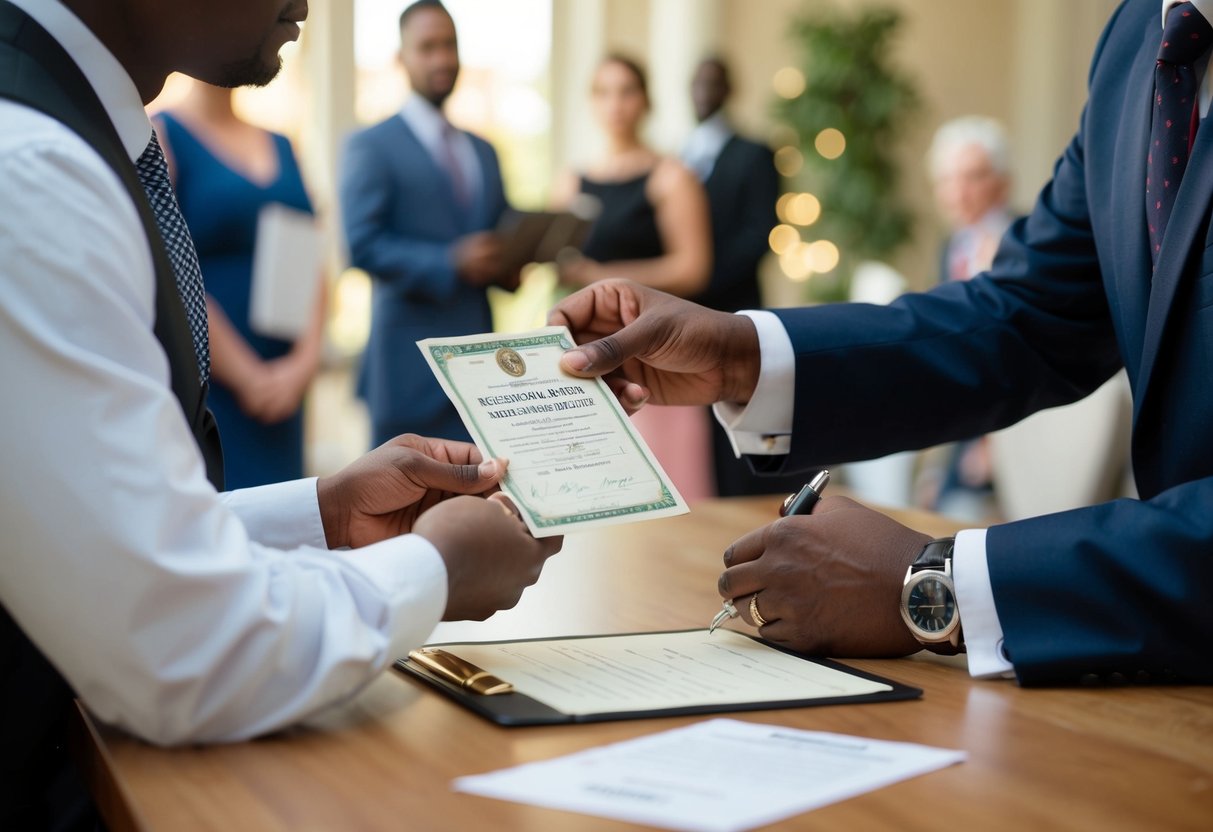
During your meeting, you’ll also discuss important details regarding the actual ceremony and the documentation you need. This includes making sure that you understand the difference between a marriage license and a marriage certificate. Knowing these terms can clear up any confusion about the legal steps you need to take.
Getting ready to marry is exciting, but the registrar’s questions are a crucial part of the process. Being informed about what to expect can help ease any nerves and make your day go smoothly.
Getting Started with Your Marriage License Application
Applying for a marriage license is an essential step in your wedding planning. This process involves understanding key documents and knowing what to expect when you apply.
Understanding Marriage License vs. Marriage Certificate
A marriage license and a marriage certificate are two different documents. The marriage license is the official permission that allows you to get married. You need to apply for it at your local county clerk’s office.
Once you marry, you receive a marriage certificate, which is proof of your marriage. It is important for legal and personal purposes. Be sure to keep it safe, as you may need it for name changes or other legal reasons down the line.
What You Need to Know About the Marriage License Application Process
When you’re ready to apply for your marriage license, gather important documents. Generally, you will need valid ID, such as a driver’s license or passport, and sometimes vital records like a birth certificate.
Visit the county clerk’s office or a vital records office to fill out the application. Each state has its own marriage license requirements, so check in advance to ensure you have everything you need.
You may need to pay a fee, and both partners usually must be present to sign the application. The process is often quick, so make sure to review the application before submitting it to avoid any delays.
Required Documentation and Identification
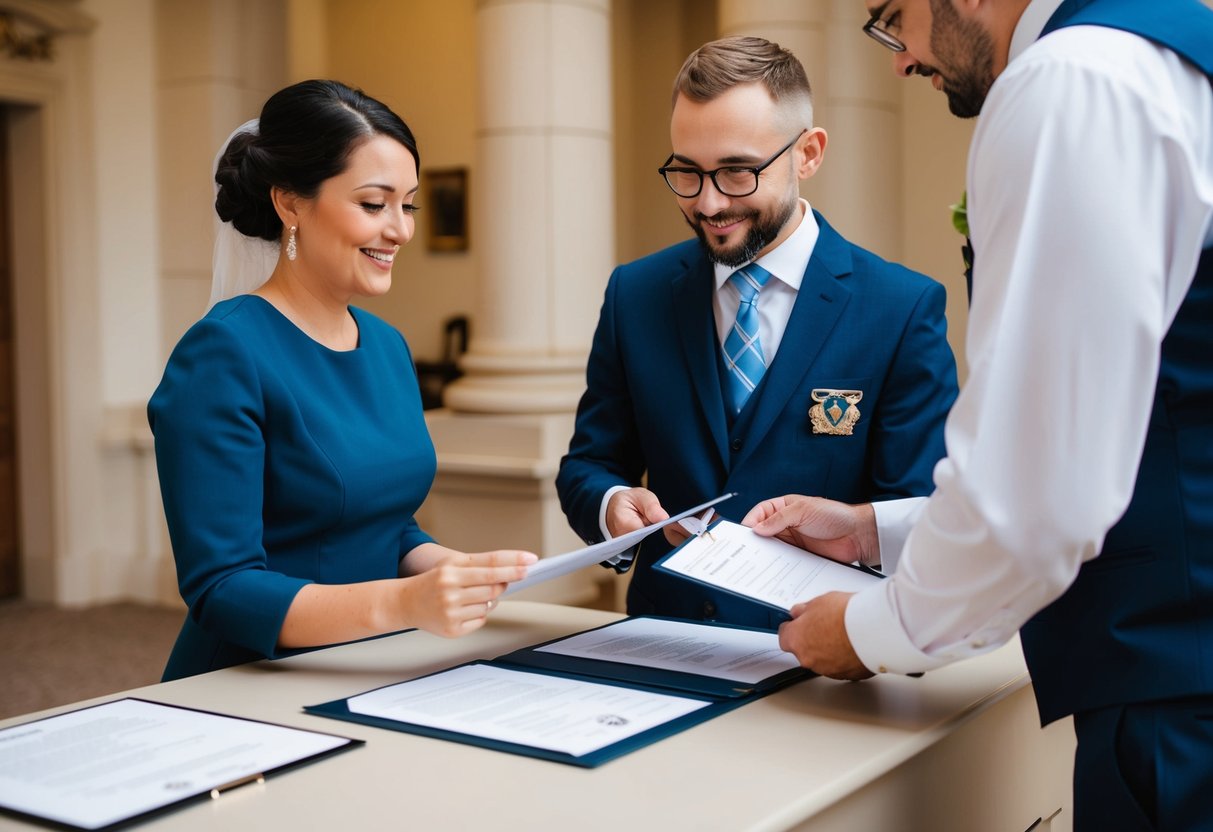
When preparing to get married, you will need to provide specific documents to the registrar. This ensures that you meet all legal requirements. Below are the key types of documentation and identification you should be aware of.
Primary Identification Documents Required
You will need to show a primary form of identification. Commonly accepted documents include a driver’s license, state-issued photo ID, or passport. These documents should clearly display your name and photo.
In most cases, the registrar asks for at least one of these to verify your identity. It’s important to ensure that the name on your ID matches what you plan to use on your marriage license. If you have changed your name, bring documents that support this, such as a court order.
Proof of Citizenship and Age
You must also provide proof of citizenship, which is often done with a birth certificate or passport. Along with this, you need to establish your age. Most states require you to be at least 18 years old to marry without parental consent.
If you are under 18, you may need additional documents, such as parental consent forms. Make sure your birth certificate is a certified copy, as it often needs a raised seal to be accepted. Your Social Security number may also be requested, so have that ready.
Managing Special Situations: Divorce, Death, and Court Orders
If you have been previously married, you need to provide a divorce decree as proof that you are no longer married. This document shows the date your previous marriage ended and should be certified.
In cases where one partner is a widow or widower, you also need to present a death certificate of the deceased spouse. If there are legal name changes involved, a court order may also be necessary. Collect all relevant documents ahead of time to ensure a smooth process when applying for your marriage license.
Additional Considerations Before the Big Day
Before your wedding day, it’s essential to understand the legal requirements and details involved in getting married. Paying attention to waiting periods, fees, and state-specific rules can help you plan effectively.
Understanding the Waiting Periods and Fees
Different states have various waiting periods for marriage licenses. This is the time you must wait after applying for your license before you can officially marry. Some states have no waiting period, while others may require up to three days.
Marriage license fees also vary widely, from $20 to over $100. Be sure to check your state’s fees to avoid surprises. Additionally, some states may charge extra for expedited processing if you’re in a hurry.
Special Provisions for Destination Weddings
Planning a destination wedding? You’ll need to look into the specific rules of the place where you plan to marry. Many countries have unique requirements that might include obtaining a local marriage license.
Some popular destination wedding locations may also have waiting periods or other fees. It’s crucial to review these rules well ahead of your wedding date. This ensures all legalities are sorted out, allowing you to focus on your celebration.
Knowing the State-Specific Requirements
Each state has its own regulations regarding marriage. Some require blood tests, while others may not. You should check if your state has these rules, as they can affect your plans.
Make sure you also understand the process for common law marriages, court or parental consent if either of you is underage, and whether all necessary documents (like ID) are required at the time of application. Familiarizing yourself with these details will help ensure a smooth and joyful wedding day.