
What Flowers Go Together in a Bouquet Wedding? A Guide to Perfect Floral Combinations
Choosing the right flowers for your wedding bouquet can feel overwhelming, but it doesn’t have to be. You want combinations that match your style and the overall theme of your wedding.
Some great flower pairings include classic roses with delicate peonies, or vibrant dahlias with lush greenery. These combinations not only look stunning but also help create beautiful floral arrangements that can be used in centerpieces and other settings throughout your wedding.
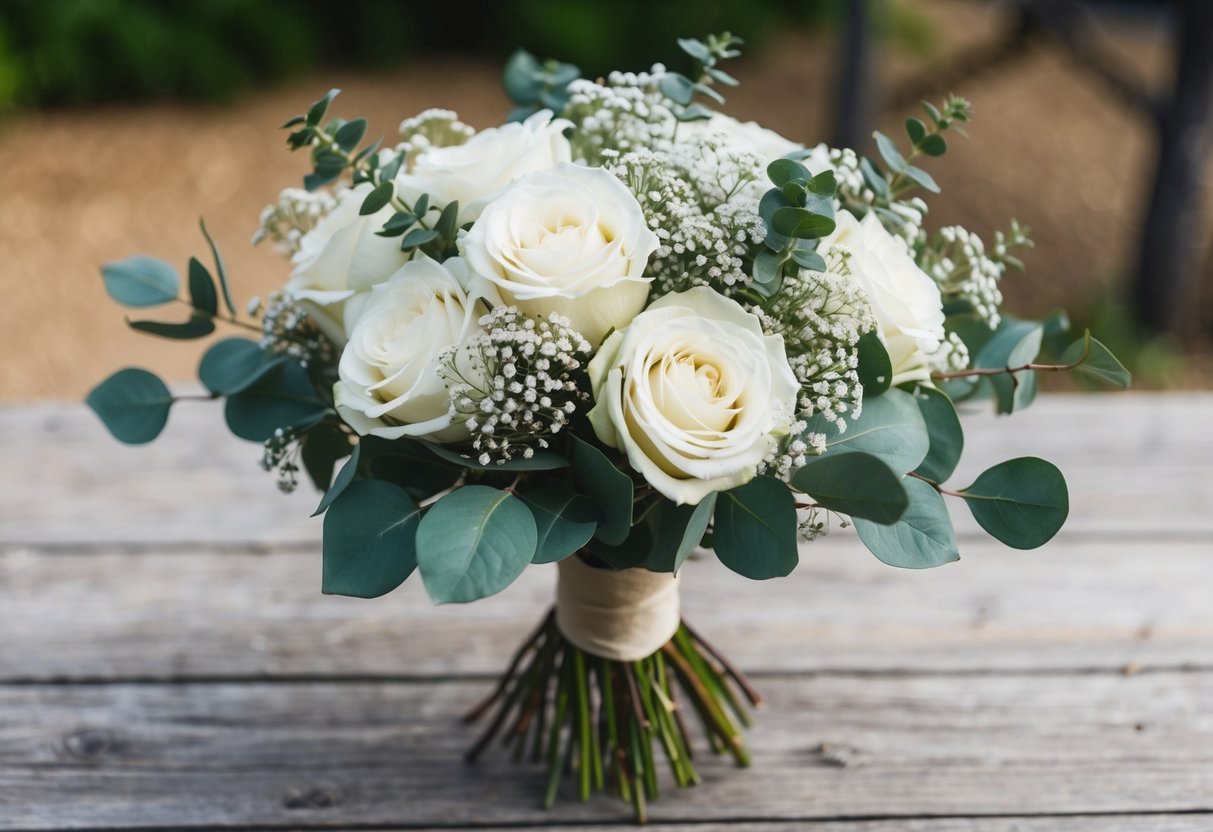
Mixing focal flowers, filler flowers, and greenery will ensure your bouquet has depth and character. Pairing larger blooms like hydrangeas with smaller flowers like baby’s breath can add sweetness to your arrangement.
With the right selections, your bouquet can become a highlight of your wedding day, complementing everything from the ceremony to the reception.
As you explore your options, think about the colors and textures that make you feel happiest. Whether you lean towards soft pastels or bold shades, there are endless possibilities that will make your bouquet uniquely yours.
Embrace the creativity in choosing flowers that not only look good together but feel right for your special day.
Choosing Your Wedding Flowers
Selecting your wedding flowers is an exciting part of your planning process. It’s important to think about aspects like color and symbolism to create a bouquet that truly reflects your style and emotions.
Understanding Color and Seasonality
Choosing the right color palette is essential for your wedding flowers. Consider the mood you want to set. Soft pastels like pink and lavender convey romance, while bold colors like red and orange create energy.
Pair your colors with seasonal blooms for freshness. For example, tulips and peonies are stunning in spring, while hydrangeas shine in summer weddings.
Consult your florist about what’s in season to find the best options for your special day.
Having a mix of colors can also add depth. You might combine white roses with vibrant pink peonies for a classic yet lively look. Think about how your flowers will complement your dress, venue, and overall theme.
Selecting Flowers Based on Symbolism
Each flower has its own meaning, adding a personal touch to your bouquet. For example, roses symbolize love, making them a popular choice for weddings.
You might want to include red roses for passionate love or white roses for purity.
Peonies represent happiness and good fortune. They are often chosen for their lush appearance and sweet fragrance. Hydrangeas can symbolize heartfelt emotions, making them perfect for expressing deep feelings on your big day.
When selecting flowers, think about the messages you want to convey. Choosing flowers with special meanings can make your bouquet even more unique and memorable.
Designing Your Bouquet
When designing your bridal bouquet, think about the shape, size, and unique elements that can enhance its beauty. Combining flowers with greenery can create a stunning visual impact for your special day.
Bouquet Shapes and Sizes
Your bouquet’s shape and size play a significant role in its overall look. Common shapes include round, cascading, and hand-tied.
- Round Bouquets: These are classic and symmetrical, perfect for garden roses and scabiosa. They create a soft, romantic feel.
- Cascading Bouquets: These feature flowers that flow down, adding drama. They work well with elements like eucalyptus for a natural touch.
- Hand-Tied Bouquets: These can be more relaxed and informal. You can mix various sizes of blooms to create a personalized style.
Consider your wedding dress style when choosing the bouquet size. A larger bouquet may complement a simple gown, while a smaller bouquet can enhance a more intricate dress.
Incorporating Greenery and Unconventional Elements
Adding greenery, like eucalyptus, can enhance your floral arrangement‘s depth and texture. Greenery can fill in gaps and provide a backdrop for your focal flowers.
Consider mixing unconventional elements, too. Things like berries, succulents, or even feathers can add a unique twist to your bridal bouquet.
- Use a blend of textural greenery alongside delicate blooms like scabiosa.
- Mix in playful elements, like unique foliage or dried flowers, to make your bouquet stand out.
Accent Flowers and Foliage
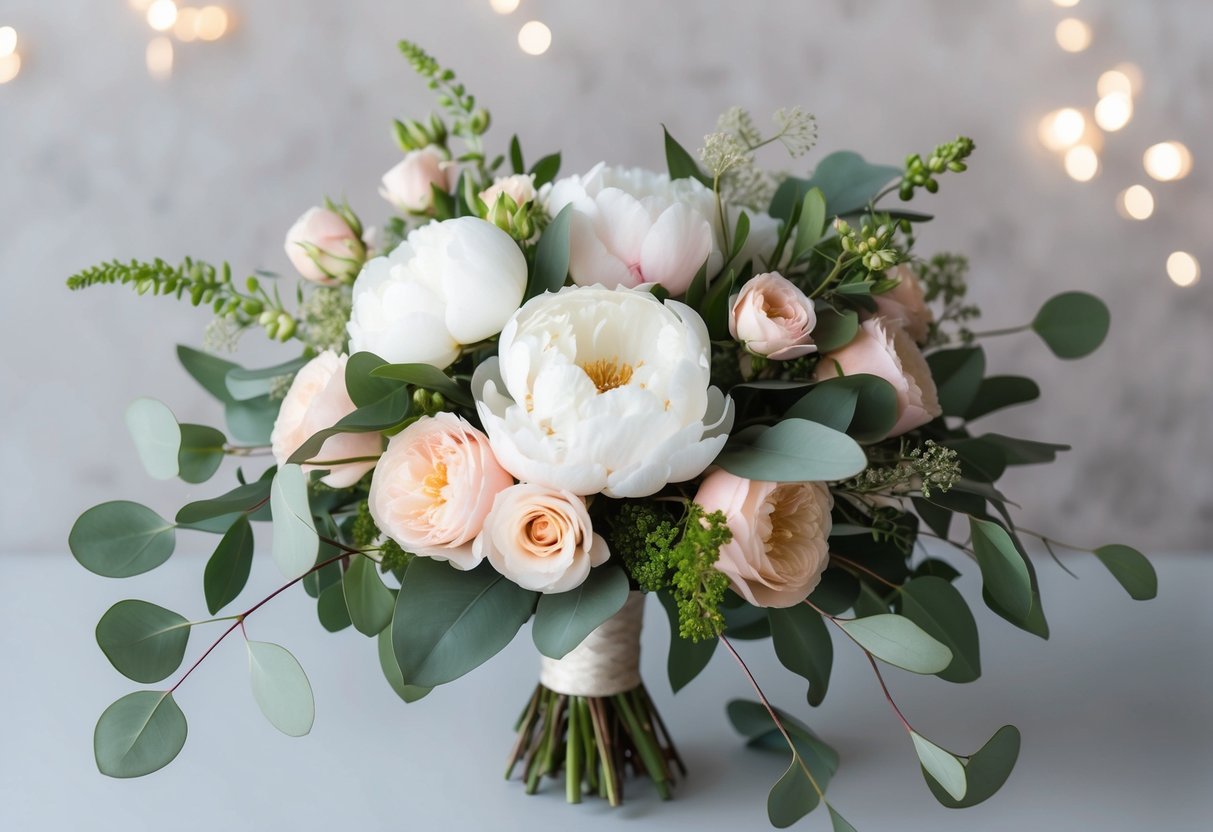
Creating a beautiful bouquet requires thoughtful choices about accent flowers and greenery. These elements help to enhance the overall look and add unique textures and colors that complement your main flowers.
Choosing Complementary Accents
When selecting accent flowers, aim for those that enhance your focal blooms, like ranunculus or dahlias. These vibrant flowers can create depth and contrast.
Consider using wildflowers for a playful touch or incorporate tweedia for a soft blue hue.
Each accent should flatter your main flowers, making the bouquet visually appealing. Pair delicate flowers with bolder ones to create balance. Think about how lace flowers can add a whimsical element, while hydrangeas can provide volume.
Don’t be afraid to experiment with colors and shapes. You want your bouquet to reflect your style and personality.
Foliage Types for Texture and Volume
Foliage plays a key role in adding texture and volume to your bouquet. Eucalyptus is a popular choice for its lush leaves and subtle fragrance. Its varying shades of green can create a lovely backdrop for brighter flowers.
Ferns can also introduce a soft, romantic feel. They’re perfect for rustic or tropical weddings. Combine different textures, like the feathery leaves of ferns and the broad leaves of tropical greenery, to create visual interest.
Consider using small accents like ivy or grapevine for added detail. By blending different types of foliage, you can achieve a full, rich look that complements the colors and shapes of your chosen blooms.
Finishing Touches for Your Floral Arrangements
Adding finishing touches to your floral arrangements can truly elevate their beauty. Small details, like ribbons and unique additions, can enhance the overall look and feel of your bouquet and wedding decorations.
Accessorizing with Ribbons and Lace
Using ribbons and lace can add charm to your bouquet. Consider tying soft, flowing ribbons around the stems for a delicate touch. Choose colors that complement the flowers, such as cream or blush to highlight blooms like lily of the valley or king protea.
You might also wrap the stems with a piece of lace for an elegant vintage feel. This not only adds style but also helps in securing the stems together.
Don’t forget to consider alternative options like twine or burlap for a rustic look, especially if you have olive branches in your arrangement. These materials can provide different textures, making your bouquet even more appealing.
Unique Additions: Hair Pieces and Aisle Decor
Incorporating hair flowers into your wedding look can make you feel special. A small cluster of flowers from your bouquet can create a beautiful hair piece. Options like tiny sprigs of lily of the valley or delicate white blooms are perfect for adding a soft touch to your hairstyle.
For your aisle arrangements, think about including the same flowers that feature in your bouquet. This creates a lovely connection between your bouquet and the overall decorations.
Consider adding lush greenery or olive branches to your aisle decor as well. This not only ties in with your bouquet but also provides a stunning backdrop for your ceremony. When you choose matching elements, everything will feel cohesive and thoughtfully planned.