
What Happens at a UK Wedding Ceremony? A Guide to Traditions and Celebrations
A UK wedding ceremony is a special occasion filled with meaningful traditions and personal touches. During the ceremony, you will exchange vows and rings, symbolizing your commitment to each other. Whether you opt for a traditional wedding held in a church or a civil ceremony at a registrars’ office or approved venue, each type offers a unique way to celebrate your love.
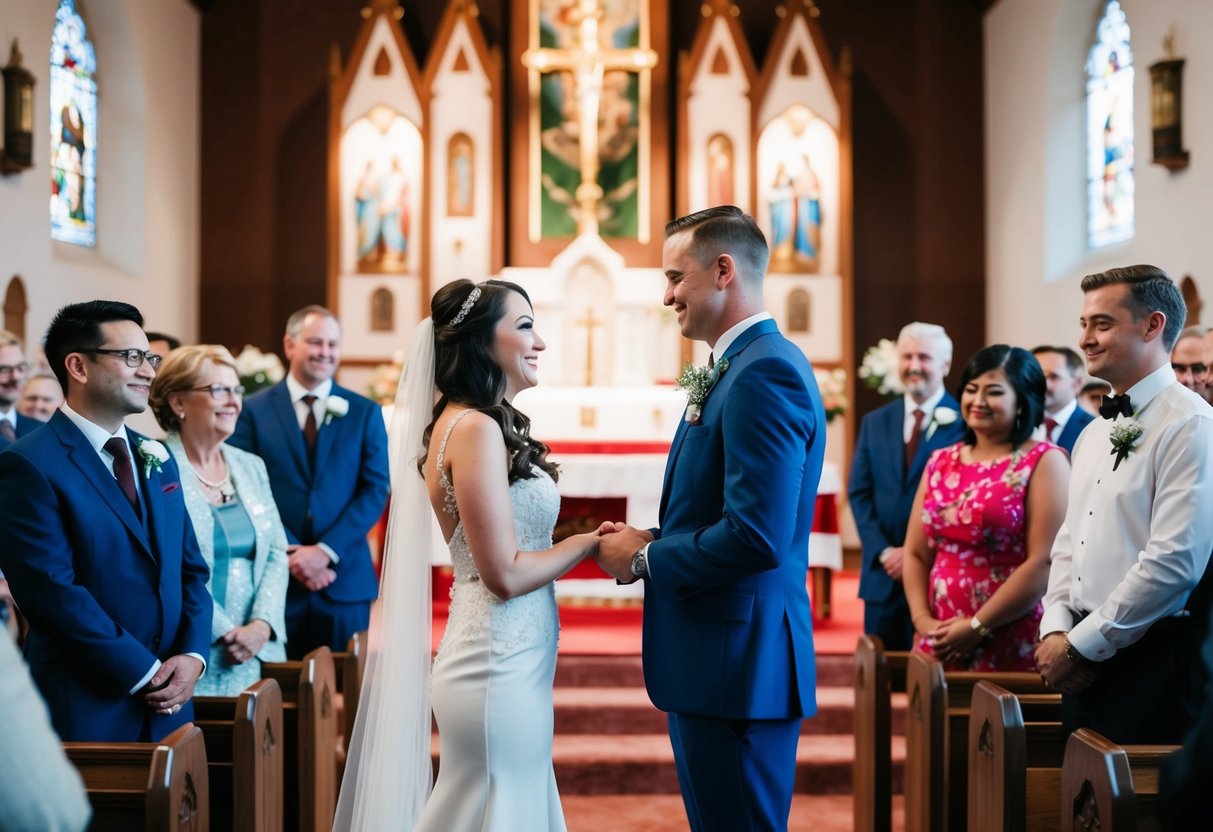
As you walk down the aisle, you will see familiar elements like seating arrangements, cherished guests, and carefully chosen music. In a traditional British wedding, the groom waits at the altar while bridesmaids make their entrance, adding to the excitement. Civil ceremonies allow for more personalization, giving you the chance to include your own vows and special readings.
After the vows, guests often shower you with confetti or rose petals as you exit. This moment often leads to the reception, where celebrations continue with food, drinks, and dancing. Understanding the flow of your wedding ceremony can help make your special day even more memorable.
Planning the Big Day
When planning your wedding day, choosing the right venue and ceremony type sets the tone for everything that follows. You’ll want to consider how your venue complements your style and the kind of ceremony that feels right for you.
Choosing the Perfect Venue
Selecting a wedding venue is one of the first big decisions you’ll make. Consider whether you want a grand hall, a cozy barn, or a picturesque garden. Each venue offers unique vibes that can influence your ceremony.
Think about logistics too. Can the venue accommodate your guest list? Are there facilities for your wedding coordinator and registrars?
It’s wise to visit potential venues to get a feel for the space. Ask about available dates and what packages they offer. Many venues can provide everything from tables and chairs to catering services. Make a list to compare features and prices.
Selecting a Civil Ceremony or Traditional Wedding
You have two main options for your ceremony: a civil wedding ceremony or a traditional wedding ceremony. A civil ceremony is often simpler and more flexible. You can personalize it to fit your style.
For a civil ceremony, check with local registrars about requirements and available dates. They will guide you through the legal aspects. This ceremony can take place in various settings, including a licensed venue.
On the other hand, a traditional wedding ceremony often includes religious or cultural elements. Think about readings, music, and rituals that resonate with you. Ensure you meet any church requirements for this type of ceremony. Each option has its charm, so choose what aligns with your vision for the big day.
Ceremony Proceedings
A UK wedding ceremony is filled with meaningful moments. Each part flows seamlessly, creating a memorable experience for you and your guests. Here’s a closer look at the key proceedings of the ceremony.
The Processional to Recessional Flow
The ceremony begins with the processional, where you walk down the aisle. This is usually accompanied by a song that sets the tone for the day. You might choose a classic wedding march or something more personal.
After the vows and ring exchange, the ceremony concludes with the recessional. This is when you and your partner walk back down the aisle together as newlyweds. Guests often cheer or throw confetti as you exit, adding to the joyful atmosphere.
Vows and Exchange of Rings
The heart of the ceremony is the vows. Here, you express your love and commitment to one another. You can use traditional vows or write your own to add a personal touch.
Following the vows, the exchange of rings symbolizes your unending love. The rings are often blessed, representing the unity of your relationship.
This moment is usually emotional and highlights the essence of your commitment to each other.
Music, Readings, and Personal Touches
Music plays a significant role in your ceremony. From the prelude as guests arrive to the chosen songs during key moments, it sets the overall mood. You can select a special song or live performance that reflects your relationship.
Readings can also enhance the ceremony. Friends or family might share meaningful stories or poems.
Don’t forget to include elements of personalization. This could be a unique ritual or a meaningful quote. These touches make the ceremony uniquely yours, creating cherished memories for everyone involved.
Post-Ceremony Festivities
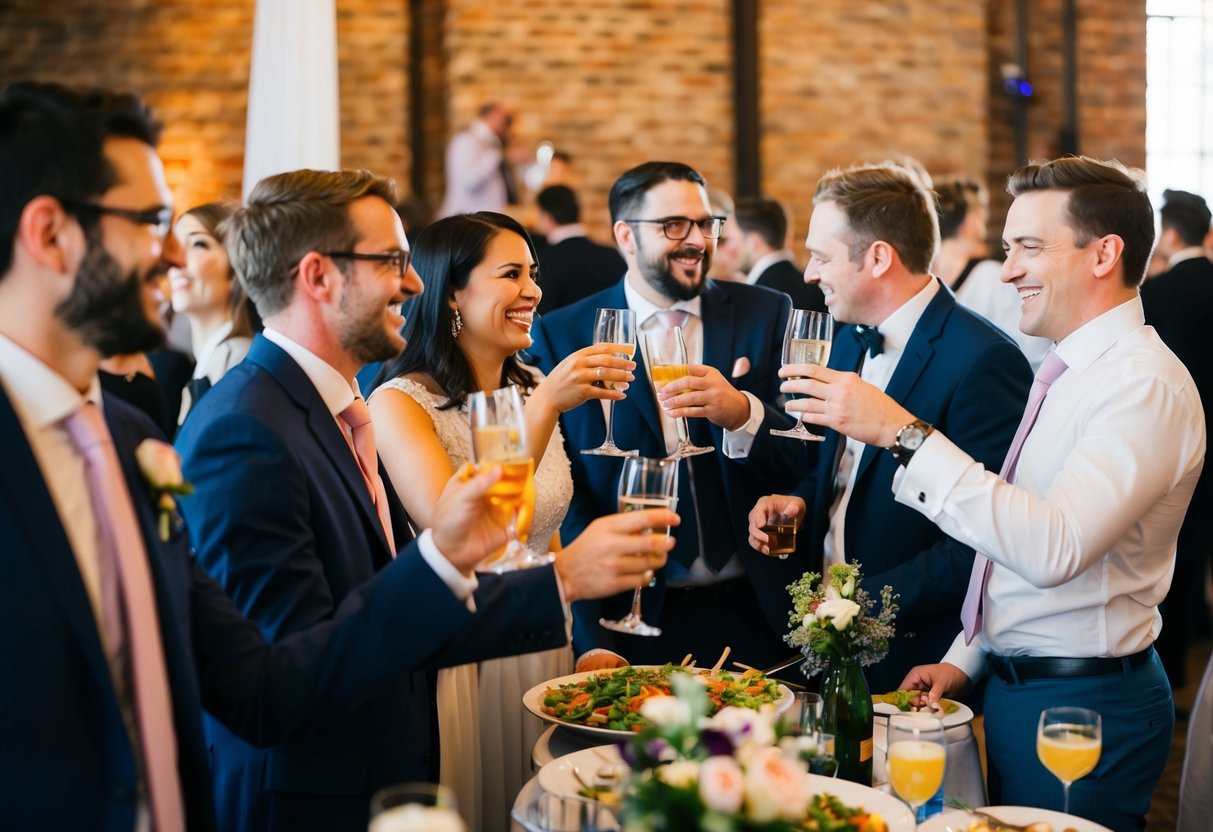
After the ceremony, the celebration begins in full swing. You can expect joyful moments filled with laughter, food, and dancing, making this part of the day just as memorable as the vows.
Capturing Moments: The Confetti Shot
One of the most iconic moments after the ceremony is the confetti shot. This fun tradition takes place just outside the venue. Guests gather and shower the newlyweds with colorful confetti as they exit.
This moment is not only visually stunning but also signifies joy and celebration. It creates a beautiful photo opportunity that you’ll cherish forever.
Along with the confetti shot, you can arrange for photos with family and friends. You might want to capture the signing of the register and the issuance of the marriage certificate as well. This ensures you have a record of everyone who shared in your big day.
Celebration with Food and Dance
Once the photos are taken, it’s time to dive into the festivities. The wedding breakfast is a highlight. It often features multiple courses to please your guests. Traditional dishes can be paired with drinks that set a celebratory tone.
Following the meal, it’s time to cut the wedding cake. This act symbolizes the couple’s first task together as a married pair. Guests usually gather around to capture this vital moment.
You then get to enjoy your first dance as a married couple. A live band or DJ often accompanies this special moment. This sets the stage for an evening filled with music, laughter, and dancing. Don’t forget the bouquet toss, which engages your guests and adds excitement to the night!