
What Happens If Someone Doesn’t RSVP to a Wedding? Understanding the Etiquette and Impact
When planning a wedding, every detail matters, especially your guest list. Someone not RSVPing to your wedding can create challenges in your planning process. This includes issues with seating, food, and overall logistics. Having an accurate headcount is crucial, helping ensure you have enough for everyone attending.
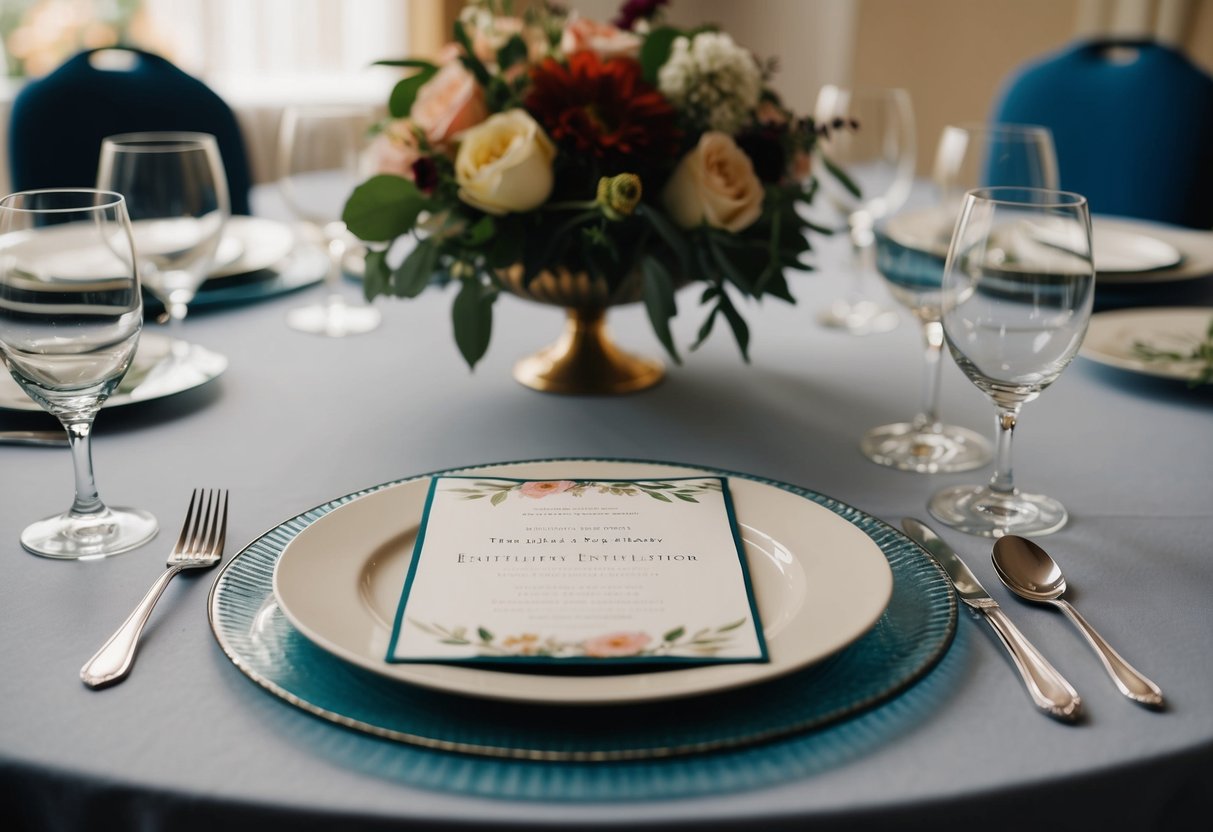
You probably put a lot of effort into sending out those invitations, and it can be frustrating when guests don’t respond. The absence of RSVPs may leave you guessing about whether to prepare for a larger or smaller crowd, which can lead to extra costs and stress. Understanding the importance of RSVPs can help you navigate these situations more easily.
This article will explore what happens when guests forget to reply to your wedding invitation and offer tips on how to handle it effectively. Keep reading to find out how to manage missed RSVPs and keep your wedding planning on track!
Understanding RSVP and Its Importance in Wedding Planning

RSVPs are a key part of wedding planning. They ensure that the couple knows how many guests to expect. This helps with everything from catering to seating arrangements. Understanding the RSVP process is essential for smooth planning.
What Is RSVP and Why It Matters?
RSVP stands for “Répondez s’il vous plaît,” which means “please respond” in French. When you receive a wedding invitation, the RSVP requests that you let the couple know if you will attend.
Responding promptly is crucial as it impacts the wedding planning process. A timely RSVP allows the couple and their wedding planner to finalize details, such as the guest list and the number of meals needed.
Ignoring the RSVP can lead to extra costs and complications. For example, if you say you’ll come but don’t show up, that could mean a paid meal that goes to waste.
Handling RSVPs: Etiquette and Expectations
When you receive the RSVP card, fill it out right away. Note the RSVP deadline provided on the invitation. This date helps the couple and their planner firm up plans with vendors.
If you cannot attend, it’s polite to let them know as soon as possible. You might consider sending a quick message if the invitation allows for it. This gesture shows respect for their planning efforts.
Remember, even if the couple is close friends, they still need an accurate headcount. Responding in a timely manner keeps wedding planning on track. Plus, it helps avoid any last-minute surprises for the couple!
Dealing With Non-Responders

Handling guests who don’t RSVP can be challenging. You want to know if they’ll attend while keeping the process friendly and stress-free. Here are strategies to manage this situation with ease.
Following Up With Guests Who Haven’t Replied
When guests don’t respond, consider reaching out to them directly. A polite phone call or a friendly text can do wonders. You might say something like, “Hi! I just wanted to check if you received the invitation to our wedding.”
This approach opens up a conversation. You can address any concerns and let them know how much you’d love to see them. If you prefer, a follow-up email works as well. Just ensure your tone is warm and inviting.
Strategies for a Friendly Follow Up
Your follow-up should feel casual, not pressured. You can use various methods such as:
- Text: Quick and easy for checking attendance.
- Email: Good for detail; consider adding a link to your wedding website for easy RSVP.
- Call: More personal; it shows you care and value their presence.
When you reach out, keep it simple. Ask if they received the invitation and if they can let you know if they’ll attend. If it’s appropriate, you can also mention the seating chart to help them feel welcome.
Managing the Headcount for Your Venue
Knowing your headcount is key for a successful wedding. The venue often requires an exact number to prepare everything from the seating to the meal.
If you still have guests who haven’t RSVP’d, consider a flexible seating plan. Casual options like buffet lines can accommodate last-minute additions.
Have a few extra seats available just in case. This plan ensures everyone feels included, even those who decide to show up unexpectedly. Keep in mind that some families prefer to attend together, so be ready for that possibility as well.
Impact on Wedding Day Preparations

Not receiving RSVPs can impact how you plan for your wedding day. Managing your guest list effectively is vital for ensuring everything runs smoothly, especially regarding catering and rentals.
Adjustments for Catering and Rentals
When guests do not RSVP, it creates uncertainty. You may need to make quick adjustments to your catering order. If your final headcount drops, you could end up with extra food that goes to waste. On the other hand, if more guests show up than expected, you might not have enough to serve everyone.
The caterer requires an accurate headcount to prepare the right amount of food. This applies not only to meal portions but also to items like appetizers and dessert. Additionally, rental companies need a final number to provide enough chairs, tables, and other supplies for your reception. Last-minute changes might also lead to extra expenses.
Communicating With Vendors About Final Numbers
Keeping your vendors in the loop is essential. Once you have an updated headcount, communicate this immediately to your caterer, rental company, and bartender. They rely on this information to finalize your order and ensure they are prepared for the wedding day.
If you have last-minute adjustments, be prepared for potential costs. Vendors typically charge fees for changes made close to the event. This can add to your wedding budget unexpectedly. So, creating a plan to confirm RSVPs in advance can help prevent these challenges. Clear communication with your vendors ensures a smooth celebration.
Last-Minute Changes and Considerations
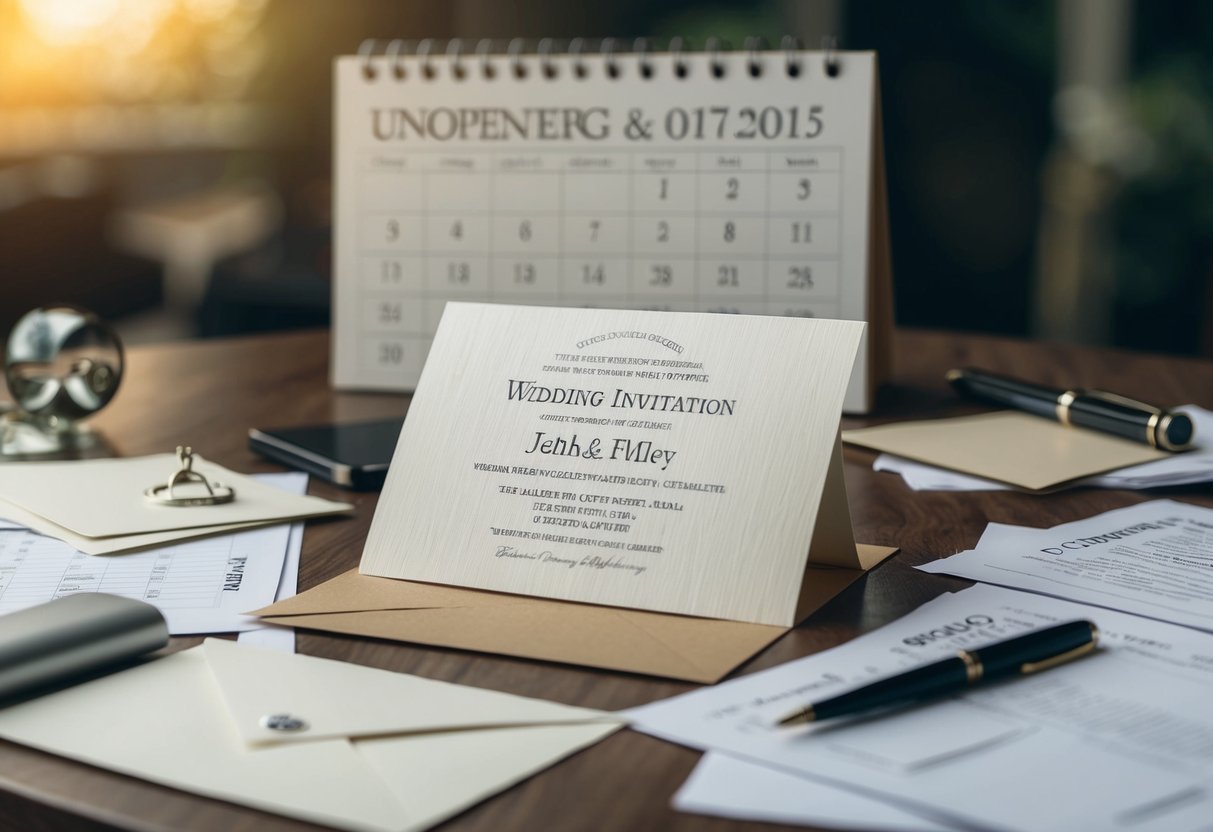
Last-minute changes to your wedding can be challenging. You may have unexpected guests show up or need to adjust your final numbers. It’s important to stay prepared and flexible to handle these situations gracefully.
Handling Unexpected Guests
If guests arrive without RSVPing, it’s essential to manage the situation calmly. First, greet them warmly and express your happiness that they could join. You might want to have an extra seat or two available, just in case.
A good idea is to pad your headcount by about 5-10 people. This way, you can accommodate a few surprise arrivals without too much stress. After all, weddings are about celebrating with loved ones. Just be sure to communicate with your venue about potential last-minute changes to ensure everything runs smoothly.
When to Draw the Line for Final RSVPs
Set a firm deadline for RSVPs that is at least a few weeks before your wedding. This helps you manage seating and food accurately.
Send a friendly reminder about a week before the deadline. This could be a quick email or a text message to guests who haven’t responded.
If someone reaches out too close to the date, explain kindly that your plans are already set. While it can feel unpleasant, drawing the line is necessary to avoid chaos. Balancing the desire to accommodate everyone with practical limits will help you enjoy your day.