
What Happens if Someone Doesn’t RSVP to a Wedding? Understanding the Impact on Planning and Guest Experience
Missing an RSVP to a wedding can create unexpected challenges for both guests and hosts. When someone doesn’t reply, it often results in confusion over the headcount. This leads to issues with seating arrangements, food, and even the overall experience of the day.
You may wonder what to do if you find yourself in this situation. It’s essential to understand the implications as well as the best ways to navigate the aftermath.
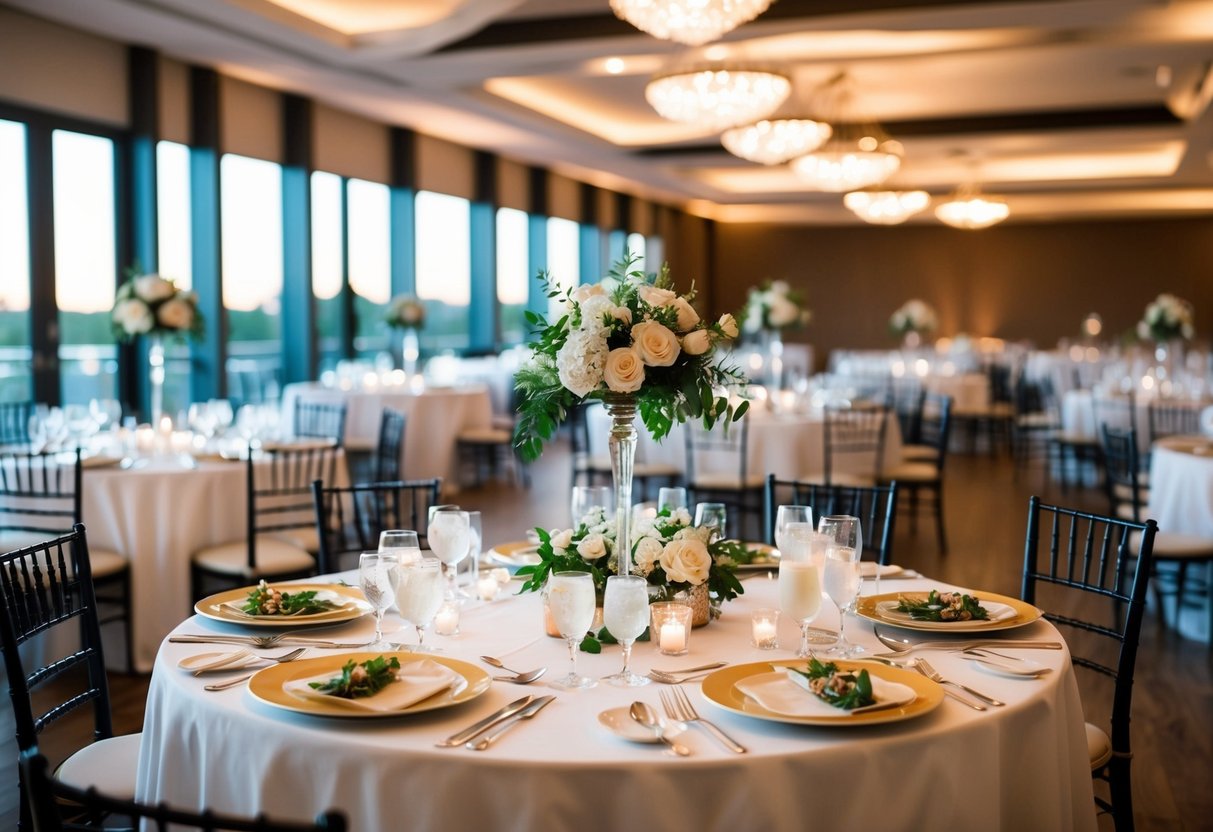
When you fail to RSVP, it can put stress on the couple planning their special day. They rely on those responses to finalize arrangements, making sure there’s enough space and food for everyone. This can be especially tricky if you receive a wedding invitation that requires a quick response. By not replying, you might unintentionally leave them guessing about whether to prepare for you and your plus one.
You might think it’s just a simple oversight, but it can lead to feelings of frustration and disappointment for the couple. Understanding the importance of RSVP etiquette helps ensure a smoother experience for everyone involved. Reading on will give you valuable insights into how to handle missed RSVPs and what to do if you’re faced with this scenario.
Understanding RSVP Importance
RSVPs play a crucial role in wedding planning. They help you communicate with your guest list, ensuring that everyone has a great experience. They also impact important elements like catering and venue arrangements, which are vital for a successful event.
The Role of RSVP in Wedding Planning
When you send out wedding invites, including an RSVP request is essential. This allows you to manage your guest list effectively and understand who plans to attend.
You can choose to include different methods for RSVPing, such as a phone number, email, or a simple QR code. The easier you make it for guests to respond, the more likely they are to do so.
Having an accurate head count is vital for planning your ceremony and reception. This helps in deciding seating arrangements, creating place cards, and making sure that everything is set for your big day.
Impact on Catering and Venue Arrangements
RSVPs directly affect decisions made by your caterer and venue. They rely on your final head count to prepare enough food, drinks, and seating. When guests don’t RSVP, it creates uncertainty. You may end up ordering too much or too little, leading to waste or shortages.
Most catering companies have strict deadlines for final guest counts, which you must adhere to. Late changes can mean additional costs or unavailability of certain menu items.
Moreover, your venue will need to know how many people to expect. This ensures that everyone has enough space to enjoy the celebration comfortably. A solid RSVP process can help you avoid last-minute stress and ensure your wedding runs smoothly.
Managing Non-Responses
Dealing with guests who do not RSVP to your wedding can be tricky. You’ll want to follow up effectively while setting clear expectations. Here’s how to handle it.
How to Follow Up with Guests
It’s important to reach out to guests who haven’t RSVP’d. A friendly phone call can be a great way to get in touch. When you call, ask if they received the invite and if they need any information to help them decide.
You can also use email for follow-ups. Consider sending a short, polite message reminding them of the RSVP deadline. Include details about the wedding, such as date, time, and location.
If you have a wedding website, direct them there for easy access to information. You might find that some guests appreciate the gentle nudge and respond quickly.
Setting and Communicating Deadlines
Setting a clear RSVP deadline is key. It helps you manage your guest list and make necessary arrangements. Be sure to communicate this deadline in all of your invitations.
You can also use multiple channels for communication. Mention the RSVP date both in the invitation and on your wedding website. Friendly reminders, such as “Please RSVP by [date],” can help encourage responses.
If you haven’t heard back from guests a few days before the deadline, don’t hesitate to make one last effort. A quick call can help finalize your plans. Just remember to keep your tone friendly and understanding. This can make a big difference!
Ensuring an Accurate Headcount
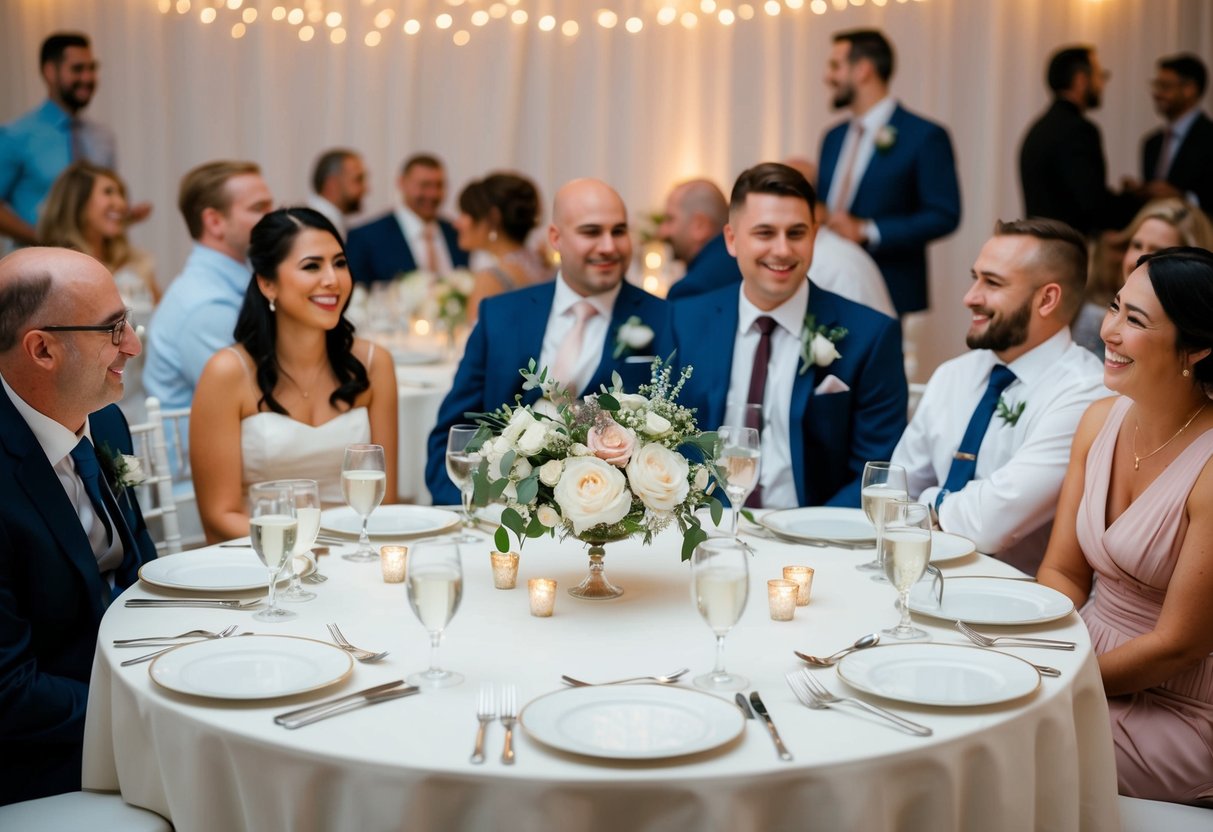
Getting an accurate headcount is essential for smooth wedding planning. Knowing how many guests will attend helps you provide enough food, drinks, and seating. You can use several strategies to collect final numbers and handle any last-minute changes.
Strategies for Collecting Final Numbers
To collect accurate RSVPs, make it easy for your guests to respond. Include clear instructions on your invitations. Mentioning the RSVP deadline ensures that people know when to reply.
Using various methods, like printed invitations, emails, or phone calls, increases your chances of getting responses. Consider sending a friendly reminder a week before the deadline.
Also, think about padding your final numbers by 5-10 people. This gives you a little flexibility for any unexpected attendees. It’s wise to discuss this with your vendors to avoid issues later.
Handling Last-Minute Changes
Last-minute changes can happen, even with careful planning. If you hear from a guest who wants to RSVP close to the wedding day, it’s okay to inform them that accommodations might be limited.
Have a plan in place for unexpected guests. You might prepare extra seating or food, but be cautious about overspending.
Communicating openly with your vendors can help manage these surprises. They might suggest solutions to fit in additional guests without disrupting your plans. Make sure your final headcount is relayed clearly to vendors to avoid confusion on the big day.
Etiquette and Tactful Communication
Communication is key when dealing with missing RSVPs for your wedding. A friendly and polite approach can keep the mood positive, especially among family and friends. Using tact will help avoid hurt feelings while expressing your needs clearly.
Guidelines for Polite Reminders
When reminding guests about their RSVP, keep it light and friendly. A text or email can go a long way. Start with a warm greeting, and generally check in with them. You might say something like, “Hi! I hope you’re well. Just checking in to see if you received our wedding invite.”
A reminder should be considerate, not pushy. If you notice someone hasn’t responded by the deadline, it’s okay to ask politely. Be sure to give them enough time to respond. Using methods such as phone calls or personal messages can help ensure they feel valued.
Addressing Sensitive Situations
Sometimes, guests might hesitate to RSVP due to personal matters or other commitments. In these cases, you should prioritize understanding and empathy.
If you sense that someone is struggling, approach them gently. Ask if there’s anything they need or if they have questions about your wedding plans. This can encourage open conversation. As Emily Post suggests, ensuring open dialogue is crucial in maintaining relationships.
Listen to their concerns calmly. Acknowledging their feelings can strengthen your connection. It’s essential to balance firmness about your needs while being supportive of their circumstances.