
What Happens If the Groom Sees the Bride’s Dress? Tradition, Superstitions, and Modern Views
The question of what happens if the groom sees the bride’s dress before the wedding has stirred many conversations and debates among couples. Traditionally, many believe it brings bad luck and spoils the anticipation of the big day. This superstition stems from old customs, where seeing the dress meant losing the element of surprise, which many couples cherish.
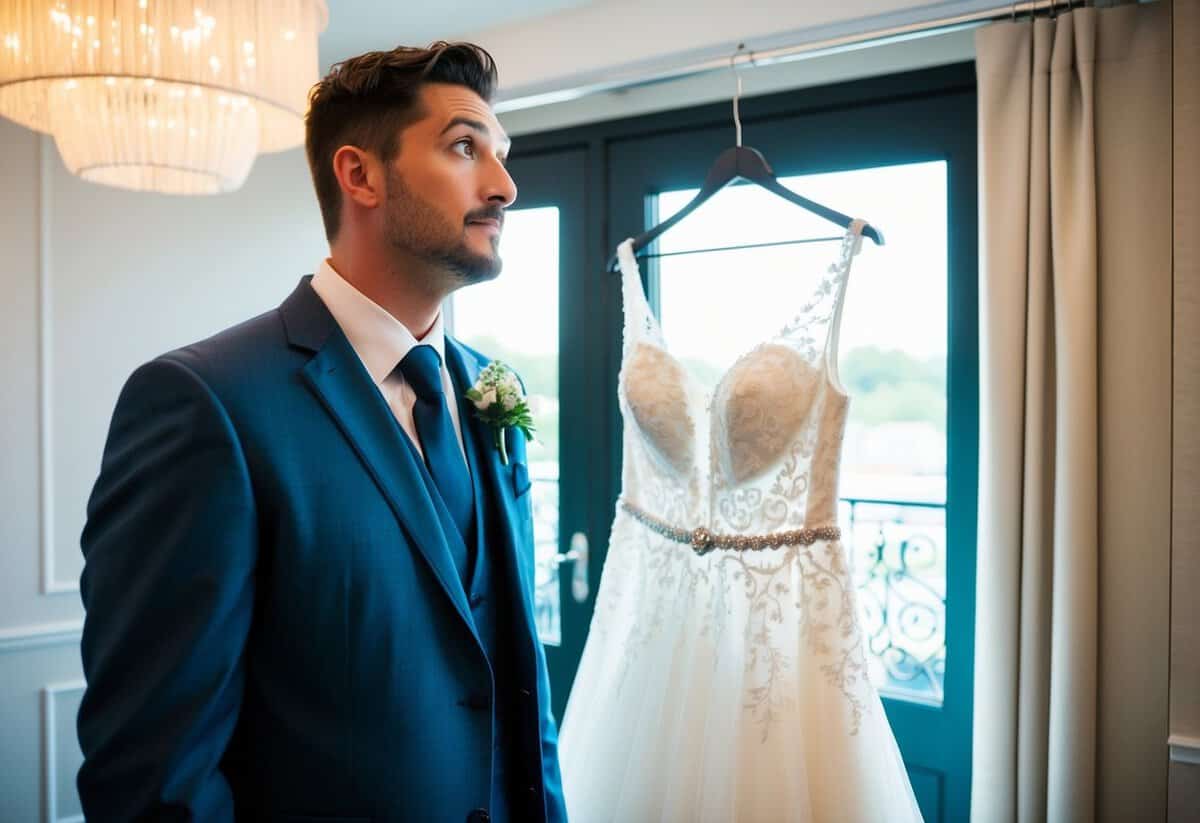
As you plan your wedding ceremony, it’s important to consider how this tradition affects your excitement and experience.
While some embrace the idea of keeping the dress a secret until the big reveal, others feel comfortable breaking from this practice. Whatever you choose, it can affect how both you and your groom feel on that special day.
Ultimately, the decision comes down to what feels right for you as a couple. Whether you stick to tradition or opt for a more modern approach, remember that the most important thing is the love and commitment you’ll share during your ceremony.
Origins of the Tradition
The tradition of not allowing the groom to see the bride’s dress before the wedding has deep roots in history. This practice is tied to various superstitions and cultural beliefs that have evolved over time. It often revolves around ideas of luck and the importance of wedding customs.
Historical Superstitions and Beliefs
In many cultures, people believed that if the groom saw the bride in her wedding dress before the ceremony, it would bring bad luck. This superstition originated during times when arranged marriages were common. The idea was that seeing the bride beforehand might give the groom a chance to back out of the marriage.
Additionally, a veil often covered the bride’s face, symbolizing mystery and protection. The veil also played a role in keeping the groom from seeing the bride until the moment of the wedding, adding to the anticipation.
Evolution in Different Cultures
As you explore various cultures, you will see different interpretations of this tradition.
In some regions, the belief holds strong, while in others, couples are more relaxed and may choose to see each other beforehand. For instance, in many Western weddings, the tradition persists due to its romantic implications. However, in some wedding customs, particularly in modern ceremonies, couples prioritize personal choice over tradition.
The significance of not seeing the dress is often tied to the excitement and surprise of the wedding day. Regardless of the approach, this tradition highlights how deeply wedding customs are influenced by historical beliefs and social practices.
The ‘First Look’ Moment
The “first look” moment is an important part of modern weddings. It allows you and your groom to share a special encounter before the ceremony. This moment can have a big impact on your day.
Planning the Reveal
When planning the first look, consider the setting and timing. Choose a quiet spot where you both can enjoy the moment without distractions.
Many couples pick a scenic location, like a garden or a beautiful room in the venue. Discuss the timing with your photographer to ensure they capture the moment beautifully.
A good idea is to set aside 15-30 minutes for photos afterward. This can help create lasting memories while adding a personal touch to your day.
Emotional Significance
The emotional impact of the first look is often profound. This moment allows you to see each other in an intimate way, creating a private experience before the big reveal at the altar.
Seeing your groom’s reaction can lead to feelings of joy and excitement. The surprise on his face when he sees you for the first time can make you both feel connected and cherished. This shared emotion can set a warm tone for the rest of your wedding day, enhancing the love and happiness that you both feel.
Practical Aspects of Wedding Dress Shopping
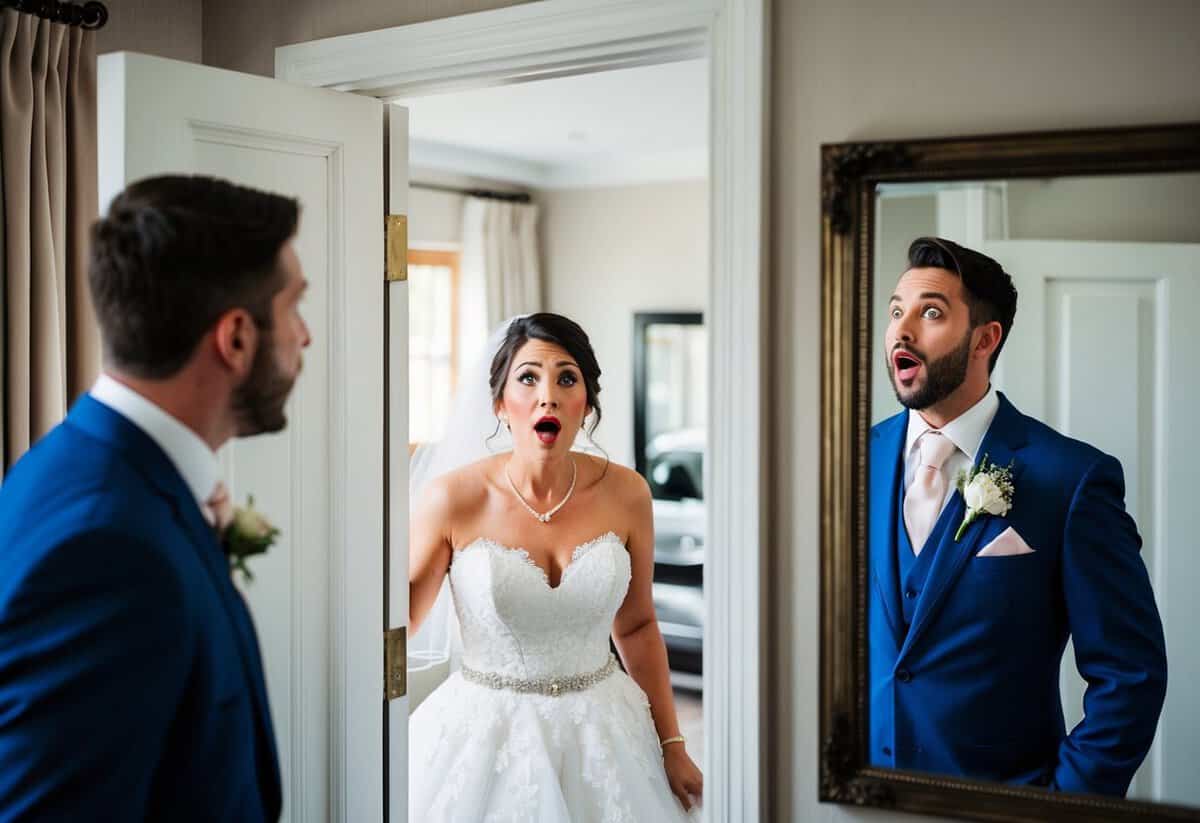
Shopping for your wedding dress is an exciting part of wedding planning. It can also involve practical decisions that impact your big day. Knowing how to involve your groom in the process and selecting your dream dress can make a big difference.
Involving the Groom in the Process
Including your groom in wedding dress shopping can be a fun experience. Many couples find that this involvement strengthens their bond. You might want to consider:
- Dress Shopping Days: Invite him on a special shopping day. This can make the experience memorable.
- Style Discussion: Talk about styles he likes. His input might surprise you and help narrow down choices.
- Comfort Level: If he’s shy, let him know it’s about fun, not pressure.
You could also let him see your top choices later. This keeps the surprise for the ceremony moment while still making him part of the planning.
Selecting the Dream Dress
Finding your dream wedding dress requires thoughtful consideration. Start by creating a list of what you like. Think about:
- Budget: Set a budget that includes alterations and accessories.
- Style Preferences: Consider what styles fit your personality. From mermaid to ball gown, choose what makes you feel beautiful.
- Bridal Party Input: Get feedback from your bridal party. Their opinions can help refine your choices, especially regarding bridesmaid dresses.
Try to visit a variety of bridal shops. This increases your chances of finding the perfect fit. Lastly, trust your instincts. If a dress feels right, it likely is!
Incorporating Traditions into Modern Weddings
Incorporating traditions can add meaning and connection to your wedding day. Many couples enjoy blending old customs with modern elements to create a unique celebration.
Something Old, New, Borrowed, and Blue
The saying “Something old, something new, something borrowed, and something blue” is a cherished wedding tradition. Each item symbolizes a different blessing for your marriage.
- Something Old represents continuity and links you to your family and the past.
- Something New signifies hope for the future and new beginnings.
- Something Borrowed is often lent by a happily married friend or family member, bringing good luck.
- Something Blue symbolizes fidelity and love.
You can add a twist by choosing modern alternatives. For example, instead of a traditional item, a piece of jewelry with family history could embody the “something old” aspect.
The Role of the Bridal Party
Your bridal party plays a significant role in maintaining traditions while supporting you on your big day. The maid of honor, often a close friend or sister, typically helps with planning and is there through the entire process.
She can assist in gathering and presenting items for “something old, new, borrowed, and blue.” Moreover, the bridal party also follows established roles, joining you as you walk down the aisle. This gathering of loved ones creates a sense of unity.
Having your closest people involved helps blend personal and traditional elements, making your wedding special.