
What Happens If You Marry a Soldier? Insights into Military Life and Relationships
Marrying a soldier comes with unique experiences and benefits that can shape your life together. When you marry a soldier, you gain access to a variety of military benefits, including healthcare, housing assistance, and financial support. Understanding what this means for you is essential as you navigate life as a military spouse.
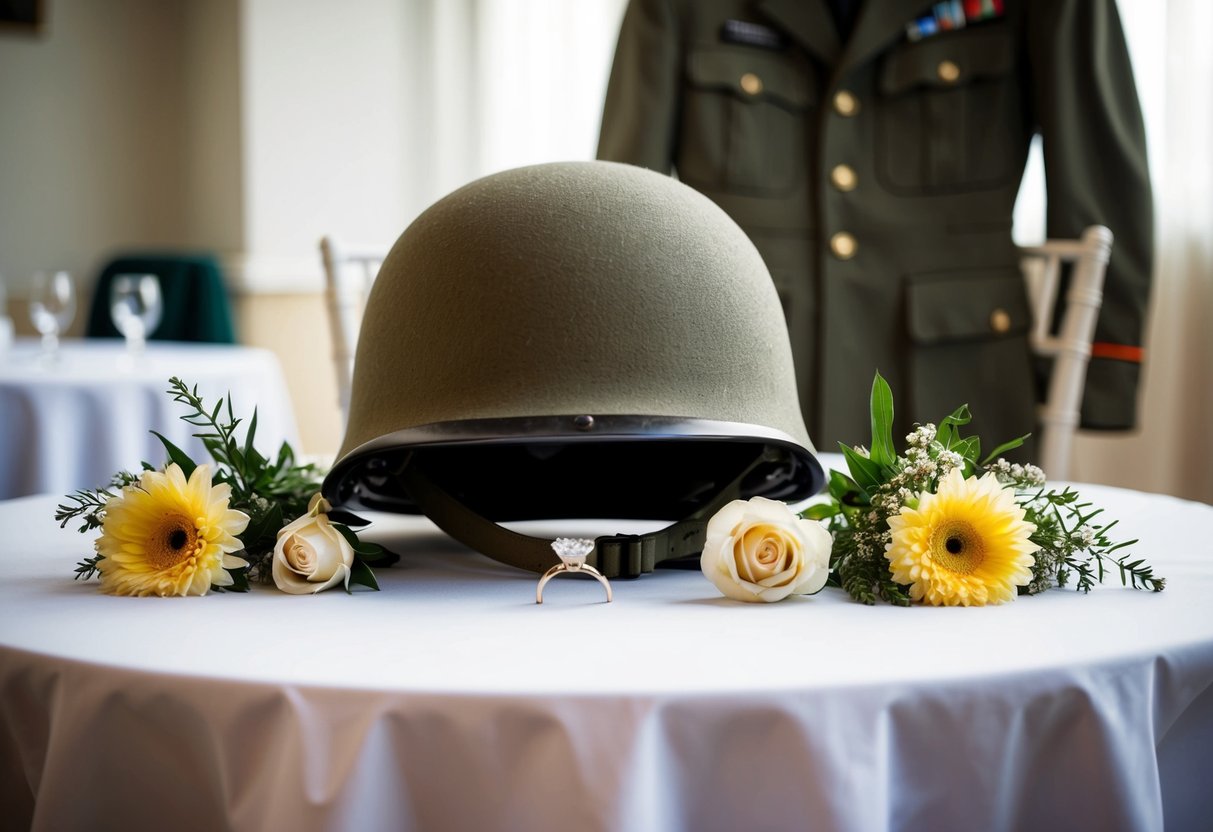
Another important aspect is adjusting to the military lifestyle, which may involve frequent relocations and deployments. You might find yourself living in different locations and making new friends constantly.
While this can be challenging, it also offers many opportunities for growth and new adventures.
Being part of the military community means you will have access to strong support networks. Connecting with others who share similar experiences can provide lasting friendships and resources when times get tough. You will discover that you are not alone on this journey, making it an enriching experience.
Understanding Military Marriage
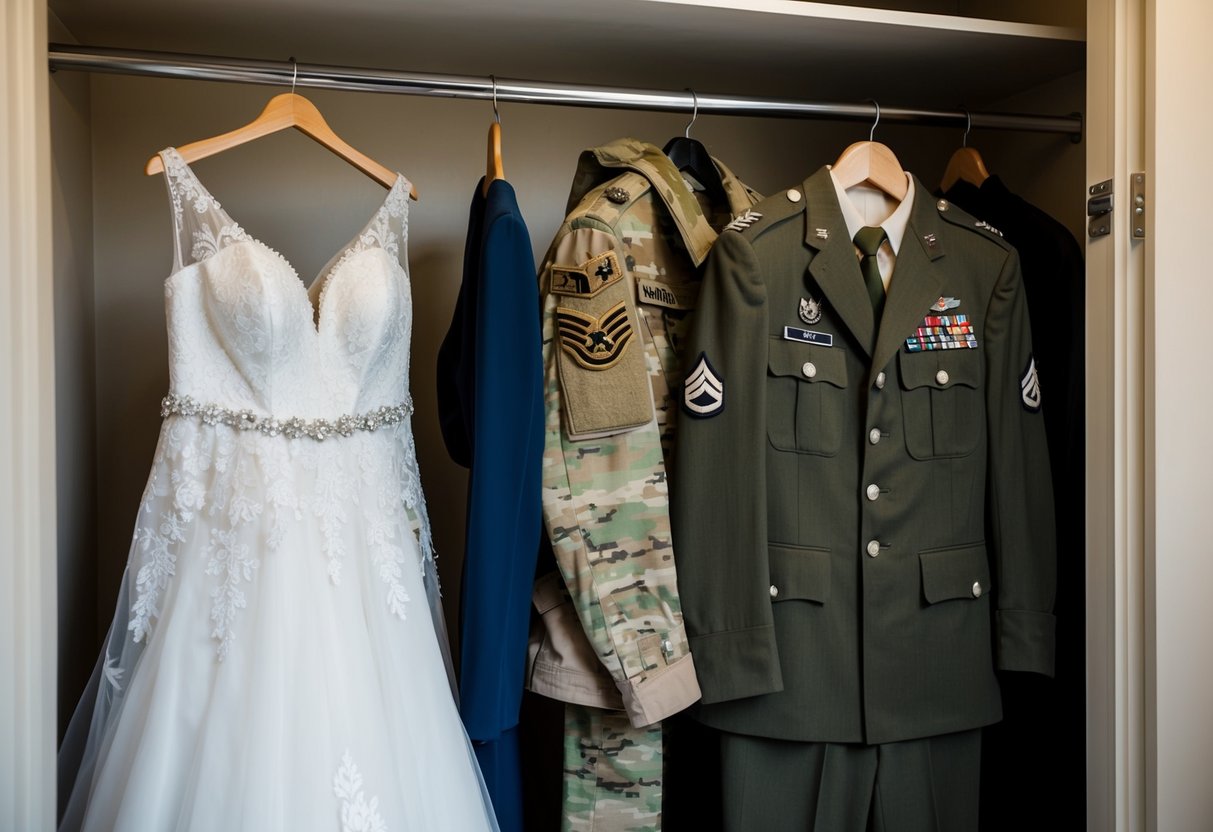
When you marry a soldier, there are important legal steps and documentation you need to know. Additionally, understanding your new identity as a military spouse can help you navigate this unique life.
Legal Requirements and Documentation
Getting married in the military involves specific legal requirements. First, you need a valid marriage license. This is typically issued by your state and does not require a special military version.
You will also need to fill out certain forms as a military spouse. These include your marriage certificate and enrollment in the Defense Enrollment Eligibility Reporting System (DEERS).
DEERS is essential for accessing benefits related to military life.
Obtaining a Military ID is another critical step. It allows you to access base services and benefits, including healthcare and housing. You may also request a dependent ID card, which confirms your status as a military spouse.
The Military Spouse Identity
Becoming a military spouse means you have a vital role in supporting your partner. You’ll likely need to adapt to a unique lifestyle that includes frequent moves and deployments.
Your Military ID grants you access to many programs designed for military families. This includes healthcare options and support services aimed at enhancing your well-being.
It’s important to build a community with other military spouses. Connecting with them can provide a support system and helpful resources as you adjust to this new life. They can share experiences and insights that make the transition smoother.
Benefits of Marrying a Soldier

Marrying a soldier offers various advantages that can significantly enhance your quality of life. From healthcare and insurance to financial assistance and educational opportunities, these benefits can provide stability and support for you and your family.
Healthcare and Insurance
As a military spouse, you are eligible for health care benefits through TRICARE. This program provides comprehensive medical coverage, including doctor visits, hospital stays, and prescription medications.
You’ll need to enroll in the Defense Enrollment Eligibility Reporting System (DEERS) to get your ID card for access.
Additionally, you may qualify for life insurance options like Servicemembers’ Group Life Insurance (SGLI). This coverage protects you financially in case of unforeseen events, ensuring peace of mind for you and your family.
Housing and Allowances
When you marry a soldier, you become eligible for housing benefits, including the Basic Allowance for Housing (BAH). This monthly payment helps cover your living expenses when you live off-base.
If you choose to live on a military installation, you may enjoy subsidized housing that often includes utilities.
Furthermore, you might have access to other allowances, such as a Family Separation Allowance, which assists with costs during deployments. This financial support helps you maintain a comfortable lifestyle even when your partner is away.
Educational and Financial Advantages
You can also take advantage of various educational benefits. The Post-9/11 GI Bill allows service members to transfer unused educational benefits to their spouses. This can help you pursue higher education without incurring significant debt.
Additionally, you may qualify for VA home loans, which make buying a home easier and often more affordable. These loans typically require no down payment and have competitive interest rates, making home ownership a realistic goal. Plus, you may be eligible for survivor benefits, ensuring financial support should anything happen to your spouse.
Life as a Military Spouse
Being a military spouse comes with unique experiences. You will face daily challenges while also finding a strong sense of community. Understanding these aspects can help you navigate military life successfully.
Daily Realities and Challenges
As a military spouse, you will often deal with family separation. Deployments and training can pull your partner away from home for long periods. This can create feelings of loneliness and frustration.
You may also notice a shift in your daily routine. Planning becomes essential. You might juggle work, children, and household tasks alone during those times.
Additionally, the unpredictability of military life can affect your career. You may seek jobs that are portable, allowing you to move easily with your spouse.
Financial planning is also important. Things like the Family Separation Allowance can help ease some costs during deployments. Understanding the benefits available to you will make your life smoother.
Community and Support Systems
Finding a strong support system is vital. Many military couples and spouses form tight-knit communities. This can be incredibly helpful when your partner is away.
Connecting with other spouses can provide emotional support and practical advice.
Base events and activities often foster friendships. Check out local groups to meet others who understand your situation.
Many organizations offer resources for career development, education, and mental health support.
It’s a good idea to explore military spouse resources online. Websites often provide scholarships and job opportunities, making it easier for you to advance your career. Engaging with your community helps create a sense of belonging and improves your overall military life experience.
Financial Considerations and Discounts

Marrying a soldier can open up several financial benefits that help you and your spouse. Here are some key areas to consider:
-
Basic Allowance for Housing (BAH): Your spouse may receive a BAH, which helps cover housing costs. This can be especially useful if you live off-base. The amount varies based on location and rank.
-
Military Discounts: Many retailers offer military discounts. These can include savings on clothing, electronics, and travel. Always ask if a discount is available when shopping.
-
Post 9/11 GI Bill: If your spouse served after September 10, 2001, they may qualify for the Post 9/11 GI Bill. This benefit covers tuition and fees for college, as well as a monthly housing allowance.
-
Commissary and Exchange Benefits: You can shop at military commissaries and exchanges. These stores often have lower prices on groceries and other items, helping you save money on daily needs.
-
Health Care Benefits: You will have access to affordable health care through Tricare. This can significantly reduce medical expenses over time.
These financial advantages can ease some of the burdens of military life and help you plan better for the future. Make sure to explore all the options available to maximize your benefits.