
What Happens to Engagement Ring After Marriage? Understanding Its Symbolism and Future Use
After you say “I do,” you might wonder what happens to your engagement ring. Typically, the engagement ring is worn along with the wedding band, symbolizing your ongoing commitment and love.
It often moves to the right hand during the ceremony, allowing the wedding band to take its place on the left.
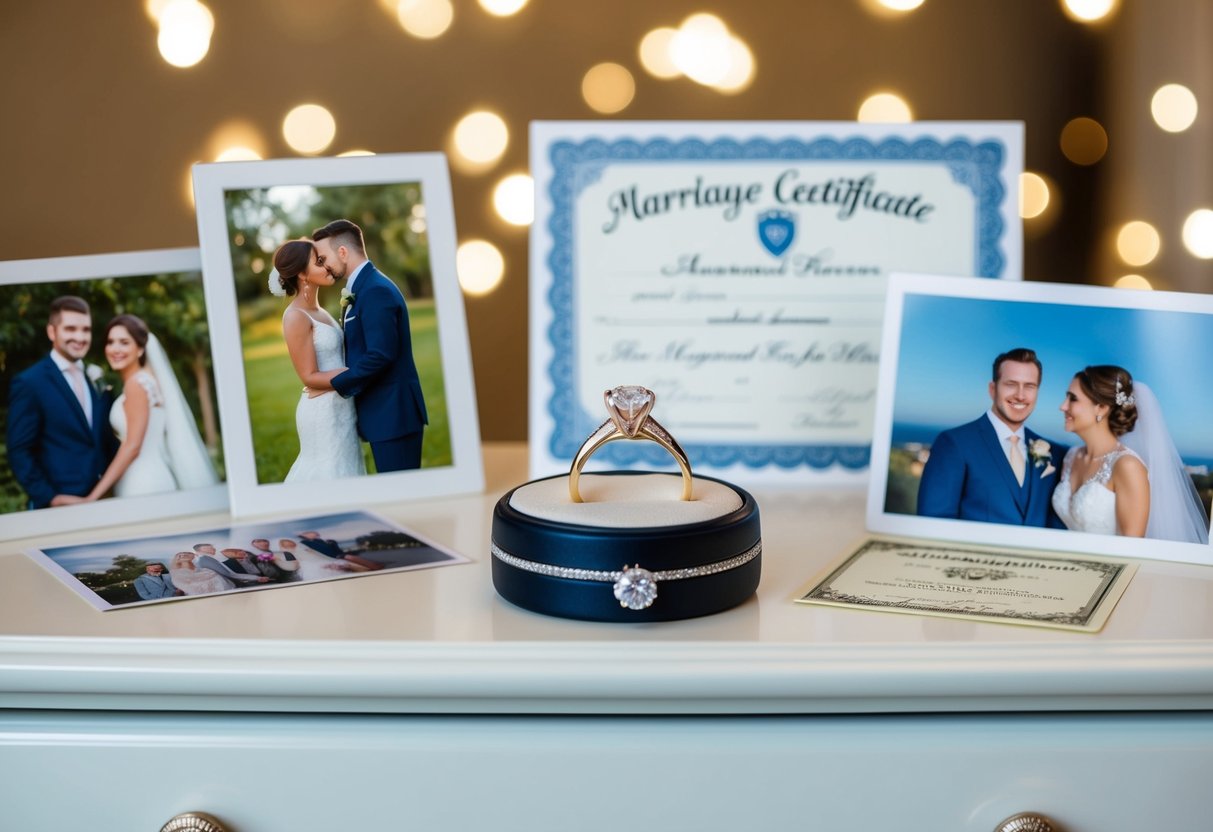
Traditionally, wearing both rings showcases the journey from engagement to marriage. Some couples choose to keep their engagement ring on the left hand, while others might prefer to store it as a sentimental keepsake.
Your choice depends on personal style and what feels right for your relationship.
As you navigate this special time, reflecting on the significance of both rings can be meaningful. Each ring tells a story of love and commitment, reminding you of the promises you’ve made.
The way you choose to wear or preserve your engagement ring can add to that beautiful narrative.
The Journey of the Engagement Ring Post-Wedding
After your wedding, your engagement ring takes on new meanings and roles. Understanding how to incorporate it into your daily life can enhance its significance.
Transition From Engagement to Marriage
During the wedding ceremony, it’s common to move your engagement ring to your right hand. This allows your wedding band to be placed first on your left hand.
Once the ceremony concludes, you can switch the engagement ring back to your left hand. Many choose to wear it above the wedding band as this stacking order symbolizes your journey from engagement to marriage.
This transition can also reflect personal style and comfort. Some people appreciate the simplicity of wearing just the wedding band for daily activities, reserving the engagement ring for special occasions.
Your choice can vary based on lifestyle or preference, making it a personal decision.
Combining Engagement Rings and Wedding Bands
Wearing both your engagement ring and wedding band together can create a beautiful look. When stacked, they represent your commitment and love.
Ensure that both rings fit comfortably together. If not, many opt to wear only one ring at a time. This choice might be influenced by your daily routine or work environment.
Regardless of how you wear them, remember that your engagement ring is a symbol of love. Choose the way that feels right for you, prioritizing both elegance and comfort. Whether you wear them together or separately, each option has its own charm.
Cultural and Legal Aspects Influencing Ring Etiquette
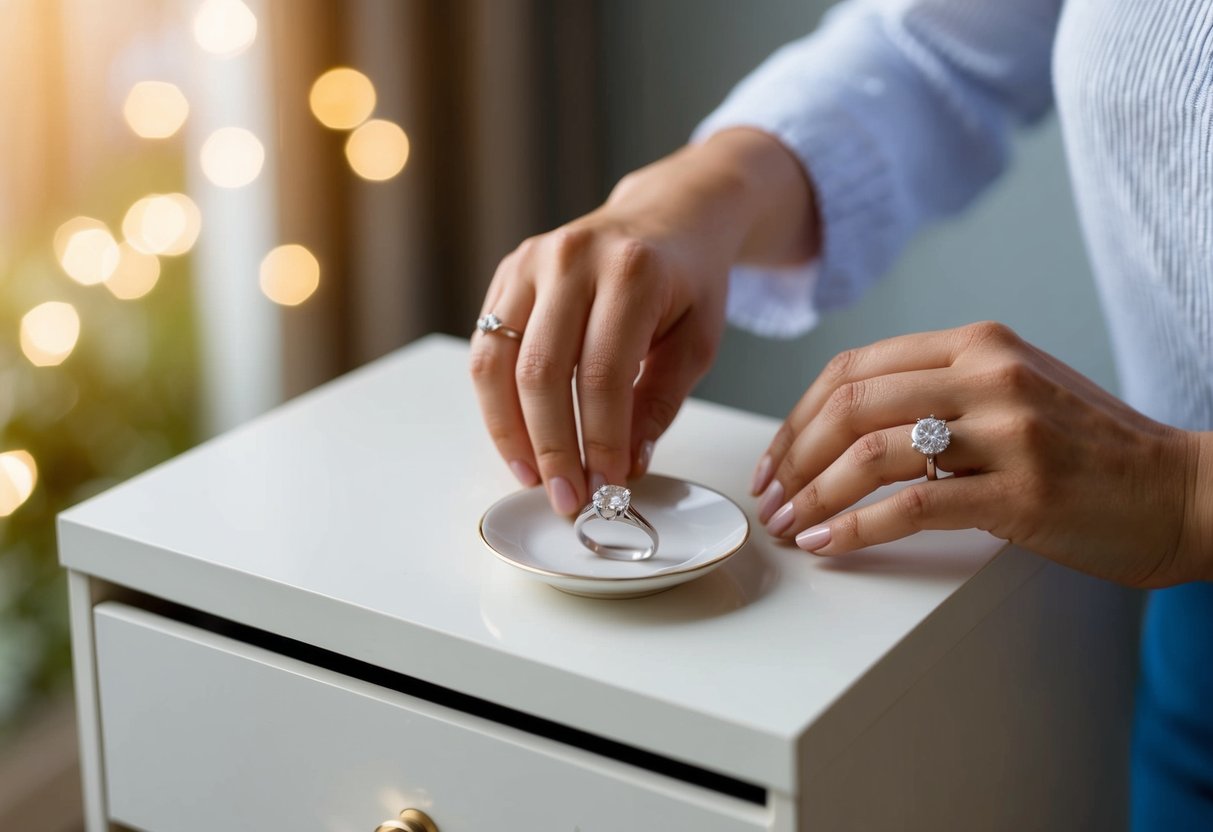
Engagement rings carry deep meanings and can be influenced by various cultural and legal factors. Understanding these aspects can guide your decisions about how to wear or manage your engagement ring after marriage.
Cultural Traditions and Customs
Cultural traditions play a big role in how you treat your engagement ring after tying the knot. In many cultures, the engagement ring is seen as a symbol of love and commitment, often worn alongside the wedding ring.
For instance, in some regions, brides continue to wear their engagement rings on the left hand, while in others, they might switch to the right hand after the ceremony. Some people even choose to wear the engagement ring on a chain around their neck to keep it close.
Engagement ring etiquette varies widely. Some cultures view the ring as a private treasure, while others share its significance openly with family and friends. Understanding these customs can help you choose what feels right for you.
Engagement Rings in the Event of Divorce
When it comes to divorce, the fate of the engagement ring can be complex. In many places, the ring is considered a “conditional gift.”
This means that if the marriage does not last, the recipient might need to return the ring.
State laws also influence this issue. For example, some states treat the engagement ring as a gift that belongs to the recipient, while others may require its return if the marriage doesn’t take place.
It’s crucial to check the laws in your area to know what applies to you.
Pre-marital agreements can also clarify ownership of the ring if things don’t work out. Discussing these details with your partner can help set expectations and provide peace of mind.
Personal Significance and Sentimental Value of Engagement Rings
Engagement rings hold deep personal meaning for many people. They symbolize love and commitment and often carry stories that make them unique. The choices around these rings depend on personal preferences and lifestyles.
Rings as a Symbol of Love and Commitment
An engagement ring is more than just a piece of jewelry. It represents your love and the promise of your future together. When you wear it, you carry a reminder of your unique love story.
This ring often marks a significant moment in your life. It can return cherished memories, like the proposal or the excitement of planning your wedding.
For some, engagement rings are sentimental keepsakes, representing both love and commitment. Whether you wear it daily or only on special occasions, the emotional connection is powerful. A broken engagement may lead to mixed feelings about the ring, but its value remains a piece of your personal journey.
Inheritance and Heirlooms: The Family Ring
Many families pass down engagement rings through generations. These family heirlooms carry significant sentimental value and link you to your ancestors. Such rings tell stories of love, commitment, and family history.
Receiving a family ring can feel special. It’s a way to honor your roots while embracing your future. It carries the weight of previous marriages and love stories, making it unique to you.
When you decide to wear a family heirloom, you become part of a legacy. This connection can enhance its significance, transforming it from a simple ring into a cherished symbol of family love and tradition.