
What Happens to the Queen’s Wedding and Engagement Rings After Her Passing?
When it comes to royal traditions, few pieces of jewelry hold as much significance as Queen Elizabeth II’s wedding and engagement rings. You might wonder what happens to these iconic pieces after her passing. These rings are steeped in rich history and represent a lifelong commitment that began with the Royal wedding in 1947.
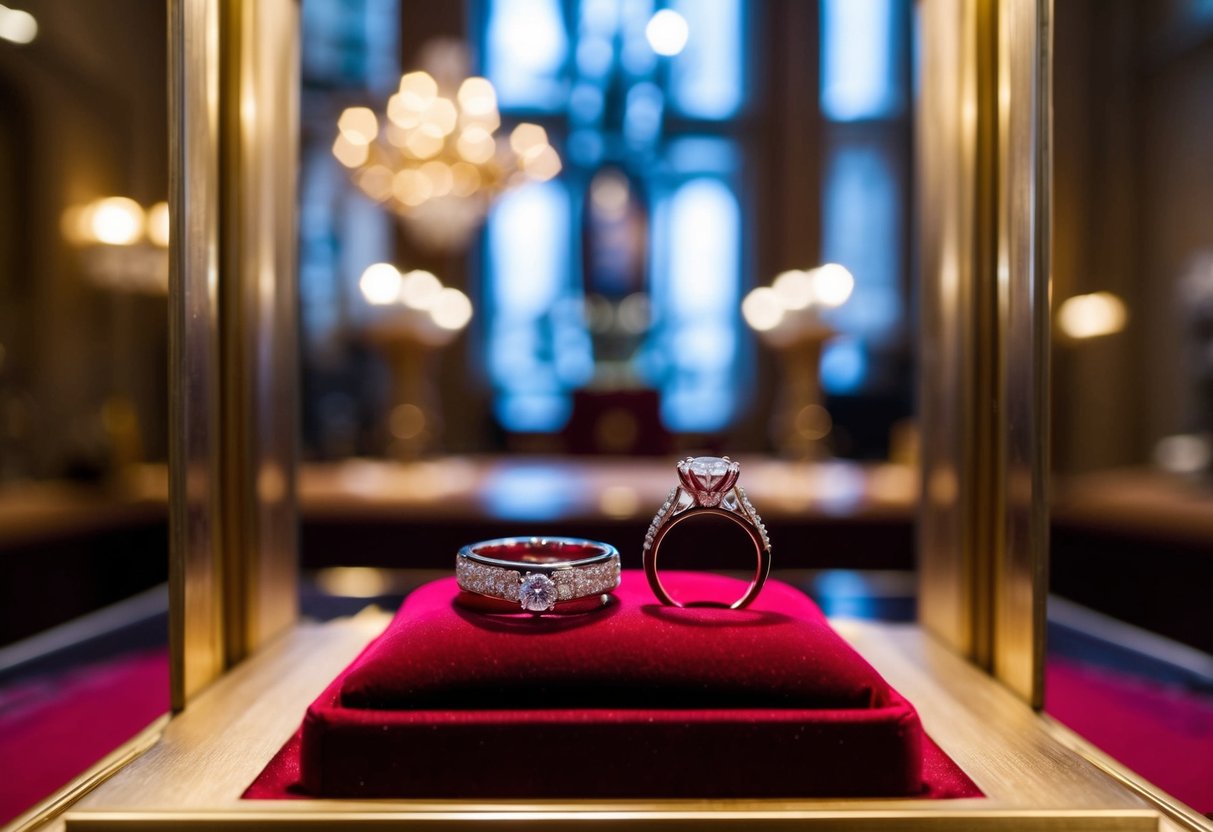
The engagement ring, featuring a stunning diamond set in a platinum band, is not only a symbol of love but also a legacy. So, what’s next for these cherished jewels? While Queen Elizabeth’s rings are not considered crown jewels, they hold immense sentimental value and are expected to stay within the royal family.
Following her death, there has been much talk about the future of these rings. They may be passed down to other royal family members, keeping the memory of Queen Elizabeth alive for generations to come.
These rings are steeped in rich history and represent a lifelong commitment that began with the Royal wedding in 1947.
The History and Significance of Royal Engagement Rings
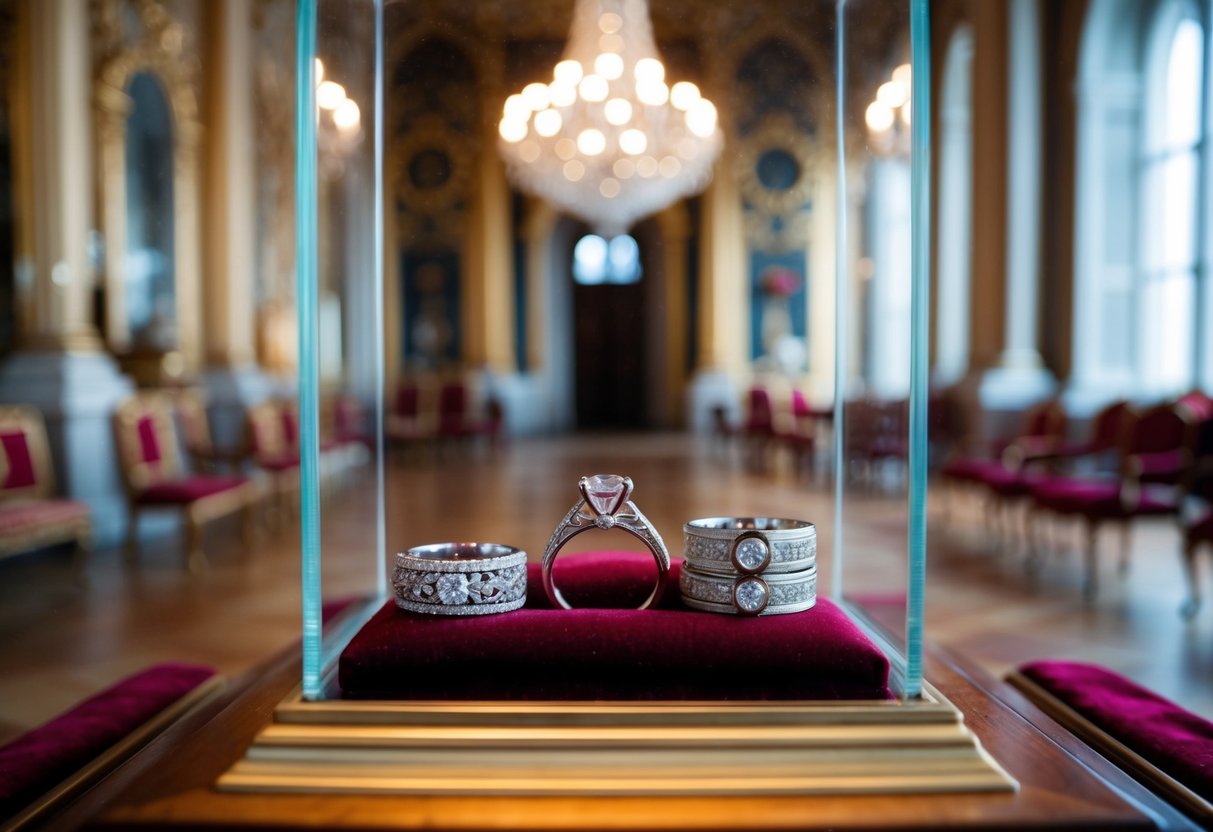
Royal engagement rings have deep meanings and rich histories. They symbolize love, commitment, and the connection to the royal family’s heritage. Each ring carries stories that reflect both personal significance and royal traditions.
Symbolism and Tradition Behind the Queen’s Engagement Ring
When you think of royal engagement rings, consider their important symbolism. These rings often represent strong commitments and the values of loyalty and love.
For instance, Queen Victoria popularized the concept of diamond engagement rings in the 19th century. Her ring, gifted by Prince Albert, was a stunning piece made of gold and diamonds. This ring set a standard for royal engagement rings to follow.
The materials used also hold significance. Platinum is often chosen for its strength and purity, making it a perfect symbol of eternal love. Each diamond is usually carefully selected, reflecting uniqueness and individuality.
Heirlooms and Heritage of Royal Jewellery
Royal engagement rings are not just symbols of love; they are cherished heirlooms. These pieces of jewellery often pass down through generations, connecting family members to their history.
Queen Elizabeth II’s engagement ring was crafted with diamonds from her mother-in-law’s tiara. This adds a personal touch, linking past and present. Such heirlooms are treasured not only for their beauty but also for the stories they carry.
Royal jewellery reflects a long-standing tradition. Families like the British royal family take great pride in these pieces. They often wear them during significant events, showcasing their heritage and continuity.
The Journey of the Queen’s Wedding Ring
Queen Elizabeth II’s wedding ring is a unique piece that carries deep significance and craftsmanship. It represents not only her marriage but also the rich tradition of royal jewelry. Understanding its creation and place in the royal collection gives you a glimpse into its history.
Craftsmanship of the Welsh Gold Wedding Band
The Queen’s wedding ring is made from Welsh gold, a precious resource used in many royal pieces. This gold was sourced from the Clogau St. David’s gold mine in Wales.
The ring is a simple band, showcasing the beauty of its material rather than intricate designs. This simplicity reflects the Queen’s personal taste and the traditions of royal weddings, which honor sustainability and heritage.
On her wedding day in 1947, the Queen wore this ring during the ceremony held at Westminster Abbey. The choice of Welsh gold symbolizes her connection to the nation, making it especially meaningful.
Queen Elizabeth’s Personal Collection
In addition to her wedding ring, Queen Elizabeth II had a remarkable private collection of jewelry. This collection features pieces with historical significance and emotional value.
Her wedding ring was always regarded as a standout item in her collection. It often held a special place, worn alongside her engagement ring, which was designed by Prince Philip.
Over the years, your interest in royal jewelry may lead you to this part of the Queen’s life. The rings not only represent love but also a legacy cherished by the royal family and the public alike.
Ceremonial Significance Throughout the Years
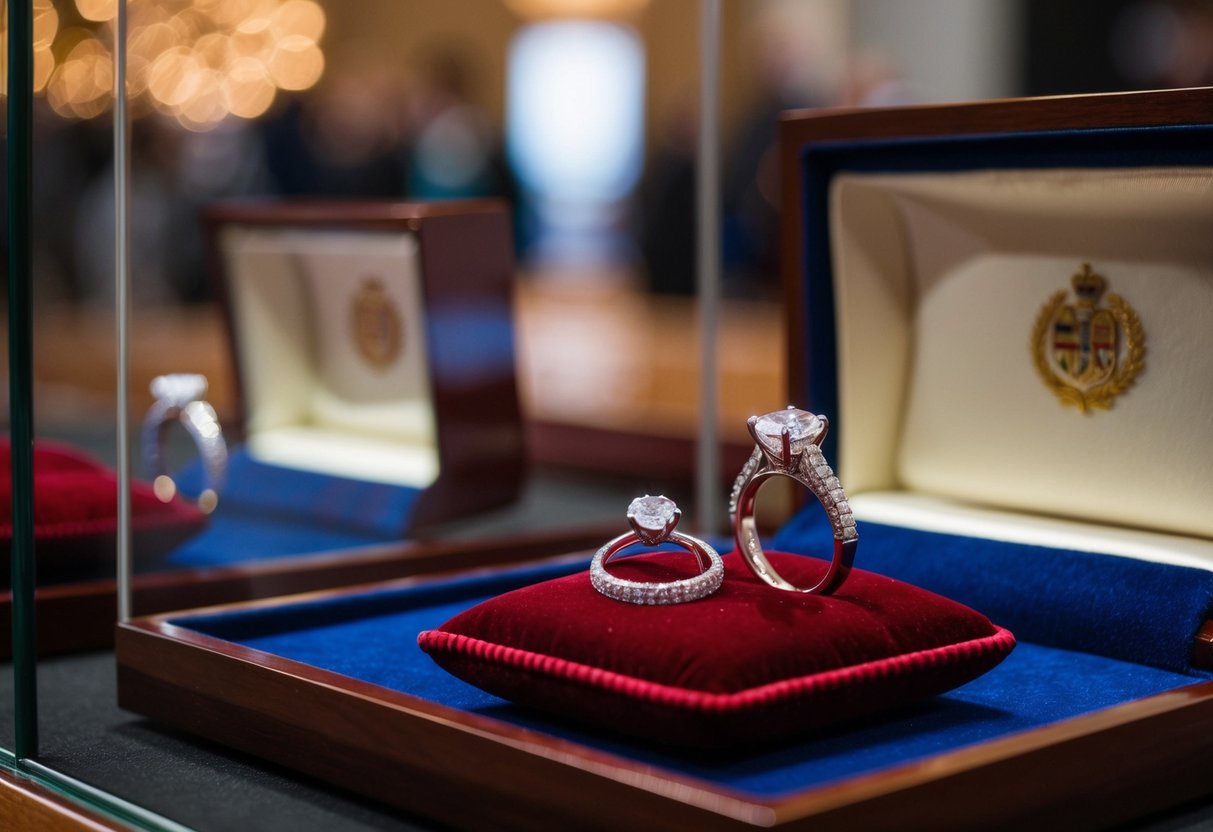
The wedding and engagement rings of Queen Elizabeth II carry deep ceremonial significance. They represent tradition, heritage, and the connections between past and future generations of the royal family.
Adornments for State Functions and Ceremonies
The rings, especially the engagement ring, were often worn during important state functions. They served not only as symbols of marriage but also as reminders of royal duty.
Alongside her rings, Queen Elizabeth frequently adorned herself with the Imperial State Crown and other jewels from the crown jewels collection. The Duchess of Sussex and other royals have also worn significant pieces during ceremonial events.
These adornments link contemporary royal responsibilities with traditions established by figures like Queen Mary, who was known for her exquisite taste in jewelry.
Transition of Jewellery from Queen Elizabeth to the Next Generations
As the royal family evolves, treasured pieces of jewelry are passed down. Items once worn by Queen Elizabeth, including her rings, hold sentimental value and are often inherited by future generations.
For instance, King Charles III may decide to pass certain pieces to his sons, further entwining their family legacies. Additionally, the nostalgia of past royal figures can influence which pieces are worn during significant occasions, such as funerals or celebrations.
These transitions allow you to witness a living history, bridging the past with the present, while maintaining a continuous royal identity.
Royal Weddings and Engagement Announcements
Royal weddings are unforgettable events that capture the hearts of millions. From engagement announcements to stunning wedding dresses, each moment is steeped in tradition and significance.
Iconic Moments in Royal Wedding History
You likely remember the iconic wedding of Prince William and Kate Middleton. Their ceremony took place on April 29, 2011, at Westminster Abbey, drawing an enormous global audience. Kate’s wedding dress, designed by Sarah Burton for Alexander McQueen, became an instant classic.
Princess Diana’s marriage to Prince Charles in 1981 also stands out. Her breathtaking gown featured a 25-foot train and a host of lace embellishments.
Another memorable moment was Princess Anne’s wedding to Captain Mark Phillips in 1973. This event was significant as it was one of the first royal weddings to be broadcast on television.
Contemporary Royal Engagement Rings and Wedding Bands
When it comes to engagement rings, modern royals blend tradition and personal style. Kate Middleton wears Princess Diana’s stunning sapphire engagement ring, which is surrounded by diamonds.
Meghan Markle chose a unique custom ring featuring a diamond from Botswana and two smaller stones from Princess Diana’s collection. This choice highlights how personal and meaningful these symbols can be.
Princess Anne’s wedding band is a classic gold ring, while Zara Tindall opted for a more contemporary design. Each ring tells a story and showcases individual taste, making royal jewelry as significant as the weddings themselves.