
What Happens to the Queen’s Wedding and Engagement Rings After Her Passing?
When a beloved monarch passes away, many wonder what will happen to their treasured items, especially iconic pieces like wedding and engagement rings. Queen Elizabeth II’s engagement ring and wedding band will likely be passed down to close family members, keeping their royal heritage alive. The stories behind these rings carry a deep significance, connecting generations of the royal family.
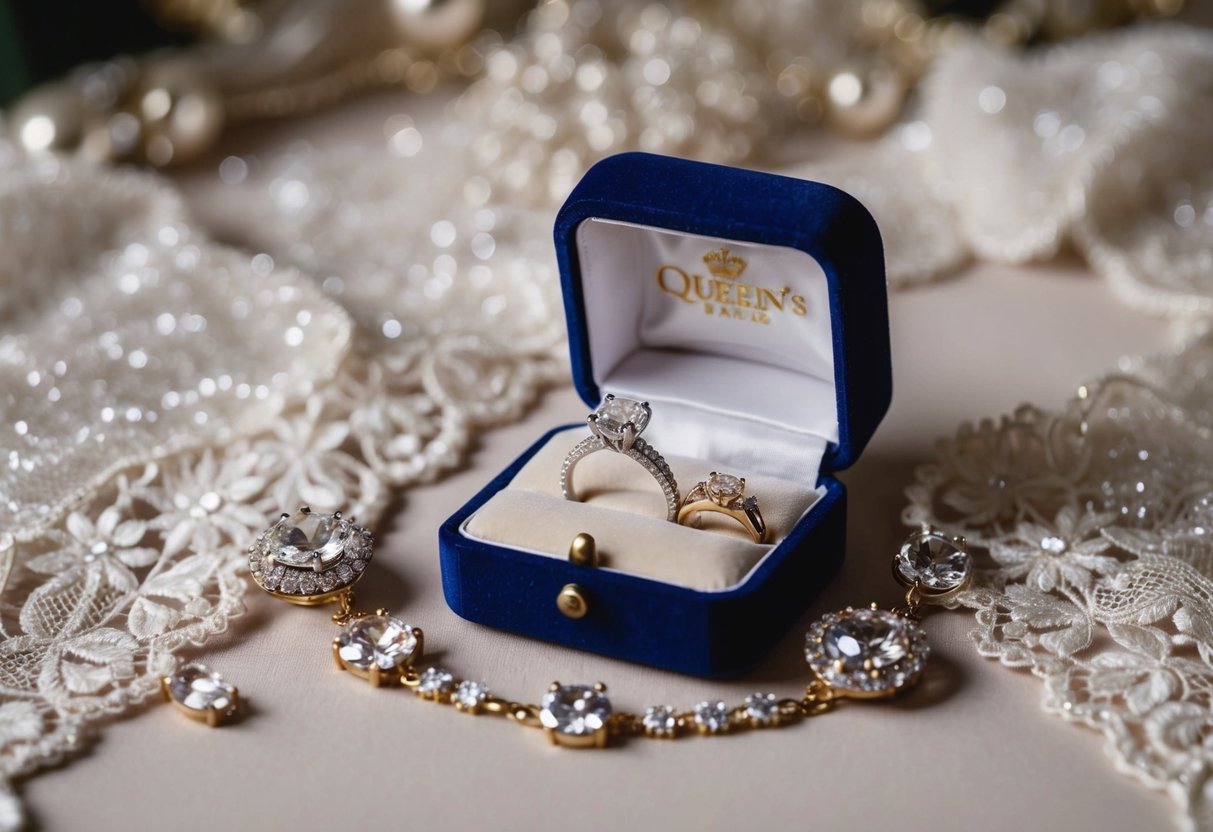
The engagement ring, featuring a large diamond surrounded by smaller diamonds, was given to Queen Elizabeth by Prince Philip in 1947. As part of the royal collection, its future will likely be a topic of much interest. You might also wonder about the wedding band, which is a symbol of her marriage and commitment.
As the royal family navigates this transition, many are eager to see how they will honor the late queen’s legacy through these beautiful pieces of jewelry. Understanding their fate not only reflects on the queen’s life but also on the traditions of the royal family.
The History of Queen’s Jewelry
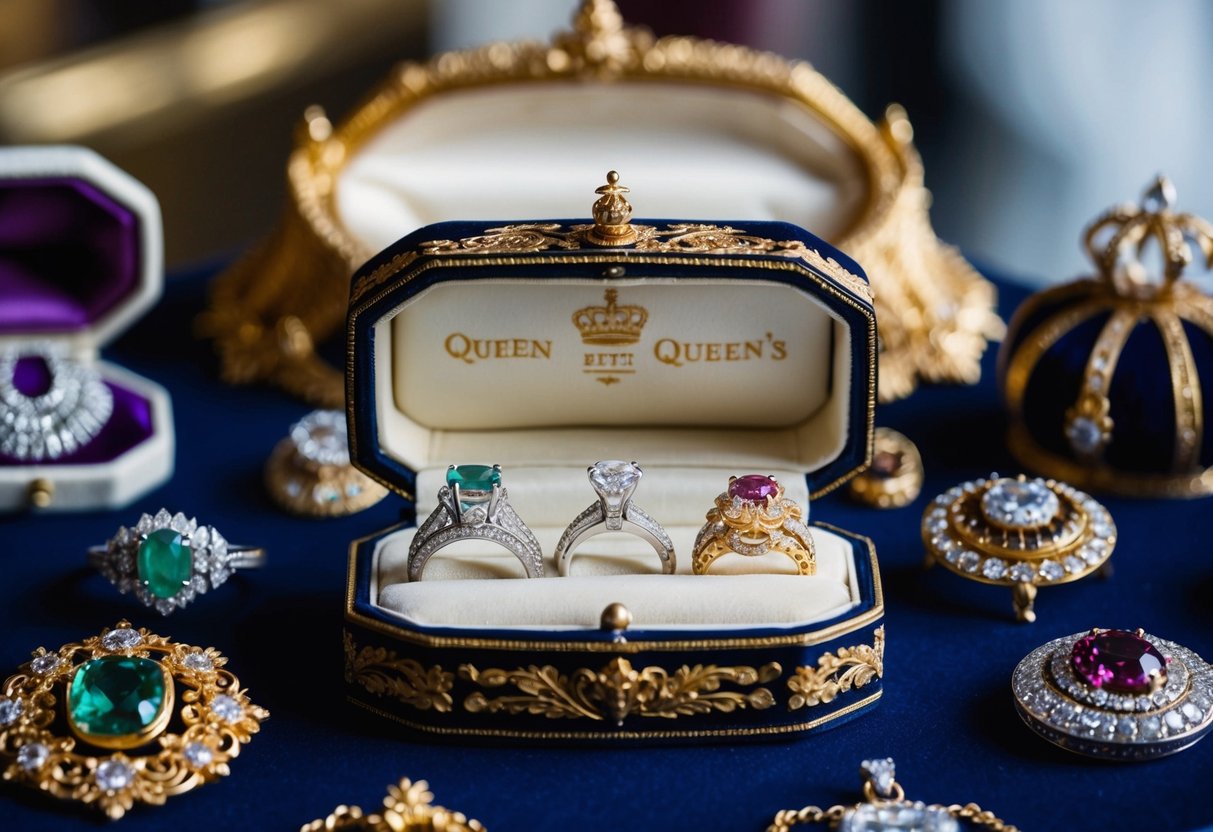
The history of Queen’s jewelry is rich and full of meaning. The choices behind these pieces reflect personal stories and royal traditions that have been passed down through generations. Here are some key points about the role of Welsh gold and the royal family’s engagement ring customs.
Significance of Welsh Gold in Royal Weddings
Welsh gold has a special place in royal weddings. For many years, it has been used to create wedding rings for British royals. This tradition started with the Queen Mother, who received her wedding ring made of Welsh gold from King George VI.
Queen Elizabeth II continued this legacy by wearing a Welsh gold ring as well. The preference for Welsh gold symbolizes a connection to the UK and its heritage. The material is rare and considered more than just a beautiful metal; it embodies love and commitment.
You may also find that this choice represents a bond with the nation as a whole. Many royal wedding rings today still use Welsh gold. This choice keeps an important tradition alive while honoring family and cultural roots.
The Royal Family’s Engagement Ring Traditions
Engagement rings in the royal family have their own stories and significance. Queen Elizabeth II’s engagement ring is notable. It features a large diamond surrounded by smaller ones, set in a platinum band. This ring, designed by Prince Philip, reflects his personal touch and thoughtfulness.
Princess Diana famously wore a blue sapphire engagement ring, which is now worn by Princess Kate. The choice of a sapphire connects to the family history as Princess Diana wanted something unique.
Each engagement ring in the royal family represents a unique relationship and set of traditions. The rings often convey personal meanings and are chosen with care. This trend shows the royal family’s desire to maintain their legacy while adding personal flair to their jewelry.
Queen Elizabeth II’s Iconic Rings
Queen Elizabeth II’s wedding and engagement rings hold significant historical and personal value. Each piece symbolizes her love and commitment to Prince Philip, reflecting both tradition and royal heritage.
The Story Behind the Engagement Ring
When Prince Philip proposed to Elizabeth in 1946, he offered her a stunning diamond engagement ring. The ring features a large, round center diamond surrounded by smaller diamonds, all set in a platinum band. It was crafted from a tiara that belonged to Prince Philip’s mother, making it even more special. The design emphasizes elegance and timeless beauty.
This iconic diamond engagement ring became a symbol of their enduring love. The ring has been a part of many royal photos and celebrations, connecting generations. Today, it is a treasured piece of British royal history, admired for both its beauty and the story it tells.
The Wedding Band’s Connection to Welsh Gold
Queen Elizabeth’s wedding band is made from rare Welsh gold. This tradition began with her wedding to Prince Philip in 1947, marking an important link to Wales. The use of Welsh gold reflects a deep respect for heritage and royal customs.
Welsh gold is known for its significance in royal jewelry. Each ring made from Welsh gold symbolizes strength and durability. Elizabeth’s wedding band is simple yet meaningful, perfectly matching her engagement ring and showcasing her love for Philip. This connection to Welsh gold remains an important aspect of the royal family’s history, linking them to the land and its traditions.
The Passing of Heirlooms
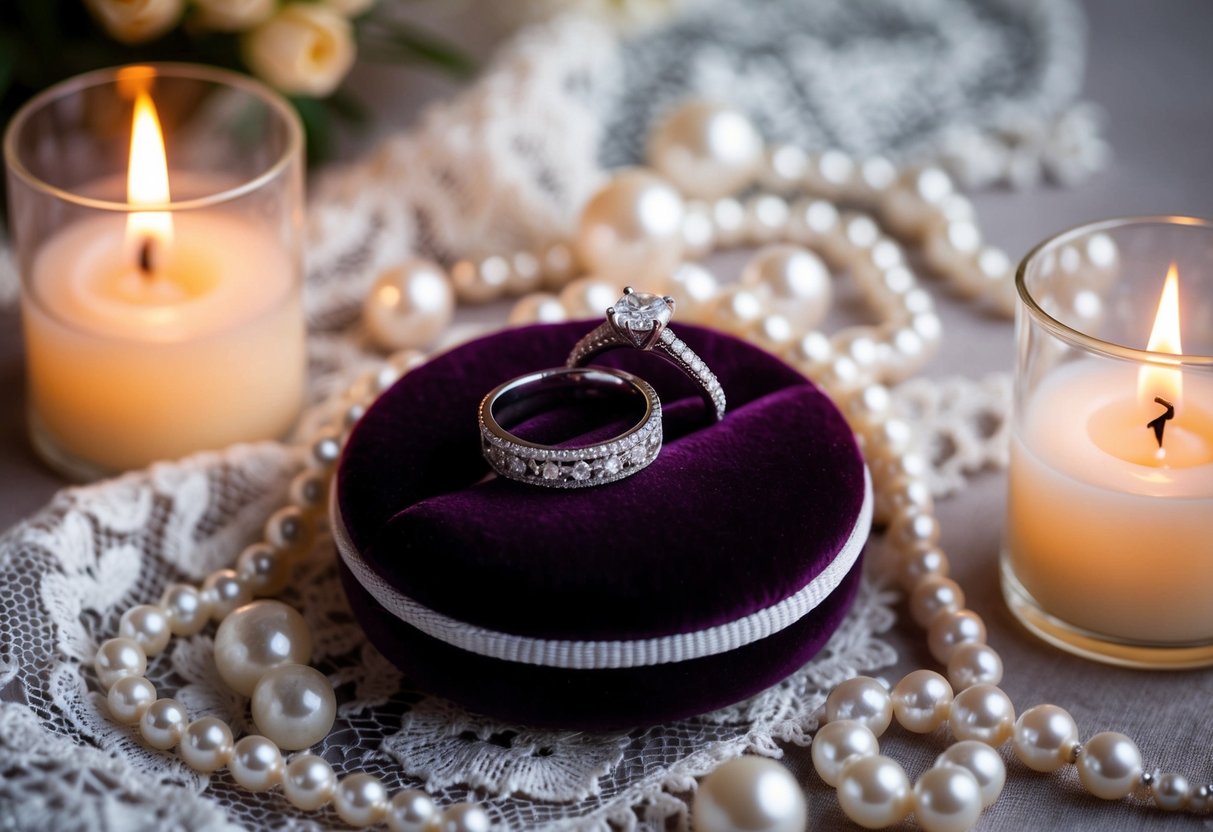
Royal heirlooms, especially wedding and engagement rings, hold deep sentimental value and connect generations. These jewels are not just ornaments; they are symbols of family heritage and legacy.
Royal Jewels as Symbols of Heritage
Royal jewels represent more than wealth; they embody love, responsibility, and tradition. For instance, the engagement ring worn by Princess Diana is now cherished by Kate Middleton. This ring carries the legacy of both Diana and the royal family, reinforcing bonds across generations.
When a royal family member passes, their jewels often become treasured heirlooms. These pieces are frequently used in special ceremonies and family events. They remind you of your roots and the values your family stands for.
Many members of the royal family, like Prince Charles and Zara Tindall, have used family heirlooms to honor past generations. Passing down these jewels strengthens family ties and keeps the history alive.
Queen Elizabeth II’s Rings in the Line of Succession
Queen Elizabeth II’s wedding and engagement rings are significant among royal heirlooms. The engagement ring, rich in meaning, was given to her by Prince Philip and remains a symbol of their enduring love.
As the royal family evolves, the future of these rings becomes a topic of interest. You might wonder who will inherit them. They may be passed down to Prince William or his children, like Princess Charlotte.
These rings are likely to be preserved carefully, ensuring their legacy continues. Much like heirlooms of the past, they will serve as reminders of family history and values for future generations, including Princess Beatrice and others in the royal line.
Celebratory and Ceremonial Occasions
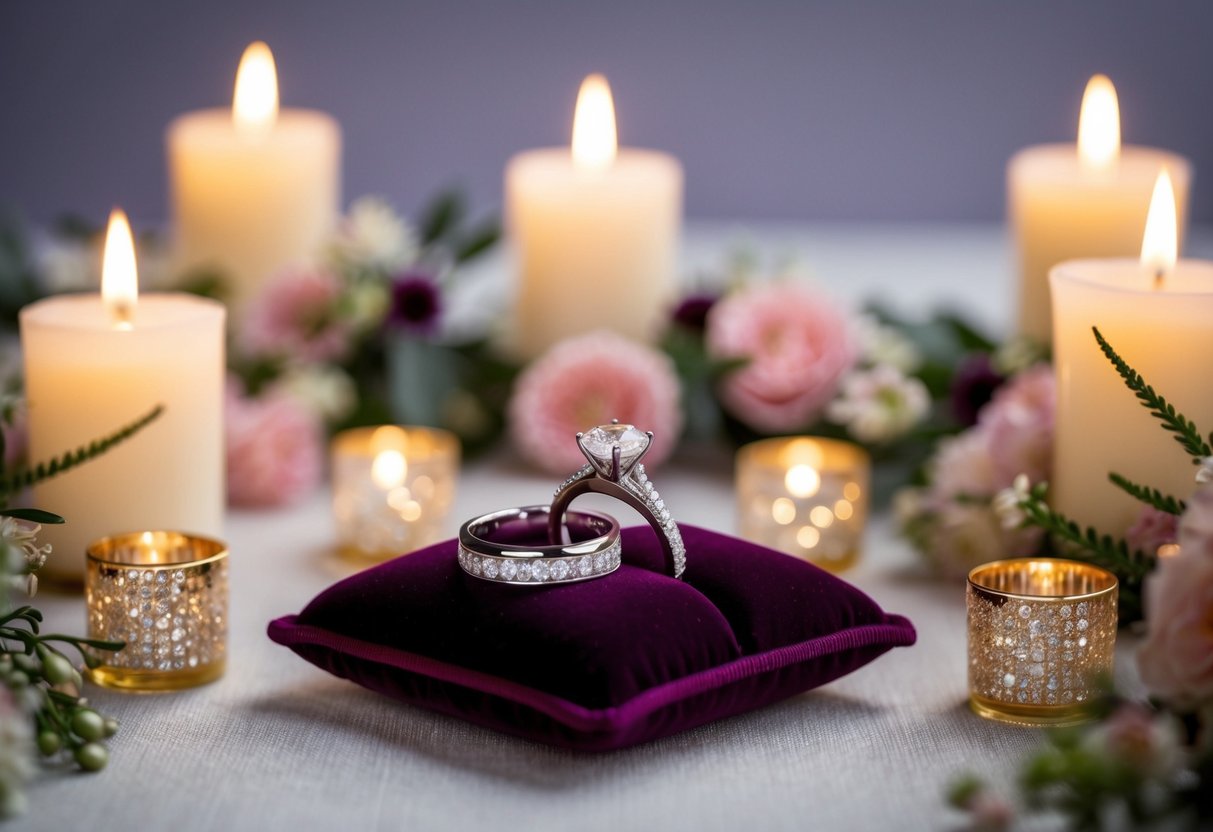
Royal weddings and family celebrations play a significant role in highlighting history and tradition. Each event showcases stunning attire and unique jewelry that embody the elegance and heritage of the monarchy.
Weddings and Engagements within the Royal Family
Wedding rings and engagement announcements within the royal family are steeped in tradition. For instance, Queen Elizabeth II’s wedding ring was made of Welsh gold, symbolizing strength and connection to Wales.
When Meghan Markle, the Duchess of Sussex, married Prince Harry, she chose a wedding ring that matched her engagement ring. Her ring features a brilliant-cut stone surrounded by pavé diamonds.
Here’s a quick view of significant royal wedding details:
- Queen Elizabeth II: Married in Westminster Abbey with a gown by Norman Hartnell.
- Princess Alice of Battenberg: Wore pearls, encapsulating grace.
Royal engagements often include beautiful jewelry, like diamond tiaras or pearl earrings, passed down from generations.
Significant Moments and Functions at Buckingham Palace
Buckingham Palace serves as a backdrop for many memorable events.
Significant functions often feature royal jewels that tell a story of their own.
During formal events, King Charles III wears the Imperial State Crown. It showcases stunning jewels and symbolizes his authority.
The Queen Mary collection holds priceless pieces like necklaces and tiaras, each with rich history.
At royal events, the jewelry often sparkles under the grand chandeliers, creating a magnificent spectacle.
Royal celebrations also mark occasions such as anniversaries and state banquets, where every detail matters.
Pearls and diamonds adorn royals, enhancing the solemnity and glamour of the moments.