
What Happens to Wedding Rings After Divorce? Understanding Your Options and Desires
Divorce can be a challenging experience. Figuring out what to do with your wedding ring is often part of the emotional journey. You may wonder about the fate of an item that once held so much meaning. In many cases, the person who received the wedding ring owns it. But, there are exceptions based on state laws and personal agreements.
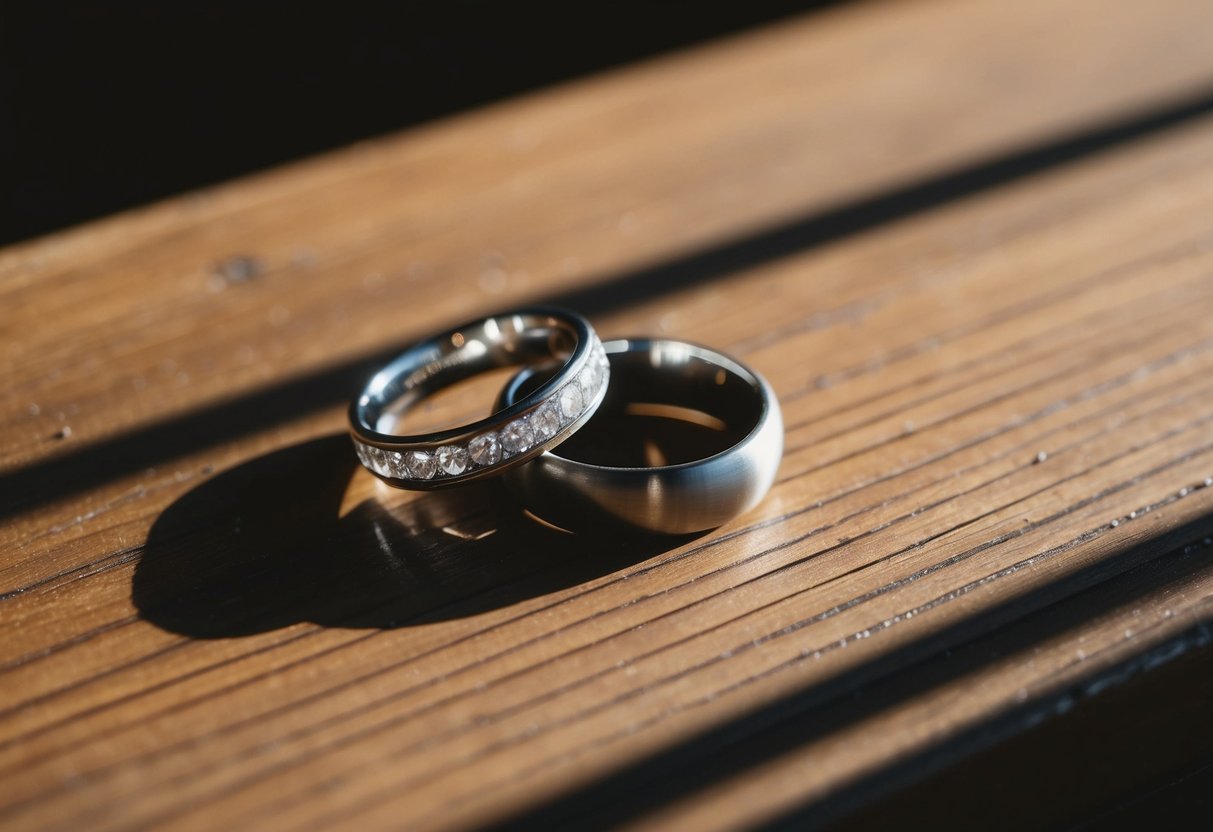
Deciding what to do with your ring can feel overwhelming. Whether you want to keep it, sell it, or pass it down, there are several options to consider. Understanding your choices can make this small part of the process a bit easier.
Each situation is unique, so exploring the various paths can help you find the best fit for your circumstances. You’re not alone in this; many people face the same questions and choices after their relationships end.
Understanding Marital Property Vs. Separate Property

When going through a divorce, it’s important to know how property is classified. This affects what you can keep or must divide with your spouse. Understanding marital property and separate property helps clarify where your wedding ring and other assets stand.
Differentiating Between Marital and Separate Assets
Marital property includes assets acquired during the marriage. This can include things like homes, cars, and shared bank accounts. Each spouse usually has an equal right to marital property in a divorce.
Separate property includes assets you owned before the marriage. This can also include inheritances, gifts, or family heirlooms given specifically to one spouse. If you received a conditional gift, like a wedding ring, it may be considered separate property, particularly if it was a gift intended for you only.
Engagement Rings and Marital Property Laws
Engagement rings are often seen as gifts from one partner to another. In many states, the ring is considered separate property. This means you likely keep it after a divorce.
If you have a prenuptial agreement, it might outline what happens to the engagement ring. Some courts may treat wedding rings differently, especially if purchased with marital funds. Understanding this can help you in discussions with your divorce attorney about how to handle these assets.
What to Do With Wedding Rings After Divorce

Deciding what to do with your wedding ring after a divorce can be an emotional journey. You have several options that can reflect your feelings and help you move forward. Here are some ideas to consider.
Keeping Your Wedding Rings
If your wedding ring holds significant sentimental value, you might choose to keep it. This can be a way to remember the past while allowing you to heal. You can store it safely in a jewelry box or display it in a special way at home.
Many people find comfort in keeping the ring as a reminder of who they were and the lessons learned. It’s personal and can symbolize your strength and resilience.
Selling Your Wedding Rings
If you’re facing financial challenges after the divorce, selling your wedding ring might be a smart choice. Rings can have considerable monetary value, especially if they are made with high-quality materials like gold or contain valuable stones.
To sell your wedding ring, consider getting a professional appraisal to understand its worth. You can sell it online, through jewelry stores, or even in a local pawn shop. Advertising it in a community forum or newspaper can also attract potential buyers.
Repurposing the Jewelry
Another option is to repurpose your wedding ring into something new. This can be a great way to transform a painful memory into something beautiful. You might consider turning the ring into a pendant, earrings, or another piece of jewelry you will wear.
Working with a jeweler can help you design something personal. This allows you to keep a piece of the past while creating something that fits your current life. Repurposing can provide a new meaning and keep the story alive in a fresh way.
Donating to Charity
If you want to part with your wedding ring and do something good, consider donating it to charity. Many organizations accept jewelry donations to raise funds for various causes. This can be a fulfilling way to let go of the past while making a positive impact.
Before donating, check which charities accept jewelry and how they use the funds raised. This can ensure that your gift goes to a cause you care about. Donating might help you feel you’re moving forward while helping others in need.
Navigating Emotions and Legal Considerations

When it comes to wedding rings after a divorce, there are deep feelings and important legal aspects to consider. Understanding the emotional significance and how the law views these rings can help you make a clear decision.
Emotional Significance of Wedding Rings
Your wedding ring often carries a lot of sentimental value. It symbolizes love, commitment, and shared memories. Letting go of it can bring mixed feelings, from sadness to relief.
Some people choose to keep the ring as a reminder of their journey. Others may feel it’s better to give it back or sell it to create new memories. Whatever you decide, acknowledge your emotions.
Taking time to reflect on what the ring represents can guide your choice. Remember, there’s no right or wrong in handling these feelings. It’s about what feels worthy and right for you.
Legal Implications of Divorce Proceedings
In divorce proceedings, the question of who gets the wedding ring can be complicated. Typically, wedding rings are considered marital assets. This means their ownership can depend on state laws and whether the ring was given as a gift.
If you and your spouse agree, you can decide to keep or give back the rings in divorce mediation. This negotiation can help avoid conflict. If necessary, a judge may ultimately decide based on legal guidelines.
Making Decisions with a Clear Mind
After divorce, making choices about your wedding ring is crucial. Take a moment to think about what the ring means to you, both emotionally and practically.
Approach this decision calmly.
Set aside time to discuss this topic, especially if you plan to negotiate with your spouse. It’s important to have honest conversations about feelings and finances.
Consider all options: keeping, giving back, or selling. Each choice has its own set of implications for your emotional healing and your finances.
Whatever you choose, ensure it aligns with your current needs and future goals.