
What Heel Height Is Uncomfortable? Tips for Finding Your Perfect Fit
Finding the right heel height can be a challenge, especially when you want to balance comfort with style. Many love the look of high heels, but the truth is that certain heights can lead to discomfort. Heels over 3 inches are often considered uncomfortable for extended wear. Understanding this can help you choose the perfect pair that keeps you looking fashionable without sacrificing your comfort.

When you step into a pair of heels, think about how long you’ll be standing or walking. While a 1 to 2-inch heel may be fine for short outings, anything higher can begin to create strain on your feet. Styles that incorporate a well-cushioned heel can make a noticeable difference, allowing you to enjoy your favorite fashionable pieces without the pain often associated with taller heels.
Navigating the world of high heels doesn’t have to be a painful experience. By paying attention to heel height and your own comfort levels, you can select shoes that not only enhance your outfit but also keep your feet happy. Don’t hesitate to experiment with different styles and heights to see what works best for you!
Understanding Heel Height and Footwear Types
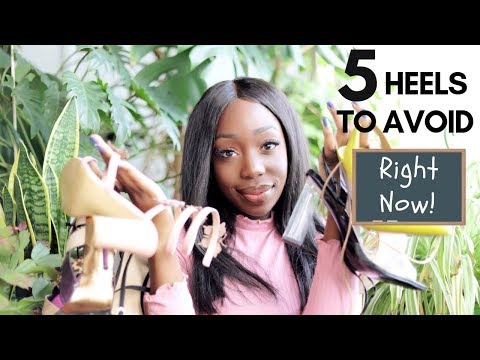
Heel height plays a key role in your comfort when wearing heels. Different styles of shoes offer varying heights and support, affecting how you feel throughout the day.
Types of Heels:
- Flats: These have no or minimal heel height and are often the most comfortable choice.
- Low Heels: Ranging from 1-2 inches, they provide a slight lift without too much strain.
- Kitten Heels: These are around 1.5 to 2 inches and offer a more stylish option with better comfort.
- Block Heels: A wider heel that provides more stability, making them easier on your feet.
- Stilettos: These high, thin heels (often 3+ inches) can lead to foot pain if worn too long due to limited support.
- Wedges: Offering height with more surface area, wedges can be more comfortable than stilettos.
- Pumps: These usually have a moderate heel height and can vary between round toes or pointed toes.
When choosing heels, consider arch support. A lack of it can cause discomfort and long-term foot health issues.
The ideal heel height often depends on personal preference, foot shape, and your typical activities.
Using a measuring tape to find your perfect fit can be helpful. Remember, comfort should always come first, so pay attention to how your feet feel throughout the day.
Factors Influencing Heel Comfort

When it comes to heel comfort, various aspects play a significant role. Understanding heel shape, materials used, and your personal foot characteristics can help you choose the right pair.
Heel Shape and Stability
The shape of a heel can greatly affect how comfortable you feel in your shoes. A wider heel often provides more stability compared to a narrow one. Wider heels help distribute your weight evenly, which can reduce the risk of ankle injuries.
Stability is crucial if you plan to walk or stand for long periods. Look for heels with a supportive base, which can minimize discomfort. A design that includes a sturdy platform can also enhance stability, making taller heels easier to manage.
Material and Arch Support
The materials used in your heels can impact both comfort and foot health. High-quality leather or fabrics can be more flexible and breathable. This allows your feet to move naturally, reducing soreness. On the other hand, synthetic materials may not provide the same comfort.
Arch support is another key factor. If you have flat feet or conditions like plantar fasciitis, proper arch support is essential. Look for cushions and insoles that provide good arch support. This feature can alleviate pressure on your feet and prevent pain during wear.
Personal Foot Considerations
Your foot characteristics play a big role in how comfortable heels feel. Consider your foot type—whether it’s flat, high-arched, or somewhere in between. Each type has different needs when it comes to support and cushioning.
Additionally, factors like foot width and size can affect comfort. If you have wider feet, shoes that pinch can cause discomfort. Take time to try on different styles and sizes to see what works best for you. Listening to your personal preferences will guide you to the right choices for your feet.
Choosing the Right Heel Height for Occasions

Selecting the right heel height can make a big difference in your comfort and style for various occasions. Knowing what works best for casual outings versus formal events helps you feel confident and at ease.
Casual vs. Formal Wear
When dressing for casual events, your heel height can be lower. Comfortable heels around 1 to 2 inches are stylish without sacrificing comfort. They work well for a day out with friends or a relaxed dinner.
For formal occasions, you may want to choose a higher heel, typically between 2 to 4 inches. These heels add elegance to your outfit. However, be mindful of how long you’ll wear them, as high heel heights can lead to discomfort over time. If you go for 4-inch heels, consider breaking them in before the event.
Heel Height Guidelines
Here are some guidelines to help you select the best heel height for different occasions:
- Casual events: Aim for a heel height of 1 to 2 inches. This range keeps your look stylish without compromising comfort.
- Work functions: A moderate heel height, around 2 to 3 inches, provides a professional touch while being easy to manage during long hours.
- Dressy occasions: Opt for heels between 3 to 4 inches for a chic and sophisticated appearance.
- Comfort: Always consider padding and arch support. This ensures your feet feel good, no matter the heel height.
Understanding these guidelines helps you find the ideal heel height for any event while allowing you to express your style.
Managing and Alleviating Heel Discomfort

Many people feel discomfort from high heels. You can manage and reduce that pain by following these steps.
First, choose the right heel height. Ideally, a moderate heel height of 1 to 2 inches can provide better balance and comfort. Avoid heels above 3 inches, especially for prolonged wear.
Next, pay attention to your posture. Stand tall and keep your shoulders back. Good posture helps distribute your weight evenly and reduces strain on your feet. You can practice this at home or while walking.
Consider wearing shoes with cushioning and arch support. This feature can prevent foot pain and reduce pressure on areas like bunions. Remember that flats may offer a more comfortable option for your daily activities.
Tips for Comfort:
- Take breaks from heels to give your feet time to recover.
- Stretch your calves and feet to ease tight muscles.
- Use gel inserts for added support.
Foot Health Reminder: Regularly check your feet for any signs of distress. Keeping an eye on blisters or pain helps prevent bigger issues. If foot pain persists, consult a healthcare professional for advice.