
What If I Lose a Lot of Weight After Buying a Wedding Dress? Tips for Adjusting Your Gown
Planning your wedding can be both exciting and stressful, especially when you’re considering weight loss before the big day. You might be wondering what happens if you lose a lot of weight after buying your wedding dress. Most wedding dresses can be altered to fit your new size, giving you peace of mind.
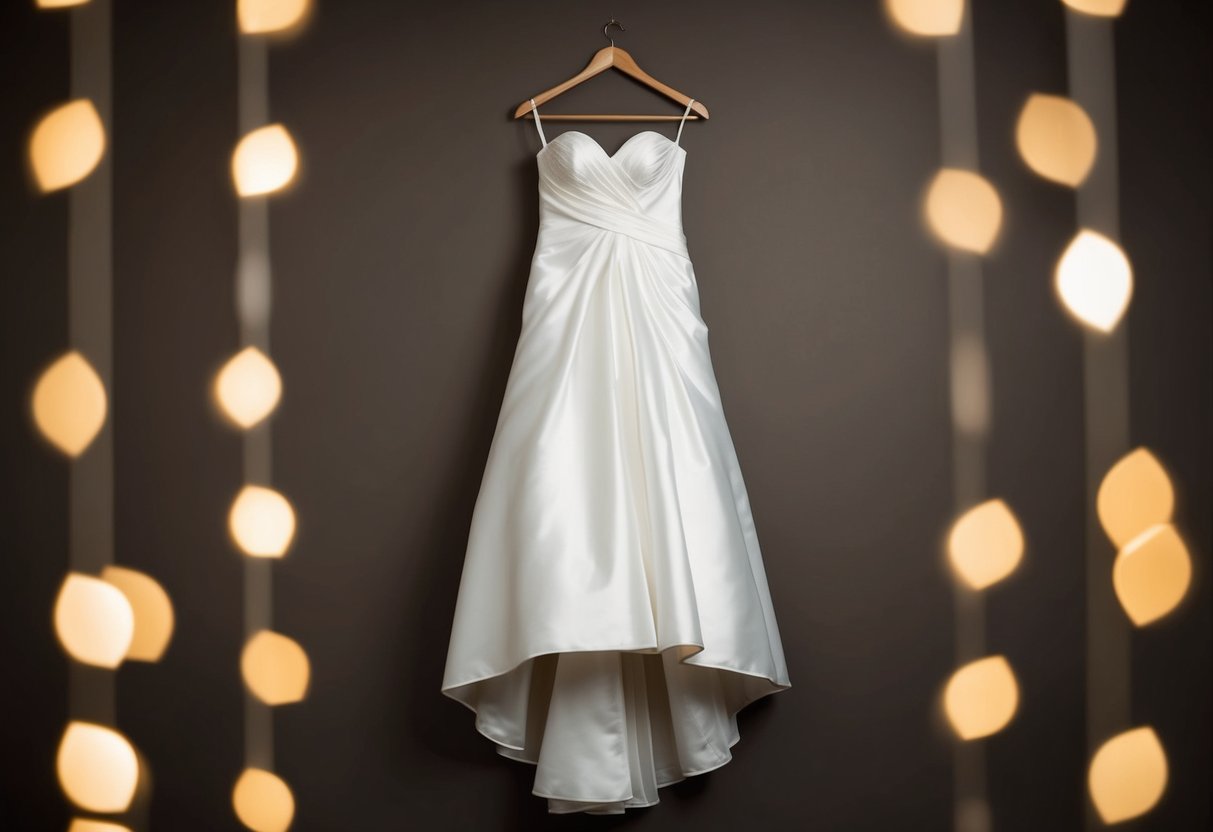
It’s common for brides to change their size during the months leading up to the wedding. If you find yourself dropping pounds, you don’t need to panic. Many bridal shops offer dress alterations that can help you achieve the perfect fit just before your wedding day.
Remember, choosing the right dress can make a big difference. Opt for styles that allow for adjustments or be sure to discuss your weight loss plan with the bridal store team. They can guide you on the best options that accommodate your situation.
Preparing for Wedding Dress Shopping
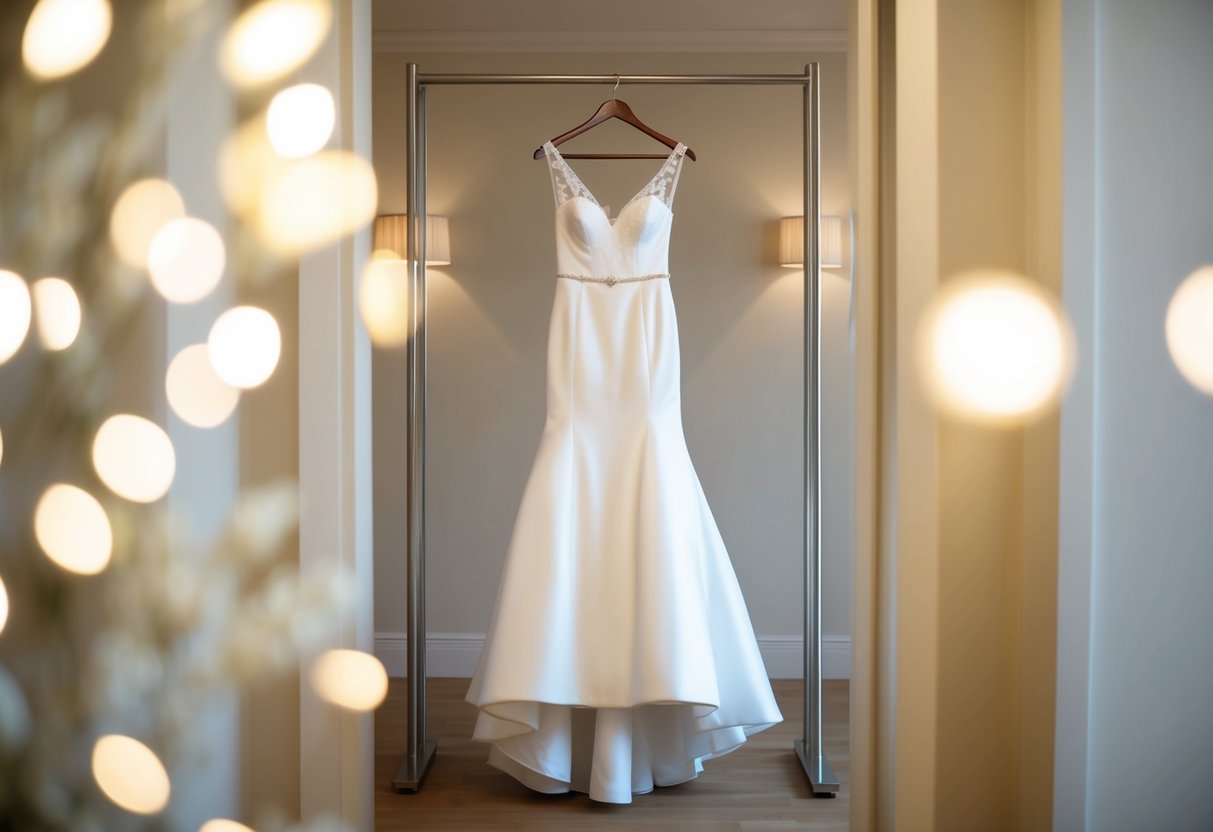
As you get ready for wedding dress shopping, it’s important to understand the styles available and set weight loss goals that work for you. Both of these factors will help you feel confident and excited about finding the perfect dress.
Understanding Wedding Dress Styles
When shopping for a wedding dress, it’s key to know the different styles available. Common options include A-line dresses and ball gown styles.
- A-line dresses are flattering for many body shapes, as they gently flares from the waist, creating an elegant silhouette.
- Ball gowns are dramatic and perfect for a classic, fairy-tale look. They have a fitted bodice and a full skirt, which can be perfect for brides who want to make a statement.
Try on various styles to see which ones you like best. Remember, even as you lose weight, your body shape will stay mostly the same, so focus on styles that make you feel good.
Setting Realistic Weight Loss Goals
Setting realistic weight loss goals is crucial when planning your wedding dress shopping. Aim for a healthy and sustainable approach that fits your timeline.
Consider losing 1-2 pounds per week; this can lead to a safe and steady progress.
Before you shop, decide when you want to try on dresses. If you’re dropping pounds, shop 6 to 8 months before the wedding to secure enough time for alterations if needed.
This plan allows you to enjoy the process without added pressure. Plus, you can order a dress close to your current size with the option for adjustments later. Remember, it’s all about how you feel in the dress, no matter the number on the scale.
The Timing of Your Purchase
Choosing the right time to buy your wedding dress is crucial, especially if you plan to lose weight. This decision affects your shopping experience and ensures a better fit on your special day.
When to Buy a Wedding Dress If Losing Weight
If you’re on a journey to lose weight, start by determining how much you plan to lose. This helps you understand the best timing for your purchase.
-
5-15 Pounds: If you intend to lose a small amount, consider shopping about 6-8 months before the wedding. This gives your tailor enough time for adjustments.
-
15-30 Pounds: For more significant weight loss, aim to purchase your dress 8-10 months ahead. This allows room for alterations as you approach your goal.
-
Over 30 Pounds: If you’re aiming for a drastic change, it may be wise to wait until you reach your target weight. Buying too early can result in excess alterations, increasing stress as your day approaches.
Plan your exercise regime and focus on healthy weight loss to stay on track. Working with a knowledgeable tailor can also help you adjust the dress as needed, giving you comfort and confidence on the big day.
The Alteration Process
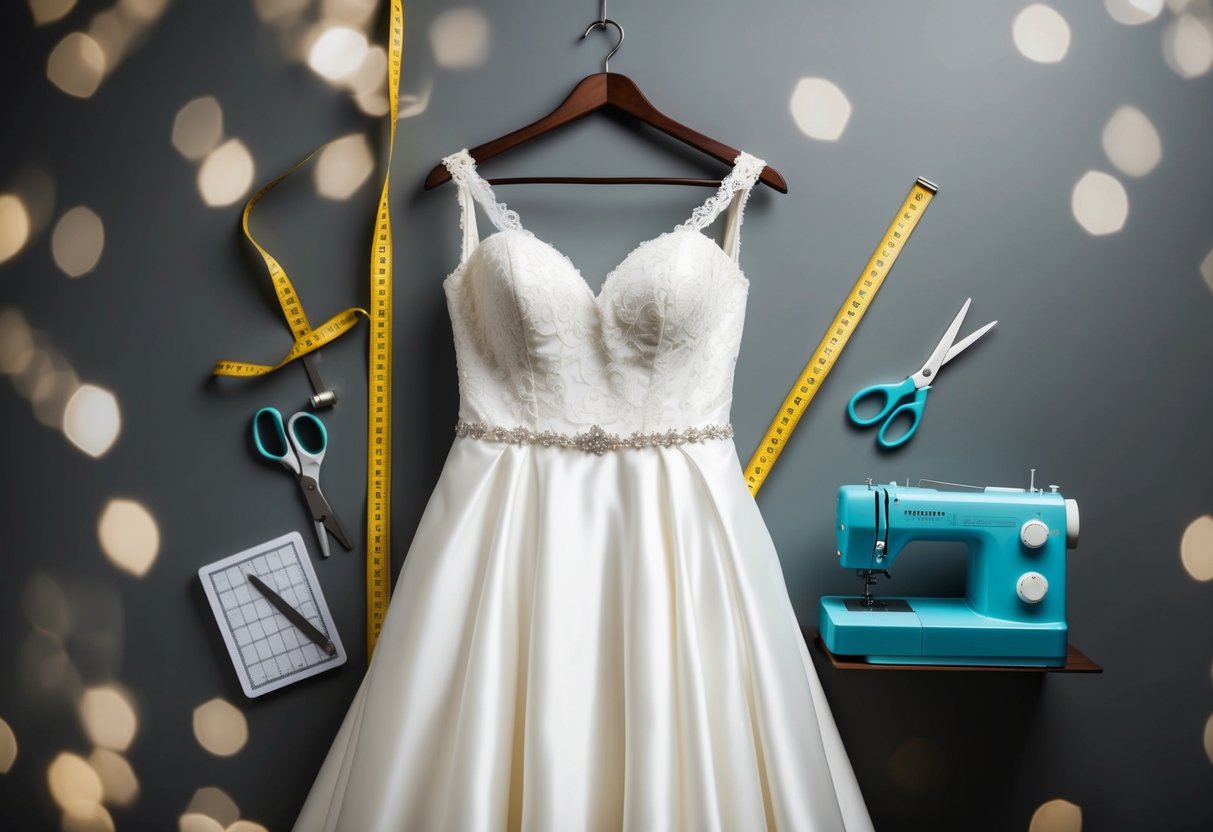
When you buy a wedding dress, alterations are an important part of ensuring it fits perfectly, especially if you’ve lost weight. Knowing how alterations work and scheduling dress fittings can help you feel more at ease during this process.
Understanding Dress Alterations
Dress alterations are adjustments made to your wedding dress to match your unique body shape and size. A skilled seamstress can alter different areas of the dress, including the bodice, waist, and hips.
If you’ve lost weight, your wedding dress can often be taken in. Most dresses allow for adjustments of about 1-2 sizes down. It’s best to order a dress that fits your current size closely.
Don’t forget to bring the right undergarments to fittings. This ensures that the seamstress gets an accurate fit. Consider the type of undergarments you plan to wear on your wedding day, as they can affect the fit of the dress.
Scheduling Dress Fittings
Timing is key when scheduling dress fittings. Aim to begin alterations as soon as possible after purchasing your dress. This gives you enough time for multiple fittings and any adjustments that might be necessary.
Typically, you should schedule your first fitting about 2-3 months before your wedding date. This allows time for further adjustments if your size changes again.
Don’t hesitate to ask your seamstress questions. They can give you advice tailored to your specific dress size and style, helping you feel confident about your final look. Make sure to document each fitting so you can track the changes made and confirm the correct dress size.
Choosing the Right Dress and Accessories
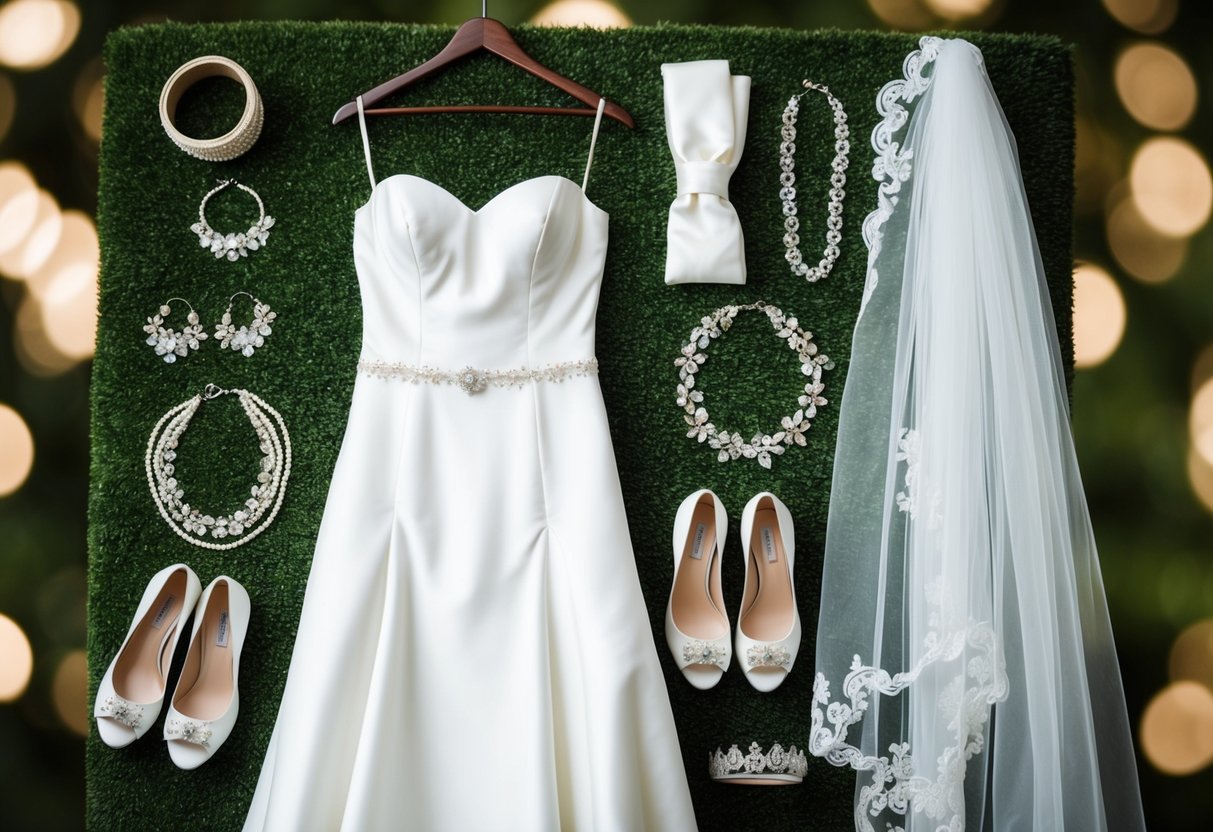
Selecting the perfect wedding dress and accessories is important, especially if you are planning to lose weight. Focusing on body types and how to enhance your look with accessories can help you feel confident on your special day.
Selecting Dresses for Different Body Types
When choosing a wedding dress, consider your body type. A corset back dress can be a great fit as it allows for adjustments as your body changes. You can find designs that flatter your shape, like A-line for pear shapes or mermaid styles for hourglass figures.
Think about fabrics that are easy to alter, such as satin or tulle. Bespoke wedding dresses offer a custom fit, which is helpful if your measurements may change. When shopping at a bridal shop, ask about a body type guide to find styles that complement your frame.
You might also want to look into ready-to-wear options for quick alterations. Whatever you choose, remember to consider comfort alongside style to ensure you feel your best.
Accessorizing Your Wedding Dress
Accessories play a key role in completing your bridal look. Start by selecting items that enhance your wedding dress.
For a classic look, consider a simple veil or elegant jewelry. If you have a more modern style, bold accessories can make your outfit stand out.
Don’t forget to think about the bridal salon’s offerings for matching accessories. Something simple like a beautiful sash can accentuate a simple dress.
Shoes also matter—choose ones that are comfortable, especially if you might be on your feet for a long day.
It’s important that everything feels right, allowing you to focus on enjoying your celebration.