
What is a Bread Wedding? Exploring This Unique Celebration Tradition
The idea of a bread wedding is both beautiful and meaningful. At its core, a bread wedding often involves the tradition of using bread and salt to symbolize hospitality and the couple’s shared life together. This custom can be found in various cultures, highlighting the important role of bread in celebrating marriage.
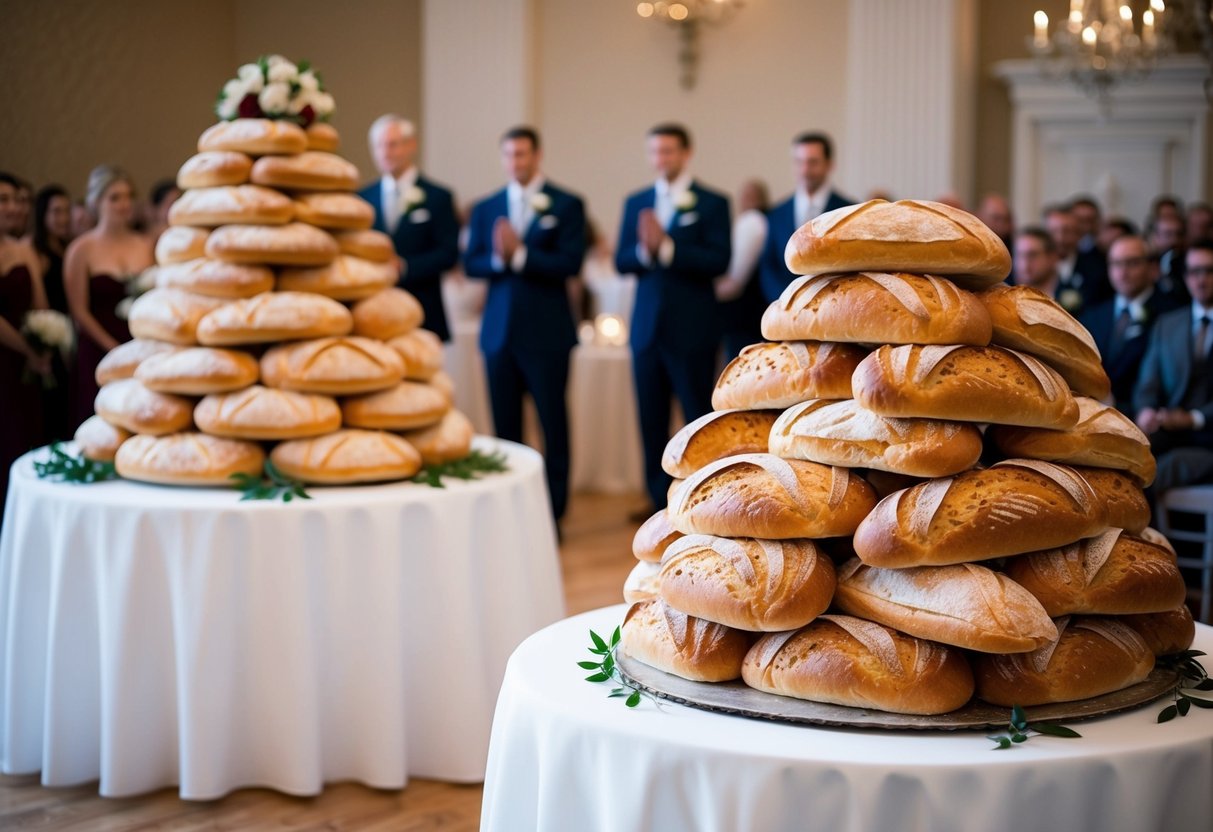
During many weddings, the newlyweds are welcomed with a loaf of bread and a sprinkle of salt as a way to wish them abundance and flavor in their new life. This bread and salt blessing signifies the hope that their marriage will always be filled with sustenance and joy.
As you explore these wedding traditions, you’ll discover how such simple elements can deepen the significance of your special day.
Whether you’re planning your own wedding or simply curious about customs from around the world, understanding the bread wedding can inspire you to incorporate meaningful rituals into your celebration. Embrace the warmth and unity that bread symbolizes, and consider how you might make it a part of your own joyous occasion.
Cultural Significance of Bread and Salt in Marriage
Bread and salt play important roles in wedding traditions across Eastern Europe. These elements symbolize key values such as health, wealth, and hospitality. Understanding their significance can deepen your appreciation for cultural heritage during wedding ceremonies.
Symbolism in Eastern Europe
In many Eastern European cultures, including those in Poland, Ukraine, and Russia, bread and salt represent fundamental life essentials. Bread symbolizes prosperity and sustenance, wishing the couple a life of abundance. Salt, on the other hand, has historical ties to hospitality and preservation, suggesting that relationships need care to last.
During the ceremonies, parents of the bride and groom greet the couple with these offerings. This gesture conveys their hopes for the couple’s happiness and security, emphasizing the value of family support in marriage.
Relevance to Wedding Ceremonies
During a wedding ceremony, the act of sharing bread and salt is a cherished Polish wedding tradition. In this ritual, the newlyweds receive a loaf of bread sprinkled with salt, symbolizing their commitment to care for each other.
This moment often occurs early in the celebration, highlighting the importance of community and shared joys. Families gather to witness this act, reinforcing bonds among loved ones while celebrating the couple’s new path together.
It’s a beautiful reminder of the couple’s role in nurturing their relationship while respecting their cultural roots.
Traditional Wedding Rituals Involving Bread and Salt
Bread and salt play important roles in various wedding traditions around the world. These rituals symbolize hospitality, prosperity, and the couple’s commitment to each other. The following highlights two key aspects of how bread and salt are incorporated into wedding ceremonies.
The Bread and Salt Blessing
The Bread and Salt Blessing is a cherished tradition particularly in Polish and other Eastern European weddings. During the wedding reception, the parents of the bride and groom greet the newlyweds with bread and salt.
The bread symbolizes abundance, while the salt represents preservation and flavor in life. When the couple shares the bread and salt, it signifies their commitment to care for each other. This ritual is often accompanied by wine, adding another layer of joy and celebration.
Incorporation into Modern Weddings
Incorporating bread and salt traditions in modern weddings has become popular. Many couples look for ways to make their ceremonies personal and meaningful.
You might see a decorative loaf of korovai, a traditional wedding bread, featured on tables. Some couples even exchange personalized mini loaves with guests.
The act of sharing bread and salt during the ceremony creates a warm atmosphere. This practice helps couples honor their heritage while embracing contemporary wedding customs. It connects the past with the present in a beautiful way.
Food and Festivity: Bread’s Role in Wedding Celebrations
Bread holds a special place in wedding celebrations around the world. It often features prominently on the wedding reception menu, adding both flavor and meaning. Here’s how bread plays a key role in these joyful events.
Wedding Reception Menus
At your wedding reception, you can create a memorable menu by incorporating a variety of bread options. From warm dinner rolls to artisanal loaves, bread can complement your main dishes beautifully.
Consider including spreads like butter, hummus, or tapenade to pair with the bread. These additions encourage guests to mingle and savor the flavors, enhancing the overall dining experience.
Don’t forget the wedding cake, which can also be a bread-based treat. Cakes made with rich ingredients like fruit and nuts can symbolize good health and prosperity, adding a lovely touch to your celebration.
Symbolic Food Items
In many cultures, bread often symbolizes joy and happiness. Some traditions see sharing bread as a couple’s commitment to nourish each other in marriage.
For example, the Polish “Bread and Salt” blessing highlights this idea. When bread is shared, it represents the couple’s promise to care for one another.
You might also consider serving unique bread items like karavay. This traditional Russian wedding bread is decorated and symbolizes fertility and family unity. This beautiful centerpiece not only delights the palate but also enriches the celebration with deep cultural meaning.