
What Is a Bridal Size 10? Understanding Fit and Measurements for Your Dream Dress
When you start wedding dress shopping, you might come across various bridal sizes, which can be confusing. A bridal size 10 typically aligns with a regular size 4-6. This means that if you’re a street size 4-6, you might find yourselves trying on gowns that are marked with a bridal size 10. Understanding this difference helps you navigate the shopping process more smoothly.
Finding the perfect fit is essential when choosing your wedding dress. Bridal sizing often runs smaller than what you see in regular clothing. This can mean that you may need to try on sizes that feel different than your usual number.
Remember, it’s all about how the dress fits your body and makes you feel beautiful on your special day.
As you explore options, keep in mind that every designer may have their own sizing charts. Therefore, don’t be alarmed if a size feels different than you expect. The key is to focus on finding a dress that makes you feel confident and radiant as you prepare for your wedding.
Understanding Bridal Sizing
Bridal sizing can be quite confusing because it differs from regular clothing sizes. Knowing how bridal sizes work is essential for finding the perfect wedding dress. Understanding the difference between sizes will help ensure a smoother shopping experience.
Bridal Sizing vs. Regular Clothing Sizes
Bridal sizes often run smaller than regular clothing sizes. For example, if you wear a street size 6, you might need a bridal size 8 or even 10. This discrepancy occurs because bridal sizing has remained more traditional, while regular clothing sizes have evolved.
In American sizing, bridal gowns typically use a separate scale. A bridal size 10 may actually correspond to a street size 6 or 8. In contrast, European sizing is different altogether, often using even larger numbers for similar measurements. Always remember to try on a few sizes to see what feels best.
The Importance of Measurements in Bridal Size
Your personal measurements are vital when it comes to bridal sizing. Unlike regular clothing, bridal dresses have unique cuts and designs that can affect how they fit.
Make sure to measure your bust, waist, and hips accurately. Consider asking someone to help, as this can ensure proper measurement. Many bridal boutiques can also assist you in this process.
This is important because different designers can have varying sizing standards. Based on your measurements, you might need a size that doesn’t match your street size or expectations. Accurate measurements can guide you to the correct bridal size.
Navigating the Sizing Chart
Bridal sizing charts can help you find the right fit, but they can be tricky. Each brand or designer may have its own size chart, making it essential to check before ordering or trying on gowns.
Usually, bridal size charts include measurements for bust, waist, and hips. Here’s a quick reference:
- Size 6: Bust 34”, Waist 26”, Hips 36”
- Size 8: Bust 36”, Waist 28”, Hips 38”
- Size 10: Bust 38”, Waist 30”, Hips 40”
When you visit a bridal shop, ask for their specific sizing chart. This way, you can compare your measurements to the chart and find the best size for you. Remember, it’s always easier to make a dress smaller than to make it larger.
Finding Your Perfect Wedding Dress Fit
Getting the right fit for your wedding dress is crucial for comfort and confidence on your special day. Knowing how bridal sizes work and the importance of professional help can make this process smoother.
Understanding Size 10 in Bridalwear
A bridal size 10 typically corresponds to a street size 6-8. However, sizes can differ between designers. Make sure to consult a size chart for the brand you’re considering.
When trying on dresses, consider your measurements. Your bust, waist, and hip sizes all play a role in finding the right fit. Many bridal shops offer size calculators to help, which can take the guesswork out of your shopping experience.
Remember, bridal sizes often run smaller, so do not be surprised if you need a larger size than you usually wear. This is because wedding dresses are designed to fit snugly and may need alterations for that perfect fit.
The Role of a Bridal Stylist
A skilled bridal stylist is your best friend when it comes to finding the right dress. They understand sizing and styles that flatter different body types.
When you visit a salon, the stylist will ask about your vision and preferences. They will consider your personality and wedding theme to guide your selections.
Don’t hesitate to ask questions! Your stylist can explain how each dress can be tailored to fit perfectly. They often have tips on what to look for, like fabric types and styles that can add comfort.
The goal is not just to find a pretty dress but one that feels great as you move throughout your day.
Dress Alterations and Adjustments
Once you select your bridal dress, alterations will likely be necessary. This could include adjusting the hem, taking in the sides, or even adding support in the bust area.
A skilled tailor can make all the difference. They will ensure your dress fits comfortably and looks stunning. During your fittings, wear the undergarments you planned to use on your wedding day. This will help achieve the best fit.
Plan for multiple fittings to make small adjustments as needed. Each time, discuss any concerns you may have to ensure you feel confident in your dress.
The Significance of Accurate Measurements
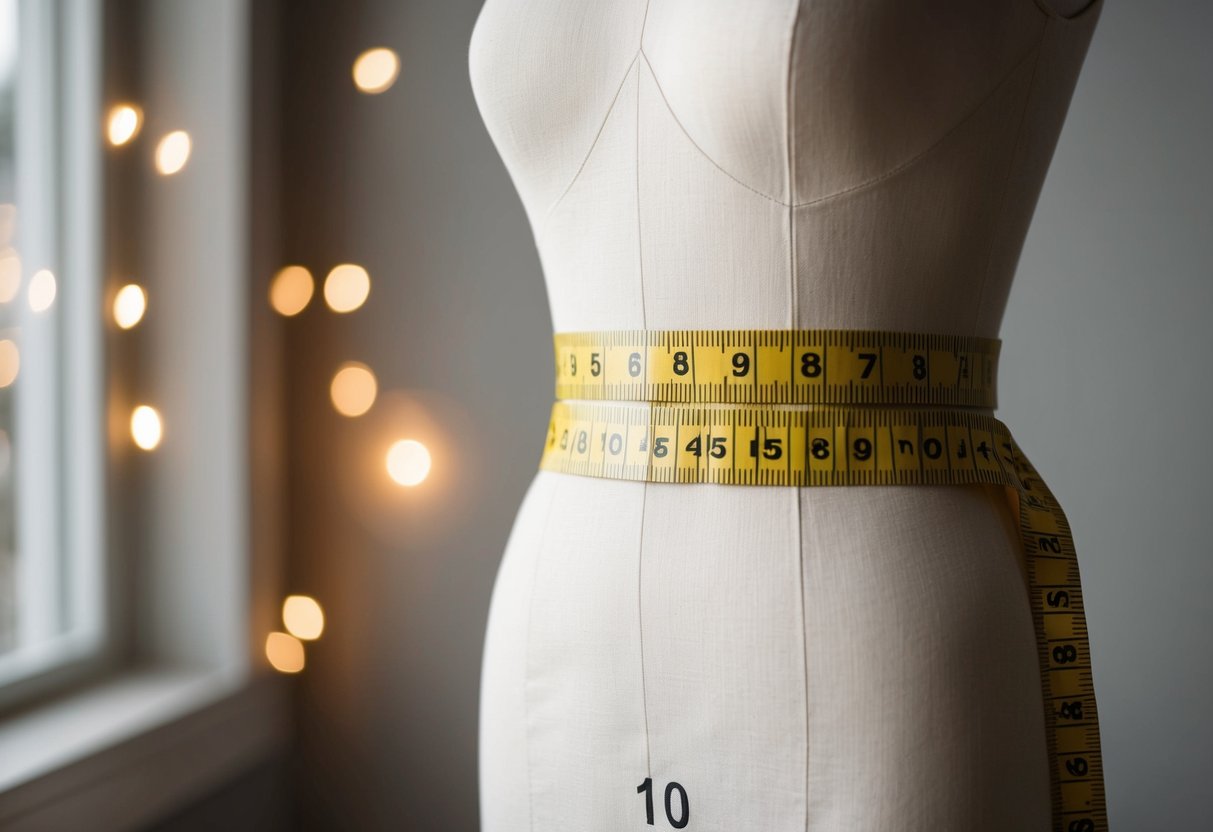
Getting the right fit for your wedding dress is essential. Accurate measurements help you find the best bridal size, ensuring you feel comfortable and confident on your special day.
Bust, Waist, and Hip Measurements
When determining your bridal size, focusing on three key measurements is crucial: bust, waist, and hips.
-
Bust Measurement: Measure around the fullest part of your bust. This number helps in selecting a dress that flatters your chest and aligns with your desired style.
-
Waist Measurement: To find your waist size, measure around the smallest part of your waist. This measurement is vital for ensuring that the dress fits snugly in this area.
-
Hip Measurement: Measure around the widest part of your hips. This measurement is essential for dresses that flare or have a fitted silhouette.
Taking these measurements accurately allows you to compare them with bridal sizing charts. Remember, many wedding dresses run smaller than regular clothing sizes, so knowing your exact measurements is key.
How Body Shape Affects Bridal Size
Your body shape plays a significant role in choosing the right bridal size. Different styles may flatter different shapes better than others.
For example:
-
Pear-shaped: If you have wider hips and a smaller waist, you might find that a size 10 fits best in the hip area, though adjustments may be needed in the waist.
-
Apple-shaped: For those with a fuller bust and waist, size adjustments may be necessary to find that perfect balance.
-
Hourglass: If your bust and hips are balanced with a defined waist, you might fit into your usual size.
Understanding your body shape helps you determine how a wedding dress will fit and where alterations might be needed. Remember, sizes like a size 16 wedding dress may fit differently depending on the designer, so always check the specific measurements.
Tips for Wedding Dress Shopping
Finding the perfect wedding dress can be a joyful experience with the right approach. Keeping a few key tips in mind can make the process smoother and more enjoyable.
Scheduling Your Bridal Appointment
Setting up a bridal appointment is a crucial step in your dress shopping journey. Aim to book your appointment well in advance, especially if you are shopping during peak wedding season. This ensures you have plenty of time to find your dream dress without feeling rushed.
Consider bringing along a few close friends or family members for support. Their opinions can be helpful, but make sure you choose people who understand your style.
Come prepared with ideas about what you like and what you want to try. This will help the bridal consultant guide you effectively.
Selecting the Right Bridal Sample Size
When trying on dresses, it’s important to understand bridal sample sizes. These often run smaller than your usual clothing sizes.
For instance, if you typically wear a street size 14-16, you may need to try on a bridal size 18-20.
Don’t be discouraged if the gown doesn’t fit perfectly at first. Most dresses will require alterations to achieve the best fit. Focus on how the dress feels and looks rather than the number on the tag. You can always make adjustments later with a skilled tailor.
Consulting With Bridal Designers and Tailors
It is vital to have a conversation with bridal designers and tailors. They can provide valuable insights about sizing and adjustments. Be open about your preferences and any concerns you might have.
Ask them about the gown’s construction and alteration possibilities. This will help you understand how the dress can be customized to fit your body perfectly. Designers typically have a good eye for what will work best for your individual shape and style.
Make sure to bring any undergarments you plan to wear on your wedding day. This will give you a better idea of how the dress fits and feels. Following these tips can help you create a memorable and enjoyable shopping experience.