
What is a Bride Plant? Discover the Unique Beauty of This Fascinating Flora
If you’re looking to add beauty to your garden, consider the bride plant, also known as Exochorda. This deciduous shrub is admired for its striking display of pure white flowers that bloom in late spring, providing a stunning backdrop for any outdoor space. It’s perfect for both full sun and part shade conditions, making it a versatile choice for many garden settings.
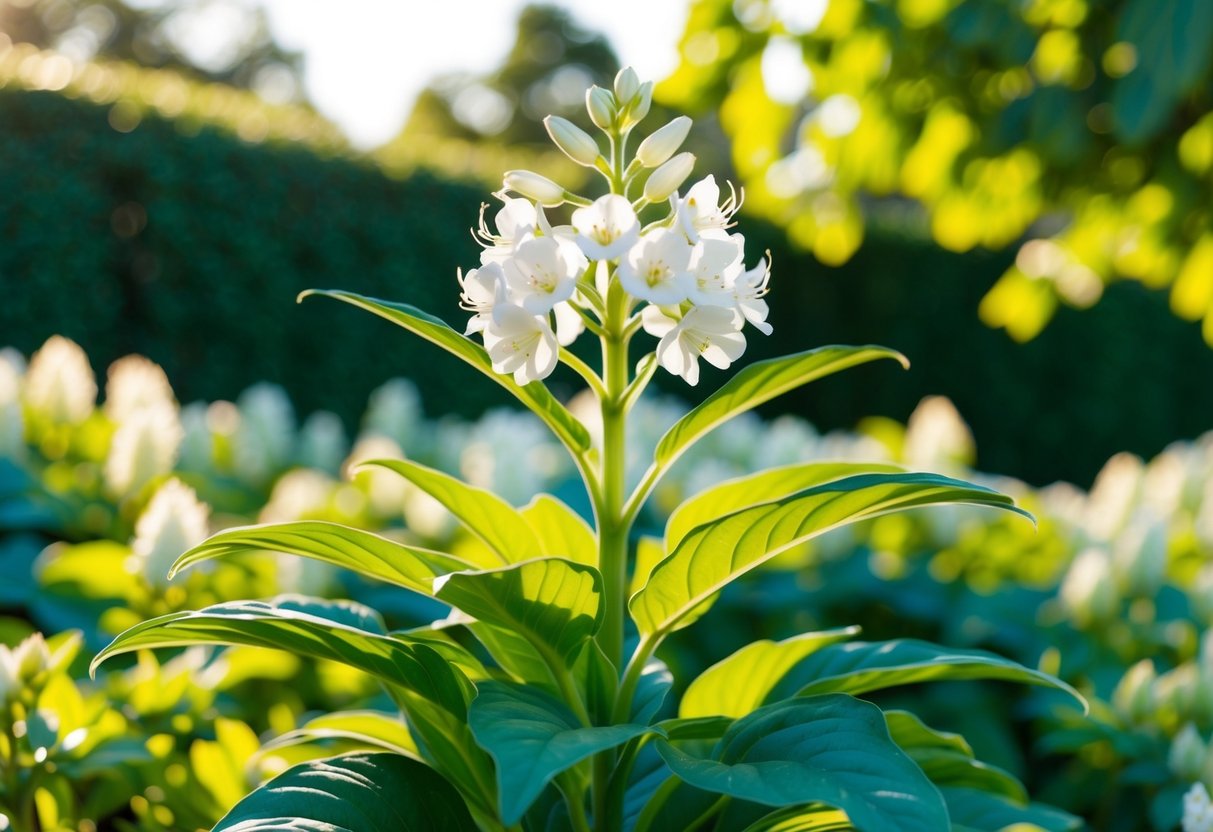
You’ll appreciate how easy it is to grow this plant. With minimal care, the bride plant can thrive and enhance your garden’s appeal. Its rounded shape and arching branches create an inviting look that pairs well with other plants or can stand alone as a focal point.
Whether you are an experienced gardener or just starting out, the bride plant can bring a touch of elegance to your landscape. This shrub not only adds aesthetic value but also requires little attention, allowing you to enjoy more time with your garden and less time on upkeep.
Getting to Know the Bride Plant
The Bride plant, known scientifically as Exochorda x macrantha ‘The Bride,’ is a charming flowering shrub. It’s a part of the Rosaceae family, which includes other beautiful plants. This section will help you learn about its botanical profile, highlights as a cultivar, and the best planting locations.
Botanical Profile
Exochorda x macrantha is often called the Bride or Pearl bush. This deciduous shrub typically grows to about 3 to 4 feet tall and wide. It is recognized for its stunning display of white flowers that bloom in late spring.
The flowers resemble pearls and have a lovely fragrance. The plant is hardy and can tolerate various soil conditions. It prefers well-drained soil but does well in different types.
You might also encounter its parent, Exochorda racemosa, which offers similar beautiful blooms. ‘The Bride’ has been awarded the Award of Garden Merit by the Royal Horticultural Society due to its resilience and beauty.
Cultivar Highlights
What makes ‘The Bride’ stand out? For starters, its compact growth habit allows it to fit well in smaller gardens. The dense, shapely branches create an attractive form throughout the year.
The mass of pure white flowers adds elegance to any landscape. They can be a stunning focal point or complement other plants in borders.
It’s also adaptable; this cultivar can thrive in full sun or partial shade. ‘The Bride’ is relatively low-maintenance, making it an excellent choice for both beginner and experienced gardeners.
Planting Locations
When deciding where to plant your Bride plant, consider its light requirements. It thrives in full sun to partial shade. A location that receives several hours of sunlight each day will help it flourish.
Choose well-drained soil to encourage healthy growth. You can plant it along walls, in garden beds, or even as a standalone specimen.
Mixing ‘The Bride’ with climbing plants like Clematis alpina allows for a stunning display. Be mindful of placing it in areas where it can be appreciated, as its stunning blooms are best viewed up close.
Cultivation and Care
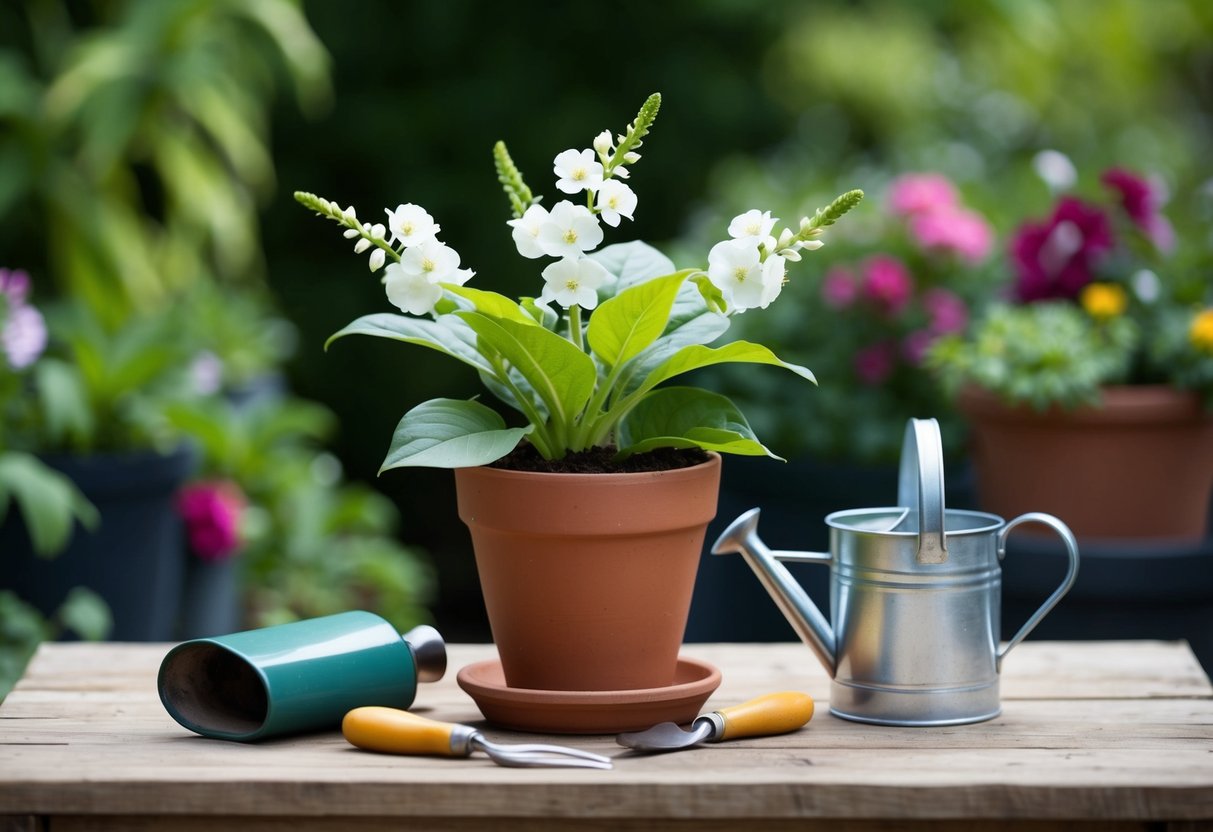
Caring for a bride plant involves understanding its specific needs in terms of soil, water, light, and seasonal care. By addressing these factors, you can help your plant thrive and enjoy its beautiful blooms each year.
Soil Preferences
The bride plant thrives in well-drained soil to prevent root rot. Aim for a soil pH that is slightly acidic to neutral, around 6.0 to 7.0. If your soil is too alkaline, consider adding organic matter to lower the pH.
Mixing in compost can not only improve drainage but also enrich the soil with nutrients. Regularly check for compaction in the soil, as this can slow water absorption.
Mulching around the base can help retain moisture while keeping weeds at bay. Just ensure that the mulch doesn’t touch the stem, as this could lead to rot.
Watering and Moisture
During the first growing season, consistent watering is crucial. Water your bride plant deeply to promote strong root development.
Aim for moist soil but avoid soggy conditions. You can check the soil moisture by inserting your finger about an inch deep. If it feels dry, it’s time to water.
In summer, the plant may need more frequent watering, especially during dry spells. In autumn and winter, reduce watering, as the plant goes dormant and requires less moisture.
Light and Exposure
Your bride plant loves sunshine! Aim for full sun exposure for at least six hours a day. While it can tolerate partial shade, brighter conditions encourage more blooms.
Choose a location that protects the plant from harsh winds, which can damage delicate flowers. In colder climates, be cautious of late spring frosts. You may need to cover the plant if frost is expected, as this will protect emerging buds.
Consider the surrounding plants as well; tall plants can cast too much shade, which may hinder your bride plant’s growth.
Seasonal Care
In spring, check for any dead or damaged branches and prune them away. This helps the plant focus energy on new growth. An annual fertilizer can give the plant a nutrient boost, especially as it prepares to bloom in late spring.
During summer, keep an eye on moisture levels and increase watering if temperatures rise. Remove any spent blooms to encourage further flowering.
As autumn approaches, reduce watering and prepare the plant for winter by adding mulch to protect the roots. In winter, check for any signs of pests, as some may try to take refuge in the plant’s leaves.
Propagation and Growth
To grow a bride plant successfully, you need to know how to propagate it and encourage its development. With the right methods, you can enjoy a vibrant, bushy plant that blooms beautifully in spring.
Propagating the Bride
You can propagate your bride plant using softwood cuttings taken in late spring or early summer. Choose healthy stems that are about 4-6 inches long. Make sure to cut just below a leaf node, as this helps the cutting take root.
To begin, remove any leaves from the bottom half of the cutting. Dip the cut end in rooting hormone to encourage faster growth. Then, plant the cutting in a well-draining potting mix. Keep the soil moist but not soggy. You should see roots developing in a few weeks. Monitor the cuttings for signs of new growth, as this indicates successful propagation.
Plant Development
After propagation, focus on nurturing your bride plant to promote healthy growth. Ensure it gets plenty of sunlight, ideally 6 hours a day. This helps with flowering and overall health.
Regular watering is key, but be cautious not to overwater since that can lead to root rot. Pruning is also vital. Trim back any long or damaged branches to encourage bushy growth and more blooms. These arching branches are characteristic of the plant and add to its charm. With proper care, your bride plant will thrive and require low maintenance, making it a joy in your garden.
Ornamental Attributes and Landscape Uses
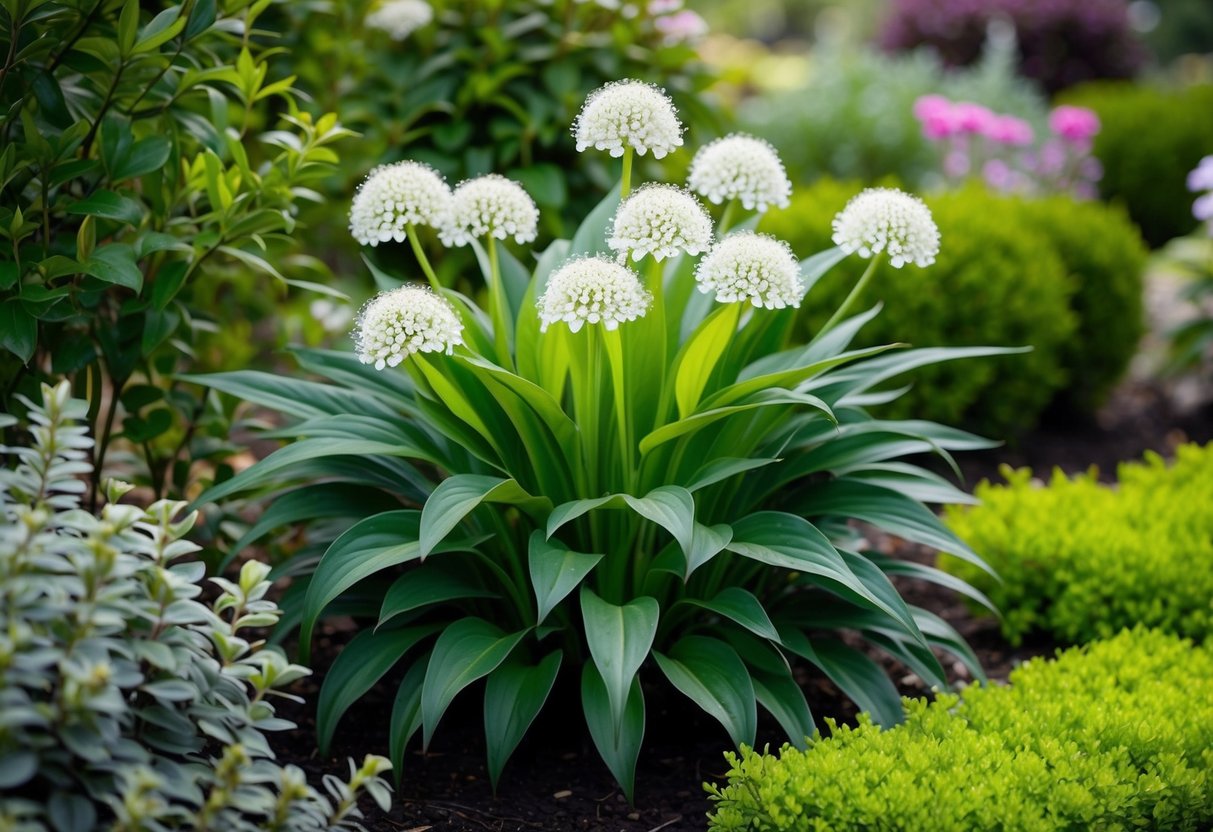
Bridal plants, such as the Bride Pearlbush, offer beautiful visual traits and practical uses in the landscape. Their stunning flowers and structured growth make them a great choice for various garden settings.
Visual Characteristics
One of the standout features of the Bride Pearlbush is its pure white flowers. These blossoms appear in late spring and grow in elegant racemes, providing a breathtaking display. The flowers emerge from unique, pearl-shaped buds that hang gracefully from the branches.
In addition to its lovely blooms, the plant has pale green leaves that complement its white flowers well. The foliage adds a fresh touch to any garden space. Once the blooming season ends, pearl bushes produce star-shaped fruits, adding an interesting element to the landscape. This attractive combination of flowers and foliage makes the Bride Pearlbush a favorite for shrub borders and specimen plants.
Design Considerations
When planning your garden, consider the size and shape of the Bride Pearlbush. This compact shrub fits well in various settings, including hedges, borders, and even as a standalone specimen plant.
You can use it to create shrub borders that add depth and elegance to your landscape. For a beautiful effect, consider mass plantings to enhance the visual impact. Its white flowers provide a lovely contrast against other colorful plants.
Additionally, the plant is easy to maintain, making it a low-maintenance option for busy gardeners. Regular pruning helps keep its shape and encourages healthy growth. Whether you’re designing a peaceful retreat or a vibrant garden, the Bride Pearlbush brings beauty and structure to your outdoor space.