
What is a Celebrant at a Wedding in the UK? Exploring Their Unique Role and Benefits
If you’re planning a wedding in the UK, you may be wondering about the role of a celebrant. A celebrant is a professional who helps create and lead your wedding ceremony, making it a personal and memorable experience. They work closely with you to craft a ceremony that reflects your unique story, values, and wishes.
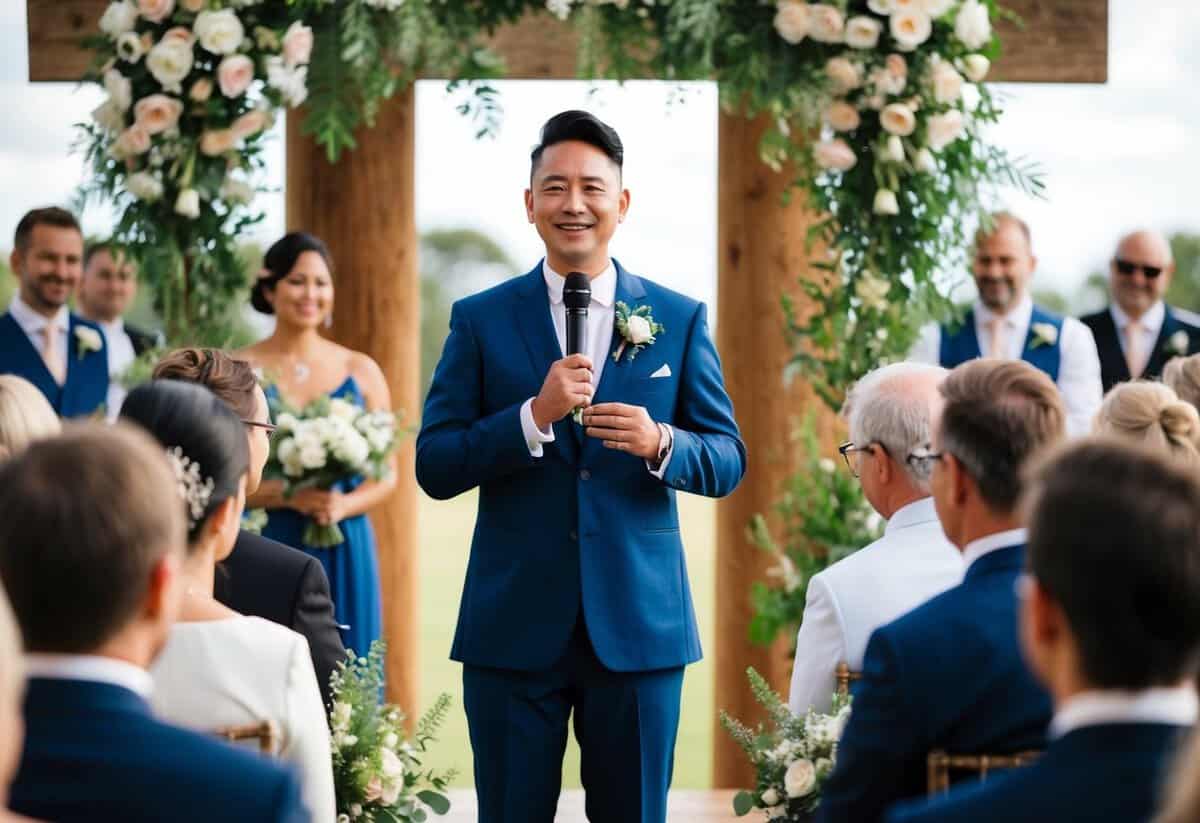
Unlike traditional registrars, celebrants offer more flexibility in terms of location and content. This means you can celebrate your love in a beautiful garden, on a beach, or anywhere that holds special meaning for you. Many couples enjoy the opportunity to include personal readings, music, and rituals that resonate with them.
The UK Society of Celebrants supports and trains celebrants, ensuring they provide high-quality services. If you want a ceremony that truly represents your relationship, finding the right celebrant can make all the difference.
Understanding the Role of a Celebrant
A celebrant plays a key part in your wedding, bringing a personal touch to your ceremony. They can help create a memorable experience that reflects your love story and beliefs.
Differences Between a Celebrant and Registrar
A registrar is a government official who conducts statutory ceremonies. This means they handle the legal requirements for marriage, ensuring everything is in order for the wedding to be recognized officially. In contrast, a celebrant focuses on bespoke ceremonies that are personalized and meaningful to you.
Celebrants can be classified into different types, like civil celebrants, humanist celebrants, and independent celebrants. They are not bound by legal restrictions, allowing for more creativity in designing your ceremony. You can include unique elements, such as rituals or your own vows.
Types of Celebrants and Ceremonies
There are various types of celebrants to consider based on your preferences. Civil celebrants often incorporate secular themes, making them a fit for those who prefer a non-religious ceremony.
On the other hand, humanist celebrants focus on values and beliefs that reflect human experiences, designed for those who wish to celebrate life without religious context.
Independent celebrants offer even more flexibility. They can include wonderful personal stories and specific rituals that reflect your journey together. You can choose from bright, vibrant themes to intimate, serene ones, depending on what feels right for your wedding.
Whether you want a celebrant-led ceremony or a simple civil ceremony, each offers unique touches that cater to your needs.
The Legal Aspect of Wedding Ceremonies in the UK
When planning your wedding, it’s important to understand the legal requirements involved. The legalities can affect how you choose to celebrate your love. Here, we break down the key elements you need to know.
Understanding Legal Paperwork
In the UK, a legally binding marriage requires specific paperwork. You must give notice of your intention to marry at your local registry office. This notice is usually displayed for at least 28 days. It’s important to have the proper documents, like passports and proof of address.
Once you’ve completed this step, you can choose to have your marriage ceremony in a registered venue. This can be a church or a register office. Remember that the legal paperwork needs to be completed for the marriage to be recognized.
Differences Between Celebrant-Led and Legally Binding Marriages
A celebrant-led wedding allows for personalized and meaningful ceremonies but isn’t legally binding. During a celebrant ceremony, you celebrate your commitment without the legal paperwork at that moment. You can express your love in a way that feels right for you.
To make your marriage official, you still need to complete the legal part separately. This often involves a simple appointment to sign the register. In contrast, a legally binding marriage involves a ceremony that meets legal requirements, ensuring that your union is recognized by law.
Personalizing Your Ceremony
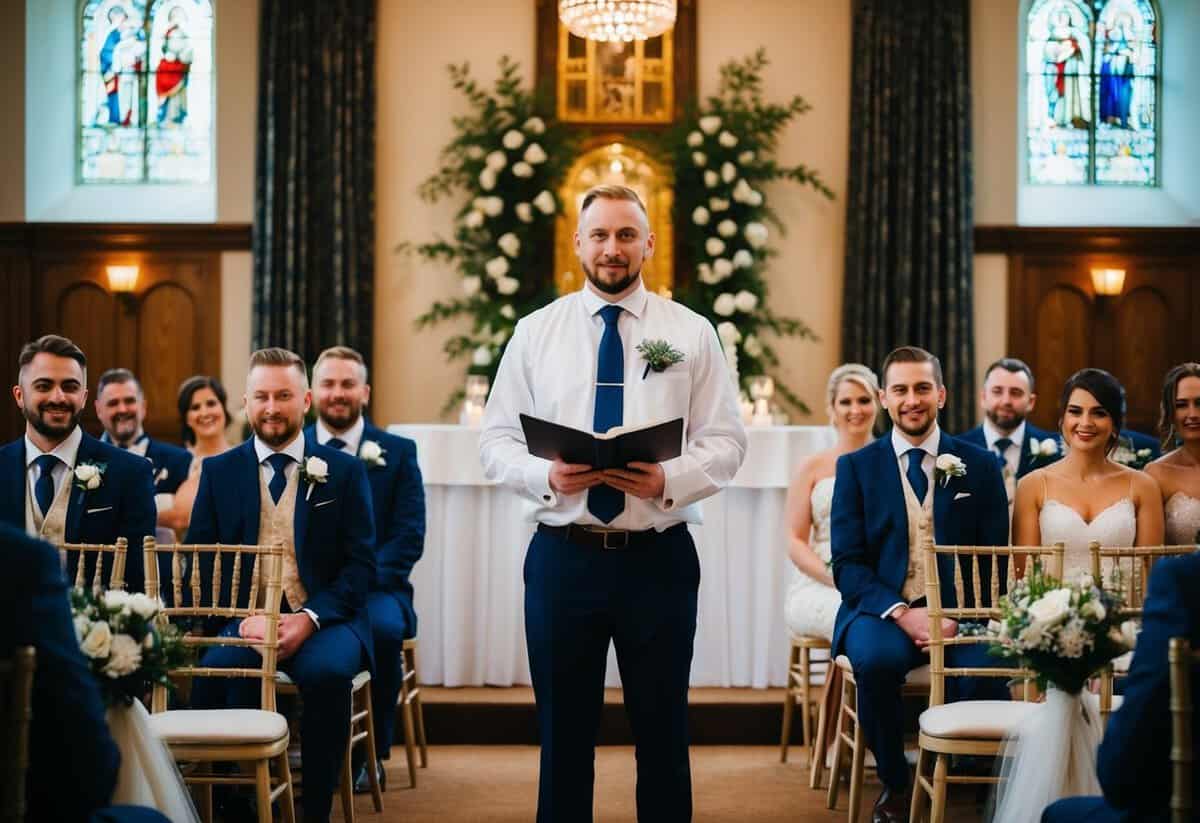
Creating a personalized wedding ceremony allows you to express your unique love story. It makes the day special and memorable for both you and your guests. Here are some key ways to make your ceremony truly yours.
Incorporating Personal Vows and Readings
Writing your personal vows gives you the chance to speak from the heart. You can include promises that matter most to you both. This makes your ceremony even more meaningful.
Consider adding readings or poems that resonate with you. These can reflect your journey together or your feelings for each other. Choose pieces that touch on themes important to you, like love, friendship, or commitment.
By sharing these personal elements, your ceremony will feel warm and genuine.
Cultural and Non-Traditional Elements
Incorporating cultural traditions can add depth to your ceremony. Think about the customs that are significant to your background. These could include unique rituals or symbolic gestures that represent your family history.
If you don’t follow traditional customs, you can create your own. Maybe you want to honor a shared interest or hobby. This flexibility allows you to shape the ceremony to reflect who you are as a couple.
Each element should be meaningful, ensuring your wedding day feels authentic.
Interactive Ceremonies: Handfasting, Unity Sand, and Candles
Interactive rituals make your ceremony more engaging. Handfasting is a beautiful tradition where your hands are tied together with a ribbon or cord. This symbolizes your union and commitment.
Another option is the Unity Sand Ceremony. In this, you pour different colored sands into one container, blending them together. This visual symbolizes the joining of your lives.
You might also consider Unity Candles. Each of you lights a separate candle, then together, you light a third candle. This represents two becoming one.
These rituals invite your guests to witness your commitment in a unique way.
Planning Your Wedding with a Celebrant
Working with a wedding celebrant can make your special day even more personalized and memorable. You’ll want to focus on finding the right celebrant who understands your vision, collaborating on the ceremony script, and coordinating with other wedding suppliers.
Choosing the Right Celebrant for Your Wedding
Choosing the right celebrant is crucial for your wedding. Start by researching local celebrants through directories or recommendations from friends. Look for one who aligns with your style and vision.
Schedule initial meetings to see if you connect well with them. This is important, as a good rapport leads to a more personal ceremony. Ask about their experience with different types of ceremonies, such as interfaith or same-sex weddings.
Also, check reviews and past ceremonies to ensure they meet your expectations. A celebrant’s warmth and professionalism can greatly enhance your day.
Working with Your Celebrant on the Ceremony Script
Once you’ve chosen a celebrant, you’ll work closely with them to create a unique ceremony script. This script reflects your love story and the values that matter to you both.
You can share your preferences, significant dates, and personal anecdotes. Your celebrant will weave these elements into a meaningful narrative.
Expect drafts and revisions. This collaboration will allow you to make adjustments to ensure the ceremony feels just right. It may include traditional elements like vows and rings, mixed with personal touches that truly make it yours.
Roles of Other Wedding Suppliers
Apart from your celebrant, you’ll interact with other wedding suppliers, like photographers and florists. Each plays a vital role in making your day a success.
Your celebrant can coordinate with these suppliers to synchronize details. For instance, they can discuss timings with the photographer to capture key moments.
Make sure to share your schedule with all suppliers. This way, everyone is prepared for the ceremony’s flow. Good communication helps in avoiding delays and ensures a smooth experience for you and your guests.