
What Is a Ceremonial Wedding? Understanding Its Significance and Traditions
When planning a wedding, you must understand the type of ceremony you want. A ceremonial wedding is a special event where two people unite in marriage following certain laws and traditions. This type of wedding not only signifies the legal recognition of your relationship but also celebrates your unique bond with personal touches.
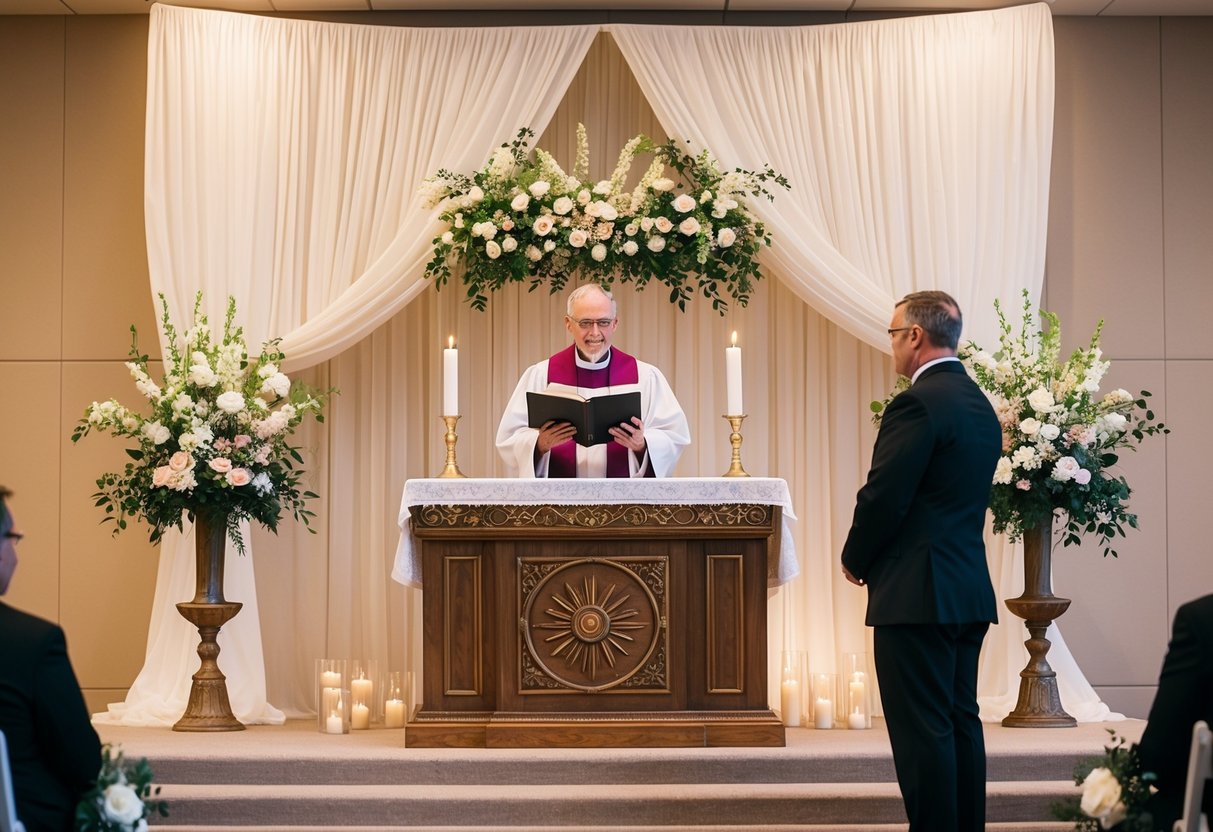
In a ceremonial wedding, couples often participate in rituals that reflect their beliefs, values, and cultures. This could include exchanging vows, rings, or other symbols of commitment. Many people choose this route because it deepens the meaning of their marriage beyond just the legal aspect.
As you think about your ideal wedding, considering a ceremonial wedding can help you create a memorable experience that resonates with both your hearts and the community around you. Engaging in this meaningful practice allows you to honor your love story while fulfilling cultural or spiritual customs.
Understanding Ceremonial Weddings
Ceremonial weddings blend traditions, emotions, and legalities. Understanding the different types, the role of officiants, and legal requirements will help you navigate your special day smoothly.
Types of Wedding Ceremonies
There are several types of wedding ceremonies, each with its unique customs and traditions. Civil ceremonies are non-religious and held in a government venue. They focus on the legal aspects of marriage, requiring a marriage license.
Religious ceremonies involve officiants from specific faiths and incorporate rituals tied to that religion. This can include prayer, vows, or symbolic actions.
For those seeking something more personalized, destination weddings offer an experience away from home. Meanwhile, humanist, interfaith, and non-denominational ceremonies allow you to blend beliefs, making your day truly unique. In these ceremonies, the pronouncement of marriage and declaration of intent are key moments that signify your commitment.
The Role of an Officiant
The officiant plays a crucial role in your wedding ceremony. This person can be a celebrant, priest, or legal authority who guides the ceremony. They ensure that your vows and rituals are performed correctly.
An officiant may also help you design parts of the ceremony to reflect your personality and values. You can choose someone who aligns with your beliefs, whether it’s religious or secular. They often lead you through the important moments, such as the exchange of vows, ring ceremony, and the official pronouncement of marriage. Selecting the right officiant can make your day feel special and meaningful.
Legal Considerations
Before your wedding day, it’s essential to understand the legal aspects. Ensure you have the necessary documents, like a marriage license, which varies by location.
In some cases, a marriage contract may be required. This is especially important for same-sex marriages, as laws can differ from state to state.
Knowing the legal requirements can help prevent any last-minute surprises. It also ensures that your marriage is recognized by law, giving you peace of mind as you celebrate your union.
Personalizing Your Wedding
Making your wedding personal allows you to create a meaningful day that reflects your love story. Focusing on rituals, attire, and the reception can bring your unique style and values to life.
Choosing the Right Rituals and Traditions
To start, think about the rituals and traditions that resonate with you. Consider incorporating unique elements like a unity candle or a commitment ceremony to express your union. Personal vows make your ceremony even more intimate. Writing your own wedding vows adds a heartfelt touch, allowing you to share your promises in a way that is true to you.
Also, you might want to include family traditions that have special meaning. For example, the exchange of rings is a classic symbol of love and commitment. Choose rituals that speak to you and your partner’s journey together.
Attire and Symbols
Your attire is another powerful way to personalize your wedding. A white wedding dress is traditional, but you might choose something that reflects your personality, such as a colorful gown or a sari. Don’t forget the details—consider incorporating symbols that hold significance to both of you, like family heirlooms or matching accessories.
Your choices in attire can also extend to your wedding party. Asking them to wear outfits that align with your theme can create a cohesive look. Each piece of clothing should tell a part of your story and bring your vision to life.
Crafting a Memorable Reception
The reception is where you can truly express yourselves. Start with a menu that features your favorite dishes. Whether it’s a formal sit-down meal or a buffet filled with comfort food, make it yours.
A wedding cake can also reflect your style. Consider unique flavors or designs that hold meaning for you. You may even want to incorporate cultural elements, making the cake part of the celebration.
Finally, think about how you will entertain your guests. Choose music that you both love and consider fun activities that showcase your personalities. By focusing on these aspects, you ensure your reception is a memorable celebration of your relationship.
Alternative Wedding Formats
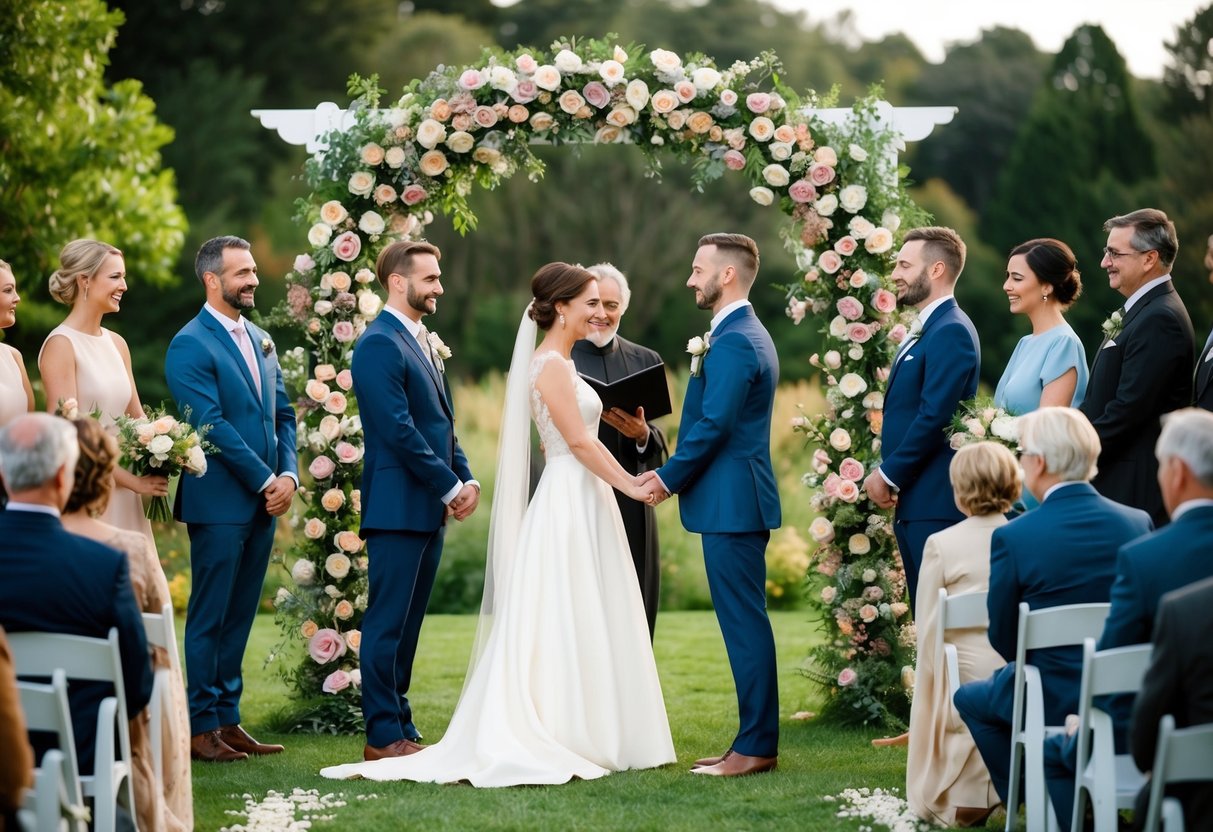
Exploring different wedding formats can truly enhance your celebration. Options like elopements, minimony, double weddings, and cruise weddings offer unique experiences that fit various preferences and lifestyles.
Elopement and Minimony
Elopements are intimate ceremonies where the couple marries in a private setting, often with just a few witnesses, or even just the officiant. This option is ideal if you want to keep it simple and personal. Elopements can take place in picturesque locations, making it a great choice for a destination wedding.
Minimonies are slightly larger than elopements but still maintain a small guest list, often around 10 to 20 people. This type of ceremony allows you to celebrate with close family and friends while keeping things low-key. Many couples opt for a minimony when they want to include loved ones but avoid a large formal wedding.
Double Weddings and Cruise Weddings
Double weddings occur when two couples share a ceremony. This format allows friends or family members to celebrate their love together. It can be a fun way to save on costs and make the day even more special with shared memories.
Cruise weddings offer a relaxed atmosphere for your ceremony. You can tie the knot while sailing to beautiful destinations. It combines the wedding and honeymoon experience, making it easier for you to celebrate with a larger group if desired. Plus, guests often enjoy the trip as part of the festivities.