
What is a Flip Wedding? A Fun and Unique Approach to Your Big Day
A flip wedding is a unique way to celebrate your special day by transforming the same venue for different parts of the event. After your ceremony, the space is quickly changed to create a new atmosphere for your reception. This efficient approach allows you and your guests to enjoy a seamless transition without the need to travel to a different location.
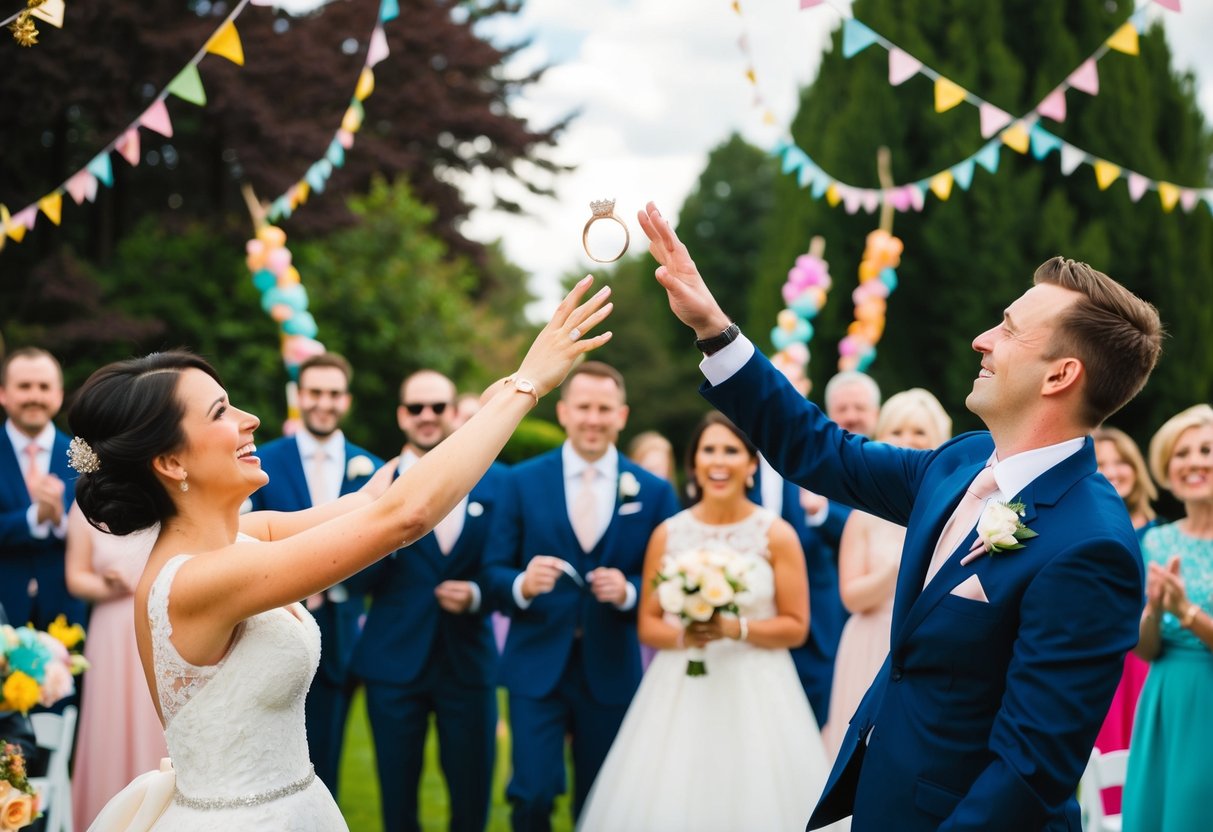
Imagine saying your vows surrounded by loved ones and then enjoying a festive reception right where it all took place. Using the same space can save both time and money, making it a popular choice for many couples. Plus, it adds a fun twist to your wedding day that guests will remember for years to come.
By considering a flip wedding, you open up possibilities for creative decorations and layouts, giving your special day a personal touch. It’s a great way to maximize your venue’s potential while keeping the celebration flowing smoothly.
Exploring Flip Weddings
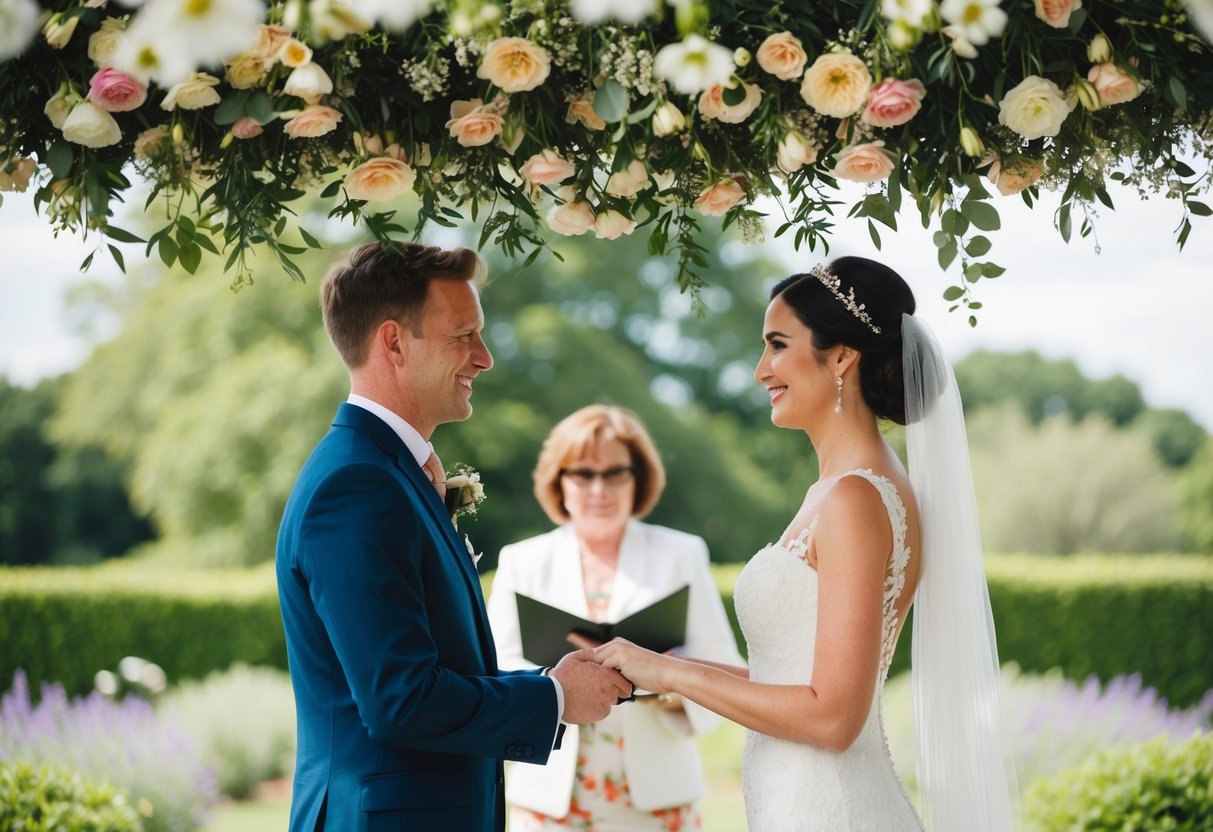
Flip weddings offer a unique way to manage the transitions between different stages of a wedding event. This style involves transforming the same venue from one setting to another, such as changing from a ceremony to a reception. Let’s take a closer look at the definition and benefits of this popular concept.
Definition and Concept
A flip wedding occurs when the same venue is used for both the ceremony and reception, with a quick transformation in between. This is also known as a room flip.
For example, after the ceremony, guests move to a different part of the venue. While they enjoy cocktails or appetizers, the venue staff rearranges the space. They might change the seating, lighting, and decorations to create a fresh setting for the reception.
This concept makes it easier for you to manage logistics since everything is in one location. It allows for a seamless experience for your guests, who remain in the same place for the entire event.
Benefits of a Flip Wedding
There are several advantages to choosing a flip wedding for your special day.
First, it can save time and reduce stress. With everything happening in one place, there’s no need for guests to travel between locations. This makes scheduling simpler and keeps everyone together.
Second, using one venue can also lower costs. Many venues offer packages that make flip weddings more affordable compared to booking separate locations.
Additionally, the quick room flip can be fun. It adds an element of surprise for your guests as they see the transformation.
Planning Your Flip Wedding
When planning a flip wedding, there are a few important things to consider. You want to ensure that the transition between your ceremony and reception flows smoothly. The right venue and a great wedding planner can make all the difference.
Choosing the Right Venue
Selecting the perfect event space is crucial for a successful flip wedding. Look for a venue that offers both a ceremony space and a reception space. Ideally, these areas should be close together to minimize downtime.
Consider how many guests you plan to invite. Ensure the venue can accommodate your guests comfortably for both the ceremony and cocktail hour. Think about the style and vibe you want to create. A flexible space that can be easily rearranged will help make the flip seamless.
Check if the venue has a dedicated team to assist with the flip. Some venues may even offer set-up and clean-up services. This can save you time and stress on your big day.
Working With a Wedding Planner
A skilled wedding planner can be your best ally in planning a flip wedding. They can help you coordinate the details and manage the timeline. You want someone experienced with room flips, as they will know how to handle logistics effectively.
Communicate your vision clearly. Discuss your preferences for the ceremony, cocktail hour, and reception. A good planner can suggest the best layout and flow for the spaces.
Trust their expertise in choosing vendors as well. They can recommend reliable services for catering, decor, and audio-visual needs, ensuring everything is set up perfectly for the transition.
Designing a Seamless Transition
Designing a seamless transition is key to a successful flip wedding. Start by planning the layout of both spaces. Think about how guests will move from the ceremony to cocktail hour to dinner.
Consider using decor that can easily change from one space to another. For example, floral arrangements can double as centerpieces and ceremony decor. This not only saves time but also helps maintain a cohesive look throughout your event.
During the cocktail hour, provide refreshments and entertainment for your guests. This keeps them engaged while the flip takes place. Make sure to communicate the timeline with your planner and venue staff to ensure everything goes smoothly.
Decor and Layout Details
When planning a flip wedding, paying attention to decor and layout is essential. You want everything to flow smoothly between the ceremony and reception. Having a clear plan helps create an inviting atmosphere for your guests.
Creating a Cohesive Look
To ensure a seamless transition, keep a cohesive theme throughout your wedding. Use matching colors and styles for both the ceremony and reception spaces.
Consider your centerpieces and floral arrangements. Choose flowers that fit your wedding colors and can easily transition from ceremony to reception.
For example, if you have tall centerpieces for the ceremony, you might opt for shorter styles at the reception to create a more intimate dining experience.
Set the table setting with care. Make sure your plates, cups, and cutlery match your theme, whether it’s elegant, rustic, or modern.
Furniture and Decor Logistics
Planning the logistics of furniture and decor is crucial for a successful flip. Start with the layout for both spaces. For the ceremony, arrange chairs in a way that provides a good view for all guests.
After the ceremony, quickly remove or rearrange chairs to make way for tables.
If you have a sweetheart table, position it where it can be easily seen but still feels intimate.
When designing the reception layout, consider where to place buffet tables and the dance floor. You want to ensure that guests can move around comfortably.
A well-placed dance floor near the main activities encourages guests to join in on the fun all night long!
The Flip in Action
During a flip wedding, careful coordination ensures a seamless transition from the ceremony to the reception. Your vendors play a crucial role in making this happen, while your guests can enjoy some time before the reception begins.
The Role of Vendors During the Flip
Your vendors are key players in the room flipping process. The event coordinator typically leads the charge, ensuring everything moves smoothly. On the day of the wedding, they should arrive early to set up for the ceremony.
As the ceremony concludes, teams shift focus. Florists may quickly rearrange arrangements, while catering staff rearranges tables for dinner. It’s essential for everyone to communicate clearly during this time.
Each vendor works together to meet the allotted time for flipping, usually around 30 to 45 minutes. Their goal is a transformed space that matches the vibe of your reception. This teamwork helps create an enjoyable atmosphere for you and your guests.
What Guests Can Do During the Transition
While the room is being flipped, your guests will have a moment to relax and mingle. They may enjoy appetizers and drinks during this break. This time can make the transition feel festive and exciting.
Encourage your guests to chat with one another and capture some memories with photos. A well-planned cocktail hour fosters socializing and keeps spirits high before the reception.
Sharing fun stories about the ceremony or offering well wishes to you as newlyweds can enhance the experience. Guests can also participate in games or activities arranged by your planner to pass the time. Taking part in these interactions helps everyone feel engaged and ready to celebrate your union when the reception begins.