
What Is a Good Amount of Guests for a Wedding? Finding Your Perfect Celebration Size
When planning your wedding, one of the most important decisions is determining your guest list. You might be wondering, “What is a good amount of guests for a wedding?” Generally, a small wedding includes 50 guests or fewer, a medium wedding has between 50 and 150 guests, and a large wedding boasts over 150 attendees.
Understanding these average numbers can help you stay within your budget and create the right atmosphere for your special day.
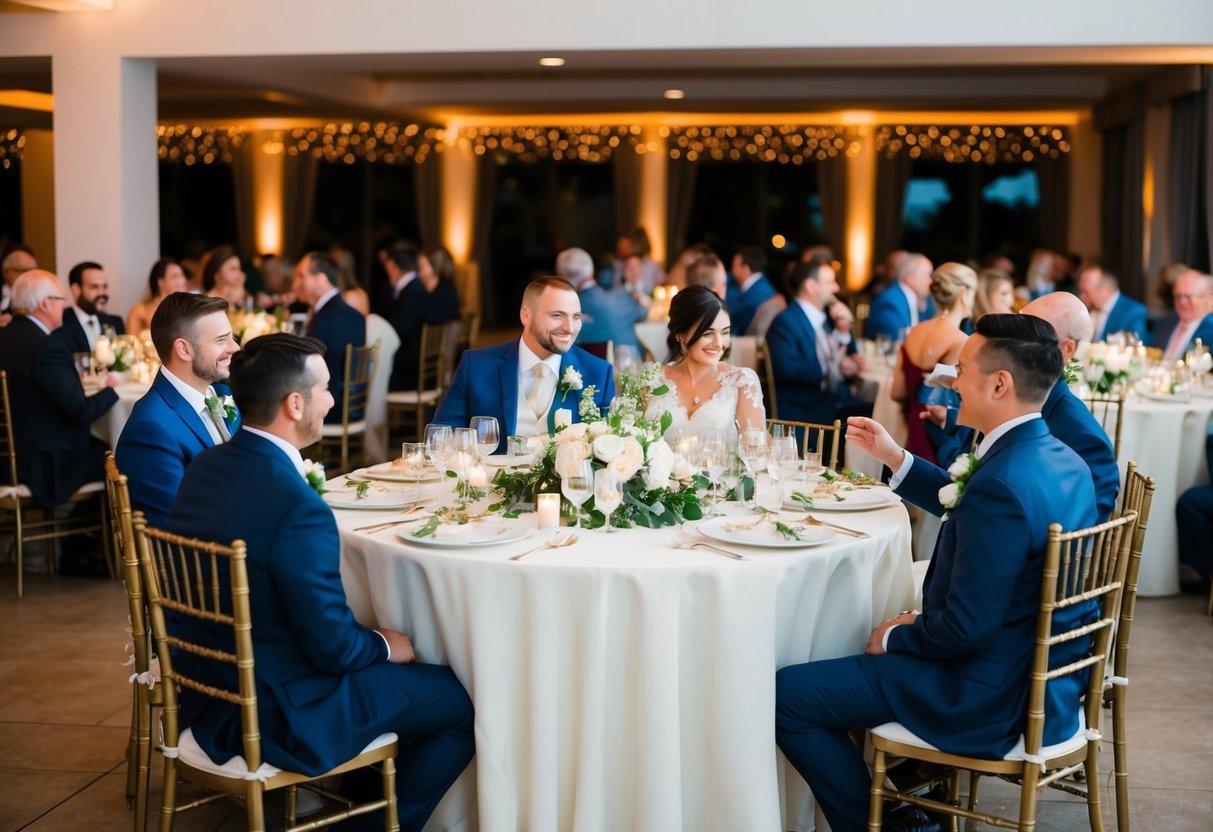
The size of your wedding greatly influences other aspects of planning, from venue selection to catering costs. It’s essential to think about what kind of celebration you envision. Whether you dream of an intimate gathering or a grand celebration, aligning your guest list with your vision is key.
As you go through the wedding planning process, remember to consider not just the numbers but also the experience you want to create for your guests. A well-considered guest list sets the tone for your big day and helps ensure that everyone you invite is someone you truly want to celebrate with.
Determining Your Wedding Size
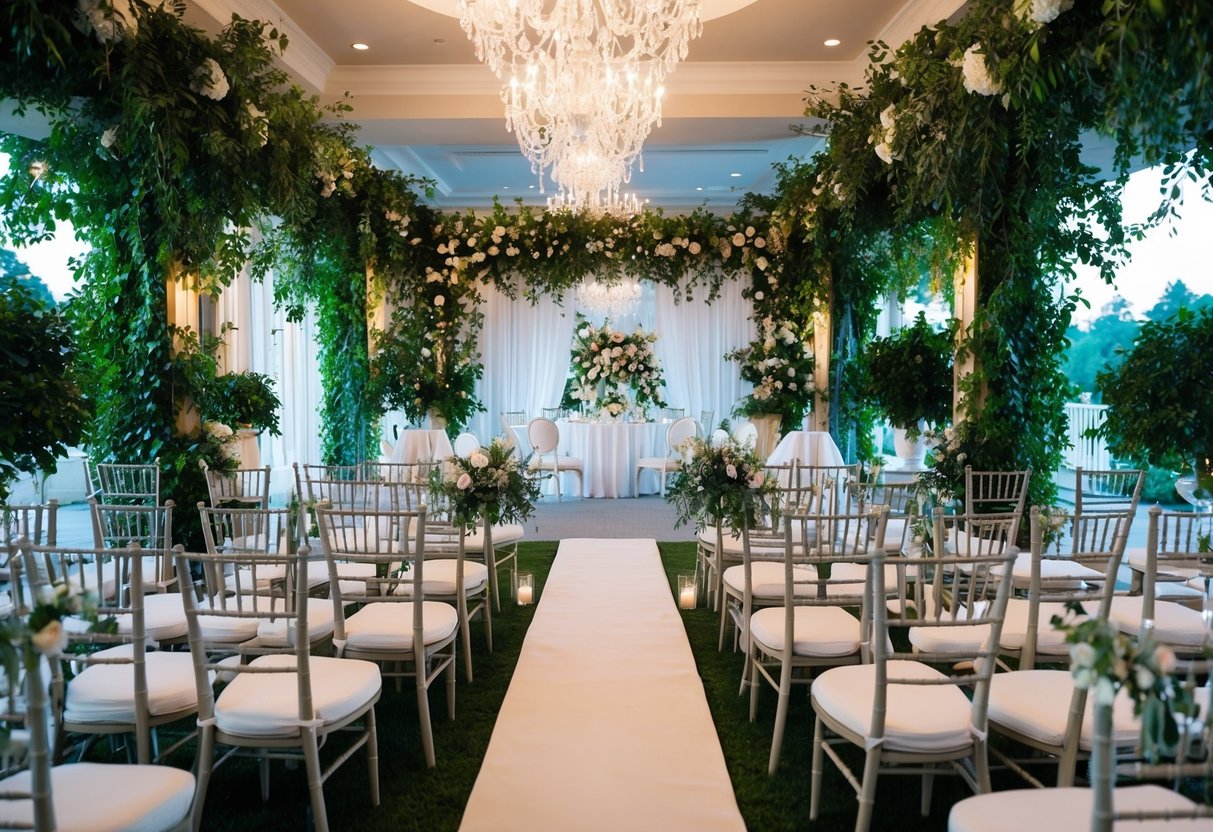
Choosing the right number of guests for your wedding is a big decision. It can greatly impact your budget, venue selection, and personal preferences. Let’s dive into the main factors that will help you determine a comfortable guest list size.
The Role of Budget in Guest Count
Your budget is crucial in deciding how many guests to invite. More guests mean higher costs for food, drinks, invitations, and favors.
- Set a Total Budget: Start by determining your total wedding budget. Knowing how much you can spend helps narrow down your guest list.
- Cost per Guest: Calculate a rough estimate of costs per guest. On average, it costs about $100 to $200 per person. Multiply this by your desired number of guests to see if it fits your budget.
- Prioritize Spending: Decide what’s most important to you. If having a larger guest list is key, consider cutting costs elsewhere, like on decor or entertainment.
Venue Capacity and Wedding Type
The venue you choose plays a big role in your guest count. Some spaces can only accommodate a certain number of people.
- Choose the Right Venue: Look for venues that match the mood of your wedding. Small venues suit intimate weddings or micro weddings, while larger spaces are perfect for grand celebrations.
- Consider Venue Location: For destination weddings, consider travel and accommodation for guests. The cost and convenience of getting there can affect your guest list.
- Formal vs. Casual: The style of your wedding also matters. A formal wedding may require more guests, while a casual celebration can be cozier with a smaller crowd.
Personal Preferences for Wedding Scale
Think about what size feels right for you and your partner.
- Reflect on Your Vision: Do you envision a bustling party or a quiet gathering? A small wedding can be intimate, while a large wedding allows for more diverse connections.
- Guest List Dynamics: Consider who you truly want to celebrate with. Include close friends and family, and think about whether you want a more personal experience or a larger social affair.
- Elopement or Micro Weddings: If you prefer simplicity, think about eloping or planning a micro wedding with just a few loved ones. This choice can reduce stress and create lasting memories.
Crafting Your Guest List
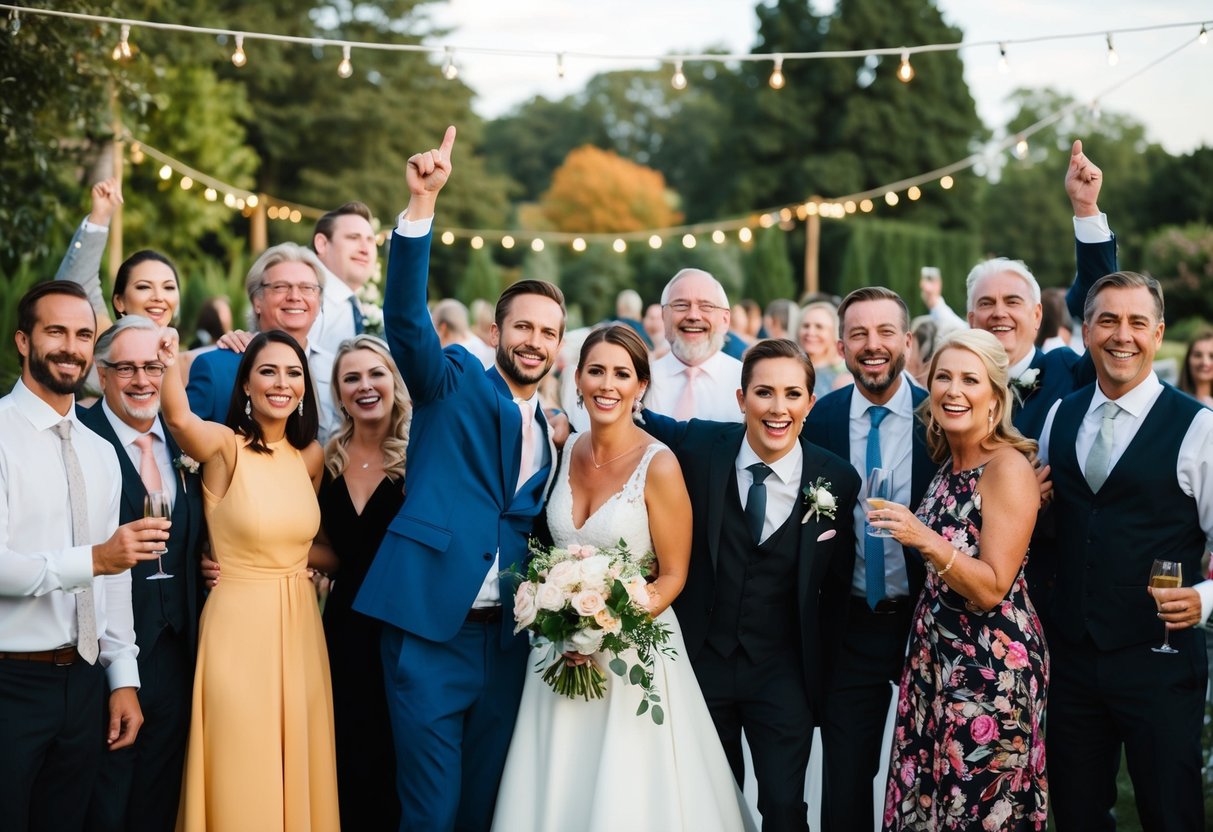
Creating a guest list is a crucial step in planning your wedding. It’s about balancing your desires with practical considerations. You want to celebrate with those who matter most while keeping track of attendance and RSVPs.
Family and Friends: The Core of Your Guest List
Start with your closest family and friends. List those who have been a big part of your life. This includes parents, siblings, and your best friends. They are your support system, and their presence at your wedding is vital.
As you jot down names, think about the relationships you value. Ask yourself who you want to share this special day with. This core group will set the tone for your guest list. If you have a large family, consider how to include everyone without overwhelming your budget. Family dynamics can get tricky, so it’s essential to communicate openly about your plans.
Plus-Ones and Local Versus Out-of-Town Guests
Decide how to handle plus-ones. A common approach is to allow single guests to bring a partner. This helps your friends feel included and brings more joy to the celebration. Make sure to specify on your invitations if plus-ones are allowed.
Next, think about local versus out-of-town guests. Local guests can easily make it to your wedding, while out-of-town guests may need special accommodations. Balancing these groups can affect your numbers and budget. For those traveling a distance, sending save-the-dates early is wise. It gives them time to plan and make travel arrangements.
Managing RSVPs and Attendance
Once you send out invitations, managing RSVPs is key. You want a clear idea of who can attend.
Create a system to track responses easily. You might use a spreadsheet to list names, RSVP statuses, and dietary needs.
Pay attention to attendance rates. Guests may decline for various reasons, such as travel or prior commitments. Following up with those who haven’t responded can help. Use polite reminders to ensure you get an accurate count before finalizing your numbers. Knowing who’s attending will also help with seating arrangements and meal selections.
Communicating With Guests
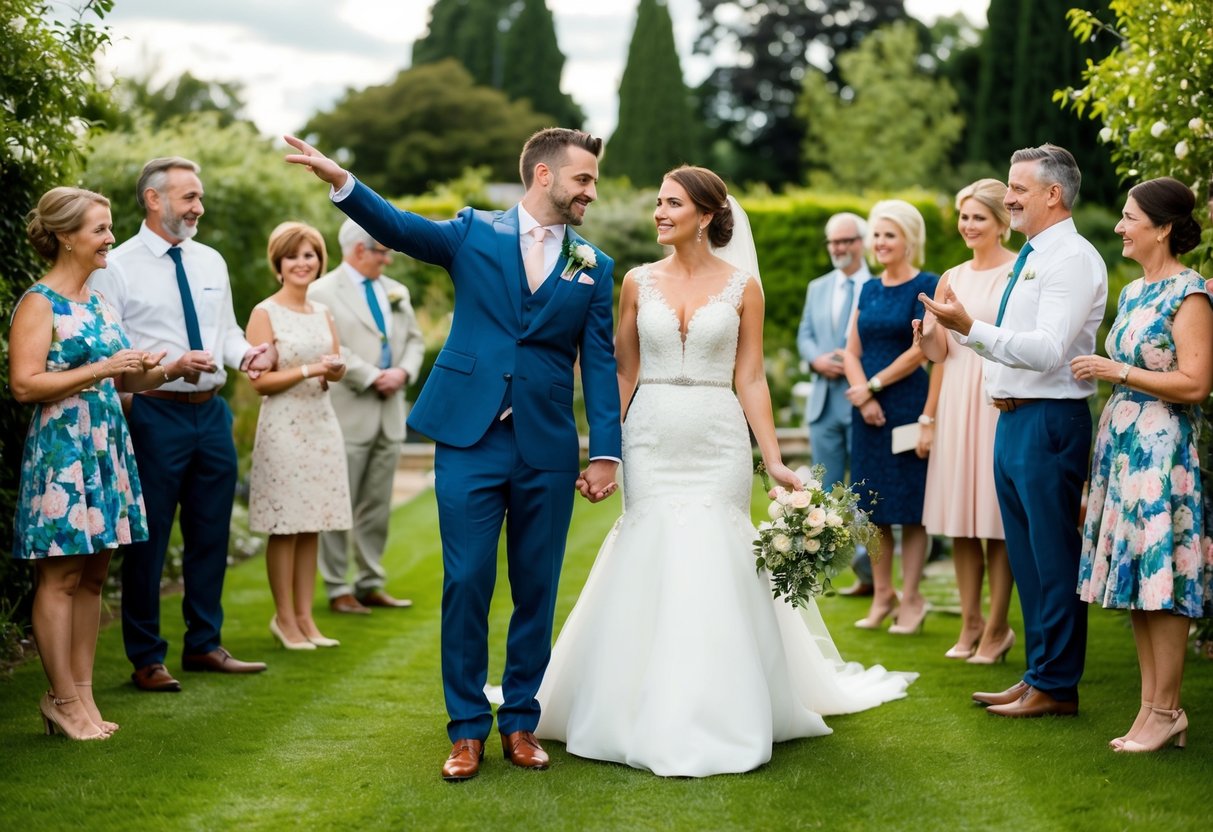
Effective communication with your guests is essential when planning your wedding. Properly reaching out helps ensure everyone knows the details and understands expectations.
Sending Out Invitations and Save-the-Dates
Start by getting the word out with Save-the-Dates well in advance. This gives guests time to arrange their schedules. Typically, send these out 6 to 8 months before your big day.
For formal invitations, aim to send them about 6 to 8 weeks before the wedding. Include all key details: date, time, venue, and RSVP instructions.
Choose a design that reflects your wedding theme. Ensure the wording is clear and polite. You might also want to include information about accommodations if many guests are traveling from afar.
Setting Guest List Expectations and Etiquette
Clarifying expectations for your guests is important. Let them know if they can bring a plus-one, especially for those who don’t know many other attendees.
You should also communicate any dress code or special traditions expected at your wedding. This can help guests feel comfortable and prepared.
Encourage RSVPs and set a deadline. This will help you finalize your guest count. Remember, it’s perfectly fine to follow up with guests who haven’t replied.
Always thank your guests for their response. Acknowledging their effort shows appreciation for their support on your special day.